

We needed a ground-floor room addition in Almaden Valley for my aging mother. Lecut gave us a clear, itemized quote upfront with no surprise fees. The project manager kept us informed every morning, and the new space passed city inspection on the very first try.


With kids growing up, we desperately needed a playroom, so we booked Lecut for a garage conversion in Willow Glen. They started three days after our initial call, kept to the exact quote without hidden costs, and wrapped up early.

Lecut replaced our worn hardwoods in Los Gatos in two days for the exact upfront price quoted.

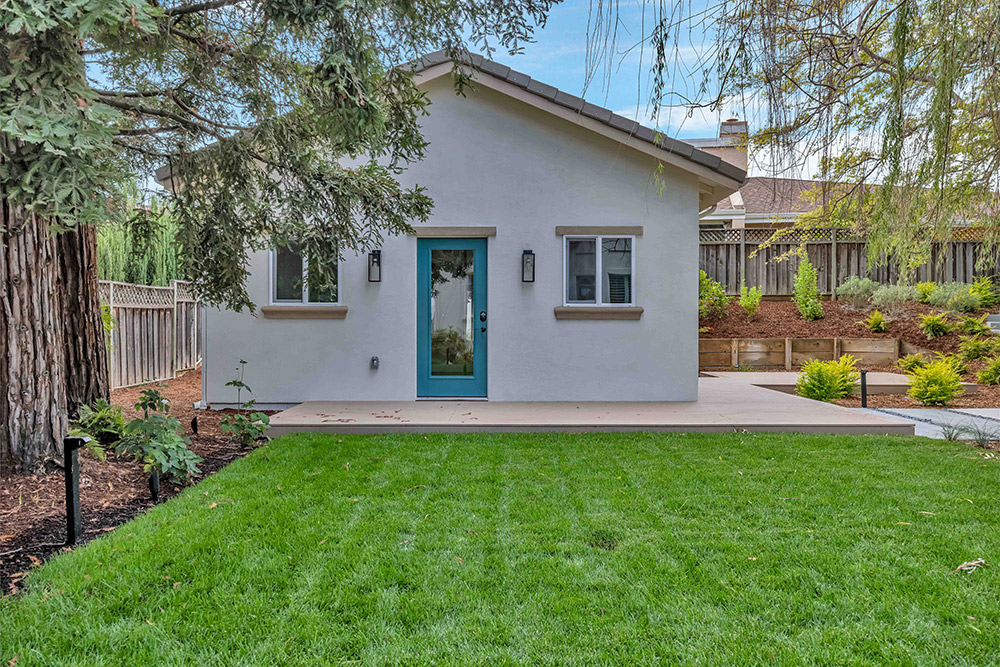
Building a detached ADU in Cupertino was seamless with Lecut handling all permits and construction. Their strict schedule meant I had a tenant paying rent two weeks earlier than projected.

Booking our kitchen remodeling consultation online took under two minutes. The crew showed up at 8 AM sharp in Sunnyvale, stuck to the itemized estimate down to the penny, and finished the installation ahead of deadline.


Adding a second story addition to our Santa Clara home felt risky until we signed with Lecut. They locked in our contract price before breaking ground, eliminating cost overruns. Their crew worked efficiently, completing structural framing ahead of schedule while keeping the job site spotless.

Our rotting porch in Palo Alto was unsafe, but Lecut completed a new composite deck building job in four days flat.
We had a great experience working with Lecut and Yari on our bathroom remodel. Yari was very responsive and easy to communicate with throughout the entire project, and Lecut did a great job with the installation and finishing work.
They were professional, reliable, and always willing to come back and take care of small details when needed. We're very happy with how everything turned out and really appreciate their hard work and attention to detail.


Related Articles
People Also Ask
The 30% rule is a common guideline in home renovation, suggesting that you should not spend more than 30% of your home's current market value on a single room renovation. This is particularly relevant for kitchens and bathrooms, as these projects are the most expensive. If you exceed this threshold, you risk over-improving your property for the neighborhood, making it difficult to recoup your investment when you sell. For example, if your home is valued at $500,000, a kitchen remodel should ideally cost no more than $150,000. At Lecut Construction, we advise clients to consider this rule as a starting point, but we also emphasize that personal enjoyment and long-term living needs are equally important factors in your decision.
When communicating with your contractor, avoid saying "I can get materials cheaper myself," as this can disrupt supply chain warranties and project timelines. Never state "Just do it quickly," as rushing compromises quality and safety standards. Avoid "I'll pay you under the table," which creates legal and tax issues for both parties. Do not say "My friend can do it for less," as this undermines trust and professional value. Also avoid vague statements like "I'll decide later on finishes," as this causes delays. For guidance on specific home improvement decisions, refer to our internal article titled How To Choose The Right Gutters And Downspouts. Lecut Construction recommends clear, written agreements to prevent misunderstandings.
For small, simple tasks like painting a single room or fixing a leaky faucet, a handyman is often the more cost-effective choice, as their hourly rates are typically lower. However, for larger projects requiring permits, structural changes, or specialized skill sets, hiring a licensed contractor is the smarter financial decision. A contractor, such as those at Lecut Construction, ensures the work meets local building codes, which prevents costly repairs or fines later. While a handyman may seem cheaper upfront, a contractor's comprehensive bid includes insurance and warranties, protecting your investment. Always compare quotes and verify licensing to avoid hidden costs from unlicensed work.
A budget of $50,000 can be sufficient for targeted home renovations, but it depends heavily on the scope of work and your home's condition in San Jose. For a single bathroom remodel or a mid-range kitchen update, this amount is often adequate. However, for a full-house renovation including structural changes, new roofing, or major electrical work, $50,000 is likely insufficient. To maximize your investment, prioritize high-impact areas like kitchens and bathrooms. Before starting, always secure proper permits from the City of San Jose to avoid costly fines. For detailed guidance on managing budgets and local regulations, Lecut Construction recommends reading our internal article San Jose Home Improvement Guide: Navigate Permits, Preservation Rules, and Renovation Costs Like a Pro to plan your project effectively.