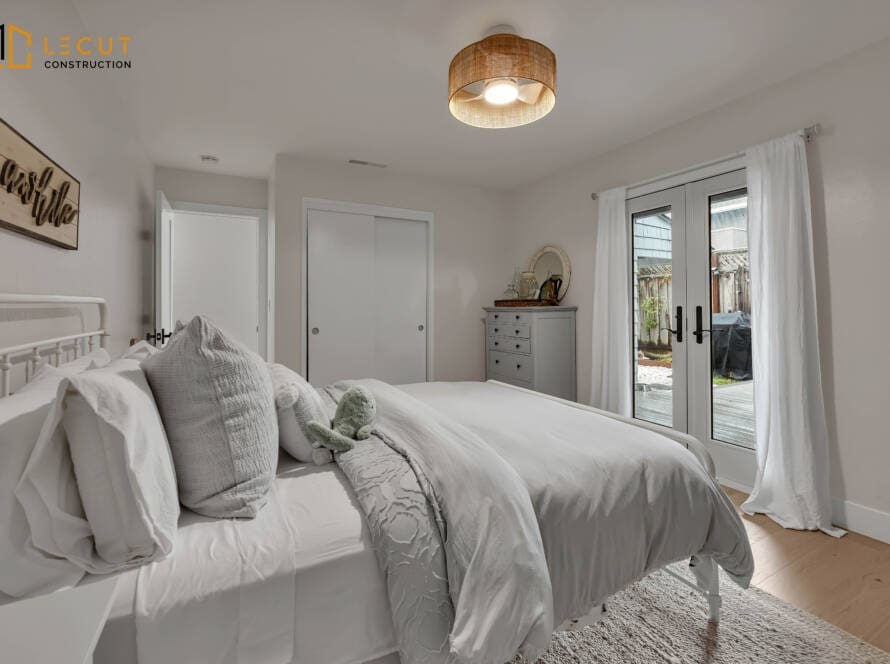
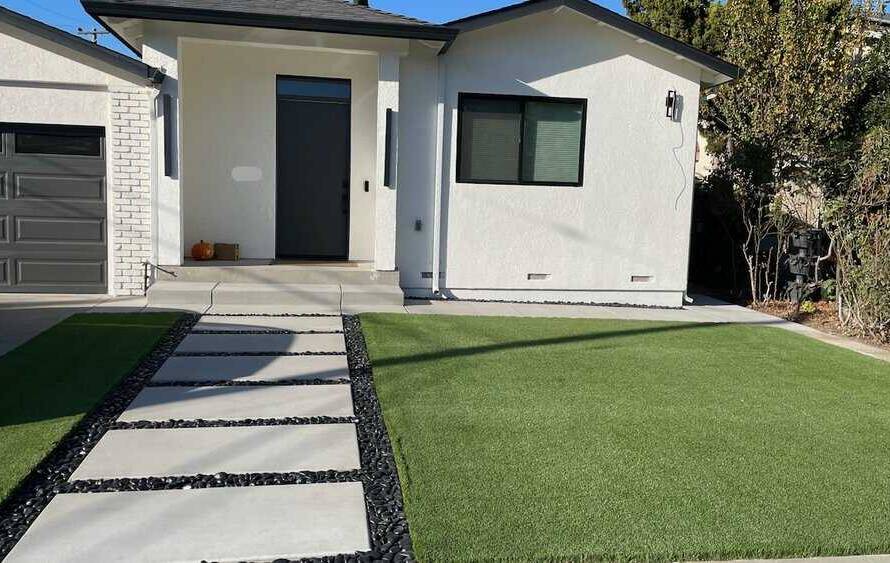
Renovating a home in San Jose in 2026 demands more than a vision board and a hammer. You must align your project with California’s strict building codes, San Jose’s specific permit processes, and—if you own an older property—historic preservation mandates. Get any piece wrong, and you risk fines, forced removal of work, or a steep drop in resale value. This guide distills the entire landscape into a clear, step-by-step resource. You will learn exactly what permits you need, how to manage costs, and how to choose a contractor who respects both your home and the city’s regulations. For a renovation partner that already knows this terrain, LeCut Construction combines design-build efficiency with an unmatched record of client referrals across the Bay Area. Schedule a free design consultation to start your project on the right foundation.
Understanding San Jose’s Regulatory Framework for Home Improvement
San Jose operates under the California Building Standards Code (Title 24) but layers on local amendments that address seismic safety, energy efficiency, and neighborhood character. Any project that alters structure, electrical, plumbing, or mechanical systems triggers a permit requirement. The Planning, Building and Code Enforcement Department (PBCE) reviews applications, and in designated historic districts, the Historic Preservation Officer adds a separate approval layer.
Key city documents you may encounter:
-
San Jose Municipal Code Title 17 (Zoning)
-
San Jose Municipal Code Title 24 (Building Regulations)
-
Citywide Design Guidelines and individual Neighborhood Conservation Area standards
-
California Historical Building Code for qualified historic properties
Permit Types Every San Jose Homeowner Must Know
Different projects demand different permits. Submitting the wrong one delays your timeline by weeks. Use the table below to match your project scope to the correct permit path.
For all permit types, prepare a site plan, construction drawings, and a completed application. Energy compliance (Title 24) documentation is mandatory for most new work. The city’s online permitting portal at sanjoseca.gov lets you submit digitally, track status, and schedule inspections.
Navigating Historic Home Renovation in San Jose: A Deep Dive
San Jose contains five officially designated Historic Districts and numerous individually landmarked properties. If your home falls inside one of these boundaries—Naglee Park, Hensley, St. James Square, Reed, or the River Street Historic District—any exterior alteration visible from the public right-of-way requires a Historic Alteration Permit. Even paint color may need approval.
What Triggers Historic Review
-
Changing window style, material, or muntin pattern
-
Replacing front doors or porch details
-
Adding or removing exterior siding
-
Altering rooflines or dormers
-
Installing solar panels on street-facing slopes
-
Demolishing any original element
How to Work with the Historic Preservation Officer
Early consultation is mandatory. Schedule a pre-application meeting before drawing final plans. Bring photographs, material samples, and a written narrative of proposed changes. The officer evaluates your project against the Secretary of the Interior’s Standards for Rehabilitation. Approval hinges on preserving character-defining features while accommodating modern needs.
Incentives for Historic Homeowners
The Mills Act Program allows property tax reduction in exchange for a 10-year preservation agreement. San Jose participates, but enrollment is competitive. Check the city’s Historic Resources Inventory for eligibility. A qualified contractor like LeCut Construction can advise whether your proposed work aligns with Mills Act commitments, protecting both your investment and the tax benefit.
Real Costs of San Jose Home Renovations in 2026
Material prices have stabilized post-pandemic, but skilled labor remains scarce in the Bay Area, pushing costs 20–30 percent higher than national averages. The table below reflects mid-range finishes with a licensed, insured contractor. Luxury finishes and custom work increase budgets significantly.
Costs sourced from aggregated Bay Area contractor quotes and Remodeling Magazine’s Cost vs. Value Report 2025–2026, adjusted for San Jose multipliers. Always obtain three itemized bids.
How to Choose the Best Contractor for a San Jose Renovation
A contractor’s license and insurance are non-negotiable. Beyond that, specific local experience separates reliable partners from costly mistakes.
Vetting Checklist
-
Verify California CSLB license at cslb.ca.gov; confirm it is active and free of disciplinary actions.
-
Request a San Jose business license.
-
Confirm general liability insurance (minimum 1 million dollars) and workers’ compensation coverage.
-
Ask for three recent San Jose references, ideally in your neighborhood or with similar project scope.
-
Visit an active job site to observe cleanliness, safety protocols, and crew demeanor.
-
Insist on a detailed fixed-price contract with a payment schedule tied to completion milestones, never upfront lump sums.
Warning Signs to Avoid
-
A bid dramatically lower than others; it often signals uninsured labor or excluded permit costs.
-
Reluctance to pull permits. In San Jose, skipping permits can result in stop-work orders, fines up to 500 dollars per day, and disclosures that complicate future home sales.
-
High-pressure sales demanding same-day sign-off.
-
No physical office or local address.
LeCut Construction: A San Jose Renovation Partner You Can Trust
LeCut Construction is a family-owned, design-build firm operating across the San Francisco Bay Area, with deep experience navigating San Jose’s regulatory landscape. Unlike contractors who treat permits as an afterthought, LeCut integrates compliance into the initial design phase, so your historic alteration permit, building permit, and Title 24 energy calculations move forward in sync.
Why LeCut Stands Out
-
Design-build integration: One team manages architecture, engineering, and construction, eliminating finger-pointing and cutting project time by up to 25 percent.
-
Historic renovation expertise: The firm understands the Secretary of the Interior’s Standards and has successfully completed projects in San Jose’s historic neighborhoods, preserving original millwork while upgrading systems to modern codes.
-
Meticulous communication: A dedicated project manager provides weekly updates, a live project schedule, and a 24/7 client portal.
-
Proven reputation: The majority of their business comes from client referrals—a direct reflection of reliability and satisfaction.
-
Full license and insurance: Licensed (CSLB), bonded, and carrying comprehensive liability and workers’ comp.
Service areas: San Francisco, Oakland, San Jose, and throughout the Bay Area.
Specialties: Kitchen and bathroom remodeling, whole-home renovations, custom home additions, ADU construction, and historic home preservation.
Ready to start? Contact LeCut Construction to schedule your free design consultation. Our team will walk your property, outline a realistic budget, and map the permit path specific to your San Jose location.
Step-by-Step San Jose Home Improvement Timeline
A typical mid-sized remodel (kitchen or bath) follows this sequence. Add 4–8 weeks for historic review if applicable.
-
Define scope and budget (2 weeks): Engage a design-build firm like LeCut to align your wishlist with a realistic budget.
-
Site measure and as-built drawings (1 week): Laser measurements and photographs document existing conditions.
-
Schematic design and material selection (3–4 weeks): Floor plans, elevations, and finish palettes. LeCut’s in-house team can provide 3D renderings.
-
Permit drawings and Title 24 compliance (2–3 weeks): Full construction documents with structural, electrical, plumbing details, and energy calculations.
-
Submit for permit (1 week for over-the-counter; 4–8 weeks for plan review): Electronic submission via SJPermits.org.
-
Material procurement (overlaps with permit review): Long-lead items like custom cabinets, windows, and tile ordered to prevent post-approval delays.
-
Construction (6–12 weeks depending on scope): Demolition, rough-in, inspections, drywall, finish work, and final walkthrough. Inspections at key stages (foundation, framing, rough MEP, insulation, final).
-
Certificate of occupancy or final sign-off: The job is not complete until the city signs off and you have all lien releases.
San Jose Home Improvement FAQ
Do I need a permit to remodel a bathroom in San Jose if I am only replacing the fixtures in the same location?
If you are not moving plumbing, electrical, or walls and are simply swapping a toilet, vanity, and shower trim, no building permit is required. However, any alteration to the plumbing rough-in, relocation of receptacles, or addition of a ventilation fan that requires new ductwork triggers a permit. When in doubt, consult a licensed contractor; LeCut Construction provides complimentary permit assessments during initial consultations.
What are the specific rules for exterior paint colors in San Jose historic districts?
Yes, the Historic Preservation Officer must approve exterior paint colors in the five designated historic districts. You must submit paint chips and a color elevation rendering. The city maintains a pre-approved palette based on the building’s architectural style and era. Painting without approval can result in a notice of violation and an order to repaint at your expense.
How much does a whole-house remodel cost in San Jose in 2026?
Whole-house renovations typically range from 150 dollars to over 400 dollars per square foot, depending on the home’s age, system upgrades, and finish level. For a 2,000-square-foot home, expect 300,000 to 800,000 dollars. Historic homes often sit at the higher end due to plaster repair, custom window replication, and hidden structural surprises.
What is the penalty for renovating without a permit in San Jose?
Building without a permit can result in a stop-work order, an investigation fee, and a penalty assessment that often doubles the standard permit fee. Additionally, the city may require you to expose covered work for inspection. For historic properties, unauthorized alterations can lead to restoration orders. Worst case: the city records a code enforcement lien against the property, derailing any future sale or refinance.
How can I verify if my San Jose contractor has proper insurance and a clean record?
Visit the Contractors State License Board website at cslb.ca.gov. Enter the contractor’s license number to check status, bond, workers’ comp insurance, and any disciplinary history. Also, request a current certificate of insurance directly from the contractor’s insurer, naming you as the certificate holder. LeCut Construction provides this documentation proactively before contract signing.
Do San Jose solar panel installations require a historic review?
If your home is in a historic district and the panels are visible from a public street, a Historic Alteration Permit is required. The city encourages placement on rear-facing roof slopes or ground mounts shielded from view. The Historic Preservation Officer may require mock-ups to assess visual impact. New state laws limit a city’s ability to deny solar solely for aesthetic reasons, but reasonable design conditions can still be applied.
What is the Mills Act and how do I apply in San Jose?
The Mills Act is a California state law that allows cities to enter into contracts with owners of qualified historic properties to reduce property taxes in exchange for a commitment to preserve and maintain the home. In San Jose, you must have a property listed on the city’s Historic Resources Inventory or a designated landmark. Applications are accepted annually, typically in the spring, and are competitive. The tax savings can be substantial—often 40 to 60 percent—making restoration of a grand old home financially viable. LeCut Construction has guided clients through Mills Act-compliant renovations that secured approval and maintained the tax benefit.
Final Takeaway: Protect Your Home, Your Investment, and Your Peace of Mind
San Jose’s home improvement rules exist to safeguard the city’s housing stock, its seismic resilience, and its architectural heritage. They can also create a maze of red tape. The fastest, safest route is to work with a contractor who knows the local code chapters, the city inspectors, and the preservation standards. LeCut Construction’s design-build model translates this regulatory complexity into a seamless, transparent process—from concept to final inspection. Whether you are modernizing a mid-century rancher in Willow Glen or restoring a Victorian in Naglee Park, your project deserves a team that treats your home like its own. Visit our contact page to book your free design consultation and take the first step toward a renovation that builds value without surprises.