
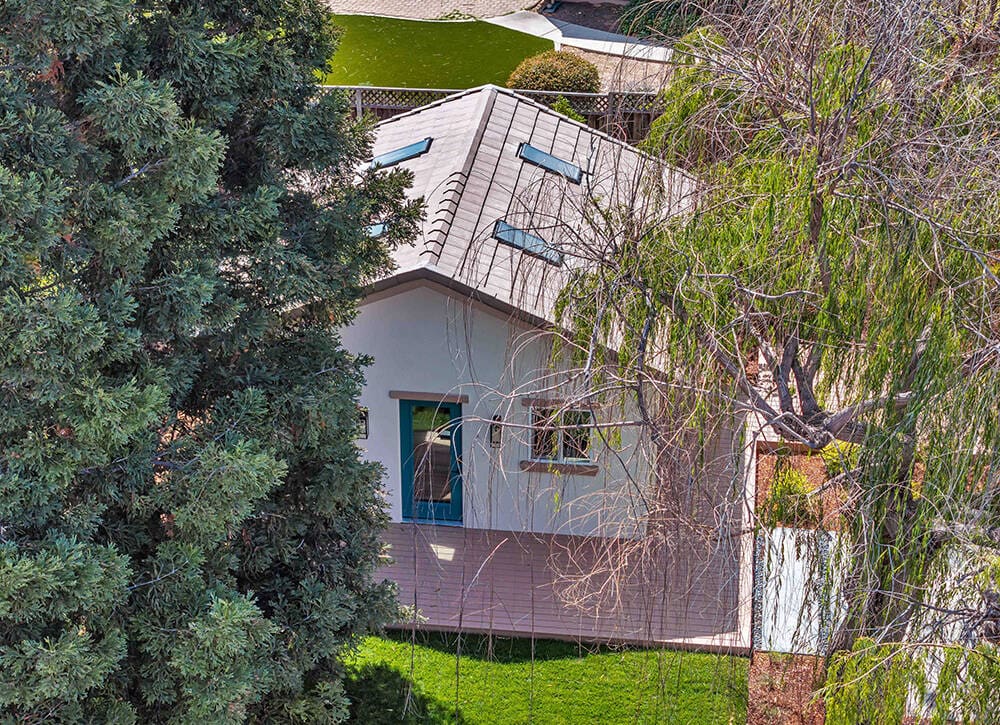

Adding a second story addition to our Santa Clara home felt risky until we signed with Lecut. They locked in our contract price before breaking ground, eliminating cost overruns. Their crew worked efficiently, completing structural framing ahead of schedule while keeping the job site spotless.


Our rotting porch in Palo Alto was unsafe, but Lecut completed a new composite deck building job in four days flat.
We had a great experience working with Lecut and Yari on our bathroom remodel. Yari was very responsive and easy to communicate with throughout the entire project, and Lecut did a great job with the installation and finishing work.
They were professional, reliable, and always willing to come back and take care of small details when needed. We're very happy with how everything turned out and really appreciate their hard work and attention to detail.

I had a consultation with Yari to discuss a potential home remodel. He spent a great deal of time understanding my goals, brainstorming different layout options, and explaining the pros and cons of each approach. I appreciated that he was thoughtful, patient, and transparent throughout the discussion. He followed up with a detailed summary of our meeting and a realistic preliminary estimate, which helped me make an informed decision. Although I ultimately decided not to move forward with a major remodel, I had a very positive experience working with him and would gladly recommend him to anyone looking for a knowledgeable and professional contractor.
LeCut will ensure you love your renewed home.
After beating out two other remodel bids, because of the team, vision, and value, Yari, Luis, and team transformed our outdated bathroom into a clean, usable, and comfortable space. Working with Yari was a great experience, since he personally ensured we were 100% satisfied with the results of the project. Communicating with the team was smooth and the team was clean and respectful with with the rest of our house. Prior to completing the project, Yari did a thorough inspection with us to identify issues with tile alignment and grout finish. Yari and Luis brought the team back to rework the fit and finish items quickly, leaving us completely happy with the space.

We needed a kitchen update and a complete bathroom renovation in a smaller home. They maximized the space without making it feel crowded. Cabinets, counters, and tile all look custom. Communication was clear from start to finish and there were no last-minute extras. The rooms feel new and well built.

We remodeled the kitchen and two bathrooms as part of a larger first-floor refresh. The kitchen now works for a family and the bathrooms feel like they belong in a nicer house. Attention to trim, grout, and hardware stood out. They stayed on schedule and the final walkthrough was thorough. Extremely pleased with the results.

Our master bathroom and kitchen were last remodeled in the 90s, so we finally hired LeCut. The walk-in shower, dual vanity, and new kitchen layout completely changed how we use the house. Our project manager was on site almost every day and handled the permits without us lifting a finger. Workmanship is excellent and they finished a week early. Couldn’t be happier with LeCut!!!
We couldn't be happier with our experience working with LeCut Construction. Yari, Luis and the whole team were great to work with throughout the process. They responded quickly to every question, concern or comment we had every step of the way. They completely remodeled both our bathrooms and we love how they both turned out.

Lecut Construction completed a full remodel of our kitchen and master bathroom plus beautification of our garage. Yari Bardugo presided over the operation with skill, attentiveness, and good humor. All structural work was totally robust – we could see the quality being built in. Work on the finish elements was where Yari really shined. He checked for our desired positioning of lights and switches and the height of grab bars. When we were uncertain, he offered helpful suggestions. Yari also orchestrated various resources within Lecut (electricians and tilers) and outside (asbestos removal and HVAC). If anything wasn’t perfect the first time, Yari helped us improve it. He came to visit nearly every day, and we enjoyed our conversations very much.
Related Articles
The Guide To Water-Efficient Landscaping And Permeable Hardscaping In San Jose
Deck Building Services in San Jose
Landscape and Hardscape Services in San Jose
Landscape and Hardscape Services in Los Altos
A Guide To Pool And Hardscape Integration
People Also Ask
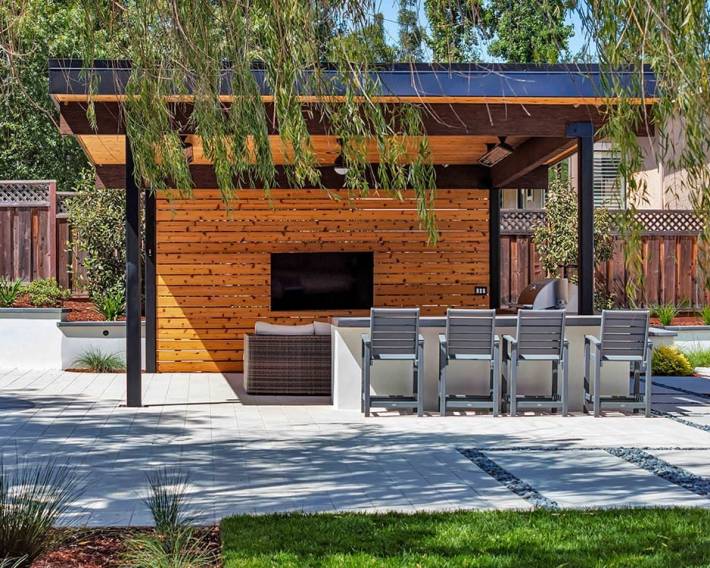
The main difference between landscape and hardscape lies in the materials used. Landscape refers to the living, organic elements of a yard, such as grass, trees, shrubs, flowers, and soil. Hardscape, on the other hand, involves the non-living, man-made structures like patios, walkways, retaining walls, driveways, and stone pathways. A well-designed outdoor space balances both elements to create function and beauty. For more detailed guidance on integrating these features in your area, we recommend reading our internal article titled Landscape and Hardscape Services in San Jose. At Lecut Construction, we often advise clients that a successful project blends softscape with durable hardscape to ensure long-term curb appeal and usability.
The Rule of 3 in landscaping is a design principle that suggests grouping plants, stones, or other elements in odd numbers, particularly three, for a more natural and visually appealing arrangement. This technique creates balance and harmony by avoiding the rigid look of even-numbered groupings. For example, placing three shrubs of varying heights or three boulders in a triangular pattern can draw the eye and establish a focal point. At Lecut Construction, we often apply this rule to enhance curb appeal and create dynamic outdoor spaces. It works well in garden beds, along pathways, or near entryways, as odd numbers feel organic and less symmetrical. This approach helps achieve a professional, cohesive landscape design that feels both intentional and effortless.
Hardscape refers to the solid, non-living elements of an outdoor design, such as concrete patios, brick walkways, retaining walls, stone fire pits, and outdoor kitchens. Softscape covers the living, horticultural components, including lawns, trees, shrubs, flowers, and ground cover. Landscape is the overarching term for the entire planned outdoor environment, combining both hardscape and softscape into a cohesive design. Professionals often plan hardscape first because it establishes the structural framework, drainage, and traffic flow, then layer softscape to soften lines and add seasonal color. For a deeper look at integrating these elements, see Saratoga Custom Hardscape And Landscape Remodeling Contractor: Your Complete Guide To Outdoor Transformations. Proper balance between durable hardscape and living softscape ensures lasting curb appeal and functionality.
An example of hardscape is a concrete patio, stone walkway, or brick retaining wall. Hardscape refers to the non-living, solid elements in a landscape design, such as pavers, gravel paths, or wooden decks. These features provide structure, define outdoor spaces, and improve drainage. For homeowners in San Jose, adding hardscape like a flagstone pathway or a stamped concrete driveway can increase property value and reduce maintenance. If you are considering a project that blends privacy with durable materials, our internal article titled 'Is a Glass Block Wall Right for Your San Jose Remodel? Yes — Here’s How It Adds Privacy, Light, and Value' at Is a Glass Block Wall Right for Your San Jose Remodel? Yes — Here’s How It Adds Privacy, Light, and Value offers excellent guidance on integrating hardscape with functional design. Lecut Construction recommends consulting a professional to ensure proper installation and material selection for your specific yard conditions.
When comparing hardscape and landscape, it is important to understand their distinct roles in property design. Hardscape refers to the solid, non-living elements such as patios, walkways, retaining walls, and driveways, typically made from concrete, stone, or brick. Landscape, on the other hand, involves the living components like grass, plants, trees, and soil. A well-designed property balances both elements to create functional outdoor spaces while managing water runoff effectively. For homeowners in San Jose, integrating permeable hardscaping can help reduce water waste and comply with local regulations. For a deeper understanding of how to blend these features sustainably, please refer to our internal article titled The Guide To Water-Efficient Landscaping And Permeable Hardscaping In San Jose.
For homeowners in San Jose, Santa Clara, and Sunnyvale, integrating landscape and hardscape design requires balancing aesthetics with local water regulations. A successful plan typically combines drought-tolerant plants with functional hardscape elements like patios, walkways, or retaining walls. The key is to ensure proper drainage and use permeable materials to reduce runoff. Lecut Construction recommends focusing on cohesive flow between softscape and hardscape to maximize your outdoor living space. For detailed strategies on creating a sustainable and beautiful yard that meets local codes, please refer to our internal article titled The Guide To Water-Efficient Landscaping And Permeable Hardscaping In San Jose. This guide covers essential techniques for water conservation and material selection specific to our region.
In architecture, the distinction between softscape and hardscape defines the functional and aesthetic balance of a property. Hardscape refers to the solid, inanimate elements like concrete patios, stone walkways, retaining walls, and driveways. Softscape encompasses the living components such as soil, grass, trees, shrubs, and flowers. A successful design integrates both to create visual harmony and practical outdoor living spaces. For professional guidance on blending these elements effectively, you can refer to our internal article titled Landscape and Hardscape Services in San Jose. Lecut Construction emphasizes that proper drainage and material selection for hardscape must complement the irrigation and plant health of the softscape to ensure long-term durability and curb appeal.