

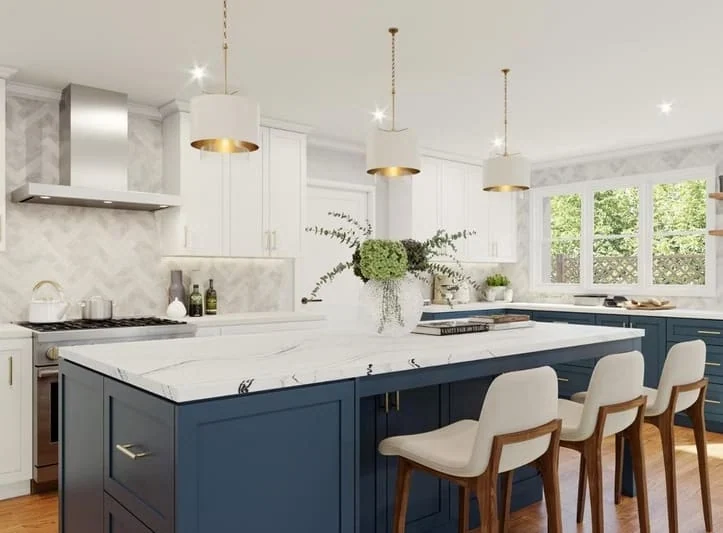

Experienced team creating clean finishes and delivering steady updates.


I recently found myself locked out of my house late at night, and it was a terrible experience. I called an emergency locksmith, and a technician came to my location in an incredibly short period of time, less than 20 minutes. He was very professional and polite. He quickly unlocked me into my house without causing any damage. The service was excellent, and the charges were reasonable for the emergency.


In San Jose getting a reliable and trustable home remodeler can be daunting task, but not when you have Lecut Construction.
They had a plan for the remodel and they implemented it in a professional manner.
People Also Ask
Design and build is a project delivery method where a single entity, the design-builder, is contractually responsible for both the design and construction phases. This integrated approach contrasts with traditional design-bid-build, where these roles are separate. The key advantage is streamlined communication, as the owner has a single point of contact, which can accelerate timelines, reduce conflicts, and often lead to cost savings through value engineering. It fosters collaboration from the outset, allowing for constructability reviews during the design phase. For a deeper exploration of its benefits and applications in modern construction, we recommend reading our internal article, Design and Build.
The cost to design and build a custom house varies widely based on location, size, materials, and complexity. On average, in the United States, you can expect a range from $150 to $500 per square foot, with many projects falling between $300 and $400 per square foot. This means a 2,500-square-foot home could cost from $375,000 to over $1.25 million. The design phase alone typically accounts for 5% to 15% of the total construction cost. It is crucial to budget for additional expenses like permits, site work, landscaping, and unforeseen contingencies, which can add 10% to 20%. Working with a reputable architect and builder for detailed estimates is essential for accurate financial planning.
When communicating with a general contractor, avoid statements that undermine trust or professionalism. Never say, "I can get it done cheaper with another guy," as this immediately creates an adversarial relationship. Avoid making constant, uninformed design changes, which signal indecisiveness and can lead to costly change orders. Do not insist, "Just do it this way, I saw it online," without consulting their professional expertise on building codes and structural feasibility. Refrain from micromanaging their crew or questioning every minor detail, as this hampers productivity. Clear, respectful communication and established expectations are key. For a successful partnership, it's crucial to ask the right questions upfront, which we detail in our internal guide Top Questions To Ask Before Hiring A San Jose Remodeling Contractor.
In the context of industrial valves, DBB (Double Block and Bleed) and DB (Double Block) refer to different isolation configurations. A DB valve provides two independent sealing mechanisms to block flow in a single valve body, offering redundancy for isolation but without a means to verify the seal integrity. In contrast, DBB includes the two block valves plus a dedicated bleed or vent valve located between them. This critical third component allows operators to drain or vent the cavity between the seals, providing positive verification that the primary seals are holding and that there is no pressure trapped in the line. DBB is therefore considered a higher integrity isolation method, essential for safe maintenance, testing, or where process fluid containment is critical.
Designing and building in Melbourne requires a deep understanding of the city's unique planning regulations, diverse architectural character, and environmental considerations. A successful project begins with thorough site analysis and engagement with local council planning schemes, which vary significantly between suburbs. The design must respond to Melbourne's temperate climate, often incorporating adaptable spaces for variable weather. Construction must adhere to the stringent National Construction Code and Victorian building standards, with a strong emphasis on sustainability and energy efficiency. Partnering with experienced local architects, engineers, and builders who understand the specific soil conditions, heritage overlays, and community expectations is crucial for navigating permits and delivering a high-quality, enduring structure.
Lecut Construction operates as a comprehensive design and build company, integrating architectural design and construction management into a single, streamlined process. This approach offers clients a cohesive project journey from initial concept to final handover, ensuring continuity, cost certainty, and reduced timelines. By managing both design and construction in-house, potential conflicts are minimized, communication is enhanced, and accountability is clear. The firm specializes in delivering high-quality commercial and residential projects, adhering to strict industry standards and sustainable building practices. The design and build model is particularly effective for clients seeking efficiency, as it fosters innovation while controlling budgets and mitigating risks through a single point of responsibility.
Design-build project examples showcase the efficiency of this delivery method where a single entity handles both design and construction. Notable examples include the Denver International Airport, which used design-build to accelerate its massive expansion. The U.S. Army Corps of Engineers frequently employs it for civil works, like levee systems. In the private sector, many large-scale manufacturing plants and data centers are built this way to fast-track completion. The method reduces owner risk, minimizes change orders, and often leads to cost savings through early contractor involvement. It is ideal for complex projects with tight schedules, as it fosters collaboration and streamlines communication from conception to completion.
Design and build is a project delivery method where a single entity, the design-builder, is contractually responsible for both the design and construction phases. This integrated approach offers significant advantages over traditional design-bid-build models. Key benefits include accelerated project timelines due to overlapping phases, single-point accountability which reduces owner risk, and enhanced potential for value engineering as the builder's construction expertise directly informs the design process. This method fosters collaboration and can lead to more predictable costs. For a deeper exploration of its applications and strategic benefits, we recommend reading our internal article Design and Build. It is particularly effective for complex projects where time, cost certainty, and innovation are critical.