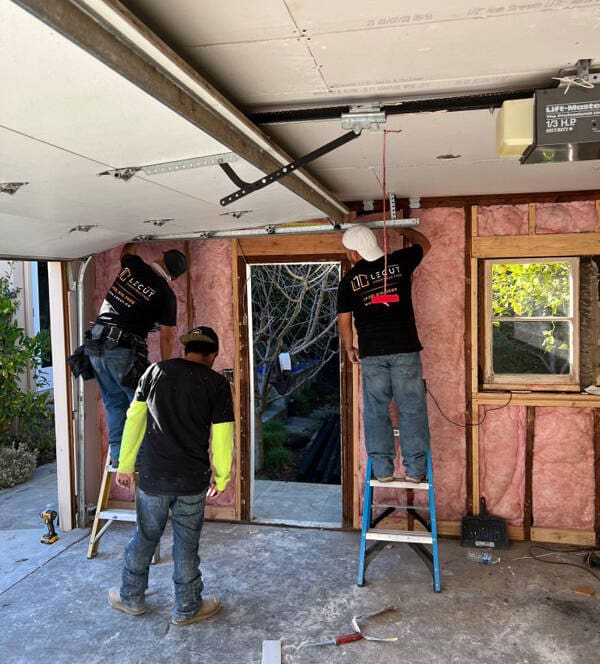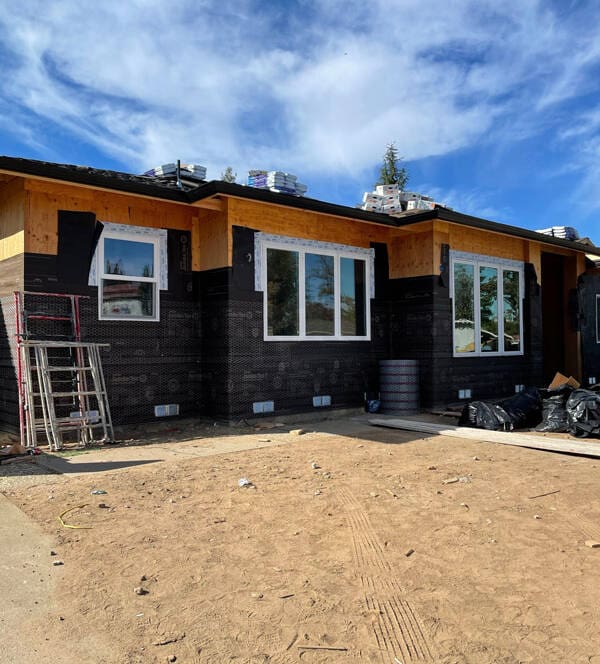

Silicon Valley real estate is among the most expensive in the nation, and remodeling here carries unique risks and rewards. San Jose’s strict building codes, high labor costs, and competitive housing market mean the wrong contractor can cost you tens of thousands of dollars in rework, delays, or lost equity. The right contractor, however, can deliver a renovation that improves your daily life and strengthens your long-term financial position.
This guide gives you a comprehensive interview framework—organized by project phase—so you can hire with confidence. It also highlights the 2026 regulatory changes every San Jose homeowner must understand before breaking ground.
Table of Contents
1. Before You Pick Up the Phone: Define Your Own Project
The most expensive mistake homeowners make is calling contractors before they know what they want. Clarity at this stage prevents scope creep, budget blowouts, and emotional decisions that do not serve your long-term goals.
1.1 Clarify Your “Why”
Write down the primary reason for your remodel. Is it to solve a daily frustration (limited storage, dysfunctional layout), to prepare for sale, or to create a long-term family home? Your answer determines scope, budget, and the type of contractor you need.
-
Selling within 2 years: Focus on high-ROI updates that align with buyer expectations. In San Jose, kitchen and bathroom remodels typically return 70–80% of their cost, while garage door replacement can return up to 194%.
-
Staying 5+ years: Prioritize livability, energy efficiency, and future-proofing (aging-in-place features, home-office infrastructure). Do not over-improve beyond neighborhood norms.
-
Rental or multi-generational: Consider an ADU. Under AB 976 (effective January 1, 2026), owner-occupancy requirements are permanently eliminated, meaning you can rent both the main house and the ADU.
1.2 Establish a Realistic Budget Range
San Jose remodeling costs in 2026 are higher than national averages due to labor shortages, material logistics, and local code complexity.
| Project Type | Low-End (USD) | Mid-Range (USD) | High-End (USD) | Typical Cost per Sq. Ft. |
|---|---|---|---|---|
| Bathroom Remodel | 15,000 – 25,000 | 28,000 – 48,000 | 50,000 – 90,000+ | 300 – 600 |
| Kitchen Remodel | 30,000 – 45,000 | 60,000 – 80,000 | 100,000 – 150,000+ | 250 – 500 |
| Whole-Home Remodel | 100,000 – 150,000 | 200,000 – 300,000 | 400,000 – 750,000+ | 350 – 550 |
| Home Addition (300-500 sq. ft.) | 150,000 – 200,000 | 250,000 – 350,000 | 400,000+ | 400 – 700 |
| Detached ADU (under 1,000 sq. ft.) | 150,000 – 200,000 | 200,000 – 300,000 | 350,000+ | 300 – 500 |
Sources: Cost data aggregated from multiple San Jose contractor estimates, 2026.
Budget Rule of Thumb: The 30% rule suggests your renovation budget should not exceed 30% of your home’s current market value to avoid over-improvement. For example, on a 1,500,000 USD home, keep your total remodel under 450,000 USD.
Always add a 15–20% contingency fund for unforeseen conditions (dry rot, outdated wiring, structural surprises). In San Jose, the average remodel encounters at least one structural surprise.
2. Phase 1: Phone Screening (10 Questions to Ask Before an In-Person Visit)
Use this initial call to eliminate unqualified contractors before investing time in site visits.
2.1 Licensing, Insurance, and Bonding
Q1: Are you licensed by the California Contractors State License Board (CSLB)? What is your license number?
Every contractor performing work valued over 500 USD in California must hold a valid CSLB license. Verify the number at cslb.ca.gov. Check for active status, complaint history, and license classification (a “B” General Building license is standard for major remodels).
-
A valid license means the contractor has passed trade and law exams and meets ongoing education requirements.
-
If a contractor hesitates to provide their license number, end the call.
Q2: Are you bonded and insured? What are your coverage limits?
-
General Liability Insurance: Covers property damage caused by the contractor. Minimum 1,000,000 USD is standard.
-
Workers’ Compensation Insurance: Covers worker injuries on your property. If a contractor does not carry it, you could be liable for injuries.
-
Bond: Protects you if the contractor fails to complete the job or pay subcontractors. The CSLB requires a 25,000 USD bond for licensed contractors.
Ask for certificates of insurance and call the carrier to verify coverage is active.
Q3: How long have you been operating in the Bay Area? How many projects like mine have you completed in San Jose specifically?
Longevity signals stability. Local experience means familiarity with San Jose’s permitting office, soil conditions (expansive clay), seismic requirements, and termite risks.
-
A contractor who primarily works in Morgan Hill may not understand the permitting nuances of San Jose’s Planning Division.
-
Ask: “Can you name three recent projects in my zip code?”
Q4: What percentage of your work is self-performed versus subcontracted? How long have you worked with your core subcontractors?
-
Self-performing contractors have more quality control. Heavy reliance on subcontractors can introduce scheduling and accountability gaps.
-
Long-term subcontractor relationships signal reliability and consistent pricing.
-
Ask: “Who exactly will be on my job site each day? Are they your employees or subcontractors?”
Q5: How many projects are you currently managing? What is your typical lead time to start a new project?
A contractor running 10 simultaneous projects may struggle to give yours adequate attention. In San Jose’s competitive market, top contractors often book 2–4 months out. Beware of anyone who can start immediately—it may indicate a lack of work.
Q6: Can you provide references from projects completed in the last 12 months?
-
Ask for references from projects similar in scope and value to yours.
-
When calling references, use the structured list in Section 6 below.
Q7: Do you handle the permit process, or will I be responsible for pulling permits?
Reputable contractors pull permits on your behalf. Unpermitted work can kill a home sale, create safety hazards, and void your homeowner’s insurance. If a contractor suggests skipping permits “to save time and money,” walk away.
Q8: Are you familiar with the 2025 California Building Standards Code (Title 24) that took effect January 1, 2026?
Starting January 1, 2026, all new permit applications in San Jose must comply with the updated 2025 California Building Standards Code (Title 24). This includes stricter energy efficiency standards, solar requirements for certain projects, and new seismic anchoring rules. A contractor who cannot explain these changes is not current.
Q9: Do you carry any professional certifications or memberships (NAHB, NARI, NKBA)?
Certifications are not required, but they indicate a commitment to ongoing education and industry standards.
Q10: What is your communication process? Who will be my primary point of contact, and how often will I receive updates?
-
Will you communicate via text, email, phone, or a project management app?
-
Will there be weekly on-site meetings?
-
If the answer is vague, expect communication problems later.
3. Phase 2: The In-Person Consultation (15 Questions to Ask On-Site)
Once a contractor passes the phone screen, invite them to walk through your home. Pay attention to whether they ask questions about your lifestyle and listen to your answers.
3.1 Project Management and Team Structure
Q11: Who will manage my project day-to-day? Will that person be on-site every day?
Some contractors assign a dedicated project manager; others have the lead carpenter double as the site supervisor. Clarify who makes decisions when you are not there and how reachable they will be.
Q12: What are your working hours? How do you protect my property, furniture, and landscaping?
-
Standard construction hours in San Jose residential zones are typically 7:00 AM to 6:00 PM, Monday through Friday, though local noise ordinances may restrict start times.
-
Ask about floor protection, dust containment (plastic zip walls), and daily cleanup protocols.
Q13: How do you secure the job site overnight and on weekends?
-
Are tools and materials locked up?
-
Is the site fenced or otherwise secured, especially if you are living in the home?
Q14: If I am living in the home during construction, how do you minimize disruption to my family and pets?
-
Discuss temporary kitchen setups, bathroom access, and designated dust-free zones.
-
For whole-home remodels, moving out is usually faster, safer, and less stressful.
3.2 Design, Permits, and San Jose-Specific Requirements
Q15: Do you provide design services in-house, or do I need to hire a separate architect or designer?
-
Design-build firms handle both design and construction under one roof, which streamlines communication and accountability. LeCut Construction, for example, is a family-owned design-build firm serving the San Francisco Bay Area, specializing in kitchen and bathroom remodeling, whole-home renovations, and custom home additions—all executed with meticulous workmanship and outstanding customer service.
-
If using separate designers, clarify who is responsible if there is a discrepancy between the design and what is built.
Q16: What is your permit process from start to finish? How long does permitting typically take in San Jose right now?
As of 2026, San Jose plan review timelines vary:
| Permit Type | Typical Review Time | Notes |
|---|---|---|
| Simple electrical/plumbing (online) | 1–2 weeks | Via SJPermits.org |
| Kitchen/bath remodel (standard plan review) | 4–8 weeks | May be longer during high-volume periods |
| Major remodel with structural changes | 8–12 weeks | Includes engineering review |
| New construction/second-story addition | 10–18 weeks | Full plan check required |
| ADU (state-mandated timeline) | 8–14 weeks | California law requires review within 60 days |
Sources: City of San José permit timelines, 2026.
The City of San José advises adding 2–3 weeks to average review times due to high application volume and staff vacancies.
Q17: What specific San Jose building code requirements could affect my project?
-
Seismic Retrofitting: Homes built before the 1990s often require structural upgrades when undergoing major remodels.
-
Title 24 Energy Compliance: New lighting, insulation, and HVAC work must meet updated energy standards.
-
Seismic Anchoring for Bathrooms: Starting January 1, 2026, San Jose mandates a seismic assessment for bathroom projects that add significant weight (e.g., natural stone tile).
-
Expansive Clay Soil: Many San Jose neighborhoods sit on expansive clay, which can shift and affect foundations.
-
Termite Inspection: Any contractor who does not automatically check for termite damage during a remodel is not doing their job.
Q18: What happens if the inspector requires changes or fails our inspection?
-
Who handles re-inspection fees?
-
How quickly are corrections made?
3.3 Budget, Contract, and Payment Terms
Q19: Is your estimate fixed-price or cost-plus? What is included, and what is NOT included?
-
Fixed-price: You know the total cost upfront. Change orders are priced separately.
-
Cost-plus: You pay actual costs plus a contractor fee (typically 15–25%). This offers transparency but can lead to budget overruns.
Ask what is excluded: appliances, lighting fixtures, permit fees, debris removal, or finish materials beyond allowances.
Q20: Can you provide a line-item breakdown of your estimate?
A lump-sum number without detail is a red flag. The estimate should separate:
-
Labor
-
Materials (with brand and model numbers where specified)
-
Subcontractor costs
-
Permit fees
-
Design/engineering fees
-
Contingency allocation
Q21: What is your payment schedule? Do you require a deposit, and if so, how much?
California law limits the down payment to the lesser of 1,000 USD or 10% of the contract price. Never pay in cash. Payment should be tied to completed milestones, not calendar dates.
Q22: How do you handle change orders? What is the process, and how are they priced?
-
Change orders should be written, signed by both parties, and include the cost and timeline impact before work proceeds.
-
Ask: “Do you mark up change orders? If so, by what percentage?”
Q23: What cost categories are most likely to fluctuate due to supply chain issues, and how do you mitigate those risks?
In 2026, material volatility remains a concern, especially for:
-
Lumber and engineered wood products
-
Imported tile and stone
-
Custom cabinetry (lead times can stretch to 12–16 weeks)
-
Appliances (chip shortages still affect availability)
A good contractor pre-orders long-lead items early and builds material allowances with realistic ranges.
Q24: What happens if the project goes over budget due to unforeseen conditions?
-
Does the contractor absorb any portion of the overage?
-
How is your contingency fund accessed? Do you approve every dollar spent from it?
Q25: Do you offer a warranty on workmanship and materials? What is the duration and what does it cover?
-
California law requires a one-year warranty on workmanship for new construction and remodels.
-
Many reputable contractors offer extended warranties (2–5 years on workmanship; manufacturer warranties on materials and appliances).
-
Get warranty terms in writing.
4. Phase 3: Red Flags and Vetting (10 Warning Signs)
During your interactions, watch for these red flags that signal a contractor may not be trustworthy.
-
Demands full payment upfront or asks for cash only. This violates California law and often precedes abandonment.
-
Cannot or will not provide a valid CSLB license number. This is non-negotiable.
-
No physical business address or uses only a P.O. box.
-
Pressures you to sign a contract immediately with “today-only” pricing.
-
Provides a vague estimate without scope details, material specifications, or allowances.
-
Refuses to provide references or portfolio examples of local work.
-
Suggests skipping permits “to save time and money.” This exposes you to liability, code violations, and resale problems.
-
Poor communication from the start: late to meetings, does not return calls or emails promptly, gives inconsistent answers.
-
Significantly lower bid than competitors. This often means inferior materials, unlicensed labor, or intentionally lowballing with plans to make up the difference through change orders.
-
Cannot explain the new 2026 Title 24 requirements or San Jose’s permitting process. A contractor who is not current on local codes is a liability.
5. Phase 4: Comparing Multiple Bids (How to Evaluate Apples to Apples)
Get at least three detailed bids. Comparing only the bottom-line number is the most common homeowner mistake. Use this framework:
| Comparison Factor | Contractor A | Contractor B | Contractor C |
|---|---|---|---|
| License Verified (CSLB) | Yes / No | Yes / No | Yes / No |
| Insurance & Bond Confirmed | Yes / No | Yes / No | Yes / No |
| Years in San Jose | |||
| Similar Projects Completed | |||
| Fixed-Price or Cost-Plus | |||
| Scope of Work Detail Level | Detailed / Vague | Detailed / Vague | Detailed / Vague |
| Material Allowances Realistic? | Yes / No | Yes / No | Yes / No |
| Permits Included? | Yes / No | Yes / No | Yes / No |
| Payment Schedule CSLB-Compliant? | Yes / No | Yes / No | Yes / No |
| Change Order Process Defined? | Yes / No | Yes / No | Yes / No |
| Timeline (Start to Completion) | |||
| Warranty Terms | |||
| References Checked (3+) | |||
| Communication Fit | Good / Poor | Good / Poor | Good / Poor |
The best bid is not the cheapest—it is the clearest, most comprehensive, and from the contractor who communicates most professionally.
6. Phase 5: Reference Check Script (5 Questions to Ask Past Clients)
When speaking with a contractor’s references, ask these specific questions:
-
Was the project completed on time and on budget? If not, what caused the overruns, and how was it handled?
-
Were there unexpected costs? How were they communicated and resolved?
-
How was communication throughout the process? Were you informed of schedule changes, delays, or decisions promptly?
-
Was the crew professional, punctual, and respectful of your property? Would you feel comfortable leaving them alone in your home?
-
Would you hire this contractor again? If there is any hesitation, ask why.
Patterns matter. One mixed reference may be an anomaly. Two or more negative references with similar complaints is a deal-breaker.
7. The 2026 San Jose Remodeling Landscape: What Has Changed
Homeowners in 2026 face a regulatory and economic environment that is materially different from even two years ago. Here is what you need to know:
7.1 Updated Building Codes (Title 24, 2025 Edition)
All permit applications filed on or after January 1, 2026 must comply with the 2025 California Building Standards Code. Key impacts:
-
Stricter energy efficiency standards for lighting, insulation, windows, and HVAC systems.
-
Solar-ready requirements for certain new construction and major additions.
-
Enhanced seismic safety provisions, particularly for multi-story homes and projects adding significant structural weight.
7.2 ADU Rules Liberalized
-
Owner-occupancy requirements permanently eliminated under AB 976 (effective January 1, 2026).
-
Most new detached ADUs must include solar panels and meet strict Title 24 energy standards.
-
San Jose now permits two-story detached ADUs up to 25 feet in height in specific residential zones.
-
ADU permit fees typically range from 4,000 to 9,500 USD, lower than comparable room additions.
7.3 Permitting Realities
-
Cosmetic-only updates (painting, cabinet door replacement, countertop replacement without moving utilities) do not require a permit.
-
Any work involving electrical, plumbing, mechanical, or structural changes requires a permit.
-
The San José BuildSafe seismic assessment mandate for bathroom projects took effect January 1, 2026.
7.4 Market and Cost Context
-
San Jose labor costs remain elevated due to the high cost of living and persistent skilled-trade shortages.
-
Material lead times for custom items (cabinetry, specialty tile, imported fixtures) can extend project timelines by 4–12 weeks.
-
Kitchen remodels in San Jose typically start at 75,000 USD, with high-end projects in neighborhoods like Willow Glen often exceeding 130,000 USD.
-
Strategic renovations in strong San Jose neighborhoods can drive 15–20% gains in home value.
8. Working with LeCut Construction: What to Expect
LeCut Construction is a family-owned and operated design-build contracting firm based in the San Francisco Bay Area. We specialize in kitchen and bathroom remodeling, whole-home renovations, and custom home additions, all executed with meticulous workmanship and outstanding customer service.
Our core values are quality, integrity, accountability, and respect. From initial design to final walkthrough, we prioritize clear communication and attention to detail.
What sets us apart:
-
Design-Build Integration: We handle design, permitting, and construction under one roof, eliminating finger-pointing between architects and contractors.
-
Fixed-Price Contracts: We provide detailed, transparent proposals so you know exactly what your project will cost before we begin.
-
Local Expertise: We have completed projects across San Francisco, Oakland, San Jose, and throughout the Bay Area, giving us deep familiarity with the permit processes in San Jose, Campbell, Sunnyvale, Los Gatos, Cupertino, and Santa Clara.
-
Referral-Based Reputation: The majority of our business comes from client referrals—proof of our reliability and satisfaction record.
-
Fully Licensed and Insured: We encourage every client to verify our credentials through the CSLB.
Because we believe an informed homeowner makes better decisions, we welcome your questions. In fact, we have prepared answers to the most common ones:
-
How long will my remodel take? A bathroom typically takes 6–8 weeks, a kitchen 10–12 weeks, and a full home remodel 4–6 months or more, depending on scope, permit timelines, and material availability. We provide a detailed schedule and keep you updated throughout.
-
Should I stay in my home during construction? For single-room remodels, many clients stay with temporary setups. For whole-home renovations or major additions, moving out is usually more efficient and less stressful.
-
How do you handle disagreements or unexpected issues? Communication first, always. We reference the contract and change order process. We have built our reputation on transparency and responsiveness.
-
What is your warranty? We stand behind our work with a comprehensive workmanship warranty and facilitate all manufacturer warranties on materials and appliances.
Schedule your free design consultation today and experience the LeCut difference—where craftsmanship, communication, and integrity come together to transform your home.
9. Quick-Reference Checklist: Downloadable Question List
Use this checklist during contractor interviews. Check off each item as it is addressed.
Pre-Screening (Phone)
-
CSLB license number provided and verified
-
General liability insurance confirmed (minimum 1,000,000 USD)
-
Workers’ compensation insurance confirmed
-
Bond confirmed
-
Years operating in Bay Area: _____
-
Number of similar San Jose projects completed: _____
-
Subcontractor vs. in-house crew clarified
-
Current project load and lead time: _____
-
References provided (3+ from last 12 months)
-
Permit process explained (they handle it)
-
Familiar with 2026 Title 24 changes
-
Communication plan defined
On-Site Consultation
-
Day-to-day project manager identified
-
Working hours and site protection plan discussed
-
Design services scope clarified
-
Permit timeline estimated
-
San Jose-specific code requirements addressed (seismic, Title 24, termites)
-
Inspection and re-inspection process explained
-
Contract type: Fixed-price / Cost-plus (circle one)
-
Line-item estimate provided
-
Payment schedule CSLB-compliant (max 10% or 1,000 USD down)
-
Change order process documented
-
Material allowance and supply chain mitigation strategy discussed
-
Contingency fund access process defined
-
Warranty terms written and clear
Post-Interview
-
License re-verified online at cslb.ca.gov
-
Insurance certificates called in for verification
-
References contacted (minimum 3)
-
BBB and Yelp/Google review patterns checked
-
Bids compared using apples-to-apples framework
*This guide incorporates 2026 regulatory requirements, current market data, and best practices from San Jose building professionals. Always verify contractor credentials independently through the CSLB (cslb.ca.gov) and consult with licensed professionals for project-specific advice.*
Related Articles
San Jose Whole Home Remodeling Contractor | Local Renovation Experts
The Complete Guide To Home Remodeling Contracts And Legal Protections In San Jose
How To Choose The Right General Contractor In San Jose
The Ultimate Guide To Kitchen Workflow And The Triangle Theory
People Also Ask
The 30% rule is a financial guideline suggesting that homeowners should not spend more than 30% of their home's current value on a single renovation project. This principle helps ensure that your investment does not exceed the potential return when selling the property. For example, if your home is valued at $500,000, you would cap a major kitchen or bathroom remodel at $150,000. While this rule provides a useful benchmark, it is not a strict law. Local market conditions and the specific scope of your project matter greatly. For homeowners in San Jose, we recommend reviewing our internal article titled 'The Ultimate Pre-Remodeling Checklist For San Jose Homeowners' at The Ultimate Pre-Remodeling Checklist For San Jose Homeowners to align your budget with local real estate trends.
Before hiring any contractor, you should ask about their licensing, insurance, and bonding to ensure you are protected. Inquire about their experience with projects similar to yours and request a detailed, written estimate that includes material costs, labor, and a timeline. Ask how they handle unexpected issues, such as structural problems or permit delays. It is also wise to request references from recent clients and to clarify the payment schedule, avoiding large upfront payments. For local expertise, you can review the guidance in our internal article titled San Jose Whole Home Remodeling Contractor | Local Renovation Experts. Lecut Construction emphasizes the importance of clear communication and a signed contract that outlines every detail before work begins.
When hiring a contractor, key red flags include demanding full payment upfront, lacking proper licensing or insurance, and refusing to provide a written contract. A vague or incomplete bid is also a warning sign, as it often leads to unexpected costs. Be cautious of contractors who pressure you for an immediate decision or ask you to pull permits yourself, as this shifts liability to you. To avoid costly errors, especially on foundation work, refer to our internal article Home Addition Foundations: How to Guarantee a Solid, Code-Compliant Start and Avoid a 30,000 Dollar Mistake for critical guidance. Always verify references and check for unresolved complaints with local consumer agencies. A trustworthy professional, like those at Lecut Construction, will provide clear documentation and transparent communication.
The most common contractor mistake is failing to secure the proper permits and skipping essential inspections. This oversight often leads to structural issues, safety hazards, and costly legal penalties. For example, in deck construction, many contractors neglect to verify local building codes for load-bearing requirements. To avoid such pitfalls, homeowners should always verify a contractor's license and insurance. For San Jose residents, we recommend reviewing our internal article titled Avoiding Common Deck Building Mistakes In San Jose to understand critical errors. Lecut Construction emphasizes that a reputable contractor will always prioritize compliance and transparent communication from the project's start.
When hiring a general contractor, always verify their license, insurance, and bond status to ensure legal compliance. Check references and online reviews to confirm a history of quality work. Get at least three detailed bids to compare scope and pricing, not just the bottom line. A written contract is essential; it must include a payment schedule, project timeline, material specifications, and a clear change order process. For more detailed guidance, please read our internal article The Complete Guide To Home Remodeling Contracts And Legal Protections In San Jose. Lecut Construction emphasizes that a transparent contract protects both parties and sets clear expectations for a successful project.
When building a home, it is essential to ask your contractor about their licensing, insurance, and bonding to ensure they meet California’s legal requirements. Inquire about their experience with projects similar to yours and request a detailed timeline, including milestones for each phase. Clarify the payment schedule, ensuring it is tied to completed work rather than upfront lump sums. Ask how they handle change orders, as these can significantly impact your budget and schedule. Discuss warranties for both materials and workmanship, and confirm who will manage permits and inspections. For a thorough understanding of your rights and obligations, we recommend reviewing our internal article titled The Complete Guide To Home Remodeling Contracts And Legal Protections In San Jose. This resource provides critical guidance on contracts and legal protections specific to San Jose.
When hiring a contractor for your project, asking the right questions protects your investment and ensures clear communication. Always start by verifying their license and insurance, including workers' compensation and general liability coverage. Ask for a detailed written estimate that breaks down material and labor costs, not just a lump sum. Inquire about the project timeline, including start and completion dates, as well as who will be the primary point of contact on the job site. It is also wise to ask how they handle unexpected issues or change orders. For comprehensive guidance on this topic, you should review our internal article titled The Complete Guide To Home Remodeling Contracts And Legal Protections In San Jose. This resource covers all the critical legal protections and questions you need to ask before signing any agreement.