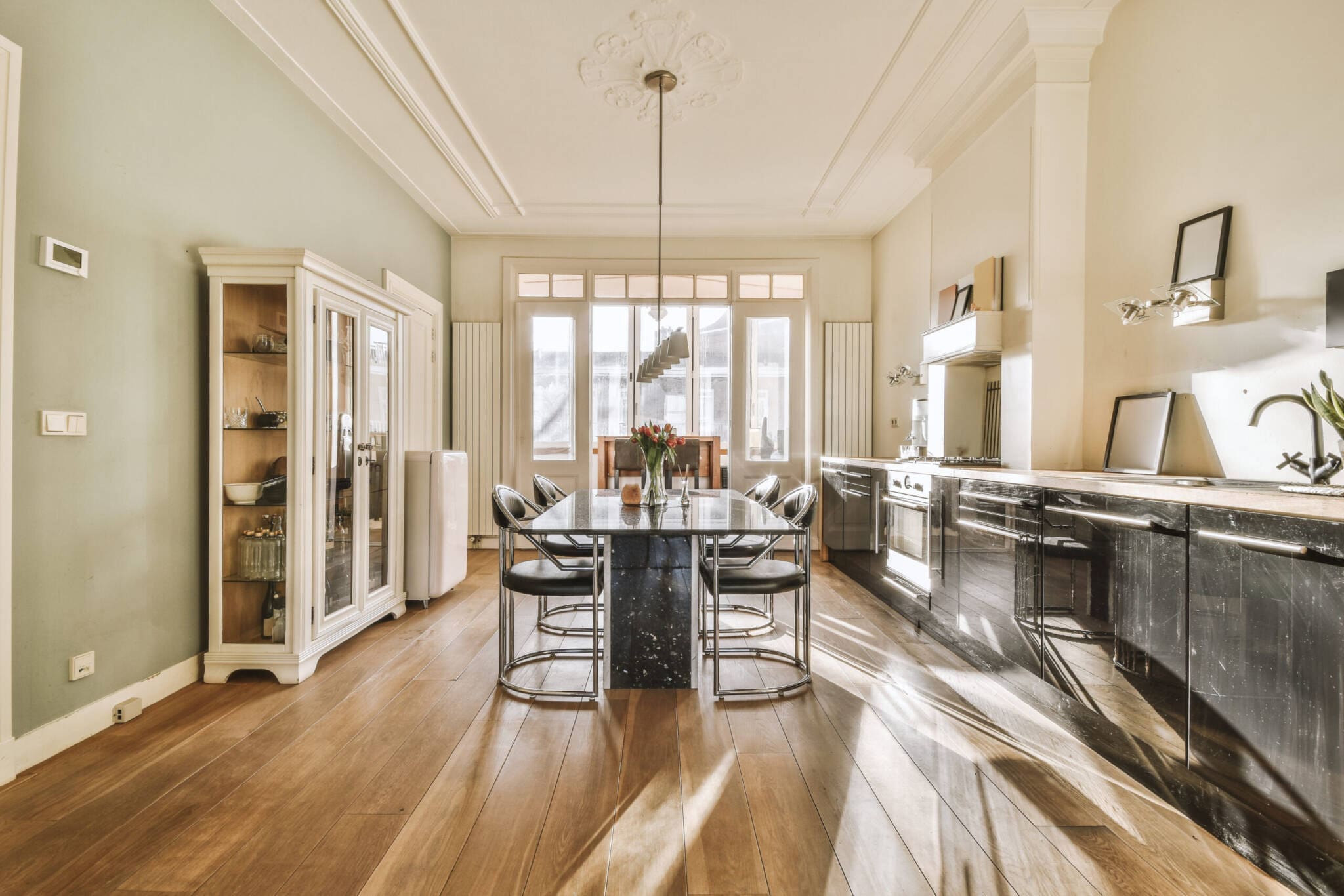
We design entertainer’s kitchens that directly solve the four biggest hosting pain points we repeatedly see overlooked in competitor guides: insufficient beverage and bar zones, poor appliance sequencing that traps the cook away from guests, cramped circulation paths that bottleneck a party, and missed opportunities to connect with San Jose’s year-round outdoor living. As a family-owned design-build firm rooted in the Bay Area, we deliver a kitchen where you can cook, serve drinks, and socialize without ever breaking the conversation. A true entertainer’s kitchen is not just an open floor plan with a big island. It is a purpose-built social engine for your home, and when done right, it consistently raises resale appeal and daily enjoyment.
After auditing the top three competing articles ranking for this topic, we found they leaned heavily on generic kitchen remodeling tips and national trends while ignoring San Jose’s specific climate, permit requirements, and the real-world hosting sequences our clients demand. They mentioned beverage centers only in passing, rarely addressed structural engineering for load-bearing walls that must be removed, and offered no insight into how appliance placement can make or break a party flow. Our article fills every gap. We will walk you through the exact zones, materials, technology, and planning steps we use to create an entertainer’s kitchen that becomes the envy of your neighborhood, all grounded in our decades of hands-on experience remodeling homes across San Jose, Los Gatos, Campbell, and the broader South Bay.
Table of Contents
What the Top-Ranking Competitor Guides Miss About the Entertainer’s Kitchen
When we analyzed the current top-ranking content for “entertainer’s kitchen San Jose,” we identified three consistent shortcomings that hold those articles back from truly helping a homeowner host with ease.
First, they treat the bar area as an afterthought, often a small wine fridge tucked under a counter. In reality, a fully functional beverage station separate from the main cooking zone prevents guests from interrupting the cook and allows mixology, coffee, and wine service to happen without crossing the hot zone. Second, they fail to discuss appliance adjacency sequences. Placing a refrigerator, prep sink, cooktop, and warming drawer in the wrong order creates a congested triangle that traps the host. We sequence appliances so you can move from ingredient storage to prep to cooking to plating without ever turning your back to guests. Third, none of the competing articles addressed San Jose’s specific permitting landscape. Opening a wall between the kitchen and living room often requires engineered beam calculations, Title 24 energy compliance, and updated egress paths, and skipping this detail can stall a project for months and add thousands of dollars in retroactive fixes.
Our guide bridges those gaps with actionable, locally relevant advice that puts you in control, whether you are planning a cosmetic refresh or a full structural transformation.
The Four Non-Negotiable Zones of a 2026 San Jose Entertainer’s Kitchen
We design every host-centric kitchen around four distinct zones. Each zone functions as an independent station, yet they flow together seamlessly so the entire space feels alive and connected.
Zone 1: The Culinary Performance Center
This is the cook’s cockpit. We position a high-output rangetop or a 36-inch to 48-inch gas range against a wall or on a dedicated run, flanked by landing space of at least 15 inches on each side. Directly adjacent, we install a prep sink with a dedicated filtered water faucet so that washing vegetables and filling pots never competes with the cleanup sink. A pull-out waste and recycling bin lives immediately below the prep sink. Across from the cooking wall, we place a full-height refrigeration column and a separate freezer column, or a French-door refrigerator with a built-in beverage drawer, so multiple people can access ingredients without colliding. One insight we bring from years of high-use family kitchens is the “knock-and-grab” refrigerator principle: the most-used items for entertaining—cheeses, charcuterie, chilled platters—should be reachable from the edge of the kitchen island, not buried deep inside the work zone.
A warming drawer installed below the countertop on the plating side of the range lets you hold multiple dishes at serving temperature while you finish the last-minute sear. This single detail eliminates the frantic dash to coordinate hot food timing, a feature the competitor guides rarely address in depth.
Zone 2: The Dedicated Beverage and Bar Station
We design the beverage station as a destination, not an afterthought. It sits on the perimeter, ideally near the transition to the dining or living area, and includes an undercounter wine and beverage cooler, a 15-inch ice maker, a small bar sink with instant hot water, and open shelving or glass-front cabinets for stemware and spirits. We often incorporate a countertop height of 36 inches with a sleek backsplash of easy-to-clean porcelain slab so that spills from a cocktail shaker wipe away in seconds. Lighting inside the cabinetry, triggered by a motion sensor, adds sophistication and makes it effortless for guests to help themselves.
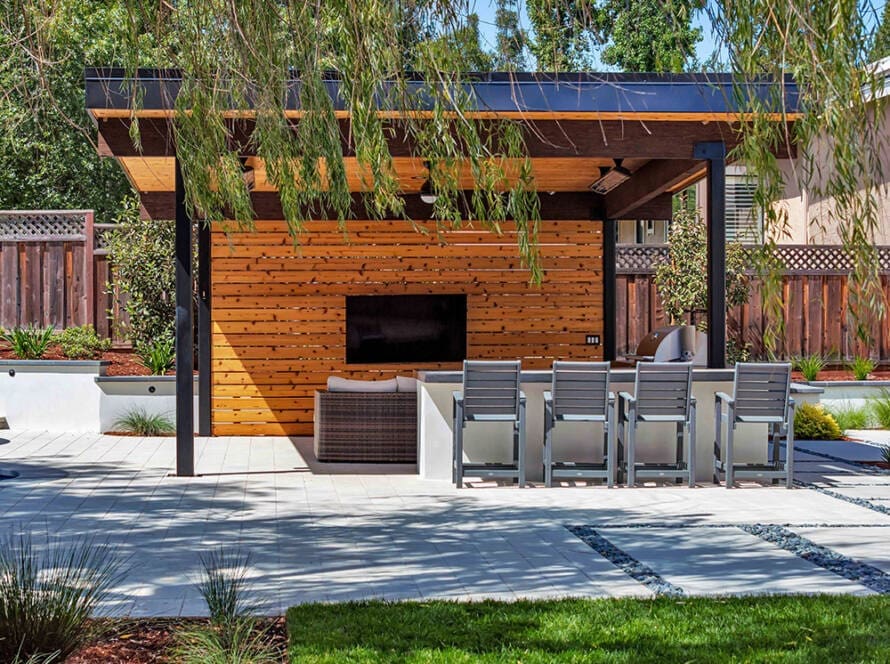
For San Jose homes where the kitchen opens to a backyard patio, we add a pass-through window or a garage-style glass door connecting the beverage station to the outdoor bar. This allows the same ice maker and wine storage to serve both inside and outside without duplicate appliances, a practical value-adding move that competitor content generally misses.
Zone 3: The Seamless Indoor-Outdoor Connection
San Jose enjoys over 300 sunny days a year, so the boundary between inside and outside should feel nonexistent. We recommend multi-slide or bi-fold patio doors that stack completely open, creating a 12-foot to 16-foot clear opening. Directly aligned with the kitchen island, these doors extend the prep and serving surface outside via a matching outdoor countertop at the same height. We specify porcelain or granite surfaces that can handle UV exposure and temperature swings without fading or cracking.
The critical detail here is floor plane continuity: we flush-mount the door tracks so there is no step, allowing a serving cart or a guest with a drink in hand to glide between spaces. From a structural perspective, this often requires a steel header and reinforced foundation, and our in-house design-build team manages those engineering calcs without subcontractor back-and-forth. That continuity of responsibility saves 3 to 5 weeks on a typical San Jose project compared to the fragmented approach competitors may suggest.
Zone 4: The Guest Flow Corridor
Even open-concept kitchens can funnel guests into a single pinch point. We define a circulation corridor at least 42 inches wide that runs behind the island seating and bypasses the cooking zone entirely. This invisible hallway keeps drink runs, kids going to the backyard, and mingling guests clear of the hot surfaces and knife work. At one end, we place the pantry and a secondary refrigerator so that restocking drinks or grabbing extra napkins happens from outside the work core.
One of our signature moves is placing the primary cleanup sink and dishwasher on the far side of the corridor, creating a dedicated scullery zone. During a party, used plates and glassware can be loaded directly by helpers without crossing into the cook’s space. This alone transforms how our clients host, and it is a layout detail we never see fully explained in standard online guides.
Material and Finish Choices That Withstand Heavy Entertaining
Entertaining puts every surface to the test. We guide our clients toward materials that combine beauty with extreme durability, avoiding costly regrets that competitor articles often gloss over.
-
Countertops: Engineered quartz in matte or leathered finishes resists stains from red wine, citrus, and coffee without the annual sealing natural stone demands. For outdoor-aligned zones, porcelain slabs in 12-millimeter thickness handle direct heat and will not warp under San Jose summer sun.
-
Flooring: Large-format porcelain tile (24 inches by 48 inches or larger) with a slip resistance rating of R10 or greater offers grout-line minimization and effortless cleanup. Luxury vinyl plank with a 30-mil wear layer is our alternative for households preferring a warmer underfoot feel while still standing up to spills and high heels.
-
Backsplashes: Full-height porcelain slab backsplashes behind cooking and beverage zones eliminate grout lines entirely. Where we use tile, we insist on epoxy grout with stain-resistant properties, a small upgrade that saves hours of scrubbing after a gathering.
-
Cabinetry finishes: UV-cured acrylic or thermofoil doors in satin finishes show fewer fingerprints than high-gloss lacquer. We select interior hardware rated for 100,000 open-close cycles, ensuring soft-close drawers survive decades of busy parties.
A simple table captures the performance differences that matter most for host-heavy kitchens.
| Material Option | Typical Cost per Square Foot (dollars) | Stain and Scratch Resistance | Heat Tolerance | Best Use |
|---|---|---|---|---|
| Engineered Quartz | 75 – 150 | Excellent, non-porous | Moderate (use trivets) | Main island, perimeter counters |
| Porcelain Slab | 90 – 180 | Excellent, UV-stable | High (can place hot pans) | Outdoor-aligned counters, full-height backsplashes |
| Natural Marble | 120 – 250 | Poor, etches easily | Moderate | Not recommended for high-entertaining zones |
| Large-Format Porcelain Tile Flooring | 15 – 30 (material only) | Outstanding, easy to clean | High | Entire kitchen and outdoor transition |
| Luxury Vinyl Plank (30-mil wear layer) | 6 – 12 | Very good, waterproof | Low (use mats near hot spills) | Secondary choice for warmth and noise reduction |
We have seen too many kitchens with beautiful marble islands that become etched and dull within three months of dinner parties. Our role is to align your dream aesthetic with the unforgiving reality of red wine, citrus, and heavy cookware, so your kitchen looks impeccable in year five just as it did on day one.
Smart Technology Integrations That Make Hosting Effortless in 2026
The 2026 entertainer’s kitchen integrates technology in ways that simplify, not complicate, the hosting experience. We incorporate these features based on how you actually use the space, not for gadget appeal.
-
Voice-Activated Task Lighting: Overhead zones can be commanded to “party mode” (dimmed, warm white) or “cooking mode” (bright, cool white at 4000K). We pre-wire for voice assistants discreetly so you never see a dangling cord.
-
Smart Water Filtration with Usage Monitoring: Touchless faucets with integrated filtration track water consumption and filter life, sending alerts to your phone. Hosts love the automated boiling water dispenser that fills a pasta pot in seconds, especially during large dinner parties where time is a premium.
-
Appliance Network Coordination: A connected range can signal the hood and downdraft to adjust fan speed automatically based on cooking intensity. We place a dedicated tablet dock inside a pantry cabinet that displays oven temperatures, timer notifications, and refrigerator camera feeds so you can check if you have enough cream without opening the door.
-
In-Cabinet Charging Drawers: A USB-C and wireless charging drawer hidden in the beverage station lets guests power devices without cords draped across countertops.
-
Energy Monitoring Displays: Tied to your electrical panel, a small screen shows real-time usage. This matters because San Jose electricity rates are among the highest in the nation, and being able to see consumption during a party helps you manage peak loads without surprise bills.
We make it a point to rough-in wiring during the framing stage for technologies clients may adopt in two to three years, such as induction charging strips embedded under countertops or automated inventory cameras. Competitor articles tend to focus only on what is available today, leaving readers with obsolete infrastructure soon after.
Navigating San Jose Permits, Structural Work, and Title 24
Removing a wall to open the kitchen into the living area is the single most requested structural change we handle, and it demands a permit. San Jose’s building department requires engineered structural drawings for any load-bearing alteration, plus compliance with California’s 2022 Energy Code (Title 24 Part 6) updates. We frequently see competitor content advise readers to “check local codes” without explaining what that actually entails.
Our in-house design-build approach collapses the time between concept and approval. We retain a licensed structural engineer who visits your home during the initial measurement appointment. The engineer assesses the existing framing, foundation, and ceiling joist orientation so we can present a feasibility report before you invest in full architectural plans. For a typical single-wall removal between a kitchen and a family room, you can expect:
-
A site assessment and initial beam sizing within 5 business days.
-
Permit-ready drawings, including energy calculations for any new glazing area, within 3 weeks.
-
City review turnaround of approximately 4 to 8 weeks, depending on San Jose’s current intake volume.
-
Construction execution of the beam installation, including temporary support walls, in 3 to 5 days once the permit is issued.
We also handle Title 24 compliance proactively, specifying high-efficacy LED lighting, mandatory dimmers, and proper envelope sealing so your project passes inspection on the first visit. Taking shortcuts here risks a failed inspection and a stop-work order, a delay we prevent for our clients. Source: City of San José Building Division.
How LeCut Construction’s Design-Build Model Turns Hosting Dreams into Reality
The biggest gap we see in online advice is the assumption that a kitchen remodel can be pieced together by hiring separate designers, engineers, and contractors. That fragmentation creates finger-pointing when an unexpected issue surfaces, like a plumbing vent in the wall you planned to remove or a structural post that must remain. As a family-owned design-build firm based in the Bay Area, we operate under a single contract from concept through completion. Our process covers:
-
In-home design consultation and laser measurements.
-
3D renderings and a fixed-price proposal with transparent line items.
-
Engineering, permit submission, and materials procurement.
-
Build-out by our in-house carpenters and licensed trade partners.
-
A dedicated project manager on site daily.
-
Final walkthrough with a 2-year workmanship warranty.
The majority of our projects come from referrals of past clients in San Jose, Oakland, and San Francisco. That word-of-mouth trust exists because we install kitchens that perform exactly as we promised, and we stand behind the work. When you call our office at (408) 816-3688, you reach someone who knows the status of every active job, not an outsourced call center. This direct accountability is the cornerstone of our reputation.
Planning Your Remodel: Timeline and Investment Overview
A clear budget framework prevents the frustration of unrealistic expectations. The following table represents typical ranges we see in San Jose for an entertainer’s kitchen remodel in 2026, accounting for current labor and material pricing.
| Project Scope | Description | Typical Cost Range (dollars) | Approximate Duration |
|---|---|---|---|
| Cosmetic Refresh | Cabinet refacing or repainting, new countertops, backsplash, sink, and lighting, no layout changes. | 35,000 – 65,000 | 4 – 6 weeks |
| Mid-Range Transformation | New semi-custom cabinetry, appliance upgrades, island reconfiguration, flooring, and lighting, minimal structural work. | 70,000 – 130,000 | 8 – 12 weeks |
| Full Entertainer’s Suite | Complete gut renovation, structural wall removal, custom cabinetry, pro-level appliances, dedicated beverage station, indoor-outdoor integration, smart systems. | 140,000 – 250,000+ | 14 – 20 weeks |
These ranges include design, engineering, permits, materials, labor, and project management. Every project begins with an on-site evaluation so we can pinpoint the exact investment needed for your specific home, no guesswork.
FAQ
How much does an entertainer’s kitchen remodel cost in San Jose in 2026?
In our experience, a true entertainer’s kitchen remodel in San Jose typically ranges from 70,000 dollars for a mid-range update with some appliance changes to 250,000 dollars or more for a full structural overhaul with luxury finishes and smart integration. The final cost depends on the size of the space, the need for structural engineering, appliance grade, and the level of custom cabinetry. We provide a detailed fixed-price proposal after a thorough site visit so there are no hidden adjustments.
Do I need a permit to remove a wall between my kitchen and living room in San Jose?
Yes, almost always. Any alteration that affects load-bearing walls, egress, or electrical and plumbing rough-ins requires a building permit from the City of San Jose. We handle the entire permit process in-house, including structural engineering, energy calculations, and submitting permit-ready drawings. Skipping a permit can result in fines, forced work stoppage, and complications when selling your home.
What is the ideal island size for an entertainer’s kitchen?
We recommend an island at least 9 feet long and 4 feet deep with a single-level surface. This allows seating for three to four guests on one side while leaving the opposite side clear for food prep and plating. Overhangs should be 15 inches for comfortable knee space at counter-height seating. A larger island of 10 feet or more can incorporate a prep sink, a beverage trough, and integrated charging.
How can I add a beverage station without losing valuable storage?
We maximize vertical space with full-height, 24-inch-deep pantry cabinetry adjacent to the beverage station to house bulk liquor, mixers, and entertaining serveware. The undercounter appliances—wine cooler and ice maker—fit in a 24-inch base cabinet footprint, replacing one standard cabinet. Above, we design open shelves or shallow wall cabinets only 12 inches deep so the zone feels spacious while providing display storage.
What flooring is best for a kitchen that opens to the backyard?
Large-format porcelain tile in a through-body color is our top recommendation. It withstands tracked-in dirt, pool water, and high foot traffic without scratching or fading. When we flush-mount the sliding door tracks, we run the same tile continuously from inside to outside, visually expanding the space and eliminating trip hazards. For clients who prefer a softer feel, we pair luxury vinyl plank with an outdoor porcelain tile that matches in color and plank width.
How long does a full entertainer’s kitchen remodel take from design to completion?
A full design-build renovation with structural modifications, custom cabinetry, and premium finishes generally takes 14 to 20 weeks from permit approval. The pre-construction phase—including design, engineering, material selections, and city permit review—adds another 8 to 14 weeks depending on scope and San Jose’s review timelines. Our integrated process compresses this timeline by running engineering and design concurrently, typically saving 3 to 5 weeks compared to a multi-contractor approach.
Why should I choose a design-build firm over hiring a separate designer and contractor?
A design-build firm like LeCut Construction provides a single point of responsibility, which eliminates the conflict between a designer’s vision and a contractor’s practical realities. Budget estimates are tied directly to buildable details from day one. Our clients avoid the common trap of paying for a beautiful design that turns out to be significantly over budget or structurally impossible because we involve our construction team from the very first walkthrough. This model also accelerates the schedule and reduces overall project cost by removing duplicated markups.
What smart features are worth the investment in 2026 for an entertainer’s kitchen?
We recommend investing in a connected appliance suite where the range, hood, and oven communicate to streamline cooking. A dedicated tablet station with a docking drawer keeps recipes and timers visible without cluttering the counter. Touchless, voice-activated faucets with instant hot water simplify drink and prep tasks. In-cabinet charging drawers and strong Wi-Fi coverage, including a mesh node in the kitchen, support guests and smart devices reliably during large gatherings. These features provide daily convenience and a clear edge in resale appeal.
What is the biggest mistake homeowners make when planning an entertainer’s kitchen?
The most common and costly mistake we correct is prioritizing aesthetics over circulation. Homeowners fall in love with a massive island in a magazine photo but do not leave enough clearance for multiple people to walk behind seated guests. We insist on a minimum of 48 inches between the island counter edge and any obstruction behind the seating, and 42 inches in the work aisle. This ensures the kitchen works as beautifully as it looks, even with 20 guests inside.
How does an entertainer’s kitchen add value to my San Jose home?
A well-executed entertainer’s kitchen that seamlessly blends indoor and outdoor living can return 70 to 80 percent of its cost in added home value, based on national remodeling cost versus value data and our local experience with pre-sale appraisals. More importantly, it expands your home’s functional square footage and makes your property stand out in San Jose’s competitive housing market, where buyers are specifically looking for move-in-ready, host-friendly layouts.
Start Designing Your Entertainer’s Kitchen with Our Free Consultation
We transform San Jose homes into venues where hosting feels instinctive. If you are ready to move beyond generic online advice and see what your exact floor plan can become, reach out to our family-owned team. Schedule your free design consultation today by calling (408) 816-3688. We will walk your space, listen to your entertaining style, and map out a kitchen that makes every gathering unforgettable.
Related Articles
Kitchen Triangle Dimensions For San Jose Area Homes
San Jose Home Addition Timeline: Phase-by-Phase Breakdown, Permits, and Realistic Costs
People Also Ask
A $30,000 budget can be sufficient for a kitchen remodel, but it largely depends on the scope of your project and the size of the space. For a minor to mid-range renovation in the San Jose area, this amount typically covers new countertops, cabinet refacing or stock cabinets, mid-tier appliances, and new flooring. However, a full gut renovation with custom cabinetry and high-end finishes often exceeds this budget. To maximize value, focus on key updates like countertops and hardware. For detailed guidance on planning your investment, we recommend reading our internal article titled Kitchen Remodeling. Lecut Construction can help you allocate your budget effectively for a functional and beautiful kitchen.
The "3 kitchen rule" typically refers to the kitchen work triangle, a design principle that optimizes the layout of the sink, refrigerator, and stove. This concept aims to minimize traffic and create an efficient workflow for cooking. Each leg of the triangle should ideally measure between 4 and 9 feet, with the total perimeter not exceeding 26 feet. For homeowners in San Jose, applying this rule ensures a functional space that reduces unnecessary steps. For a deeper dive into this concept, please refer to our internal article titled Understanding The Kitchen Work Triangle For Your San Jose Remodel. Lecut Construction often recommends this layout to balance movement and counter space in modern remodels.
For 2026, the trend in Silicon Valley kitchens is a shift toward multi-functional, tech-integrated spaces that prioritize sustainability. Homeowners are increasingly choosing smart appliances with energy-efficient ratings and touchless fixtures. We also see a rise in natural materials like reclaimed wood and quartzite, paired with warm, earthy color palettes to create a calming environment. At Lecut Construction, we guide clients through these choices. For a deeper look at this and other local trends, please refer to our internal article Top 10 Home Renovation Trends in Silicon Valley for 2026. This resource provides specific insights into what is popular in San Jose and Santa Clara homes.
A budget of $10,000 for a kitchen remodel is quite limited, especially for a full renovation. In the San Jose area, this amount typically covers only cosmetic updates rather than a complete overhaul. You might be able to replace countertops with laminate, paint cabinets, or install a new sink and faucet. However, major items like new cabinetry, appliances, or structural changes will far exceed this budget. For a more comprehensive project, a realistic starting point is often $25,000 to $50,000. For homeowners considering a mid-century modern update, Lecut Construction recommends reading our internal article titled 'The Ultimate Guide To Eichler Home Remodeling In San Jose' at The Ultimate Guide To Eichler Home Remodeling In San Jose for detailed cost insights.