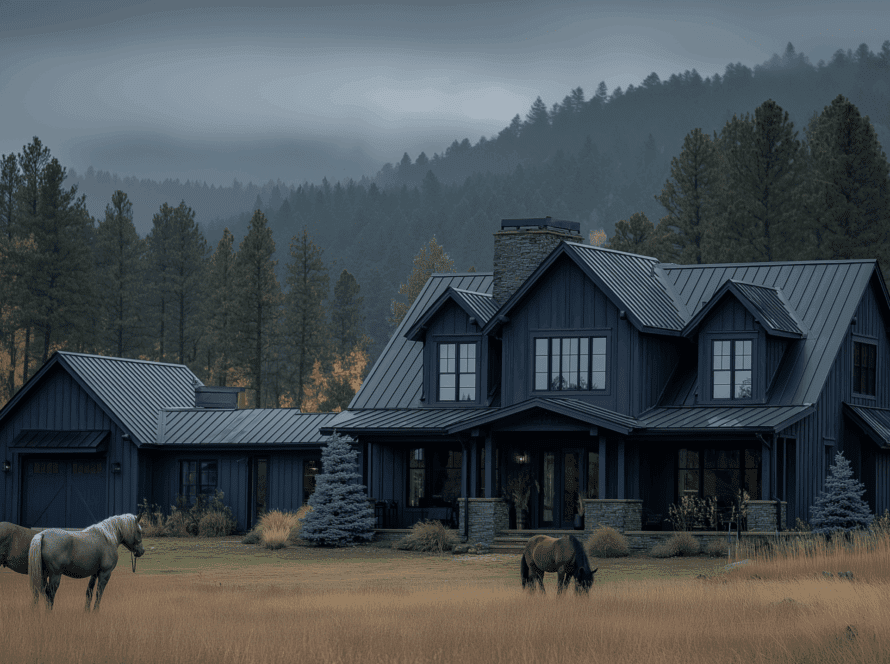

San Jose’s risk profile has changed. Record-breaking dry spells, hotter summers, and expanding development into the Diablo Range foothills have placed more homes inside high and very high Fire Hazard Severity Zones. The 2025 CZU Lightning Complex fires and multiple red-flag wind events in the Santa Cruz Mountains are clear reminders that embers can travel more than a mile ahead of a flame front, igniting vulnerable roofs, vents, and decks long before a fire line reaches your property. Protecting your home means hardening the exterior shell—the roof, siding, windows, vents, and decks—against those ember attacks.
Table of Contents
Understanding San Jose’s Wildland-Urban Interface Zones
The San Jose Fire Department and CAL FIRE have updated the city’s Very High Fire Hazard Severity Zone map in 2025. Large portions of District 10, the Alum Rock area, and the hillside neighborhoods along Highway 130 now carry mandatory ignition-resistant construction requirements. Even if your home is not inside a mapped zone, being within one mile of open space with chaparral or grass can subject you to insurer scrutiny. We strongly recommend a site-specific evaluation because the microclimate and immediate vegetation matter just as much as the official map.
2026 California Building Code Updates for Fire Safety
The 2025 edition of the California Building Code (effective January 1, 2026) expands Chapter 7A to include updated ember-zone requirements for vents and gutters, stricter continuous eave protection, and new standards for deck boards in WUI areas. One key change: all replacement vents must now be tested to ASTM E2886/E2888 for ember resistance, not just wire mesh with a quarter-inch opening. Installing non-compliant vents will not pass final inspection in San Jose. We manage this permitting and code compliance for every project so that your upgrade is not just safer, but fully approved.
The 5 Most Critical Fire-Resistant Materials for Your Home’s Exterior
1. Class A Roofing: Your First Line of Defense
The roof is the single largest horizontal surface catching embers. A Class A assembly tested per ASTM E108 or UL 790 provides the highest resistance to severe fire exposure. In our San Jose projects we specify:
-
Standing-seam metal roofing (galvalume or stone-coated steel) — non-combustible, sheds embers, 50-year lifespan.
-
Fiberglass-asphalt composition shingles rated Class A with factory-applied fire-resistant underlayment.
-
Lightweight concrete or clay barrel tile — requires upgraded underlayment and bird stops to pass current WUI codes.
-
Avoid wood shakes and shingles; many insurers will decline coverage even with a fire-retardant treatment.
2. Non-Combustible Siding: Fiber Cement, Stucco, and Metal
The 2026 code demands ignition-resistant wall assemblies. We most often install:
-
Fiber cement lap siding (James Hardie, Nichiha) — non-combustible, resists ember pitting, and available in wood-grain textures to match Craftsman and modern styles.
-
Three-coat portland cement stucco over metal lath — a classic California solution with zero flame spread.
-
Steel or aluminum architectural panels — ideal for a contemporary look while meeting all WUI requirements.
-
Fire-retardant-treated wood siding is allowed only when labeled for exterior WUI use, and we find that long-term maintenance costs often outweigh initial savings.
3. Ember-Resistant Vents: Stopping Fire at the Gaps
Embers that enter the attic through gable, soffit, or foundation vents are a leading cause of structure loss. We now install vents that pass ASTM E2886 — products like Vulcan Vents, Brandguard, or O’Hagin’s Fire & Ice series. These use intumescent honeycomb that expands at 300 degrees Fahrenheit and a fine corrosion-resistant screen. A San Jose home with standard quarter-inch mesh vents is still vulnerable; upgrading all vents to a code-compliant ember-resistant design is one of the highest-impact, lowest-cost moves you can make.
4. Tempered or Multi-Pane Windows with Metal Frames
Single-pane windows without tempering can crack from heat differentials, allowing embers inside. We specify:
-
Dual-pane insulated glass with at least one tempered pane.
-
Aluminum or metal-clad frames — vinyl frames can warp and expose the glass edge.
-
Avoid non-tempered glass in all windows facing open space, and consider external roller shutters for homes on narrow ridge lots.
5. Fire-Rated Decks and Patios
Decks attached to a hillside home act as a fire trap. The new code requires deck boards, joists, and beams within 10 feet of the structure to be constructed of non-combustible material or ignition-resistant wood complying with ASTM E84 Class A flame spread. Our go-to solutions:
-
Aluminum decking (LockDry, Nexan) with an aluminum joist system — zero fuel contribution, cool to the touch.
-
Fiber cement deck boards paired with metal framing.
-
We only use fire-retardant-treated lumber when it is stamped for exterior WUI use and the homeowner commits to a strict recoat maintenance schedule.
How Fire-Resistant Materials Save You Money
Lower Insurance Premiums and FAIR Plan Savings
After a complete exterior fire-hardening retrofit—Class A roof, non-combustible siding, ember vents—our clients in San Jose routinely report FAIR Plan premium reductions between 15 and 20 percent. Some qualify for a “Hardened Home” discount through the California FAIR Plan Association’s Safer from Wildfires framework. When combined with defensible space and ignition-resistant Zone 0 landscaping, annual savings often exceed 800 dollars on a typical 2,000-square-foot home. Admitted carriers like USAA and State Farm are also offering WUI mitigation credits if the home passes a Wildfire Prepared Home Plus inspection.
Increased Resale Value in the Bay Area Market
A home marketed with “Whole-Home Wildfire Hardened: 2026 Code Compliant” in Almaden or the Evergreen Hills attracts multiple offers. We have seen appraisers assign a premium of 3 to 5 percent over non-hardened comps. Buyers are willing to pay more for a house where the expensive envelope work is already done, especially when the alternative means facing a non-renewal notice within the first year of ownership.
Choosing the Right Materials: Cost, Durability, and Aesthetics
We know that budget matters. The table below reflects installed costs for a typical 2,000-square-foot San Jose home in 2026, including labor, permits, and Bay Area rates. All figures are in dollars.
| Material / Application | Fire Performance Rating | Typical Installed Cost (Dollars per Square Foot) | Expected Lifespan (Years) | Maintenance Notes |
|---|---|---|---|---|
| Standing-Seam Metal Roof | Class A, non-combustible | 16 – 24 | 50+ | Wash annually; inspect seams every 5 years |
| Class A Composition Shingle Roof | Class A with fire-resistant underlayment | 9 – 14 | 30 – 40 | Check for granule loss; replace any missing shingles promptly |
| Fiber Cement Lap Siding | Non-combustible, Ignition-Resistant | 11 – 17 | 50 – 60 | Repaint every 15-20 years; check caulking |
| Three-Coat Stucco | Zero flame spread | 14 – 21 | 60+ | Minimal; patch cracks as needed |
| Ember-Resistant Vents (all locations) | ASTM E2886 compliant | 40 – 80 dollars per vent (material only) | 25+ | Check screen integrity annually |
| Tempered Dual-Pane Aluminum Window | Heat-tempered, low-e | 110 – 160 dollars per square foot of window area | 30 – 40 | Clean tracks; inspect seals |
| Aluminum Decking with Metal Joists | Non-combustible deck assembly | 32 – 45 (deck area) | 50+ | Wash with mild soap; no painting |
| Ignition-Resistant Lumber Deck (WUI-rated) | Class A flame spread if maintained | 22 – 35 (deck area) | 25 – 35 | Reapply fire retardant every 3-5 years per manufacturer |
Our Design-Build Approach: Seamlessly Integrating Safety with Style
At LeCut Construction, we are a family-owned design-build contracting firm serving the entire San Francisco Bay Area, including San Jose, Oakland, and San Francisco. We do not just hand you a list of fire-resistant materials and leave you to find a contractor. Our in-house design team takes your existing home’s architecture—be it a mid-century rancher in Cambrian or a Mediterranean estate in Silver Creek—and creates an exterior remodel plan that meets or exceeds Chapter 7A without sacrificing curb appeal. We handle every step: site evaluation in relation to the fire hazard severity zone, product selection, structural engineering, permit submission with San Jose’s Building Division, construction, and the final sign-off. Because most of our work comes from client referrals, our reputation rests on meticulous workmanship and clear communication from the initial free design consultation through the final walkthrough.
We have also pioneered a “Safe Envelope Package” that bundles roofing, siding, vent, and window upgrades into a single fixed-price contract. Homeowners appreciate the predictable timeline and the single point of accountability. Every project includes a Zone 0 walkthrough where we identify ember traps such as wood fences attached directly to the house, bark mulch beds, and unprotected eaves—and we rectify them as part of the scope. Our license and insurance protect you, and our clients regularly tell us that the peace of mind they gain is even more valuable than the insurance discount.
Frequently Asked Questions About Fire-Resistant Home Construction
What is the difference between fire-resistant and fireproof?
No building material is truly fireproof under prolonged extreme heat. Fire-resistant materials, such as fiber cement siding and Class A roofing, resist ignition and limit flame spread, giving your home critical time to survive an ember shower. Fireproof implies zero combustion, which is misleading. We always talk in terms of ignition resistance and assembly ratings per ASTM and UL standards.
Do fire-resistant materials require special maintenance?
Yes, but the burden is manageable. Ember-resistant vents need annual inspection to ensure the mesh is clear of debris. Fiber cement siding may need repainting every 15 to 20 years. If you choose ignition-resistant treated wood decking, you must reapply the fire retardant coating according to the manufacturer’s schedule—typically every 3 to 5 years. We provide a detailed maintenance log for every client.
Will upgrading to fire-resistant materials guarantee my home will survive a wildfire?
No material or assembly can offer a 100 percent guarantee during a crown fire or direct flame impingement. However, hardening the home and maintaining defensible space shift the odds dramatically. The Insurance Institute for Business & Home Safety (IBHS) has demonstrated that homes with a Class A roof, ember-resistant vents, and non-combustible siding are many times more likely to survive an ember storm than their standard-construction neighbors.
How long does a whole-home fire hardening retrofit take in San Jose?
Permitting usually takes 4 to 6 weeks. Construction for a full exterior package—roof, siding, windows, vents, decks—typically ranges from 10 to 16 weeks depending on the complexity and weather. We sequence the work to keep your home livable. During your free design consultation, we lay out a detailed timeline.
Can I phase the work to spread out the cost?
Absolutely. We often recommend starting with the roof and vents, as these address the most vulnerable ember entry points. Siding and windows can follow in a second phase. We design the master plan upfront so that each phase integrates seamlessly, and we never cut corners that would compromise the fire resistance of earlier phases.
Will these upgrades affect the look of my home?
Not in a negative way. Fiber cement siding now comes in smooth, wood-grain, and shingle profiles that are indistinguishable from traditional wood once painted. Standing-seam metal roofs are available in matte finishes and dark earth tones that complement Bay Area aesthetics. Our design team excels at preserving architectural character while meeting the strictest fire codes.
Are there rebates or incentives for fire hardening in San Jose?
Currently there are no direct cash rebates from the City of San Jose for residential fire hardening, but the California FAIR Plan’s Safer from Wildfires framework translates material upgrades into premium reductions that compound year after year. Some mortgage lenders offer renovation loans that allow you to finance fire-resistant improvements as part of a purchase or refinance. We can connect you with lenders experienced with these products.
How do I get started?
Call LeCut Construction at (408) 816-3688 to schedule your free design consultation. We will visit your San Jose home, assess its current wildfire vulnerability, and deliver a tailored roadmap that balances protection, budget, and beauty. As a licensed, insured, family-operated firm with a 100 percent referral-driven reputation, we take personal pride in making your home one of the safest on the block.
Sources and Further Reading
-
CAL FIRE Wildland-Urban Interface Building Standards (Chapter 7A) – https://osfm.fire.ca.gov/divisions/community-wildfire-preparedness-and-mitigation/wildland-urban-interface/
-
Insurance Institute for Business & Home Safety Wildfire Research – https://ibhs.org/wildfire/
-
California FAIR Plan Safer from Wildfires – https://www.cfpnet.com/safer-from-wildfires/
-
ASTM E2886 Standard Test Method for Evaluating the Ability of Exterior Vents to Resist the Entry of Embers – https://www.astm.org/e2886-19.html
-
NFPA Firewise USA – https://www.nfpa.org/Public-Education/Fire-causes-and-risks/Wildfire/Firewise-USA
-
San Jose Fire Department Wildfire Preparedness – https://www.sanjoseca.gov/your-government/departments-offices/fire-department/public-education/wildfire-preparedness
Related Articles
The Guide To Water-Efficient Landscaping And Permeable Hardscaping In San Jose
San Jose Home Remodeling For Fire-Resistant And Wildfire-Safe Design
People Also Ask
For a fireproof safe, the best material is typically a combination of high-grade steel and a specialized fire-resistant insulation, such as gypsum or concrete-based compounds. The steel provides structural integrity and protection against impact, while the insulation acts as a thermal barrier, keeping internal temperatures low during a fire. For optimal performance, look for a safe with a UL (Underwriters Laboratories) rating, such as UL 350 or UL 1275, which indicates it can maintain an interior temperature below 350 degrees Fahrenheit for a specified time. While Lecut Construction does not manufacture safes, we recommend consulting a security specialist to ensure the material and rating match your specific needs for protecting documents or valuables.
The most fire safe building materials are non-combustible options like concrete, brick, and steel. Concrete offers excellent fire resistance due to its ability to withstand high temperatures without burning or releasing toxic fumes. Brick, made from fired clay, also provides strong fire protection as it does not ignite and can contain flames. Steel is non-combustible, though it can lose strength in extreme heat if not properly insulated. For residential projects, Lecut Construction often recommends using fire-rated gypsum board for interior walls, as it is designed to slow fire spread. Additionally, stone and certain types of glass blocks are highly fire resistant. For optimal safety, combining these materials with proper fire stops and sprinkler systems is essential. Always consult local building codes to ensure compliance with fire safety standards.
For homeowners prioritizing safety, fire-resistant materials are a critical consideration. For roofing, Class A materials like asphalt shingles, clay tiles, or metal are highly effective. Metal roofing, in particular, is non-combustible and offers superior protection against embers and radiant heat. For siding, fiber cement, stucco, and brick are excellent choices as they do not ignite easily. Lecut Construction often recommends these for their durability. For decks, consider composite materials or fire-retardant-treated wood. For a comprehensive guide on this topic, please see our internal article titled Metal Roofing Benefits And Considerations For San Jose Homes. Properly selecting these materials can significantly reduce a home's vulnerability to fire.
Yes, building fireproof homes in California is possible by using fire-resistant materials and adhering to strict building codes. Lecut Construction recommends using non-combustible roofing like metal or tile, and siding materials such as stucco or fiber cement. Ember-resistant vents and dual-pane tempered glass windows are crucial for preventing ignition. Creating defensible space around the property by clearing vegetation and using hardscaping also reduces risk. While no home is entirely fireproof, these measures significantly improve survival chances in wildfire-prone areas like San Jose, Santa Clara, and Sunnyvale.
For homeowners in San Jose, integrating fire-resistant materials is a critical step in safeguarding your property, especially given the region's dry climate. Using non-combustible materials like fiber-cement siding, metal roofing, and tempered glass windows can significantly reduce fire risk. For your landscape, consider replacing wood mulch with gravel or decomposed granite and choosing fire-resistant plants with high moisture content. Lecut Construction emphasizes that hardscaping elements like concrete patios or stone pathways create effective defensible space. For detailed strategies on combining safety with sustainability, our internal article titled 'The Guide To Water-Efficient Landscaping And Permeable Hardscaping In San Jose' at The Guide To Water-Efficient Landscaping And Permeable Hardscaping In San Jose provides excellent guidance on selecting materials that are both fire-resistant and water-wise.
When considering fire resistant materials for your San Jose home, costs vary significantly based on the product and installation. For example, a Class A fire-rated asphalt shingle roof typically costs between $5 to $8 per square foot, while a metal or tile roof can range from $10 to $20 per square foot. For siding, fiber cement like HardiePlank costs around $6 to $12 per square foot installed, offering excellent protection. For decks, using fire-resistant composite materials or treated lumber adds roughly 15-20% to the cost compared to standard wood. While the upfront investment is higher, these materials provide critical safety and can lower insurance premiums. For a comprehensive strategy that integrates fire safety with sustainable design, Lecut Construction recommends reviewing our internal article titled 'The Guide To Water-Efficient Landscaping And Permeable Hardscaping In San Jose', available at The Guide To Water-Efficient Landscaping And Permeable Hardscaping In San Jose, which details how smart hardscaping can create a defensible space around your home.
For the best home fire protection, a multi-layered approach is essential. Start with interconnected smoke alarms on every level, inside bedrooms, and outside sleeping areas. Install a residential fire sprinkler system for active suppression, which can control a fire before firefighters arrive. Use fire-resistant building materials, such as Class A roofing and fire-rated drywall. Lecut Construction recommends keeping a fire extinguisher in the kitchen and garage, and practicing a family escape plan with two ways out of every room. Finally, maintain electrical systems and avoid overloading circuits, as faulty wiring is a leading cause of home fires.