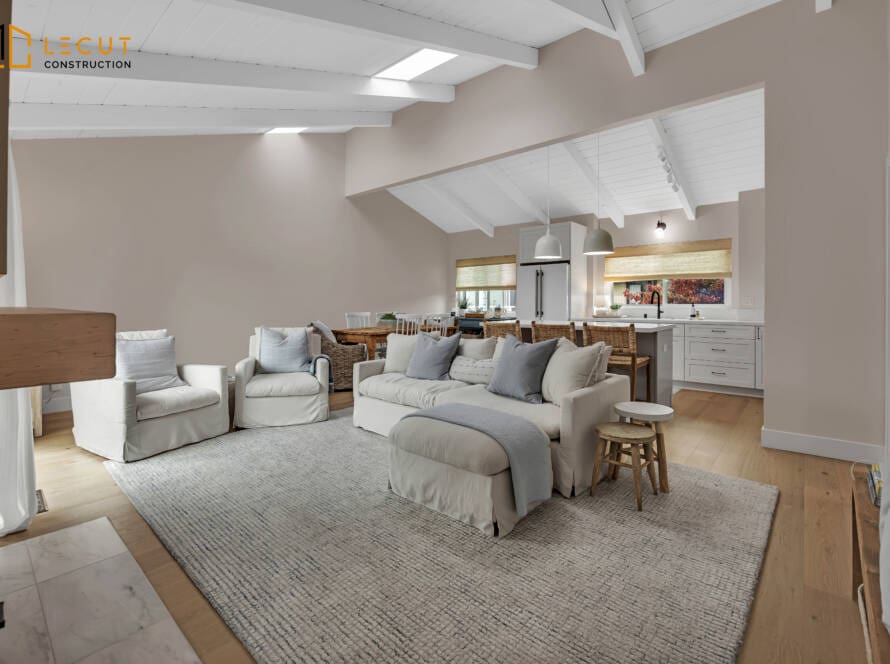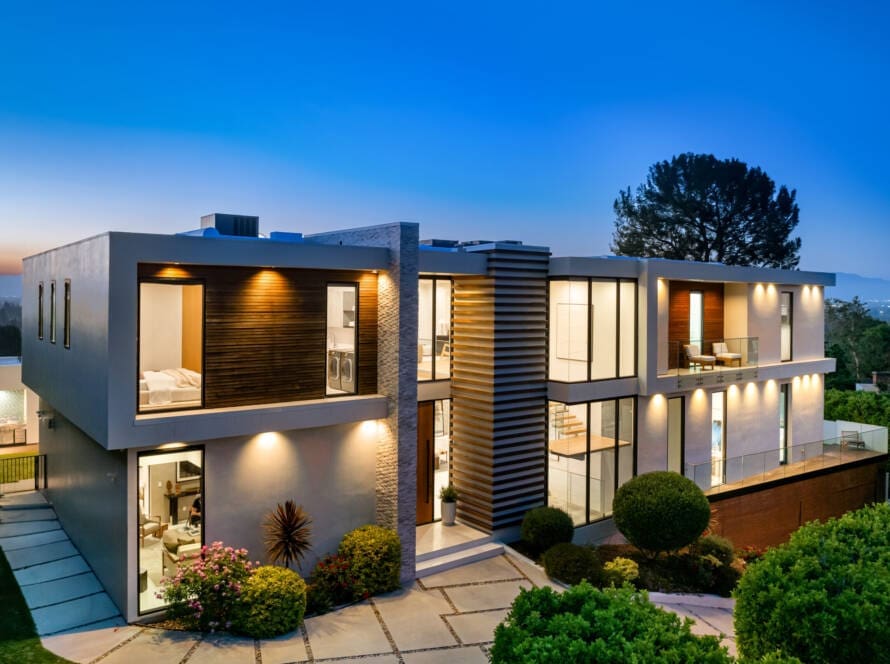
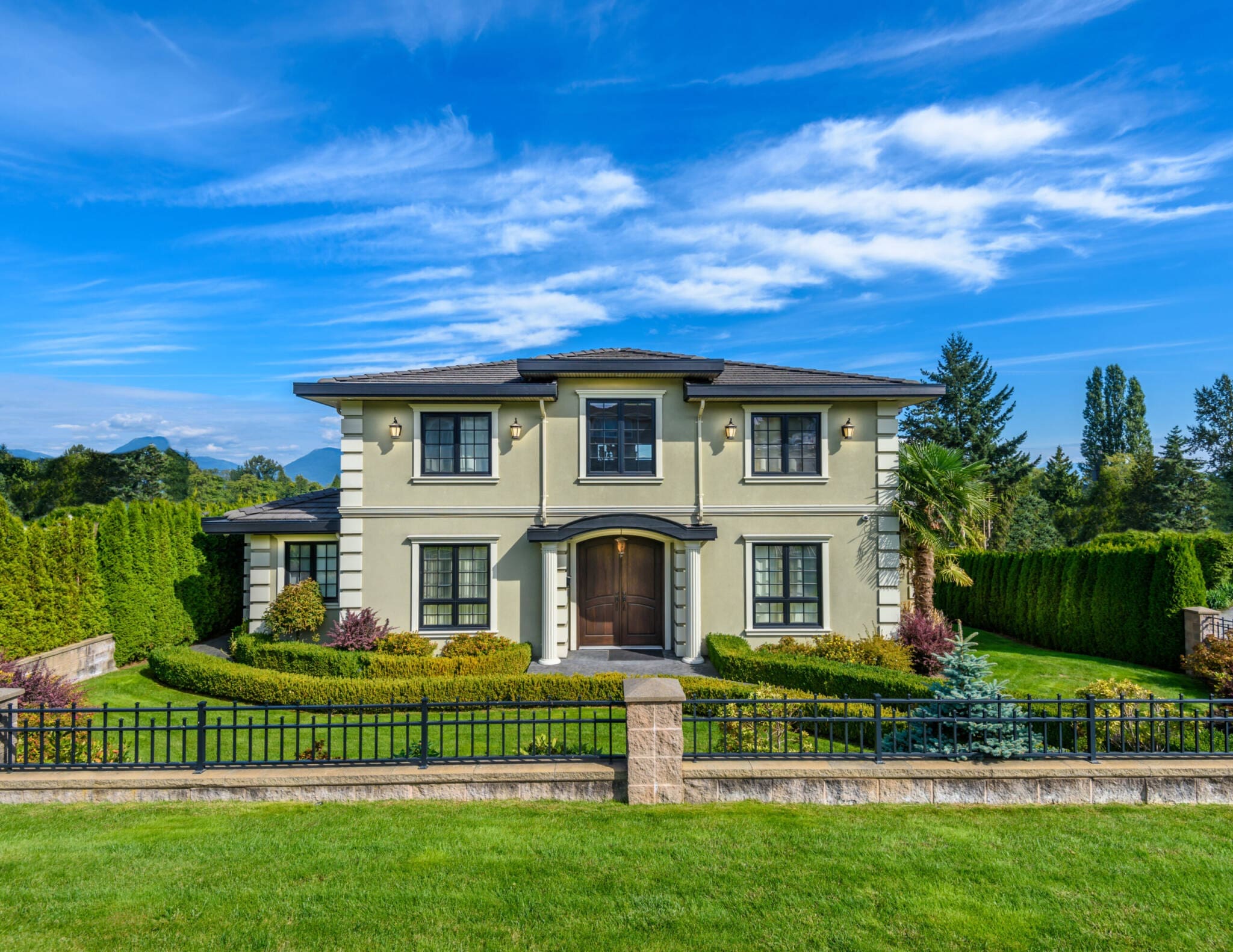
Remodeling a classic Eichler home in San Jose in 2026 demands a deep understanding of its unique post-and-beam construction, radiant heating systems, and the city’s specific overlay zones. A whole‑house remodel typically ranges from 250 to 600 dollars per square foot, while a kitchen renovation alone lands between 80,000 and 150,000 dollars. The single most important move you can make is to hire a design‑build team that has proven Eichler experience — one that can navigate the permit process, honor the home’s architectural integrity, and uncover hidden issues like outdated electrical panels or asbestos ceiling texture before they torpedo your budget. At LeCut Construction, we have guided dozens of Eichler owners through this journey, and we see the same pattern: early planning cuts stress by half and protects your investment for decades. In this guide, we walk you through real 2026 costs, San Jose permit requirements, design strategies that preserve mid‑century modern character while adding modern comfort, and the timeline you should expect. We will also share lessons we have learned so you can sidestep the most common — and expensive — mistakes.
Table of Contents
Why Eichler Homes in San Jose Require a Specialized Remodeling Approach
Joseph Eichler built roughly 3,000 of his iconic mid‑century modern homes in the Bay Area, with San Jose neighborhoods like Fairglen, Willow Glen, and Cambrian Park holding some of the largest concentrations. These homes were revolutionary for their open floor plans, floor‑to‑ceiling glass, flat or low‑slope roofs, and radiant heating embedded in concrete slabs. Yet those very features also create remodeling challenges that a conventional contractor often misunderstands.
What Makes an Eichler Structurally Different
-
Post‑and‑beam framework: Exposed beams and tongue‑and‑groove ceilings mean there is no attic to run new ductwork or wiring through. Any modification must respect the structural grid and reveal.
-
Concrete slab‑on‑grade with radiant heating: Breaking into the slab to relocate plumbing or repair heating pipes requires specialized tools and a plan to preserve or upgrade the radiant system.
-
Lack of insulation: Original walls and roof assemblies rarely have adequate insulation by today’s standards. Upgrading insulation while preserving the slim roofline demands careful detailing.
-
Single‑glazed glass walls: The expansive windows that define indoor‑outdoor living are notorious energy wasters. Upgrading to double‑glazed units must meet modern energy codes without sacrificing the original sightlines.
Common Hidden Surprises We Uncover During Eichler Remodels
-
Asbestos in ceiling texture and vinyl flooring: Pre‑1978 Eichlers frequently contain asbestos. Our pre‑construction testing and abatement plan is non‑negotiable.
-
Outdated electrical panels: Federal Pacific or Zinsco panels still lurk in many homes. They are fire hazards and must be replaced, adding 5,000 to 8,000 dollars to the early phase of the project.
-
Corroded radiant heating pipes: Copper pipes embedded in concrete can develop pinhole leaks. We strongly recommend a pressure test before design begins.
-
Roof framing rot: Flat roofs and minimal overhangs expose the structure to standing water. Every Eichler roof inspection reveals some degree of sheathing replacement.
These findings explain why hiring a team that speaks “Eichler” is not a luxury — it is a necessity to stay on schedule and on budget.
San Jose‑Specific Permits, Overlay Zones, and Design Standards
San Jose treats many Eichler tracts as special architectural resources. The city has adopted Eichler Design Guidelines that apply to remodels, additions, and exterior alterations in designated areas. Ignoring these rules can lead to costly plan rejections or even enforcement action.
Key Permit Requirements for Eichler Remodels
-
Planning review for exterior changes: Any work that alters street‑facing elevations, roof lines, or the front atrium enclosure must go through a Planning Division review to assess consistency with the neighborhood’s mid‑century character.
-
Preservation of original materials: The guidelines encourage retaining the original siding, fascia, and window pattern. If replacement is necessary, we must match the profile and color to a high degree.
-
Building permit and energy compliance: All remodels must meet California Energy Code (Title 24). For Eichlers, this often triggers a performance‑based compliance path because the wall area is mostly glass. We work with energy consultants early to avoid last‑minute redesigns.
Table: Typical Permits for a San Jose Eichler Whole‑Home Remodel
| Permit Type | When Required | Average Processing Time (2026) | Estimated Fee (Dollars) |
|---|---|---|---|
| Planning Review for Overlay Zone | Exterior alteration, addition, or atrium enclosure | 6–10 weeks | 1,200–2,500 |
| Building Permit | Structural, electrical, plumbing, mechanical changes | 4–8 weeks after planning approval | 5,000–12,000 (based on valuation) |
| Electrical Permit | Panel upgrade, new circuits | 2–3 weeks | 400–800 |
| Mechanical Permit | HVAC equipment or ductwork install | 2–3 weeks | 350–700 |
| Plumbing Permit | Bath/kitchen relocation, water heater, gas line | 2–3 weeks | 400–900 |
| Fire Sprinkler Permit | Addition over 500 sq ft or major remodel triggering sprinkler requirement | 4–6 weeks | 2,000–4,000 |
| Solar/EV Charger Permit | Rooftop solar or EV charger install | 2–4 weeks | 500–1,000 |
Processing times reflect San Jose’s current digital submittal system and staffing levels as of early 2026. Plan for an additional 4 weeks if revisions are required.
Working with a design‑build firm like LeCut Construction that manages all permit submittals and has a record of first‑time approvals saves you both time and redesign fees. Our in‑house knowledge of the Eichler Design Guidelines means we pre‑address the items that typically trigger comments.
2026 Eichler Remodeling Costs: A Transparent Breakdown
Construction pricing in the Bay Area continues to rise, but knowing what drives costs allows you to make intelligent scope decisions. The following table distills actual project data from San Jose Eichler remodels completed in late 2024 and projected into 2026.
Table: 2026 Cost Ranges for Common Eichler Renovation Scopes
| Scope | Square Footage | Typical Cost Range (Dollars) | Key Cost Drivers |
|---|---|---|---|
| Kitchen remodel (200 sq ft) | N/A | 80,000 – 150,000 | Custom flat‑panel cabinetry, quartz or terrazzo countertops, moving gas/plumbing in slab, upgrading to induction cooktop, architectural lighting |
| Primary bathroom (100 sq ft) | N/A | 55,000 – 95,000 | Curbless shower on slab, radiant floor heat integration, custom floating vanity, high‑performance exhaust due to no attic |
| Whole‑home interior refresh | 1,500 – 2,000 | 350,000 – 550,000 | New kitchen + 2 baths, flooring throughout, lighting, electrical panel, paint, insulation upgrade, attic-less HVAC solution |
| Full gut renovation with addition | 2,000 – 2,500 | 600,000 – 1,100,000 | Foundation and structural work, radiant heating overhaul, new standing‑seam roof, all new windows/doors, full MEP systems, interior finishes |
| Atrium enclosure or garage conversion | 200 – 400 | 80,000 – 180,000 | Permit requirements, structural reinforcement, glass integration, HVAC extension, drainage |
These ranges assume design‑build delivery with a licensed contractor using quality‑grade materials appropriate for mid‑century modern homes. Costs include general conditions, permits, and typical structural surprises.
Where Homeowners Often Overspend — And How We Prevent It
-
Over‑customizing before understanding the structure: We always start with a thorough as‑built survey and structural assessment before any design work. This prevents designing a feature that requires moving a load‑bearing beam that can’t be moved.
-
Neglecting early energy modeling: Title 24 compliance on a glass‑heavy home can force a more expensive window package if not modeled early. We bring in an energy consultant during schematic design, so you can choose cost‑effective solutions rather than paying a premium at permit stage.
-
Multiple subcontractor markups: A design‑build model consolidates responsibility and eliminates the hidden cost of a separate designer, engineer, and contractor markup chain. LeCut Construction’s integrated team typically saves our clients 10 to 15 percent compared to the traditional design‑bid‑build path on an Eichler project.
Design Strategies That Honor Mid‑Century Character While Adding Modern Comfort
Preserving the soul of an Eichler while achieving contemporary functionality is a delicate balance. Our design philosophy revolves around three principles: respect the grid, amplify transparency, and insert modern systems invisibly.
Keep the Ceiling as the Star
The exposed tongue‑and‑groove ceiling is the most defining feature. We never drop a ceiling to hide ductwork. Instead, we use these proven approaches:
-
Mini‑duct, high‑velocity HVAC systems: Small diameter ducts can run along the beam lines or be concealed in soffits that mimic original clerestory details.
-
Ductless mini‑split heat pumps: Wall‑mounted or floor‑mounted units, painted to match the wall color, recede visually while providing efficient heating and cooling. Ceiling cassette units are an option when slab integration is not desired.
-
Radiant heating maintenance and upgrade: We pressure‑test and repair existing copper lines, then install a modern high‑efficiency boiler or heat‑pump‑driven radiant system. This preserves the invisible comfort Eichler intended.
Flooring That Works With Radiant Heat
Because the slab is a thermal mass, we must use flooring that conducts heat well without being damaged by temperature fluctuations. We consistently recommend:
-
Polished concrete with integral color
-
Large‑format porcelain or ceramic tile
-
Engineered wood with a floating installation over a thin cork or rubber underlayment (solid hardwood is too risky)
-
Luxury vinyl plank with a high heat tolerance rating
Kitchen and Bathroom Geometry
Eichler floor plans are rectangular and modular. We design kitchens and bathrooms that align with the post‑and‑beam grid. For example, placing a kitchen island parallel to the beam direction creates a natural room divider without fighting the architecture. We use flat‑slab cabinet doors, handleless or minimal pulls, and matte finishes that echo the era.
Color and Material Palette for 2026
Current homeowner preferences blend original Eichler warmth with a cleaner, more organic palette:
-
Warm whites and greige for walls to let the wood ceiling glow
-
Walnut, teak, or white oak for cabinetry and built‑ins
-
Matte black or brushed nickel fixtures
-
Terrazzo, quartzite, or soapstone countertops
-
Handmade or large‑format tile with subtle texture
We frequently source materials from local Bay Area showrooms that understand mid‑century modern stock.
A Realistic Timeline for a San Jose Eichler Whole‑Home Remodel
Understanding the sequence reduces anxiety. Based on dozens of projects, here is the timeline we set with Eichler homeowners.
Table: Typical Eichler Remodel Timeline (Full Interior Renovation, No Addition)
| Phase | Duration | What Happens |
|---|---|---|
| Feasibility & Onboarding | 2–4 weeks | Site visit, budget discussion, scope definition, signed agreement |
| As‑Built Documentation & Testing | 3–5 weeks | Laser scanning, structural assessment, slab inspection, asbestos/lead testing, radiant pressure test |
| Schematic Design & Energy Analysis | 4–6 weeks | Floor plans, early 3D views, energy model, preliminary cost estimate |
| Permit Submittal & Approval | 12–18 weeks | Planning review (if needed) then building permit submittal, city comments, revision cycles |
| Pre‑Construction | 4–6 weeks | Final selections, ordering long‑lead items (windows, custom cabinets), site protection plan |
| Construction | 20–28 weeks | Demolition, structural upgrades, rough MEP, insulation/drywall, finishes, fixtures, final clean |
| Closeout & Warranty Walkthrough | 2 weeks | Punch list, training on systems, manufacturer registration, formal handover |
Total typical duration from signed agreement to move‑in: 10 to 14 months. A project with an addition or extensive outdoor work may push that to 16 months.
Accelerated schedules are possible if you prioritize in‑stock materials and make selections quickly, but we caution that rushing the permit phase with San Jose’s overlay review never works in your favor.
Why a Design‑Build Eichler Specialist Delivers Better Results
Remodeling an Eichler is not a product; it is a process of discovery, problem‑solving, and precise execution. At LeCut Construction, we operate as a family‑owned design‑build firm that has earned its reputation through referrals from Eichler neighborhoods in San Jose, San Francisco, and Oakland. We do not hand you off between a separate designer and builder. Our in‑house team manages the project from initial concept to final walkthrough.
What We Do Differently
-
Early constructability review: Our construction team sits in on design meetings from day one, so we never design something that cannot be built within your budget.
-
Transparent pricing: We provide a detailed, line‑item cost breakdown during the design phase, not a vague allowance number.
-
In‑house permit management: We prepare the entire permit package, including the narrative for the planning department, and attend all required meetings.
-
Clear communication: You receive a weekly progress report with photos and a dedicated project manager who answers your call.
-
Fully licensed and insured: California license #_______, serving homeowners in San Francisco, Oakland, San Jose, and beyond.
Our clients tell us the single biggest relief is knowing that their Eichler’s character will be respected, not erased. As we often say, “We don’t fight the grid; we celebrate it.”
Ready to explore what your Eichler could become? Call LeCut Construction at (408) 816‑3688 to schedule a free design consultation, or visit our San Jose showroom. We’ll walk your home together and map out a plan that fits your lifestyle and budget.
Frequently Asked Questions (H3 Format)
How much does it cost to remodel a small Eichler kitchen in San Jose in 2026?
A modest Eichler kitchen remodel that retains the original layout but updates cabinets, counters, lighting, and appliances typically costs between 80,000 and 120,000 dollars. If you move plumbing or gas lines in the concrete slab, expect the upper end of that range or more. Always include a contingency of 15–20 percent for concealed conditions.
Can I add a second story to my Eichler home?
Technically possible, but adding a second story to an Eichler is one of the most complex projects. The original post‑and‑beam structure was never designed to carry a second floor. You will need an entirely new structural system, which can make the cost prohibitively high — often exceeding 600 dollars per square foot. Additionally, San Jose’s overlay guidelines strongly discourage second stories that alter the roof line visible from the street. Most Eichler owners opt for a single‑story addition that extends the home horizontally instead.
What are the most common hidden issues in an Eichler remodel?
Based on our projects, the top four are: corroded radiant heating pipes under the slab, asbestos in ceiling texture or vinyl flooring, outdated electrical panels, and roof sheathing rot under the built‑up roofing. We always recommend a thorough inspection and testing phase before finalizing a design and budget.
Do I need special permits because my home is in an Eichler tract?
Yes, if you plan to alter the front elevation, roof shape, or exterior materials, the City of San Jose will require a Planning Division review under the Eichler Design Guidelines. Even interior‑only remodels often require a compliance check if they affect the overall energy performance of the glass‑dominated envelope. Working with a contractor experienced in these overlay zones avoids expensive resubmissions.
How long does a whole‑house Eichler remodel take from design to move‑in?
Plan on 10 to 14 months for a full interior renovation without an addition. The longest variables are the city review period for permits (which can be 12‑18 weeks) and the lead time for custom windows and cabinetry. At LeCut Construction, we lock in orders for long‑lead items immediately after design approval to keep your timeline as short as possible.
How do I heat and cool an Eichler without losing the exposed ceiling?
We use mini‑duct high‑velocity systems, ductless mini‑split heat pumps, or upgrade the in‑slab radiant system and pair it with a small ducted cooling system. Our HVAC designers model each room’s load, accounting for all that glass, and select equipment that hides within soffits or along beam lines so the ceiling remains uninterrupted.
Is it worth upgrading to double‑glazed windows, and will it change the look?
Absolutely worth it for energy efficiency and acoustic comfort. Modern double‑glazed units with slim aluminum frames can replicate the original thin profile almost exactly. Many manufacturers now offer thermally broken aluminum windows in anodized finishes that match the original Eichler aesthetic. The energy savings help offset the cost over time, especially with rising PG&E rates.
What financing options do Eichler renovation clients typically use?
Most of our clients use a combination of home equity lines of credit (HELOCs), cash‑out refinancing, or renovation‑specific construction loans. Some also take advantage of the Property Assessed Clean Energy (PACE) program for energy‑related improvements like solar, HVAC, and windows. We can connect you with trusted local lenders who understand mid‑century renovation financing.
Sources: San Jose Planning Division Eichler Design Guidelines, California Energy Commission Title 24 2025 Standards, RSMeans Bay Area Construction Cost Data 2026, LeCut Construction internal project data (San Jose Eichler renovations completed 2022‑2025).
People Also Ask
Common problems with Eichler homes often stem from their unique post-and-beam construction and flat roofs. These homes are prone to roof leaks due to aging tar-and-gravel surfaces, which require specialized maintenance. The radiant heating systems, embedded in concrete slabs, can develop leaks or fail over time, leading to costly repairs. Poor insulation and single-pane windows cause energy inefficiency and temperature fluctuations. Additionally, the large glass panels and open floor plans may suffer from moisture intrusion and inadequate structural support if not properly maintained. When addressing these issues, it is wise to consult experienced contractors familiar with mid-century modern designs. Lecut Construction has expertise in retrofitting such homes while preserving their architectural integrity.
Eichler homes are known for their open floor plans, floor-to-ceiling glass walls, and post-and-beam construction, which create a strong connection between indoor and outdoor living. A major pro is the abundance of natural light and the mid-century modern aesthetic that many homeowners find timeless. However, a significant con is that the original construction often lacks proper insulation, leading to higher energy costs. Additionally, the flat roofs common in these homes require diligent maintenance to prevent leaks. For homeowners in San Jose, Santa Clara, or Sunnyvale, updating insulation and roofing is a common project. Lecut Construction has experience with these specific renovations, ensuring the iconic design is preserved while improving energy efficiency.
For a 1,000 square foot home, a whole house renovation typically takes between 3 to 5 months. This timeline varies based on the scope of work. A cosmetic update (new flooring, paint, and fixtures) can take 8 to 12 weeks. A full gut renovation, which includes moving walls, new electrical, and plumbing, will take 12 to 20 weeks. Permitting and design phases add 4 to 8 weeks upfront. Delays often come from material backorders or unforeseen structural issues. For a detailed breakdown of local timelines and expert advice, please refer to our internal article titled San Jose Whole Home Remodeling Contractor | Local Renovation Experts.
The high cost of Eichler homes is primarily due to their unique design, scarcity, and premium materials. These mid-century modern homes, common in areas like San Jose and Sunnyvale, feature post-and-beam construction, floor-to-ceiling glass, and open floor plans. This design requires specialized maintenance, such as flat roofs and radiant heating systems, which are more expensive to repair or replace than standard features. Additionally, their historic significance and limited availability drive up demand. At Lecut Construction, we understand that renovating an Eichler often involves sourcing custom materials and working with skilled craftsmen, which adds to the expense. Owners invest in these homes for their architectural value, not just square footage.