The Great Remodeling Adventure: Your Guide to Not Losing Your Mind (Or Your Wallet)
Let’s be honest. The idea of a home remodel is equal parts thrilling and terrifying. We’ve all been there, scrolling through flawless “after” photos online, dreaming of that perfect kitchen flow or that spa-like bathroom retreat. Then, reality hits. The sheer scale of the project feels… well, a bit abortable. Where do we even start? Who do we trust? And the big one: what’s this all going to cost?
We get it. We’re not just a company; we’re a bunch of fellow home enthusiasts right here in San Jose who turned our passion into a profession. At Lecut Construction, we’ve navigated every twist and turn of the remodeling journey, and we’re here to walk you through it like a friend would. No jargon, no pressure, just straight talk about turning your house into the home you’ve always wanted.
Table of Contents
Phase One: The Dream vs. The Plan (Where Things Get Real)
Before we pick up a single hammer, we need to get our heads out of the clouds and our ideas onto paper. This is the most critical step, and skipping it is the number one reason projects go sideways.
Getting Your Vision Straight
What’s the real goal here? Are we just updating a tired bathroom, or are we reimagining your entire living experience with a full home remodel? Maybe it’s about growing your family’s space with thoughtful home additions or giving your curb appeal a major boost with exterior remodeling. The scope defines everything.
Budgeting: The “B” Word We Can’t Ignore
Okay, let’s talk price. It’s the elephant in the (future) beautifully renovated room. A clear budget isn’t a constraint; it’s your project’s blueprint for success. It helps us make smart choices about materials, scope, and timeline from day one. A good renovation contractor won’t shy away from this conversation—they’ll lean into it with you. Pro tip: always, always have a contingency fund. Trust us on this one.
Choosing Your Crew: Why Your Contractor Isn’t Just a “Vendor”
This is arguably the most important decision you’ll make. You’re inviting this team into your life for weeks or months. You need more than just a license; you need a partner.
The General Contractor: Your Quarterback
A true general contractor does way more than swing a hammer. They’re your project manager, your negotiator, your scheduler, and your problem-solver. They handle the permits, the subs, the inspections, and the daily chaos so you don’t have to. Trying to manage all that yourself while living in the space? That’s a fast track to burnout.
Red Flags & Green Flags
How do you spot the best remodeling company for you? Well, if a contractor gives you a firm cost over the phone without seeing your space, run. If they’re vague about timelines or hesitant to provide references, walk away. You want someone who communicates clearly, listens more than they talk, and has a portfolio that makes your heart sing. IMO, chemistry matters just as much as craftsmanship.
Why Local Knowledge is a Secret Weapon
Here’s something we’re passionate about: hiring local. When you search for “home remodeling services near me” in San Jose, you’re not just finding convenience. You’re finding a team that knows the specific permit processes in Santa Clara versus Campbell. They understand the soil in Los Gatos and the architectural styles in Saratoga. At Lecut Construction, our deep roots in Silicon Valley, from Milpitas down to Morgan Hill, mean we bring that hyper-local insight to your doorstep. It prevents headaches you didn’t even know were coming.
The Nitty-Gritty: What Actually Happens During a Remodel?
Let’s pull back the curtain. Knowing the process demystifies it and turns you from a nervous homeowner into an informed collaborator.
Pre-Construction: The Calm Before the (Controlled) Storm
This is where the magic of planning happens. We finalize designs, secure permits, and order materials. A well-planned schedule is your best friend. FYI, this phase can feel slow, but rushing it is like building on sand.
Construction: Living in the “During”
It’s going to get dusty. There will be strange people in your house. There might be a porta-potty in your driveway. It’s a temporary adventure. A great team will minimize the disruption, protect your home, and keep you updated daily. Communication is everything.
Common Project Types & What to Expect
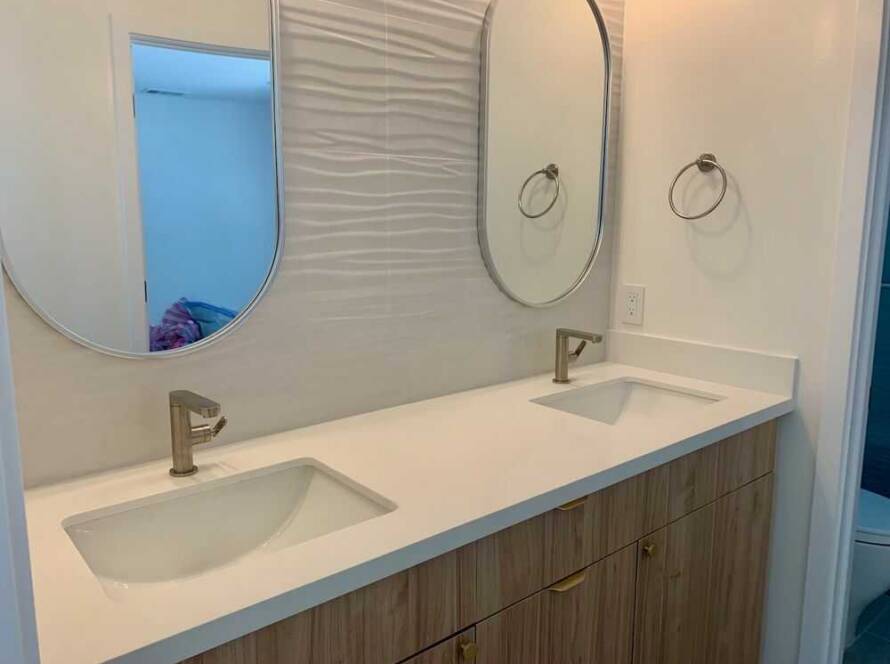
- The Bathroom Remodel: Seemingly small, deceptively complex. It’s a puzzle of plumbing, electrical, and waterproofing. A great bathroom remodeler is worth their weight in gold (or nice tile).
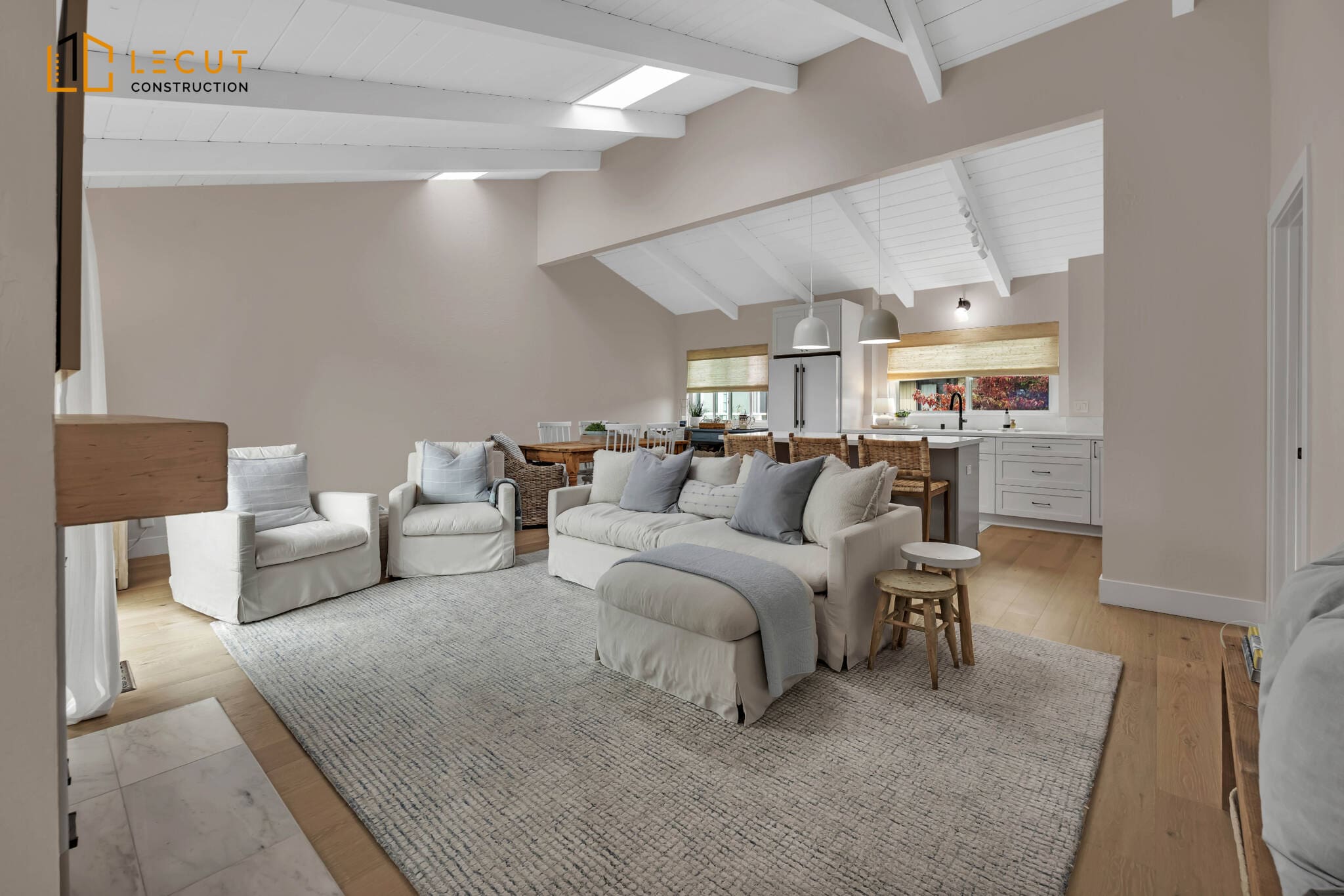
- The Kitchen & General Remodeling: The heart of the home. This is about workflow as much as aesthetics. We live in these spaces, so functionality is king.
- The Addition: Wanting more space is a fantastic reason to remodel. Whether it’s a second story or extending outward, this is major surgery on your home and requires precise structural planning.
Making Smart Choices: Where to Splurge and Where to Save
Not every decision needs to break the bank. It’s about allocating your budget to the things that matter most to you.
The Investment vs. The Expense
Some things are worth the premium because they’re a pain to replace later. Think plumbing fixtures, electrical panels, and windows. Skimping on these can lead to costly do-overs. Other items, like cabinet hardware or light fixtures, can be easily upgraded down the line. A good house remodeling contractor will help you navigate these choices without upselling you on things you don’t need.
A Quick Guide to Budget Allocation
Here’s a rough table based on typical projects we see in Cupertino, Sunnyvale, and Fremont. Remember, these are averages—your priorities will shift them!
| Project Element | Typical Budget Allocation | Our “Splurge vs. Save” Advice |
|---|---|---|
| Cabinetry & Hardware | 20-30% | Consider splurging on well-built cabinet boxes. You can save on door styles or hardware updates later. |
| Appliances | 10-15% | Strategic splurge. Invest in the workhorses (fridge, range). Consider standard models for others. |
| Countertops | 10-15% | Know your options. Quartz offers great durability. Natural stone is a premium splurge. Laminate has come a long way for a budget save. |
| Plumbing Fixtures | 5-10% | Splurge here. Good valves and finishes last decades. This is not the place for the cheapest option. |
| Flooring | 7-12% | Balance is key. Splurge on waterproofing in wet areas. Durable engineered hardwood or LVP can be a great save elsewhere. |
| Labor & Professional Fees | 25-35% | This is your foundation. Never “save” by hiring the cheapest labor. This ensures quality, safety, and timeliness. |
Your Burning Questions, Answered Honestly
We hear these all the time. Let’s tackle them head-on.
1. How long will my remodel actually take?
Longer than you hope, but shorter than your nightmare scenario 🙂 A good general remodeling pro will give you a detailed timeline upfront and communicate delays immediately. A small bathroom might take 4-6 weeks; a major full home remodel could be 4-6 months. Complexity is the real driver.
2. How do I handle living in my home during a major project?
It’s a challenge, but doable. Set up a temporary kitchen (microwave, toaster oven, mini-fridge). Seal off the work area with plastic sheeting. And most importantly, establish clear communication rules with your crew. At Lecut Construction, we create a dedicated “safe zone” for your family and stick to clean-up protocols religiously.
3. What’s the biggest unexpected cost people encounter?
“While-we’re-at-it-itis.” It’s a real condition! Changing your mind after work begins is the prime budget-killer. That’s why Phase One planning is so crucial. The second biggest? Unforeseen structural issues behind walls. That’s what your contingency fund is for.
4. Why shouldn’t I just act as my own general contractor?
You absolutely can, if you have 20-30 hours a week to manage schedules, coordinate a dozen different specialized trades, source materials, handle permit inspections, and troubleshoot daily problems. For most of us, that’s a full-time job we’re not trained for. Hiring a pro like Lecut Construction isn’t an expense; it’s an investment in your sanity and a guarantee of a single point of accountability.
Wrapping Up This Renovation Chat
So, where does this leave us? Hopefully, feeling a bit more empowered and a lot less overwhelmed. A successful remodel isn’t about having a bottomless budget; it’s about having a clear vision, a realistic plan, and the right partner to bring it all to life.
It’s about finding a team that gets excited about your ideas for that Sunnyvale bungalow or that Saratoga estate. A team that communicates like humans, solves problems with a smile, and treats your home with the respect they’d give their own.
If you’re in San Jose or anywhere across the Silicon Valley and you’re ready to start this adventure with a crew that will guide you every step of the way, we should talk. At Lecut Construction, we love turning daunting projects into delightful experiences. Let’s build something amazing together.
Related Articles
Types Of Trim Molding Profiles For San Jose Homes
How To Blend Old And New In Your Heritage Home Remodel
Designing A Custom Bookshelf For Your San Jose Living Room
People Also Ask
When considering types of fireplace designs, the most common options include traditional masonry, prefabricated zero-clearance, and modern linear models. Traditional masonry fireplaces are built from brick or stone and offer a classic, durable look. Prefabricated fireplaces are cost-effective and easier to install. For a contemporary aesthetic, linear or see-through fireplaces provide a sleek, wide flame. If you are planning a renovation in San Jose, Lecut Construction can help you choose a design that fits your home's layout and heating needs. Always ensure proper ventilation and local building codes are followed for safety and efficiency.
When choosing fireplace surrounds, the most common materials are stone, marble, tile, and wood. Stone, such as granite or limestone, offers a natural and durable look that withstands high heat well. Marble provides an elegant, classic finish but requires more maintenance to prevent staining. Tile surrounds allow for extensive customization in color and pattern, though grout lines need regular cleaning. Wood surrounds, often crafted from oak or mahogany, create a warm, traditional feel but must be installed with proper clearance from the firebox to meet safety codes. For a balanced approach, Lecut Construction often recommends combining materials, like a stone hearth with a wooden mantel, to achieve both aesthetic appeal and long-term performance.
There are several common types of fireplaces, each with distinct names and features. The traditional masonry fireplace is built from brick or stone and uses a wood-burning firebox. A prefabricated or zero-clearance fireplace is a factory-built unit that can be installed closer to combustible materials. Gas fireplaces are popular for their convenience, using natural gas or propane with a direct vent or vent-free system. Electric fireplaces are versatile and require no venting, offering flame effects with heating options. For a modern look, an ethanol fireplace burns biofuel and produces no smoke. If you are considering an installation, Lecut Construction can help you evaluate which style best suits your home's design and heating needs.
When considering types of wood fireplaces, the primary distinction is between traditional masonry fireplaces and modern prefabricated units. Masonry fireplaces are built on-site from brick or stone, offering excellent heat retention and a classic aesthetic, but they require a substantial foundation and are costly. Prefabricated fireplaces are factory-built, often using steel or ceramic glass, and are more affordable and easier to install. For homeowners in San Jose, Santa Clara, or Sunnyvale, CA, both options must comply with local building codes and air quality regulations. Lecut Construction recommends consulting a certified professional to assess your home's structure and ventilation needs, ensuring safe and efficient operation. Regular chimney cleaning and using seasoned hardwood are also essential for performance and safety.
For a fireplace faceplate trim kit, the primary purpose is to provide a clean, finished look around the fireplace opening while also covering any gaps between the firebox and the wall material. When selecting a trim kit, it is important to measure the exact dimensions of your fireplace opening to ensure a proper fit. Most kits are made from durable materials like steel or aluminum and come in various finishes such as black, brass, or stainless steel. Professional installation is recommended to ensure safety and a seamless appearance. At Lecut Construction, we recommend verifying compatibility with your specific fireplace model before purchase to avoid any fitting issues.