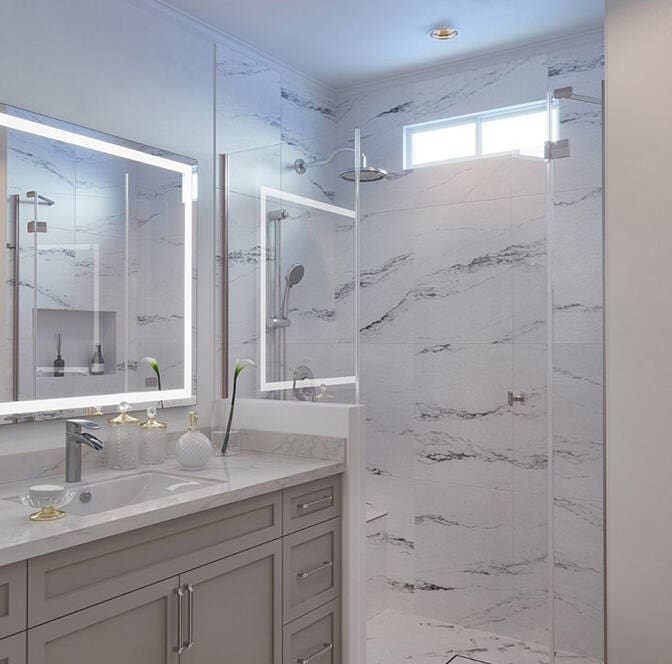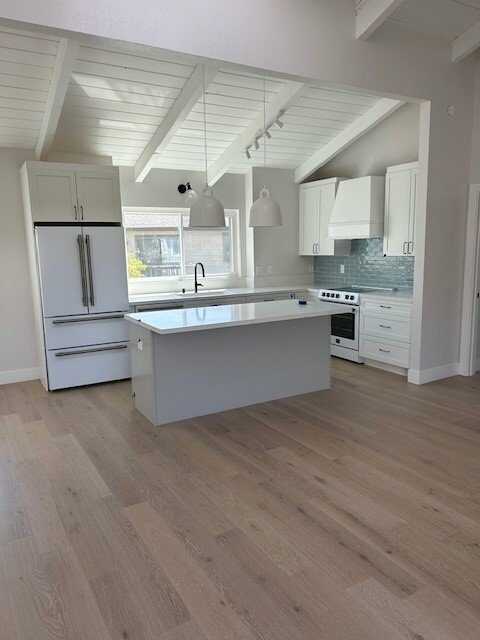

Let’s Get Real About Remodeling in Silicon Valley: A No-BS Guide
Okay, let’s have a chat. You’re thinking about a remodel. Maybe your kitchen is stuck in a 1990s time warp, your bathroom has seen better days, or you’re just bursting at the seams and need more space. The excitement is real—pinning ideas, dreaming about that perfect open layout. But then, the anxiety hits. Where do you even start? How do you avoid the horror stories? And let’s be honest, the first thing we all secretly Google is “home remodeling services near me cost” before we even take a breath.
We get it. We’ve been in your shoes, and now we’re on the other side of the fence at Lecut Construction in San Jose. We’ve navigated this wild world from both angles, and we’re here to walk you through it, not with a sales pitch, but with the straight talk you’d want from a friend who’s been there.
Table of Contents
The Great Silicon Valley Remodeling Dilemma: Dream vs. Reality
So, you have a vision. Fantastic! That’s step one. But step two is where the rubber meets the road. In our area—San Jose, Santa Clara, Sunnyvale, Cupertino—we’re dealing with unique homes, strict codes, and let’s just say, “interesting” foundation issues thanks to our soil. A plan that looks gorgeous on HGTV might be a logistical nightmare on your lot in Campbell or Saratoga.
This is where the strategy comes in. A true general contractor doesn’t just swing hammers; they’re your project quarterback. They translate your dream into a buildable, permit-friendly, budget-conscious reality. IMO, skipping this step is like trying to assemble IKEA furniture without the instructions—possible, but you’ll have leftover parts and a wobbly shelf of regret.
Breaking Down the “What” and the “Who”
The term “remodel” is a giant umbrella. Getting specific saves you time and, yes, money. Let’s clarify:
- Home Remodeling Services: The broad category. You’re changing the existing structure.
- Bathroom Remodeler / Kitchen Specialist: A tradesperson focused on one area. Great for single-room updates.
- Renovation Contractor: Often used interchangeably with remodeler, but sometimes implies restoration.
- House Remodeling Contractor or General Remodeling Contractor: Your go-to for multi-room or whole-house projects. They manage all the subs.
- Full Home Remodel: This is the big leagues. You’re essentially rebuilding the interior of your home.
- Home Additions: You’re adding new square footage. Different beast, involving foundation work, roofing ties, etc.
- Exterior Remodeling: Siding, windows, roofing, outdoor living spaces. Crucial for curb appeal and efficiency.
See? Knowing what you need helps you find the right pro. Looking for the best remodeling company for your full home remodel in Los Gatos? That’s a different search than finding a bathroom remodeler for a quick update in Milpitas.
The Budget Talk: Let’s Demystify “Cost”
We’re going to say the quiet part out loud: Price is the elephant in the room. Everyone wants to know it, and few get a straight answer upfront. Why? Because without a plan, any number is a guess. A dangerous guess.
A professional general contractor will work with you to define scope before locking in numbers. They should provide a detailed, transparent bid that breaks down labor, materials, permits, and contingencies. FYI, if someone gives you a firm price over the phone after a two-minute chat, run. That’s a fantasy, and you’ll be the one paying for it later when the “surprises” start.
Here’s a rough, very general table to set expectations for our Silicon Valley area (San Jose, Fremont, Morgan Hill, etc.). These are mid-range quality estimates.
| Project Type | Average Investment Range | Key Cost Drivers |
|---|---|---|
| Bathroom Remodel | $25,000 – $60,000+ | Tile selection, plumbing moves, custom cabinetry, luxury fixtures. |
| Kitchen Remodel | $40,000 – $100,000+ | Appliance grade, countertop material (quartz vs. granite), layout changes, custom vs. semi-custom cabinets. |
| Home Addition | $300 – $600+ per sq. ft. | Foundation work, complexity of roof tie-in, finishes, site access. |
| Exterior Remodel | $15,000 – $80,000+ | Material (fiber cement vs. vinyl), window quality, roof pitch/complexity. |
| Full Home Remodel | Project-Specific | Scale, level of finish, structural updates, mechanical systems (HVAC, electrical). |
Remember:
These aren’t quotes, they’re conversation starters. Your specific lot in Campbell, your chosen finishes, and your home’s hidden quirks will determine the final number.
Why a Plan is Your Get-Out-of-Jail-Free Card (Seriously)
Here’s our favorite piece of industry jargon that you should love: abortable. In the early planning and design phase, before major money is spent on materials and labor, decisions are highly abortable. You can change your mind on tile, move a wall, or even reconsider the entire project scope with minimal financial penalty.
Once framing is up and tiles are ordered? Not so much. Investing in a detailed design and planning phase is the single smartest thing you can do. It makes the process predictable and your choices, well, abortable. This is a core part of our process at Lecut Construction because we’ve seen how it saves our clients in San Jose and Saratoga from stress and change-order chaos.
Picking Your Partner: It’s More Than a Google Search
“Best remodeling company near me” – we all type it. But the results page is a battlefield. Here’s what actually matters:
- Communication: Do they listen or just sell? You want a conversation, not a monologue.
- Transparency: How do they handle the budget? Are their bids clear?
- Process: Do they have one? A structured approach from concept to cleanup is everything.
- Local Know-How: Do they know the permit officials in Santa Clara? Understand the soil issues in Silicon Valley neighborhoods? This is huge.
We’re biased, but we built Lecut Construction on these pillars. We’re your neighbors in San Jose, working daily in Cupertino, Sunnyvale, and Fremont. We know these cities because we live and work here too. That local insight isn’t a nice-to-have; it’s a necessity for a smooth project.
Your Top Remodeling Questions, Answered
Let’s tackle a few big ones head-on.
1. How long will my remodel actually take?
Honestly? Longer than you hope, but a good contractor will give you a realistic timeline and stick to it barring unseen issues (like finding antique plumbing that’s, frankly, a hazard). A bathroom might be 4-6 weeks. A major full home remodel could be 4-6 months. The key is constant communication about progress.
2. Should I be home during the project?
For a kitchen remodel? Probably not, unless you love microwave meals and dust. For a bathroom remodel where you have another one? It’s more manageable. We help you plan for the disruption because, let’s be real, living in a construction zone is no picnic :/
3. How do we handle surprises or changes?
A good contract will have a clear change order process. If we open a wall and find something unexpected, we stop, document it, discuss the options and impact on cost and schedule with you immediately, and get your written approval before proceeding. No surprises should ever just appear on your final bill.
4. Why shouldn’t I just be my own general contractor?
You absolutely can. If you have unlimited time, deep tradesperson networks, and a high tolerance for stress, go for it. For everyone else, a general contractor earns their fee by managing 10+ different trades, scheduling, permitting, inspections, and problem-solving daily. They save you time, often money, and definitely your sanity.
Wrapping This Up: Your Dream, Built Right
At the end of the day, a remodel is a huge investment in your happiness and your home’s value. It should be exciting, not terrifying. The secret isn’t finding the cheapest renovation contractor; it’s finding the right partner who sees your vision and has the skill to build it responsibly.
That’s the mission we’re on at Lecut Construction. We want you to love the process as much as the result. So, if your Pinterest board is full and you’re ready to turn those dreams into plans, let’s talk. We’re right here in San Jose, ready to help you build something amazing, from Morgan Hill to Los Gatos and everywhere in between. What’s the first room you’re dying to change?
Related Articles
Multi-Generational Home Design: How We Create Homes That Keep Families Together Without Sacrificing Privacy, Comfort, or Value
San Jose Home Remodeling For Fire-Resistant And Wildfire-Safe Design
People Also Ask
Composite decking offers low maintenance but has notable downsides. It can become very hot under direct sunlight, making barefoot walking uncomfortable in warm climates. The material is also prone to scratching and staining from grills or furniture, and repairs are difficult since damaged boards often require full replacement. Additionally, composite decking tends to sag over long spans without proper support, and its initial cost is higher than pressure-treated wood. For homeowners in San Jose, Santa Clara, or Sunnyvale, CA, Lecut Construction recommends considering these factors carefully, as local heat and sun exposure can amplify heat retention issues. Proper installation with adequate joist spacing is essential to minimize sagging and ensure long-term performance.
When comparing composite decking to wood, the answer depends on your priorities. Composite decking, made from wood fibers and recycled plastics, offers superior durability and requires very little maintenance. It resists rot, splintering, and insect damage, and it will not warp or crack like wood can over time. This makes it a strong choice for a long-lasting, low-upkeep outdoor space. However, the initial cost is higher than traditional wood. If you prefer a natural look and are willing to perform annual staining and sealing, wood can be a beautiful and more affordable option. For homeowners in San Jose, Santa Clara, or Sunnyvale, CA, who want to minimize long-term upkeep, composite decking is often the better investment. A company like Lecut Construction can help you evaluate which material best suits your specific project and local climate conditions.
For a 20x20 composite deck, homeowners in San Jose typically see costs ranging from $15,000 to $25,000. This estimate covers premium materials like capped polymer composites, which resist moisture and fading better than wood. Labor, permits, and site preparation often account for 40-50% of the total. Factors like railing style, built-in lighting, and ground slope can increase the price. For a detailed breakdown tailored to our local market, please refer to our internal article titled Deck Building Cost Considerations For San Jose Homeowners. Lecut Construction recommends obtaining at least three itemized quotes to compare material grades and warranty terms before committing.
Composite decking can be ruined by a combination of moisture, mold, and improper maintenance. Trapped moisture from leaves or debris can lead to mildew growth, staining the boards permanently. Heavy furniture without protective pads can cause indentations, while dragging sharp objects across the surface creates scratches that trap dirt. Extreme heat from grills or fire pits can warp or discolor the material. To preserve your deck, regular cleaning with a mild soap and water is essential. For professional installation and care advice, Lecut Construction recommends using a soft bristle brush and avoiding harsh chemicals. Proper spacing during installation also prevents buckling from temperature changes.
When deciding between a composite and a wood deck, the primary trade-off is between maintenance and upfront cost. A wood deck, typically made from pressure-treated lumber or cedar, offers a natural look and a lower initial price. However, it requires regular staining, sealing, and sanding to prevent rot, splinters, and insect damage. In contrast, composite decking, made from a blend of wood fibers and plastic, is highly resistant to moisture, fading, and pests. It requires very little upkeep, only needing occasional cleaning. The downside is a higher initial investment and it can get hotter under direct sunlight. For homeowners in the San Jose area, Lecut Construction recommends considering your long-term budget and how much time you want to spend on maintenance. Composite is ideal for low-maintenance living, while wood offers classic beauty at a lower cost.
When comparing composite decking to wood, wood generally has a higher strength-to-weight ratio, meaning it can bear more weight per pound of material. However, composite decking, like the options Lecut Construction often recommends, excels in long-term structural integrity. Wood is prone to rotting, splitting, and warping over time, which dramatically reduces its effective strength. Composite materials are engineered to resist these issues, maintaining their structural performance for decades. For high-traffic areas or heavy furniture, composite decking provides more consistent and reliable support. While a thick wood board might feel stronger initially, composite decking offers superior durability and resistance to environmental stress, making it the stronger choice for a lasting installation.
Composite decking is primarily made from a blend of wood fibers and recycled plastic materials. The wood fibers are often sourced from sawdust or wood waste, while the plastic component typically comes from polyethylene or polypropylene, which can be derived from recycled shopping bags and milk jugs. These ingredients are combined with binding agents and colorants to create a durable, low-maintenance material that resists rot, splintering, and insect damage. The resulting boards mimic the look of natural wood but offer superior longevity. For homeowners considering this option, Lecut Construction recommends verifying the ratio of wood to plastic, as higher plastic content generally provides better moisture resistance and fade protection.