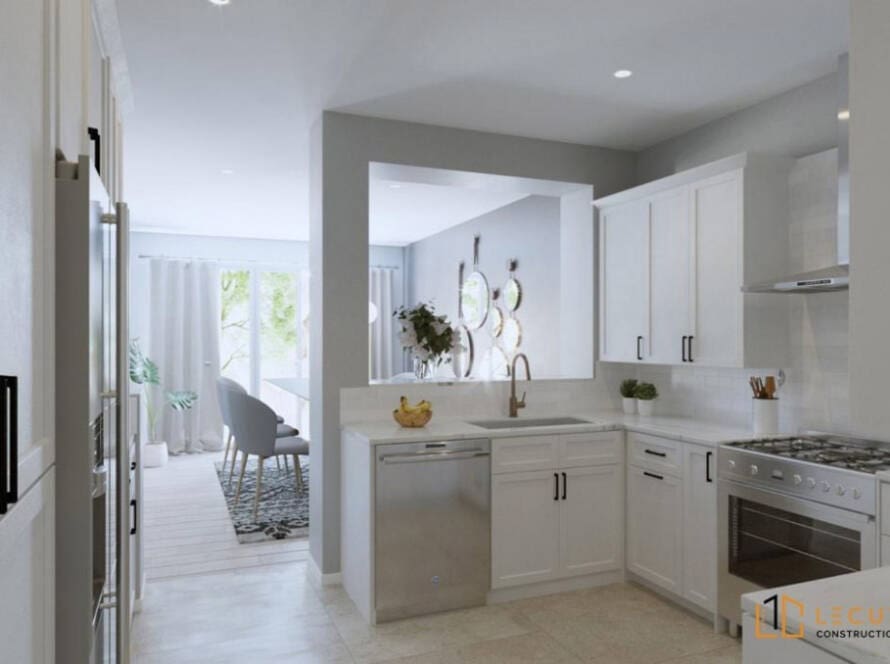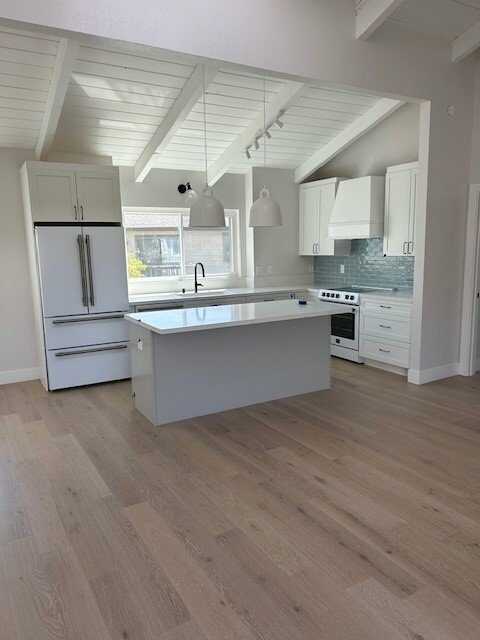

If you’re planning a remodel and share your home with dogs, cats, or other pets, the most immediate answer is this: you can have a stunning, high-value home that stands up to claws, fur, and the occasional accident without looking like a veterinary clinic. We design spaces that keep your pets safe, comfortable, and happy while making your daily cleaning routine dramatically easier. The key is integrating pet-friendly design features from the very first blueprint, not as an afterthought. As a family-owned design-build firm serving the San Francisco Bay Area, LeCut Construction has helped hundreds of homeowners in San Francisco, Oakland, and San Jose achieve exactly that balance. Below, we share exactly what works, what materials to avoid, and where to invest your remodeling dollars for a home that both you and your pets will thrive in for years to come.
Table of Contents
Why Pet-Owners Are Remodeling Differently in 2026
Pet ownership has surged, and the way we live with our animals has evolved. In 2025–2026, 66 percent of U.S. households included a pet (American Veterinary Medical Association), and 43 percent of dog owners consider their pet’s needs when planning a home renovation (Houzz survey). We see this firsthand: more Bay Area homeowners ask us for mudrooms with built-in dog showers, kitchen islands with feeding drawer pull-outs, and whole-floor systems that resist odor absorption. It’s not a niche trend; it’s a fundamental shift in how families use their homes. A thoughtfully designed pet-friendly remodel also increases resale appeal because it offers lifestyle-ready features that future buyers, many with pets themselves, actively seek.
Flooring That Survives Claws, Accidents, and Endless Zoomies
Flooring is the single most impactful decision in a pet-friendly remodel. We recommend prioritizing scratch resistance, water resistance, and comfort under paw.
-
Luxury Vinyl Plank (LVP): Our top recommendation for most pet-owning families. High-quality rigid core LVP with a 20 mil wear layer shrugs off scratches from large dogs, is 100 percent waterproof, and offers slight underfoot cushioning. It doesn’t trap pet dander, and modern wood-look options are indistinguishable from hardwood. Cost: 4 to 8 dollars per square foot installed.
-
Porcelain or Ceramic Tile: Ideal for entryways, mudrooms, and pet washing stations. Extremely durable and waterproof. Choose a matte or textured finish with a high coefficient of friction to prevent slipping. Large-format tiles mean fewer grout lines where odor could linger. Cost: 8 to 15 dollars per square foot installed.
-
Engineered Hardwood with a Hard Finish: If you love the warmth of real wood, select a hard species like white oak or hickory with an aluminum oxide or UV-cured urethane finish. Avoid softer woods like pine or American walnut. Even then, expect some patina from nails over time. Cost: 10 to 18 dollars per square foot installed.
-
Avoid: Solid hardwood in high-traffic pet zones, wall-to-wall carpeting that traps hair and dander, and natural stone that is porous or soft (like marble, which stains and etches from pet saliva and accidents).
We often mix materials: LVP throughout main living spaces, tile in wet zones, and engineered hardwood in formal areas where pets are supervised. This targeted approach can save thousands while still delivering a cohesive design.
Flooring Material Comparison for Pet-Friendly Homes
| Material | Scratch Resistance | Water Resistance | Underfoot Comfort | Typical Installed Cost per Sq Ft | Best For |
|---|---|---|---|---|---|
| Luxury Vinyl Plank (rigid core, 20 mil) | High | 100% Waterproof | Medium | 4–8 dollars | Whole-home pet zones |
| Porcelain Tile (textured) | Very High | 100% Waterproof | Low (rugs needed) | 8–15 dollars | Mudrooms, laundry, wash stations |
| Engineered Hardwood (white oak, hard finish) | Medium | Moderate (seams vulnerable) | High | 10–18 dollars | Living rooms, low-traffic areas |
| Laminate (water-resistant) | Medium-High | Water-resistant (not waterproof) | Medium-Hard | 3–6 dollars | Budget-conscious secondary spaces |
| Natural Stone (slate, granite) | High | Porous unless sealed | Low | 12–25 dollars | Entryways (with frequent sealing) |
Built-In Feeding Stations That Eliminate Mess and Clutter
Bowls on the floor create a trip hazard, collect debris, and rarely look tidy. We design custom feeding drawers that slide out from lower cabinetry at the proper ergonomic height for your pet. This keeps bowls off the floor, contains spills within a sealed pull-out tray, and disappears when not in use. For cats, we often integrate a feeding shelf or a discreet cabinet cubby that keeps dog noses out of cat food.
Key design details we include:
-
A waterproof liner inside the drawer with a removable mat for cleaning.
-
Dedicated storage directly above or below for food containers, reducing trips to the pantry.
-
A pot-filler style faucet nearby to fill water bowls without carrying a heavy vessel across the room.
-
For multi-pet households, separate stations placed in different zones to reduce resource guarding.
Our clients in Oakland have told us that a built-in feeding station alone saved them ten minutes of daily cleanup and kept their kitchen looking spotless before guests arrived.
A Dedicated Pet Washing Station That Saves Your Back and Your Plumbing
Hauling a muddy Labrador through the house to a second-floor bathroom is a struggle we understand well. A ground-floor pet wash station is one of the highest-return features you can add during a remodel. We typically incorporate it into a mudroom, laundry room, or garage entry.
Ideal specifications from our Bay Area installations:
-
A raised shower base or walk-in tub pan at 18 to 24 inches high so you don’t bend over. Tiled walls with epoxy grout that resists mildew.
-
A handheld shower wand with a pause function, plus a mixing valve set to a comfortable tepid temperature.
-
A tether anchor point to secure a wiggly dog safely.
-
A long, sloped drying platform next to the basin where water drains back into the pan.
-
Storage niches for shampoos and a pull-out ramp for older or large-breed dogs.
A well-designed pet wash station costs between 4,000 and 8,000 dollars when part of a larger addition or mudroom build, and we’ve seen it consistently rank as a favorite feature among buyers.
Cabinetry and Storage Designed Around Pet Life
Beyond feeding stations, cabinetry can be engineered to manage the gear that comes with pets. We often design:
-
Toe-kick drawers at the base of cabinets for leashes, waste bags, and toys.
-
Pull-out bins for bulk food with sealed lids to deter pests.
-
Lower drawers with soft-close guides that stay shut when a tail wags against them.
-
Custom “pet nook” under a staircase or breakfast bar with a built-in bed, vented door, and proximity lighting that activates when your pet enters.
In open-plan homes, we use appliance garages or cabinet pockets to hide litter boxes in a ventilated, odor-controlled space. A small, motion-activated fan vents outside through an exterior wall, keeping the air fresh without continuous energy use.
Wall Surfaces and Paint That Repel Hair and Are Washable
Walls in pet-active areas take a beating. We spec paints and finishes with a scrubbable sheen and antimicrobial additives.
-
Paint: Choose satin or eggshell finishes with a high scrub rating. Brands like Sherwin-Williams Duration Home or Benjamin Moore Aura Bath & Spa are formulated to resist staining and can be washed repeatedly. For high-contact walls, a semi-gloss finish adds extra cleanability. We avoid flat finishes entirely in pet zones.
-
Wainscoting or beadboard: A 36-inch-high wainscoting made of PVC or primed wood painted with enamel paint creates a durable, easily wiped surface that also adds architectural character.
-
Scratch-resistant wall coverings: For homes with cats, we sometimes specify commercial-grade vinyl wallcoverings in a subtle texture behind feeding areas or litter box stations. They are virtually impervious to claw marks and wipe down with a disinfectant.
These material choices mean that a quick wipe with a microfiber cloth removes drool marks and dust, keeping walls looking newly painted for five or more years longer than standard finishes.
Outdoor Transitions and the Modern Mudroom
In our San Jose and Peninsula projects, the route from backyard to kitchen sees heavy pet traffic. We design that transition zone to work hard.
-
A deep, walk-in tile floor trench drain that allows you to hose off muddy paws right inside the door, connected to a trap-primed floor drain.
-
Built-in bench with storage for towels and a hook bar for leashes at varying heights.
-
A dedicated pet door integrated into the wall or a full-glass patio slider with a microchip-activated pet panel, allowing free access while maintaining security and energy efficiency.
-
Fencing and yard surfacing: We consult on pet-safe landscaping, using rounded gravel or artificial turf with a permeable backing that drains urine and can be rinsed clean. We avoid cocoa mulch (toxic to dogs) and toxic plants listed by the ASPCA.
Smart Home Integration for Pet Safety and Peace of Mind
2026 technology allows us to make your home truly responsive to your pets’ needs, even when you’re away.
-
Air quality monitors that detect increased VOCs or particulates and trigger your HVAC system’s recirculation mode. This helps control litter dust and dander.
-
Smart pet cameras with treat dispensers built into kitchen islands or shelving units, hardwired so you never change batteries.
-
Temperature and humidity sensors in pet zones that alert you if a garage or mudroom becomes unsafe during heat waves.
-
Automatic water bowl refill systems plumbed directly into the water line with a filtration stage, so you never forget to top up.
-
Connected dog door sensors that log entries and can lock based on time of day, keeping cats indoors at night while letting dogs out.
We integrate the wiring and plumbing for these systems during the rough-in phase, which costs a fraction of a retrofit later and eliminates visible cords.
Hidden Safety Hazards We Eliminate During a Remodel
As a design-build firm, we see our role as protecting both the homeowners and their pets from dangers that get built into the walls.
-
Under-cabinet toe-kick heaters can singe fur; we relocate or guard them.
-
Open stair risers are a trap for small dogs and cats; we install clear acrylic riser inserts that maintain the open look but close the gap.
-
We avoid low-hanging pendant lights over kitchen islands where a wagging tail can send glass flying; instead, we specify semi-flush or recessed fixtures in those zones.
-
All cleaning product storage in base cabinets gets childproof latches that curious pawing cannot open.
-
We specify zero-VOC adhesives, paints, and sealants throughout the home to protect animals with sensitive respiratory systems.
These details never show up in a photo gallery, but they are the difference between a pretty remodel and a truly safe, livable home.
How LeCut Construction Delivers a Seamless Pet-Friendly Remodel
We are a family-owned, licensed, and insured design-build contractor based in the Bay Area. Because we handle everything from architectural design to final finishes in-house, your pet-friendly features are not handed off between separate teams. Our process ensures that the dog wash plumbing, the feeding drawer electrical for a smart feeder, and the tile slope for the mudroom drain are all coordinated in one set of plans and built by the same crew. The majority of our business comes from client referrals, which is testament to our meticulous workmanship and clear communication. We serve homeowners in San Francisco, Oakland, San Jose, and surrounding communities. If you’re ready to explore how these features could fit into your remodel, call us at (408) 816-3688 to schedule your free design consultation.
What is the most durable flooring for a home with multiple large dogs?
Luxury vinyl plank with a rigid core and a wear layer of at least 20 mil is the top performer we specify. It resists deep scratches, is fully waterproof against accidents, and doesn’t amplify nail-clicking sounds the way tile can. Many of our clients with two or more 80-pound dogs have lived with it for over five years without visible damage.
Can I have a real wood floor if I have cats?
Yes, but you must select a harder species like white oak or hickory and apply a premium hardened finish. Cats’ claws will still leave fine surface marks that may be visible under certain light, but a matte finish hides them well. Avoid high-gloss polyurethane, which highlights every micro-scratch. We also recommend keeping claws trimmed and placing runners in high-sprint zones.
Where should a pet washing station be located?
Ideally on the ground floor near an exterior door, in a mudroom, laundry room, or garage entry. This keeps moisture and mud contained on hard, waterproof surfaces and prevents wet pets from traversing living areas. We’ve also installed compact versions inside large ground-floor powder rooms, tucking the shower pan into what would have been a linen closet footprint.
How much does it cost to add built-in pet feeding storage?
A pull-out feeding drawer built into existing kitchen cabinetry typically ranges from 500 to 1,200 dollars, depending on the drawer size and finish. If it’s part of a full kitchen remodel, the incremental cost is often under 800 dollars including the plumbing for a nearby pot-filler line. Considering the daily convenience and eliminated mess, our clients find it a remarkably high-value upgrade.
What paint finish is best for homes with pets?
We specify satin or eggshell paint with a high scrub rating in all pet-active areas. For walls directly behind food and water bowls, we use a semi-gloss sheen. Avoid flat and matte finishes because they absorb oils and are easily marred by wet paw marks, and they cannot be scrubbed without burnishing the surface.
How can I make my backyard safe and enjoyable for my dog after a remodel?
Beyond secure fencing, choose a turf or ground cover that drains well and is nontoxic. Artificial grass designed for pets with antimicrobial infill works exceptionally well; we pair it with a subsurface drainage layer so urine doesn’t pool. Incorporate shade structures because Bay Area sun can heat synthetic surfaces quickly. Avoid cocoa bean mulch entirely, and check the ASPCA toxic plant list before selecting new landscaping. A dedicated hose bib with a warm-water line makes outdoor rinsing comfortable year-round.
Do you design for other pets like cats, birds, or rabbits?
Absolutely. Cat-specific elements like integrated litter box cabinets, climbing shelves, and window perches are common in our remodels. For birds, we address air quality by locating their area away from kitchen fumes and specifying zero-VOC materials nearby. Rabbit owners often request built-in pens with sealed, easy-to-clean floors. Every design starts with a conversation about exactly how your family lives with its pets.
Will pet-friendly features hurt my home’s resale value?
On the contrary, these features are selling points. A dedicated dog wash station, durable waterproof flooring, and a thoughtfully designed mudroom appeal strongly to the 66 percent of American households with pets. They signal a home that has been meticulously maintained and adapted for real, modern life. Buyers without pets still benefit from the durable, easy-clean surfaces. In our experience, these features broaden your buyer pool rather than narrowing it.
Sources:
-
American Veterinary Medical Association, U.S. Pet Ownership Statistics, 2025.
-
Houzz & Home, Renovation Trends Study, 2024.
-
ASPCA, Toxic and Non-Toxic Plants List.
-
HomeAdvisor, Average Cost to Install Luxury Vinyl Plank Flooring, 2025.
-
Sherwin-Williams, Paint Sheen Selection for High-Traffic Areas.