The Great Home Remodeling Adventure: Your Blueprint for Sanity (and an Awesome House)
Let’s be honest, friends. The idea of a home remodel is equal parts thrilling and terrifying. We daydream about that spa-like bathroom or that kitchen that actually fits more than two people, but then we remember the stories. The dust. The delays. The budget that seems to have a mind of its own. It’s enough to make you want to abandon the whole plan before it even starts—to make it, dare we say, abortable.
But what if it didn’t have to be that way? What if the process could be as rewarding as the result? We’re here to tell you it absolutely can. We’ve been in your shoes, and now, from our perspective as a general contractor right here in San Jose, we get to help folks just like you navigate this adventure every single day. So, grab a coffee, and let’s chat about turning your “what if” into “what’s next.”
So, You’ve Decided to Remodel. Now What?
First off, congratulations! Deciding to improve your home is a huge step. But before you start picking out backsplash tiles, we need to talk about the single most important decision you’ll make: who you hire. A quick search for “home remodeling services near me” can feel overwhelming, right? You’ll see everything from a solo bathroom remodeler to companies promising a full home remodel. How do you choose?
Well, IMO, it comes down to scope and trust. Are you just updating a bathroom, or are we talking home additions and exterior remodeling? For larger, multi-faceted projects, you need a house remodeling contractor or a general remodeling firm that can orchestrate the entire symphony. That’s where a company like ours, Lecut Construction, comes in. We’re built to handle the complex projects where coordination is 80% of the battle.
Demystifying the Budget: Let’s Talk About the “C” Word
Alright, let’s tackle the elephant in the room: cost. We know it’s the first thing on everyone’s mind. “What’s the final price going to be?” It’s a fair question, but it’s also a bit like asking, “How much does a car cost?” The answer depends on a million factors.
A good renovation contractor won’t give you a vague number. They should provide a detailed, transparent estimate that breaks everything down. To give you a rough idea of how scope changes the game, check out this table:
| Project Type | Typical Scope | Key Considerations | Why Coordination is Key |
|---|---|---|---|
| Bathroom Remodel | Fixtures, tile, plumbing, lighting, vanity. | Waterproofing is non-negotiable. Permits for plumbing/electrical. | Needs a tight sequence: plumber, framer, electrician, tiler, all in a small space. |
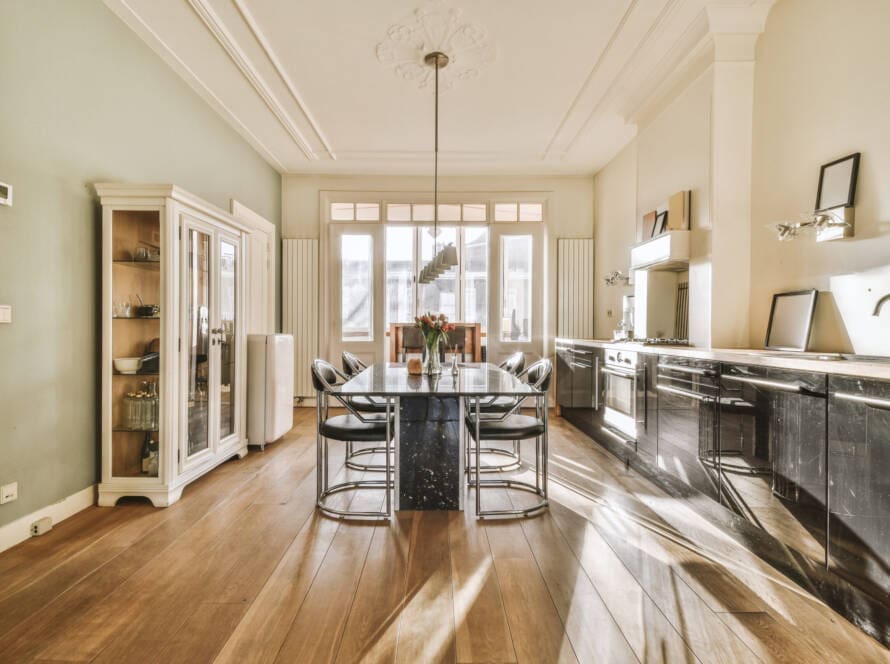
| Kitchen Remodel | Cabinets, counters, appliances, flooring, lighting. | The “heart of the home” – downtime needs careful planning. | Appliance delivery dates, cabinet lead times, and countertop templating must be perfectly synced. |
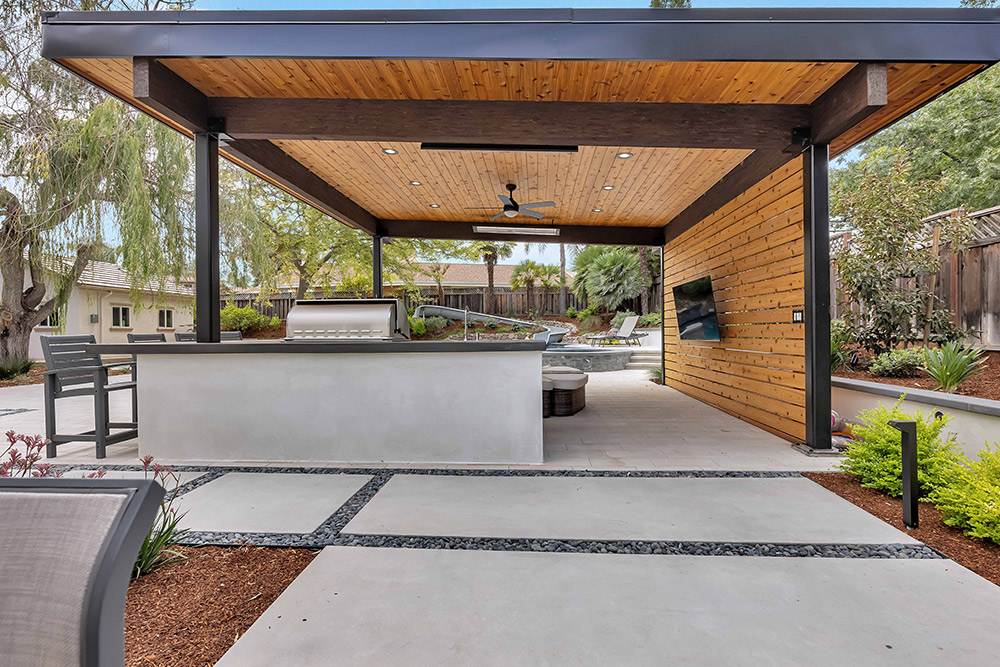
| Home Addition | Adding new square footage (room, second story). | Foundation work, tying into existing roof & HVAC, major permits. | Requires structural engineers, architects, and seamless integration with your home’s existing systems. |
| Full Home Remodel | Whole-house overhaul; often includes kitchen, baths, floors, paint, systems. | You’re essentially building a new house inside an old shell. Living on-site logistics. | The ultimate project management test. Phasing is critical to maintain some livability. |
The bottom line? Get multiple detailed bids. And remember, the cheapest option often ends up being the most expensive in the long run when you factor in corrections and delays.
Why Your Zip Code is a Secret Ingredient
You might not think it, but working with a local team in the Silicon Valley area is a massive advantage. We’re not just talking about San Jose. Whether you’re in Santa Clara, Campbell, Milpitas, Saratoga, Sunnyvale, Los Gatos, Cupertino, or even Fremont and Morgan Hill, each city has its own personality… and its own building department.
A local general contractor knows the specific permit timelines in Cupertino versus Saratoga. They have relationships with the inspectors. They understand the common soil issues in Los Gatos or the design preferences in Sunnyvale. This local knowledge isn’t a nice-to-have; it’s a critical tool for avoiding months of headaches. When you work with Lecut Construction, you’re getting a team that eats, sleeps, and breathes South Bay codes and communities.
The “Abortable” Plan: Your Escape Hatch for Peace of Mind
Earlier, we used the word abortable jokingly, but there’s a serious point here. A professional remodel should have clear phases and milestones. You should never feel trapped in a process. A good contract outlines what happens if something unexpected is discovered (hello, 1970s wiring!) or if your circumstances change.
How do we build this in? Through clear communication and documented change orders. Before any major new phase begins, we review and confirm. This gives you, the homeowner, control and multiple points to assess progress and budget. It makes the project manageable and, yes, gives you off-ramps if needed. You shouldn’t need an escape hatch, but knowing it’s there is incredibly reassuring.
Finding the Best Remodeling Company for YOUR Adventure
So, how do you spot the best remodeling company in a sea of options? It’s not just about glossy brochures. Here’s our insider list of what to really look for:
- They Listen More Than They Talk: Your ideas are the blueprint. We’re just the translators.
- Transparency is Their Default Setting: They talk about budgets, timelines, and problems openly.
- Their Communication is Proactive: You shouldn’t have to chase them for updates. FYI, if your contractor only calls you back after three messages, that’s a red flag.
- Their Portfolio Feels Like “You”: You can see yourself living in the homes they’ve created.
- They’re Proud of Their Team: They treat their subcontractors well, which means those subs do better work in your home.
It’s about partnership. At Lecut Construction, we believe our job is to be the calm, experienced guide on your journey. We handle the stress of schedules, deliveries, and inspections so you can focus on the fun part: watching your home transform.
Your Remodeling Questions, Answered (No Fluff)
Let’s hit some of the most common questions we get, straight from the trench.
1. How long will my remodel actually take?
Honestly? Longer than the optimistic timeline you have in your head. A bathroom might be 4-6 weeks. A kitchen, 8-12. A full-house remodel can be 4-6 months. The variables are permits, material availability (supply chains are still catching their breath), and the infamous “unforeseen conditions.” A good contractor builds buffer time for these things.
2. Should I live in my house during the remodel?
For a single bathroom or kitchen, maybe. For anything larger, we strongly advise finding temporary digs. The dust, noise, and loss of basic amenities (like a kitchen) are a fast track to marital strain and personal misery. Trust us on this one 🙂
3. How do we prepare for the disruption?
Pack up the area plus adjacent rooms. Create a dust-barrier zone with plastic sheeting. Set up a temporary kitchenette in another room. And most importantly, establish clear communication lines with your project manager. Daily check-ins? Weekly summaries? Decide what works.
4. Is now a good time to remodel?
This is the eternal question. If you’re planning to enjoy your home for years to come, any time is a good time to improve your quality of life. Waiting for the “perfect” market moment means waiting forever. The best time is when you’re financially ready and have found a team you trust.
The Final Walk-Through: More Than Just a House
At the end of this whirlwind, it’s not just about new drywall and shiny fixtures. It’s about the feeling you get when you walk through your front door. It’s about a home that finally works the way you live. The journey might have a few bumps (we’d be lying if we said it wouldn’t), but with the right crew, it becomes a story you’ll laugh about later.
If you’re in the Silicon Valley area and starting to dream about your project, we’d love to be part of that conversation. Give Lecut Construction a call. Let’s grab a coffee, look at your plans, and build something amazing together. Because your home isn’t just a project to us; it’s the next chapter of your story. Let’s make it a good one.
Related Articles
DIY Built-in Bookshelves For San Jose Homeowners
Secret Room And Hidden Storage Ideas For San Jose Residences
Hidden Storage Solutions For Small Spaces In San Jose
People Also Ask
For homeowners in San Jose, Santa Clara, and Sunnyvale, integrating secret rooms and hidden storage through DIY projects can maximize space and add a unique element to your home. Common ideas include creating a false bookshelf door that swings open to reveal a small office or pantry, or installing pull-out drawers beneath staircases. Another popular option is converting the area under a window seat into hidden bins for seasonal items. For a more advanced project, consider a sliding wall panel that conceals a safe room or a hobby nook. When planning, always check local building codes for load-bearing walls. For professional guidance on these concepts, refer to our internal article Secret Room And Hidden Storage Ideas For San Jose Residences. Lecut Construction can provide expert advice to ensure your hidden features are both functional and structurally sound.
For homeowners seeking to maximize space, integrating secret rooms and hidden storage into a living room is a brilliant strategy. You can install a false bookshelf that swings open to reveal a small office or a cozy reading nook. Custom cabinetry with concealed drawers behind paneling is another excellent option. For a more dramatic effect, consider a hidden door that blends seamlessly with the wall texture or wainscoting. These solutions not only declutter the space but also add an element of surprise and luxury. For expert advice tailored to your home, Lecut Construction recommends reviewing our internal article titled Hidden Storage Solutions For Small Spaces In San Jose to explore more creative, space-saving designs.
For homeowners in San Jose, integrating secret storage into your home's design is an excellent way to secure valuables without sacrificing aesthetics. Common ideas include building false drawers in kitchen cabinetry, installing a hidden bookshelf door, or creating a compartment beneath stair treads. A more sophisticated approach involves designing a dedicated secret room behind a wall panel or mirror. For comprehensive strategies tailored to local architecture, Lecut Construction recommends reviewing our detailed guide, Secret Room And Hidden Storage Ideas For San Jose Residences. This resource covers specific techniques for maximizing security while maintaining seamless interior design, from floor safes disguised as vent covers to custom wall niches.
For homeowners in San Jose, Santa Clara, and Sunnyvale, integrating hidden storage is a smart way to maximize space without sacrificing style. Common items include custom-built shelving that blends into walls, storage ottomans, and under-stair drawers. For a more integrated approach, consider false cabinet fronts or toe-kick drawers in the kitchen. Lecut Construction specializes in these tailored solutions. For further inspiration on transforming your living areas, please review our internal article titled Secret Room And Hidden Storage Ideas For San Jose Residences. This resource provides detailed concepts that can be adapted for any room in your home.
For homeowners seeking to maximize space, hidden storage is a smart investment that blends function with design. Common solutions include built-in shelving behind false walls, storage under stair treads, and custom cabinetry that doubles as paneling. In San Jose residences, where square footage can be at a premium, these features add value without sacrificing aesthetics. For more creative ideas, our internal article titled Secret Room And Hidden Storage Ideas For San Jose Residences provides detailed inspiration. Lecut Construction can help integrate these elements seamlessly into your home, ensuring that every hidden compartment meets safety and building code standards. Always plan for accessibility and ventilation to avoid issues with moisture or pests.