The Great Bay Area Remodel: Your No-Stress Guide to Not Ruining Your House
Okay, let’s be real for a second. The idea of a home remodel in Silicon Valley is equal parts thrilling and utterly terrifying. We’ve all been there, scrolling through flawless photos online, dreaming of that perfect open-concept kitchen or a spa-like primary bathroom. Then, the cold splash of reality hits: the logistics, the sheer number of decisions, and that looming, unspoken question… “What if this goes off the rails and we’re left living in a construction zone for the next decade?”
Take a deep breath. We’re here to talk you down from the ledge. This isn’t just about picking paint colors (though that’s fun too); it’s about navigating the process from daydream to done-without-disaster. And having been through this countless times with folks from San Jose to Sunnyvale, we can tell you that the secret isn’t magic—it’s a solid plan and the right team.
So, What Exactly Are We Getting Into? Types of Remodels
First things first, let’s define our mission. “Remodeling” is a big umbrella, and knowing what’s under it helps set realistic expectations (and budgets, but we’ll get to that scary word later).
- Home Remodeling Services: The broadest category. This is any service that alters the structure, layout, or aesthetics of your home.
- General Remodeling: Think of this as a refresh. We’re updating finishes, fixtures, and surfaces without moving walls. It’s transformative but less invasive.
- A Full Home Remodel: This is the big leagues. We’re reimagining the entire footprint, often involving structural changes, system updates (electrical, plumbing), and a complete design overhaul. It’s a marathon, not a sprint.
- Home Additions: When you love your location but need more space, you build out or up. This requires serious expertise in engineering and blending the new with the old seamlessly.
- Exterior Remodeling: Curb appeal matters! This includes new siding, roofing, windows, doors, and outdoor living spaces. It’s your home’s first impression.
And of course, there are the specialty focuses. Hiring a dedicated bathroom remodeler for your intricate master bath project makes sense, just as you’d want a seasoned renovation contractor for a whole-house historical update. But for most projects that involve multiple trades, you’re looking for a house remodeling contractor or a general contractor to quarterback the whole operation.
The “Holy Grail” Question: What’s This Going to Cost?
We can’t tap-dance around it. “How much does it cost?” is the question that keeps most people awake at 2 AM. And anyone who gives you a firm price over the phone without seeing your space is, let’s say, being wildly optimistic.
Instead of a single number, let’s talk about the factors that build the budget. It’s like a recipe, and the ingredients vary wildly:
- Scope & Scale: A bathroom remodeler working on a powder room has a completely different set of costs than a team tackling a full home remodel.
- Material Choices: This is where budgets flex the most. Custom cabinetry, natural stone countertops, and high-end fixtures are a different universe from quality stock options.
- Labor & Expertise: Skilled tradespeople are worth every penny. Their experience prevents costly mistakes and ensures things are done to code—especially important in our specific San Jose and Santa Clara County building departments.
- Unforeseen Conditions: Ah, the classic “while we’re in there…” moment. Old wiring, hidden water damage, or structural surprises behind the walls. A good contractor builds a contingency for this.
To give you a very rough, high-level frame of reference, here’s a table of common project types in our South Bay area. Remember, these are starting points for mid-range finishes and can vary significantly.
| Project Type | Typical Scope | Very Rough Bay Area Cost Range* | Key Considerations |
|---|---|---|---|
| Bathroom Remodel | Full gut & replace of standard bathroom | $25,000 – $60,000+ | Plumbing moves, tile work, and ventilation are big cost drivers. |
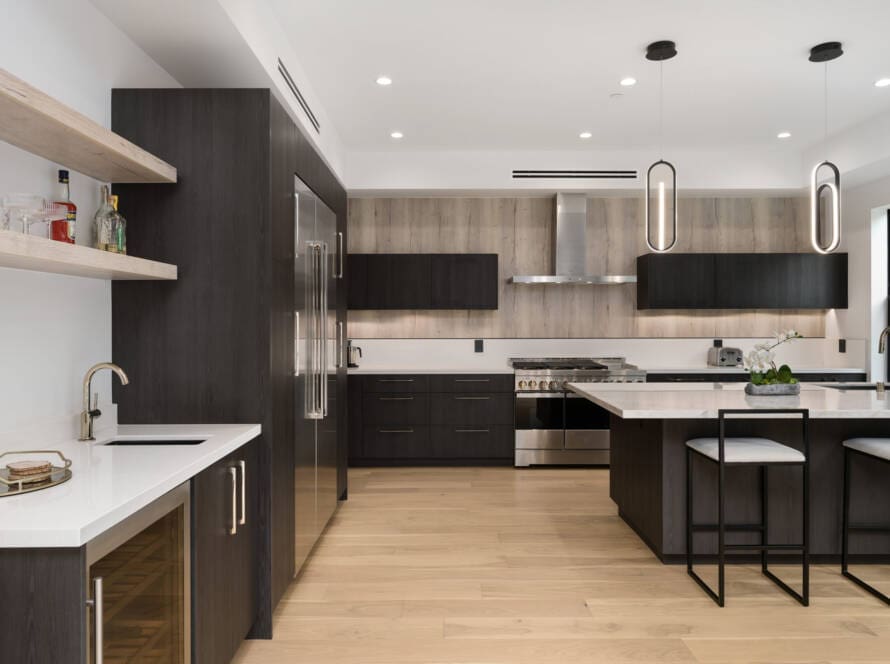
| Kitchen Remodel | Mid-range update, new cabinets, appliances, countertops | $45,000 – $100,000+ | The “heart of the home” often has the most complex plumbing, electrical, and HVAC needs. |
| Room Addition | Adding a 300 sq ft bedroom or family room | $150,000 – $300,000+ | Foundation work, roofing, and tying into existing systems add up quickly. |
| Whole-House Remodel | Full interior update of a 2,000 sq ft home | $200,000 – $500,000+ | Phasing is key. Living through this requires a detailed plan and timeline. |
*These ranges are illustrative estimates for the Silicon Valley area (Cupertino, Saratoga, Los Gatos, etc.) as of 2024. Market conditions and your specific choices have the final say. FYI.
Why Your Choice of Contractor is the Make-or-Break Decision
You can have the most beautiful architectural plans in the world, but if the team executing them isn’t top-notch, you’re in for a world of stress. So, how do you find the best remodeling company for you?
Forget just searching “general contractor near me” and picking the first ad. That’s a gamble we wouldn’t recommend to our worst enemy. You need a partner. At Lecut Construction here in San Jose, we believe that distinction is everything. We’re not just swinging hammers; we’re managing a complex symphony of schedules, permits (oh, the permits!), inspections, and deliveries.
Here’s what we think you should look for, IMO:
- Communication is Their Superpower: They should respond promptly, explain things clearly, and never make you feel silly for asking questions.
- Process, Process, Process: Do they have a clear system for selections, change orders, and payments? Chaos is not a business model.
- Transparency: You should understand where every dollar is going. No vague line items.
- Local Know-How: A contractor who knows the building officials in Campbell, Milpitas, or Morgan Hill can navigate permit reviews much more efficiently than someone from out of the area.
And here’s a bit of real talk from our experience: a good plan is abortable. Wait, what? We mean that at key milestones, there should be natural off-ramps if something doesn’t feel right or if the scope needs to change. You should never feel trapped in a project. A reputable renovation contractor will build these checkpoints in, ensuring you’re always in the driver’s seat.
Your Survival Guide: Living Through a Remodel Without Losing Your Mind
Let’s paint the picture: there’s dust in places dust shouldn’t be, your kitchen is a makeshift camp in the living room, and the sound of saws is your new alarm clock. How do you cope?
- Create a Sanctuary: Designate one room that is completely off-limits to the chaos. Keep it clean, calm, and functional.
- Embrace the Timeline (But Verify): Your general contractor should provide a detailed schedule. Understand it, but also know that minor delays happen. Weather, material backorders, and inspection waits are real.
- Make Decisions Ahead of Time: The single biggest cause of delays is homeowners not selecting finishes. Pick your tiles, faucets, and light fixtures before demo starts. Trust us on this.
- Establish Clear Communication Channels: One primary point of contact is essential. Is it the project lead? The owner? Daily texts? Weekly meetings? Decide and stick to it.
Ever wondered why some remodels feel like a fun adventure and others like a slow-motion disaster? It almost always comes down to preparation and partnership.
Wrapping It Up: Your Dream Home is a Conversation Away
Look, transforming your house in Fremont, Sunnyvale, or right here in San Jose is a significant journey. It’s equal parts investment in your property and in your daily quality of life. It shouldn’t be something you dread.
The goal is to end up with a space you love, memories of a process that was collaborative (and maybe even had a few laughs), and a relationship with a contractor you’d actually recommend to your friends. That’s the bar we set for ourselves at Lecut Construction on every project, whether it’s a bathroom remodel or a full home remodel.
So, if you’re dreaming about home additions, exterior remodeling, or finally tackling that kitchen, start the conversation. Get a few detailed bids, ask the hard questions, and see who feels like the right fit. Your future, less-stressed self will thank you.
Okay, We Know You Still Have Questions…
Let’s tackle a few of the big ones we hear all the time.
1. How long will my remodel actually take?
There’s no one-size-fits-all answer, but a good rule of thumb is to take your initial optimistic timeline and add 15-20% for contingencies. A complex full home remodel can take 6-12 months, while a bathroom might be 6-8 weeks. The key is the detailed schedule from your contractor—if it seems too good to be true, it probably is.
2. Should I get multiple bids, and how do I compare them?
Absolutely get at least three bids. But don’t just compare the bottom-line cost. Line them up side-by-side. Do they include the same scope? Same quality of materials? Same level of detail? The cheapest bid often becomes the most expensive once you have to pay for all the things they “forgot” to include.
3. How do we handle changes once the project starts?
Changes happen! The critical thing is the Change Order. Any deviation from the original plan should be documented in writing, with a clear description, updated price, and impact on the timeline. Sign it before the work proceeds. This protects everyone and avoids “he said, she said” at the end.
4. What’s the best time of year to start a remodel in the Bay Area?
We’re lucky here—our weather is fairly cooperative year-round. However, late winter/early spring is often ideal. It allows exterior work to be completed in drier weather and interiors to be done before the holiday season. But a well-planned project can succeed any time.
Related Articles
The Guide To Water-Efficient Landscaping And Permeable Hardscaping In San Jose
Eco-friendly And Non-toxic Insulation For San Jose Homes
Green Insulation Options For Attics In San Jose
People Also Ask
When selecting non-toxic insulation for your home, it is important to consider materials that are free from formaldehyde, VOCs, and synthetic fire retardants. Options like sheep's wool, cellulose, and mineral wool are excellent natural choices that provide thermal efficiency without compromising indoor air quality. Spray foam alternatives, such as soy-based or castor oil-based products, also offer a non-toxic solution when properly installed. For homeowners in San Jose, Santa Clara, and Sunnyvale, these materials are especially valuable for maintaining a healthy living environment. Lecut Construction recommends reviewing our internal article titled Eco-friendly And Non-toxic Insulation For San Jose Homes for a detailed breakdown of sustainable and safe insulation products that perform well in our local climate.
For homeowners in San Jose, Santa Clara, and Sunnyvale, selecting a non-toxic insulation board is essential for maintaining healthy indoor air quality. Materials like rigid mineral wool, sheep's wool, or certain types of polyisocyanurate (polyiso) are excellent choices as they contain no formaldehyde or harmful VOCs. These boards offer high thermal performance and fire resistance without the respiratory risks associated with fiberglass. For a deeper look into safe materials, our internal article titled 'Eco-friendly And Non-toxic Insulation For San Jose Homes' provides a full comparison. You can find it at Eco-friendly And Non-toxic Insulation For San Jose Homes. When installing, ensure proper sealing to maximize energy efficiency, and always check for local building codes in your area.
For homeowners in San Jose, Santa Clara, and Sunnyvale, non-toxic insulation spray foam is a top choice for improving energy efficiency without compromising indoor air quality. Unlike traditional spray foams that may release volatile organic compounds (VOCs) during and after installation, non-toxic options are formulated with plant-based or water-blown materials. These products typically have low or zero VOCs, making them safer for your family and the installation crew. They also provide excellent air sealing and thermal resistance, which is crucial in our local climate. For a deeper look at eco-friendly solutions, we recommend reading our internal article titled Green Insulation Options For Attics In San Jose. At Lecut Construction, we prioritize using materials that meet strict health and environmental standards.