

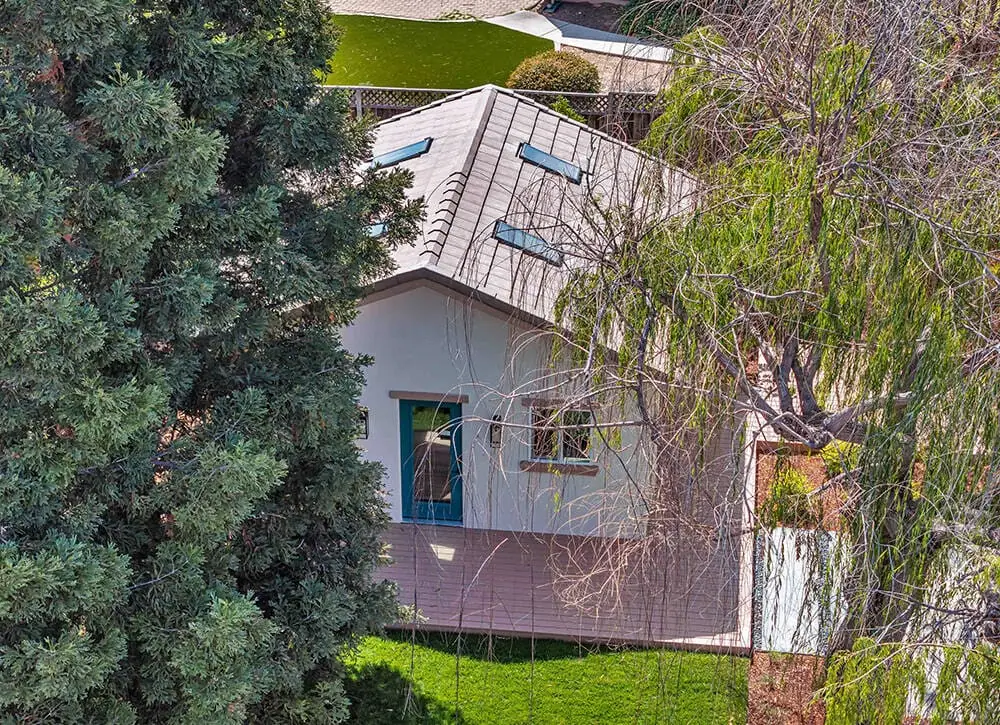

Experienced team creating clean finishes and delivering steady updates.


I recently found myself locked out of my house late at night, and it was a terrible experience. I called an emergency locksmith, and a technician came to my location in an incredibly short period of time, less than 20 minutes. He was very professional and polite. He quickly unlocked me into my house without causing any damage. The service was excellent, and the charges were reasonable for the emergency.


In San Jose getting a reliable and trustable home remodeler can be daunting task, but not when you have Lecut Construction.
They had a plan for the remodel and they implemented it in a professional manner.
Related Articles
People Also Ask
The most cost-effective ADU option is typically a prefabricated or modular unit, which can be 10-30% cheaper than traditional site-built construction due to factory efficiency and reduced labor time. Another low-cost route is converting an existing structure like a garage, basement, or detached shed, as the core shell is already in place, saving significantly on materials and foundation work. Key to controlling costs is a simple, compact design, choosing standard material finishes, and handling some non-specialized site prep yourself. However, always prioritize proper permitting and hiring licensed professionals for critical electrical, plumbing, and structural work to ensure safety and compliance, which avoids far more expensive fixes later.
An accessory dwelling unit (ADU) is a secondary, independent living space located on the same lot as a primary single-family residence. Often called a granny flat, in-law unit, or backyard cottage, an ADU includes its own kitchen, sleeping area, and bathroom. ADUs are a powerful solution for adding housing density, providing rental income, or accommodating multi-generational families without the need for new land development. They must comply with local zoning laws, building codes, and permitting processes, which govern size, parking, and utility connections. For homeowners considering this addition, professional design and construction services are crucial to navigate these requirements successfully and maximize the property's value. For a detailed look at local implementation, see our resource Accessory Dwelling Unit Services in San Jose.
The $40,000 grant in California is primarily the CalHFA ADU Grant Program. It offers forgivable loans of up to $40,000 to cover pre-development and non-recurring closing costs associated with constructing an Accessory Dwelling Unit (ADU) or Junior ADU (JADU) on an owner-occupied property. The funds can be used for critical expenses like planning, design, permitting, soil tests, impact fees, and utility connections. To qualify, applicants must be owner-occupants, meet income limits (typically up to 180% of the Area Median Income), and work with a participating lender. The loan is forgiven after five years if the homeowner remains in compliance, making it a powerful incentive to create more affordable housing.
The cost of an Accessory Dwelling Unit (ADU) in Connecticut varies significantly based on size, design, materials, and site conditions. For a basic, detached one-bedroom unit, you can expect a starting range of approximately $150,000 to $200,000. More complex designs, high-end finishes, or projects requiring extensive site work, utility connections, or foundation modifications can easily push costs to $300,000 or more. Key cost factors include local permit fees, which vary by municipality, and the requirements for sewer/water hookups. It is crucial to obtain detailed quotes from licensed contractors familiar with Connecticut's specific building codes and to factor in soft costs like architectural plans and engineering surveys for an accurate budget.
Accessory dwelling units (ADUs) are secondary housing units on a single-family residential lot. Requirements vary significantly by local jurisdiction but generally include zoning approval, building permits, and adherence to specific codes. Key common requirements involve size restrictions, often limiting the ADU to a percentage of the primary home's square footage or setting a maximum cap. There are also regulations for parking, owner-occupancy, utility connections, and setbacks from property lines. It is crucial to consult with your local planning department early in the process, as many areas have recently updated ordinances to promote ADU development to address housing shortages. A professional contractor or architect familiar with local codes is essential for navigating these specific and often complex requirements.
The $25,000 ADU grant typically refers to financial assistance programs, often state or local, designed to encourage the construction of Accessory Dwelling Units (ADUs). These grants aim to increase affordable housing stock by helping homeowners offset the significant costs of building a secondary unit on their property. Eligibility usually requires the homeowner to commit to renting the ADU at an affordable rate for a set period, often 5-10 years. Securing such a grant involves navigating specific application processes, meeting zoning and building code requirements, and working with approved contractors. It's a powerful incentive, but success depends on thoroughly researching your local program's current guidelines, as funding and rules can change annually.
Accessory dwelling units (ADUs) are versatile secondary housing options on a single-family lot. Common examples include detached backyard cottages, garage conversions, basement apartments, and attic conversions. A popular trend is the "granny flat," a fully independent unit often used for extended family, generating rental income, or as a home office. These units must comply with local zoning laws regarding size, parking, and utilities. When planning an ADU, it's crucial to consider design integration with the main house, separate entrances for privacy, and efficient use of space. For a deeper dive into regulations and benefits, see our internal article Accessory Dwelling Units (ADUs). Professional consultation is key to navigating permits and construction successfully.