The Great Home Remodeling Adventure: Your Blueprint for Sanity (and a Beautiful Home)
Let’s be honest, fellow home enthusiasts. We’ve all been there. Staring at that outdated kitchen, dreaming of a spa-like bathroom, or desperately needing more space but dreading the sheer chaos of a renovation. The idea is thrilling; the process can feel… well, a bit like herding cats. But what if we told you it doesn’t have to be a horror story? What if your remodeling journey could be exciting, well-managed, and even (dare we say it) fun?
We’re right there with you. As a general contractor rooted right here in San Jose, we’ve seen it all, from the “weekend DIY” projects that spiraled into year-long sagas to the seamless transformations that left everyone smiling. This guide is our collective playbook for navigating the wild world of home improvement in Silicon Valley. Consider it a chat over coffee about how to turn your vision into reality without losing your mind or your life savings.
Table of Contents
First Things First: The “Why” Before the “Wow”
Before we even glance at paint swatches or tile samples, we need to get real about our goals. Are we fixing a functional problem, increasing our home’s value, or finally creating that dream space we’ve pinned a thousand times? This isn’t just philosophical—it’s the foundation of every decision that follows, especially when we start talking cost.
A bathroom remodeler focused on quick resale will make very different choices than someone creating a forever-home oasis. Knowing our “why” helps us prioritize and, crucially, communicate with our team. It’s the difference between a scattered wishlist and a clear, actionable plan.
Assembling Your A-Team: It’s Not Just About “Contractor Near Me”
Here’s where many adventures go off the rails. A quick search for “best remodeling company near me” throws a thousand options at you. How do you choose? IMO, it’s less about finding a renovation contractor and more about finding the right partner for your specific project.
Think of it like this:
- For a single-room update: A stellar specialist, like a dedicated bathroom remodeler, might be perfect.
- For a multi-room overhaul or addition: You need a house remodeling contractor with orchestration skills—a true general contractor who manages the symphony of subcontractors, permits, and timelines.
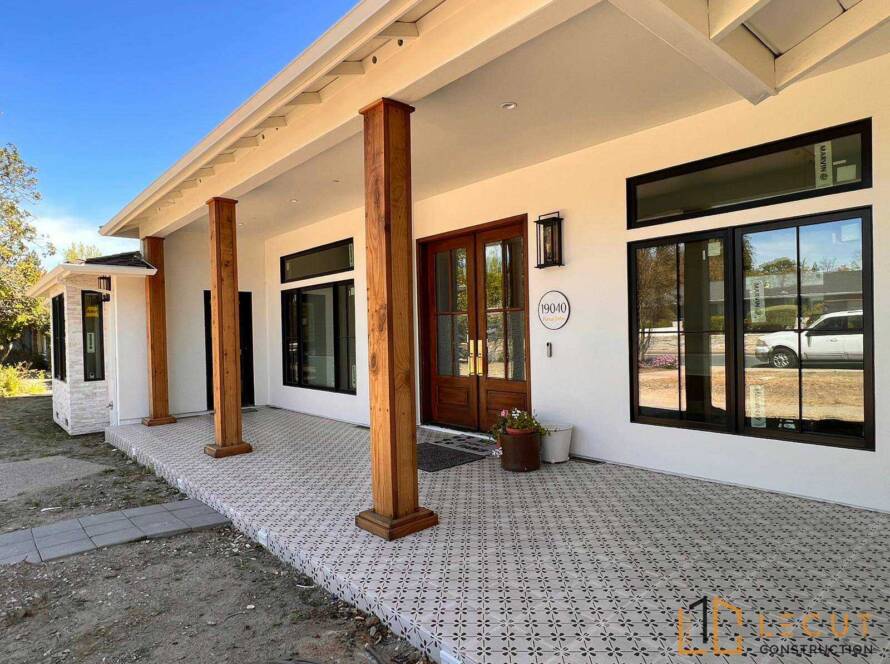
We’re biased, but at Lecut Construction in San Jose, we built our reputation on being that conductor for general remodeling projects across the South Bay. Whether it’s a full home remodel in Saratoga or home additions in Campbell, having one point of contact who handles the chaos is the ultimate sanity-saver. It’s the difference between you playing project manager 24/7 and actually enjoying your life during construction.
The Budget Talk: Making Peace with the “Price” Tag
Okay, let’s take a deep breath and talk numbers. The price of home remodeling services is the elephant in the room, and we need to address it with clarity, not fear. Costs in Santa Clara County and the wider Silicon Valley are, frankly, significant. Labor, materials, permits—it all adds up.
The key is transparency from the start. A detailed, fixed-price contract is your best friend. It should outline everything, leaving no room for “surprises” halfway through. A good general contractor will help you understand where to invest and where to save, ensuring your budget delivers maximum impact.
FYI, one of the smartest concepts we advocate for is building abortable decision points into the plan. This means we structure phases so that if, say, an unexpected opportunity comes up or priorities shift, we can pause or redirect without leaving you with a half-finished, unusable space. It’s about maintaining control and flexibility.
The Game Plan: From Dream to Dust to Done
This is where the magic (and the manageable mess) happens. A professional process looks something like this:
- Deep Dive & Design: We listen, measure, and plan. This phase includes architectural drawings, engineering (if needed), and securing those all-important city permits from San Jose to Milpitas to Cupertino.
- The Pre-Construction Pep Talk: We set up protection for your home, establish dust barriers, and review the daily schedule. It’s like prepping the battlefield before the good fight.
- The Construction Rhythm: Demolition, framing, rough-ins (electrical, plumbing), inspections, insulation, drywall, finishes. It’s a dance, and a good general contractor leads it so you don’t have to count the steps.
- The Final Reveal: Installation, paint, cleanup, and the final walk-through. This is the moment we all work for.
Silicon Valley Specifics: What Makes Our Area Unique?
Remodeling in Los Gatos, Sunnyvale, or Fremont isn’t the same as remodeling elsewhere. We have a unique set of local considerations:
- The Permit Puzzle: Each city, from Campbell to Morgan Hill, has its own rules and timelines. A local expert navigates this maze daily.
- Architectural Styles: From mid-century modern gems to Spanish revivals, respecting and enhancing your home’s character is key.
- Maximizing Lot Size: With smaller lots common, home additions and exterior remodeling need clever design to maximize space without overwhelming the property.
- Tech-Forward Homes: Integrating smart home systems is almost a given here. Your plan should include infrastructure for the future.
A Quick Reality Check: Remodeling ROI in the South Bay
Wondering how your project might pay off? While we create spaces for living, not just for selling, it’s smart to know the landscape. Here’s a simplified look at typical value retention for popular projects in our area:
| Project Type | Average Cost Range (South Bay) | Typical Value Retained at Resale | Key Consideration for Silicon Valley |
|---|---|---|---|
| Minor Kitchen Remodel | $25,000 – $50,000 | 80-85% | Focus on quality countertops & appliances. |
| Major Kitchen Remodel | $75,000 – $150,000+ | 60-70% | Must flow with open floor plans; high-end finishes expected. |
| Bathroom Remodel | $30,000 – $75,000 | 65-75% | Spa-like features (heated floors, frameless glass) are huge pluses. |
| Home Addition | $200 – $600+ per sq. ft. | Varies Widely | Permit complexity and design integration are critical. |
| Exterior Remodeling | $15,000 – $100,000+ | 70-90% | Curb appeal is massive; think durable, low-maintenance materials. |
Note: These are general estimates. The actual cost and ROI depend entirely on your home’s value, project scope, and material choices.
Your Questions, Our Straight Answers
Let’s tackle some of the big questions we hear every day.
1. How long will my remodel actually take?
A good rule of thumb is to take your best-guess timeline and add 20%. For a major kitchen or full home remodel, 4-6 months is common. Delays happen—weather, permit hiccups, material backorders. The mark of a great renovation contractor isn’t avoiding all delays (impossible), but communicating them immediately and managing the schedule proactively.
2. Should I live at home during the project?
For a single bathroom remodel, maybe. For a whole-house overhaul? We wouldn’t recommend it. The dust, noise, and lack of a kitchen or functioning bathroom will test the strongest of relationships. Budget for temporary housing—it’s an investment in your family’s peace.
3. How do we handle unexpected problems, like hidden water damage?
This is the reality of opening up old walls. The critical factor is how your house remodeling contractor handles it. With a clear contingency fund (we suggest 10-20% of your budget) and a transparent change-order process, these surprises become manageable hurdles, not project-enders. This is where that abortable planning really shines.
4. Why choose a local San Jose contractor like Lecut Construction over a big national firm?
Simple: accountability and agility. When your project manager lives in Santa Clara and your crew knows the inspectors in Sunnyvale by name, things run smoother. We’re not a dispatch center; we’re your neighbors. If there’s a post-project tweak needed two years later, we’re just a short drive away. You’re not just a job number; you’re a part of our community.
The Final Nail: Wrapping It All Up
So, where does this leave us? Hopefully, feeling more empowered and less overwhelmed. A successful remodel isn’t about avoiding challenges; it’s about partnering with a team that sees them coming and has a plan to navigate them alongside you.
It’s about finding a general remodeling partner who gets excited about your vision for that Sunnyvale bungalow or that Los Gatos estate. Someone who talks price openly, designs for your life, and treats your home with respect.
We’ve built Lecut Construction on that exact principle. We love the puzzle of a full home remodel, the precision of a bathroom transformation, and the dramatic impact of exterior remodeling. If you’re dreaming about a change and want to talk it through with a team that speaks your language (and knows the Silicon Valley permit code), give us a shout. Let’s make your home adventure a legendary one for all the right reasons.
Related Articles
Hybrid Water Heater Pros And Cons For San Jose Homeowners
Hybrid Water Heater Versus Gas Models In San Jose
People Also Ask
A hybrid water heater, also known as a heat pump water heater, has a few notable downsides. The most common issue is its higher upfront cost compared to standard electric or gas models. Additionally, these units require a minimum amount of space around them for proper airflow, typically needing a room with at least 1,000 cubic feet of volume, which can be a challenge in smaller San Jose basements or closets. They also tend to cool the surrounding air, making them less ideal for unconditioned spaces during colder months. For a balanced view on this, you can read our internal article titled Hybrid Water Heater Pros And Cons For San Jose Homeowners. At Lecut Construction, we always recommend evaluating your specific home layout before making a decision.
Yes, there is a federal tax credit for hybrid water heaters. Under the Energy Efficient Home Improvement Credit, homeowners can claim up to 30 percent of the cost, with a maximum credit of $600 for qualifying heat pump water heaters. This applies to units that meet specific energy efficiency standards, such as a Uniform Energy Factor of at least 2.2. For homeowners in San Jose, this incentive can significantly offset the higher upfront cost of a hybrid model. For a detailed local perspective, including installation considerations and long-term savings, please refer to our internal article titled Hybrid Water Heater Pros And Cons For San Jose Homeowners. Always verify current tax rules with a qualified tax professional, as credits may change.
The life expectancy of a hybrid water heater typically ranges from 10 to 15 years, which is longer than a standard electric water heater. This durability is due to the heat pump technology, which places less stress on the heating elements. However, lifespan depends heavily on proper installation and maintenance, such as cleaning the air filter and ensuring adequate space for airflow. For homeowners in San Jose, the moderate climate can actually help extend the unit's efficiency and longevity. For a detailed breakdown of benefits and potential drawbacks specific to our region, please refer to our internal article Hybrid Water Heater Pros And Cons For San Jose Homeowners. Proper sizing and professional installation are critical to achieving the maximum lifespan from your unit.
For most homeowners, plumbers typically recommend either a standard tank water heater or a tankless (on-demand) unit, depending on your specific needs. Standard tank heaters are reliable and have a lower upfront cost, making them a solid choice for many homes. Tankless models are praised for their energy efficiency and longer lifespan, though they require a higher initial investment. Heat pump (hybrid) water heaters are also gaining popularity for their exceptional efficiency, especially in moderate climates. For a detailed breakdown of this specific option, including its suitability for local homes, please refer to our internal article titled Hybrid Water Heater Pros And Cons For San Jose Homeowners. Ultimately, the best choice depends on your household size, budget, and hot water usage patterns.
When deciding between a hybrid water heater and a gas model, the choice often comes down to efficiency, installation, and climate. A hybrid heat pump water heater is highly efficient, using electricity to move heat rather than generate it, which can lower energy bills significantly. However, it requires adequate space and ventilation, as it pulls heat from the surrounding air. Gas water heaters, on the other hand, heat water quickly and work well in colder climates but have lower efficiency ratings and higher ongoing fuel costs. For homeowners in our service area, understanding these trade-offs is essential. For a detailed breakdown, see our internal article titled Hybrid Water Heater Pros And Cons For San Jose Homeowners. Lecut Construction recommends evaluating your home’s existing setup and usage patterns before making a final decision.
A hybrid water heater, also known as a heat pump water heater, works by using electricity to move heat from the surrounding air into the water tank, rather than generating heat directly. This process is similar to how a refrigerator works in reverse. The unit pulls in warm air, extracts the heat using a compressor and refrigerant, and transfers it to the water inside the tank. This makes it up to three times more energy-efficient than standard electric water heaters. For homeowners considering this upgrade, understanding the efficiency and installation requirements is key. For a detailed breakdown of the benefits and drawbacks specific to our region, you can read our internal article titled Hybrid Water Heater Pros And Cons For San Jose Homeowners.
When comparing a hybrid water heater to a standard electric model, the primary difference lies in efficiency and operating cost. A hybrid water heater, also known as a heat pump water heater, uses electricity to move heat from the surrounding air into the tank rather than generating heat directly. This process makes hybrids up to three times more energy-efficient than conventional electric resistance heaters. For homeowners in San Jose, this can lead to significant savings on monthly utility bills, especially given the local climate. However, the upfront cost of a hybrid unit is higher, and it requires adequate space with good airflow. For a detailed breakdown of how these factors apply to local homes, please read our internal article titled Hybrid Water Heater Pros And Cons For San Jose Homeowners.
For homeowners in San Jose, Santa Clara, and Sunnyvale, switching to a hybrid water heater is a smart upgrade for energy efficiency. Unlike traditional electric models, a hybrid heat pump unit absorbs warmth from the surrounding air to heat your water, using up to 60% less electricity. This makes it an excellent choice for our mild California climate. However, proper installation is critical to maximize these savings. The unit requires a minimum of 700 cubic feet of air space around it and a drain for condensation. For a detailed comparison of this technology against gas models in our local area, refer to our internal article Hybrid Water Heater Versus Gas Models In San Jose. A professional assessment of your existing electrical panel and venting is also recommended to ensure a safe and code-compliant setup.
When deciding between a hybrid water heater and a tankless model, the choice depends on your home's hot water usage and energy goals. A hybrid water heater, also known as a heat pump unit, is highly efficient for moderate demand and works well in San Jose's mild climate. It stores hot water in a tank, using electricity to move heat from the air. A tankless unit heats water on demand, saving space but requiring a higher upfront cost for gas models. For San Jose homeowners, the hybrid often offers better overall energy savings and lower operating costs. For a detailed comparison, please see our internal article titled Hybrid Water Heater Pros And Cons For San Jose Homeowners. Lecut Construction recommends evaluating your household size and existing ductwork before making a final decision.
For homeowners in San Jose, Santa Clara, and Sunnyvale, selecting the best hybrid water heater involves balancing energy efficiency with local climate needs. A hybrid water heater, also known as a heat pump water heater, is often the top choice because it can be up to three times more energy-efficient than standard electric models. This is particularly beneficial in our mild California climate, where the unit can draw warmth from the surrounding air. When comparing options, consider the unit's Uniform Energy Factor (UEF) and tank size to match your household's hot water demand. For a detailed comparison between hybrid and gas models tailored to our region, please refer to our internal article Hybrid Water Heater Versus Gas Models In San Jose. At Lecut Construction, we recommend professional sizing and installation to ensure optimal performance and longevity.