Most of us don’t live in a showroom. We live in a San Jose bungalow built in the 1950s, a downtown condo with a closet the size of a phone booth, or a townhouse where the garage has become a dumping ground for holiday decorations and old camping gear. The problem isn’t that we own too much stuff, it’s that our houses weren’t designed for how we actually live today. After a decade of remodeling homes here, I can tell you the square footage isn’t the issue. It’s how we use the space we already have.
Key Takeaways
- Hidden storage isn’t about buying more bins. It’s about rethinking dead space like stair risers, toe kicks, and soffits.
- Many older San Jose homes have structural quirks that actually work in your favor if you know where to look.
- The most effective solutions often cost less than a new piece of furniture and can be done in a weekend.
- Climate and local building codes matter. What works in a dry climate can fail here in the South Bay.
Table of Contents
The Real Problem Isn’t Clutter, It’s Bad Layout
I’ve been in hundreds of homes in this area, from the Eichler neighborhoods in Palo Alto to the Victorians in downtown San Jose. The common thread isn’t that people are hoarders. It’s that the floor plans were cut up in ways that create awkward pockets of unusable space. There’s a three-foot gap behind the refrigerator that collects dust bunnies. A strange soffit above the kitchen cabinets that serves no purpose. A hallway that’s too narrow for a console table but has a foot of empty air above the doorframe.
We tend to look at a room and think, I need a bigger closet. But the smarter move is to look at the room and ask, What’s already here that I’m ignoring?
Where to Find Hidden Storage in a Small Home
The best storage solutions are the ones you don’t notice. They blend into the architecture. Here are the spots I consistently find untapped potential in San Jose homes.
Under the Stairs
If you have a staircase in your home, you’re sitting on gold. The space under a standard set of stairs is roughly 30 to 40 cubic feet. Most people throw a shoe rack there or just let it become a black hole for Amazon boxes. What works better is a set of custom pull-out drawers or a small closet with a door that matches the wall. I’ve seen this done for under $500 with basic cabinetry, and it completely transforms a mudroom or entryway.
One client in Willow Glen had a staircase that ran along the living room wall. We framed in a shallow bookshelf that pulls out on a track system. It hides the holiday decorations but also gives them a display area for books. It’s not rocket science, but it’s the kind of solution that makes you wonder why every builder doesn’t do it.
Toe-Kick Drawers
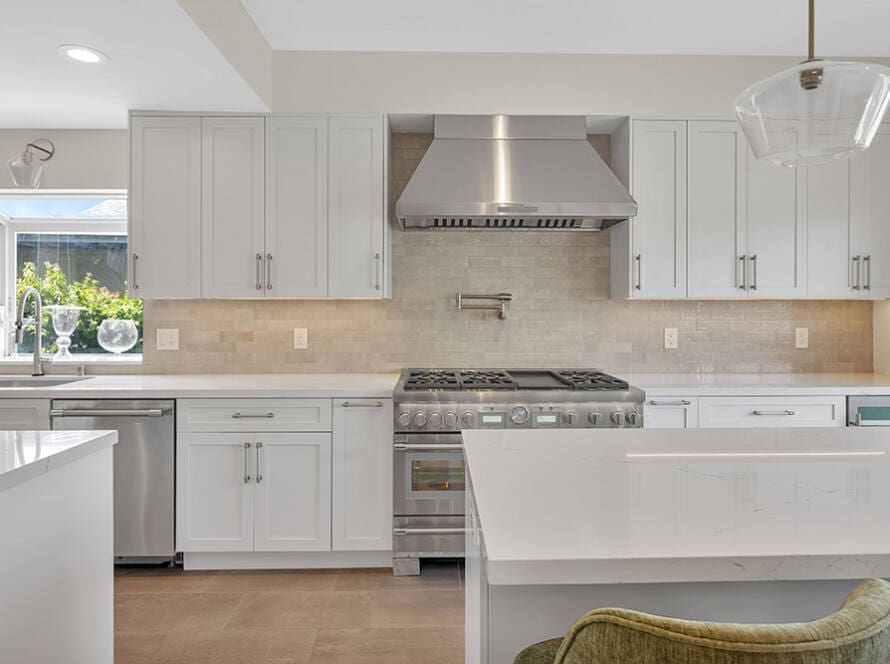
This one sounds small, but it’s a game-changer in a kitchen. The space under your base cabinets, that little recessed area where your toes go, is usually just empty air. You can buy pre-made toe-kick drawers that slide out and hold baking sheets, cutting boards, or even pet food bowls. Installation takes about an hour per drawer. In a 10-foot kitchen run, that’s roughly three to four drawers you didn’t have before.
The trade-off is that you lose the ability to stand flush against the counter. It’s a minor inconvenience for most people, but if you have mobility issues, it might not be the right call. We’ve installed these in about a dozen homes in the Rose Garden area, and nobody has complained yet.
Above the Doorways
In older San Jose homes, the ceilings are often eight feet, but the door frames are only six-foot-eight. That leaves a 16-inch gap above every interior door. Most people never look up there. You can install a shallow shelf that wraps around the room, like a picture ledge, and use it for books, small plants, or decorative boxes. It keeps the floor clear and adds visual height to the room.
One thing to watch: if you’re in a rental or a condo with HOA rules, drilling into the wall above the door frame might violate your lease. Always check before you start cutting.
The Climate Factor in San Jose
We don’t think about it much, but the Mediterranean climate here is actually hard on storage. The dry summers and wet winters cause wood to expand and contract. If you build a hidden compartment that’s sealed tight in July, it might not open in February. I’ve seen custom drawer systems jam up because the homeowner used standard plywood instead of marine-grade or MDF with a moisture barrier.
Also, our clay soil means foundations shift. That little gap you measured under the stairs might change by a quarter-inch over a few years. If you’re building something permanent, leave a little play in the fit. Use adjustable feet or shims.
Common Mistakes People Make
I’ve made most of these myself, so I’m not pointing fingers.
Building storage that’s too deep. You think you want a pull-out pantry that’s 24 inches deep. But if you have to crawl inside to find the canned beans, you won’t use it. Stick to 12 to 18 inches for most hidden storage. Anything deeper becomes a cave.
Forgetting about ventilation. If you’re storing anything that can mold, like holiday decorations or old clothes, you need airflow. A sealed cabinet under the stairs in a damp basement will ruin your stuff. We’ve pulled out more mildewed Christmas ornaments than I care to remember. Drill a few small vents or use a dehumidifier.
Ignoring the electrical. Before you build a hidden compartment behind a wall, check for wires and pipes. I once watched a homeowner cut into a wall to create a recessed shelf and hit a live electrical line. It was not a fun afternoon. Use a stud finder with a wire detector, or better yet, call a pro if you’re unsure.
When DIY Makes Sense vs. When to Call a Pro
I’m a big fan of doing things yourself. But there’s a line.
DIY-friendly projects:
- Toe-kick drawers (pre-made kits)
- Over-door shelving
- Magnetic spice racks inside cabinet doors
- Under-sink pull-out organizers
Projects that usually need a pro:
- Under-stair cabinets that require structural framing
- Built-in bookshelves that need to match existing trim
- Any storage that involves moving a wall or altering the floor plan
- Electrical or plumbing work
If you’re in San Jose, you also have to consider permitting. Anything that changes the load-bearing structure of your home requires a permit from the city. We’ve seen homeowners get fined for building a hidden closet in a load-bearing wall without approval. It’s rare, but it happens. If you’re not sure, call the building department. They’re actually helpful if you ask nicely.
A Real-World Example from San Jose
Last year, we worked with a family in the Naglee Park neighborhood. They had a 1920s Craftsman with a tiny kitchen and no pantry. The only dead space was a 30-inch-wide alcove next to the refrigerator that was basically a dust trap. We built a pull-out pantry tower on heavy-duty slides. It holds all their dry goods, spices, and small appliances. The total cost was about $1,200, including labor. They got back about 12 square feet of usable storage without losing any floor space.
The homeowner told me later that the best part wasn’t the storage itself. It was that guests didn’t even notice it until she pulled it open. That’s the whole point of hidden storage. It’s not about showing off. It’s about making your life easier without making your home look like a storage unit.
Alternatives to Built-In Storage
Not everyone wants to cut into their walls or build custom cabinets. That’s fine. There are other approaches.
Furniture with dual purposes works well in small spaces. A coffee table with a lift-top that reveals storage for blankets. An ottoman that opens up for board games. A bed frame with drawers underneath. These aren’t hidden in the same way, but they accomplish the same goal: keeping things out of sight.
Vertical storage is another option. Instead of building into the wall, you build up. Floor-to-ceiling shelves in a narrow hallway can hold books, plants, and baskets. The trick is to anchor them to the wall studs. In earthquake country, a falling shelf is dangerous. Use L-brackets and screw into the studs, not just drywall.
Cost vs. Value: What to Expect
Here’s a rough breakdown of what you might pay for common hidden storage solutions in the South Bay. Prices vary, but this gives you a ballpark.
| Solution | DIY Cost | Pro Cost | Time to Install | Best For |
|---|---|---|---|---|
| Toe-kick drawers | $50–$100 each | $200–$400 each | 1–2 hours | Kitchens, bathrooms |
| Under-stair pull-out | $200–$500 | $800–$2,000 | 1–2 days | Entryways, mudrooms |
| Over-door shelving | $20–$50 | N/A | 30 minutes | Closets, bedrooms |
| Built-in bookshelf | $100–$300 | $500–$1,500 | 1–3 days | Living rooms, hallways |
| Recessed wall cabinet | $150–$400 | $600–$1,200 | 1–2 days | Bathrooms, laundry rooms |
The pro cost includes materials and labor. If you’re handy, you can cut those numbers in half. But if you value your time or don’t have the tools, hiring someone like LeCut Construction located in San Jose, CA might save you a weekend of frustration and a trip to the hardware store.
The One Thing Nobody Tells You
Hidden storage sounds great, and it is. But there’s a catch. Once you start hiding things, you tend to forget about them. I’ve pulled out toe-kick drawers that had a bag of potatoes from three years ago. I’ve opened under-stair closets that were full of things the homeowner swore they’d use again. Hidden storage can become a procrastination pit.
The solution is simple. Label everything. And once a year, pull everything out and decide if you still need it. Hidden storage works best when it’s for things you actually use, not things you’re avoiding.
Final Thoughts
Small spaces force us to be creative. That’s not a bad thing. The homes in San Jose have character, and part of that character is the quirks that come with age. A weird alcove, a shallow closet, a hallway that’s just a little too wide. Those aren’t flaws. They’re opportunities.
If you’re looking at your home and feeling cramped, start by walking through every room and pointing at the empty spaces. Behind the door. Under the sink. Above the cabinets. Under the stairs. There’s almost always something you can do without a major renovation. And if you get stuck, there’s no shame in calling someone who’s done it before. Sometimes the best investment is a few hours of professional advice.
We’ve helped families in San Jose find storage in places they never thought to look. It’s satisfying work, and it makes a real difference in how a home feels. You don’t need more square footage. You just need to use what you’ve got.
Related Articles
People Also Ask
Creating hidden storage in a small room requires smart design and multi-functional furniture. You can install floor-to-ceiling cabinetry that blends with the wall color, or use a hollow ottoman or bench for concealed storage. A bed with built-in drawers underneath is a classic solution. For a more advanced approach, consider a false wall or a custom-built bookcase that swings open to reveal a closet. In San Jose, many homeowners are maximizing space with these techniques. For professional guidance, Lecut Construction recommends reading our internal article titled Secret Room And Hidden Storage Ideas For San Jose Residences, which offers tailored ideas for local residences. Always ensure any structural changes comply with local building codes.
If you are looking for alternatives to a traditional closet, consider using freestanding wardrobes, armoires, or open shelving systems. These options provide organized storage without requiring built-in construction. For a more modern approach, a wall-mounted rail system with baskets or modular cubes can offer flexible space for clothing and accessories. Another popular choice is a curtained-off nook, which creates a hidden yet accessible storage area. For homes in San Jose, Santa Clara, or Sunnyvale, CA, Lecut Construction can help design custom solutions like built-in alcoves or sliding panel systems that maximize your room's layout while maintaining a clean aesthetic. Always consider your room's dimensions and storage needs before choosing an alternative.
To hide storage in plain sight, focus on integrating functional pieces into your existing decor. Use furniture with concealed compartments, such as ottomans with lift-up tops, coffee tables with hidden drawers, or benches with storage inside. Built-in shelving units that blend with the wall color can disguise cabinets behind false book spines or decorative panels. Staircase risers can be converted into pull-out drawers, and hollowed-out baseboards can hold small valuables. For a more advanced approach, consider a hidden room behind a pivoting bookcase or a mirrored panel. For residents of San Jose, Santa Clara, and Sunnyvale, we recommend reviewing our internal article Secret Room And Hidden Storage Ideas For San Jose Residences for tailored ideas that maximize space without compromising style. Lecut Construction specializes in custom joinery that makes these solutions seamless and secure.
For homeowners seeking unconventional storage, consider transforming underutilized spaces. A common approach is using the area beneath staircases for pull-out drawers or a small wine cellar. Another idea is installing toe-kick drawers in your kitchen for flat pans or spices. For a more creative solution, hollowing out a section of a thick wall or a false bookshelf can create a discreet hideaway. To explore these concepts further, we recommend reading our internal article titled Secret Room And Hidden Storage Ideas For San Jose Residences, which details specific designs for San Jose residences. Lecut Construction often advises clients that integrating storage into existing architectural features maximizes space without sacrificing style.