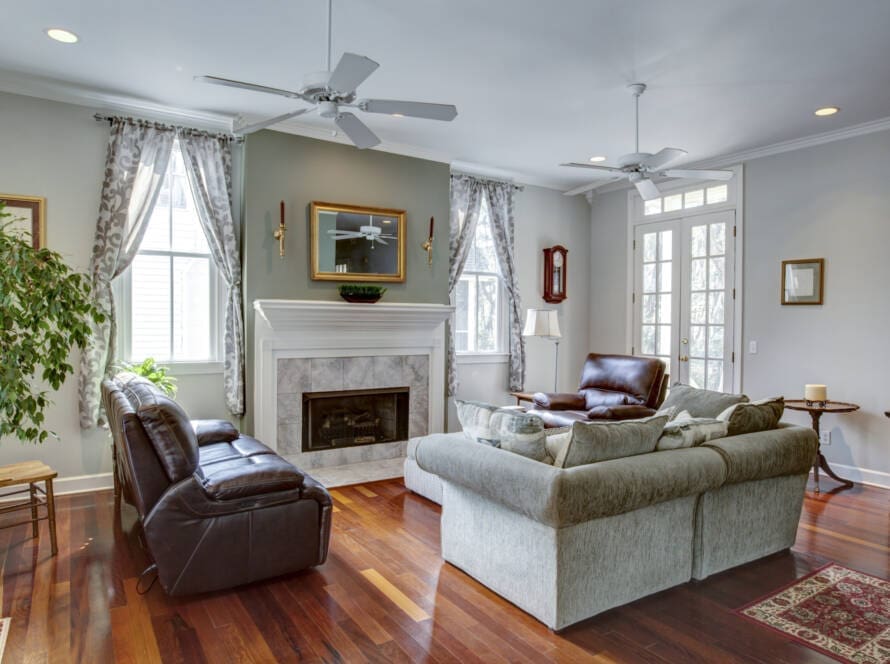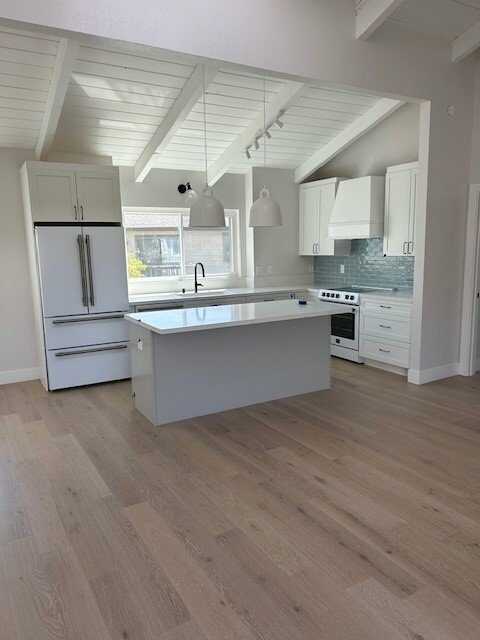

Ever stared at a cracked tile in your bathroom and thought, “I can’t even remember when this wasn’t ugly”? Or maybe you’ve dreamed of a kitchen that doesn’t look like it’s stuck in a 1985 time capsule? We get it. We’ve been there, both as homeowners and now as the folks running Lecut Construction in San Jose. Let’s have a real talk about home remodeling services—the good, the stressful, and the absolutely transformative—without any of the corporate jargon. Buckle up, it’s going to be a fun ride.
Table of Contents
So, You’re Thinking About a Remodel. Now What?
First off, congratulations! Deciding to change your space is exciting. But before you start ripping out cabinets with wild abandon, let’s talk strategy. A successful project isn’t about finding a “bathroom remodeler near me” and hoping for the best. It’s about a clear vision, a realistic budget, and the right team.
Think of it like a road trip. You wouldn’t just get in the car and drive aimlessly (well, maybe sometimes, but not with a renovation). You need a map, a destination, and a reliable vehicle. In our world, that means defining your scope. Are we talking a full home remodel, a bathroom remodeler special, or just some crucial exterior remodeling to boost that curb appeal? The scope dictates everything—especially the cost.
The Great Budget Conversation: Let’s Be Real About Price
Alright, let’s address the elephant in the room: the price. It’s the part nobody loves talking about, but it’s crucial. We’ve seen the panic in clients’ eyes when they get a quote that doesn’t match the number in their head. Here’s our take: transparency is non-negotiable.
A trustworthy renovation contractor won’t give you a vague ballpark. They’ll provide a detailed breakdown. Why? Because surprises are for birthday parties, not construction projects. The cost is influenced by materials, labor, permits, and, yes, those unforeseen “what is that?!” moments behind your walls.
FYI, a good plan also includes a contingency fund—usually 10-20% of the total budget. This makes the project abortable in a sense. Not that you’ll want to abort! But it means if a true disaster strikes or priorities change, you have the financial flexibility to pause and reassess without being financially stranded. It’s a safety net, not an invitation to spend recklessly.
Why Your Choice of Contractor Isn’t Just a “Google Search”
Here’s where we get a bit opinionated. Typing “best remodeling company near me” is a start, but it’s not the finish line. The general contractor you choose is the single biggest factor in your sanity during the project. You’re inviting them into your life, your home, your morning coffee routine.
We’ve built Lecut Construction on a simple principle: be the company we’d want to hire. That means showing up on time, communicating like adults (texts, calls, weekly updates—you choose), and treating your home with respect. It’s not rocket science, but in Silicon Valley, where time is the ultimate currency, it’s everything. Whether you’re in Santa Clara, Campbell, or Milpitas, you deserve a team that sees your project through from messy beginning to glorious end.
Breaking Down the Remodel Types: What’s Your Flavor?
Not all remodels are created equal. The approach for a kitchen is different from a home additions project. Let’s break it down.
The Surgical Strike: Bathroom & Kitchen Updates
These are the most common for a reason. They offer huge ROI in daily enjoyment and home value. A bathroom remodeler focuses on wet areas, plumbing, and efficient use of space. It’s a complex dance of tradespeople. A good general remodeling team coordinates this ballet so you don’t have to.
The Whole-House Transformation
A full home remodel or acting as your house remodeling contractor for a whole-property overhaul is a marathon. It’s exhilarating but requires next-level planning. We’re talking phased construction, possibly temporary living arrangements, and a master schedule. It’s not for the faint of heart, but my goodness, is it worth it.
The Expansion Pack: Home Additions & Exterior Work
Need more space? Home additions are a fantastic alternative to moving. And exterior remodeling—new siding, windows, a deck—is like giving your home a stylish new outfit. It’s the first thing you and your neighbors see every day.
To visualize the commitment level, here’s a quick comparison:
| Project Type | Typical Timeline | Key Focus | Best For… |
|---|---|---|---|
| Bathroom Remodel | 3-6 weeks | Waterproofing, Layout, Fixtures | Boosting daily routine & value |
| Kitchen Remodel | 6-12 weeks | Workflow, Storage, Appliances | The family hub & entertainer |
| Home Addition | 12-20+ weeks | Foundation, Roofing, Seamless Integration | Growing families needing space |
| Exterior Remodel | 4-10 weeks | Durability, Curb Appeal, Weatherproofing | First impressions & protection |
The Lecut Construction Difference: It’s in the Details
Okay, let’s pull back the curtain a bit. Why do clients in Saratoga, Sunnyvale, and Los Gatos choose to work with us? Beyond showing up and doing the work, it’s about partnership.
We view every project through two lenses: craftsmanship and livability. That means we’ll geek out with you over the perfect grout color, but we’ll also ask how many people need to use that bathroom during the morning rush. We source quality materials because we hate callbacks more than you do. And we’re local—based right here in San Jose—so we understand the specific permit processes in Cupertino or the soil considerations in Morgan Hill.
IMO, the mark of a great project isn’t just the final photo. It’s the fact that six months later, you’re still thrilled with how the space functions. That’s the gold standard.
Your Top Remodeling Questions, Answered (No Fluff)
We hear the same smart questions all the time. Let’s tackle them head-on.
1. How long will my remodel really take?
Honestly? Always add 10-15% to the initial timeline. Why? Permit delays, material backorders, or the classic “hidden surprise” in the walls. A good contractor builds in buffer time. We provide a detailed schedule and update it religiously. No one likes a moving finish line :/
2. Should I stay home during the renovation?
For a small bathroom or kitchen remodel, maybe. For a full home remodel or major home additions, we strongly suggest finding an alternative. The dust, noise, and lack of a functional kitchen will test the patience of a saint. Your sanity is worth the short-term rental cost.
3. How do we handle decisions and changes?
Communication is key! We set up a central digital hub for all selections, documents, and change orders. Want to switch tile after it’s ordered? That’s a “change order,” and it affects cost and timeline. We make the process clear so you can decide if it’s worth it. No mystery fees.
4. What sets apart a “general contractor” from a “best remodeling company”?
Any licensed GC can do the job. The best remodeling company provides a seamless experience: design coordination, meticulous project management, stellar communication, and a network of trusted, specialized tradespeople. It’s the difference between buying parts to build a PC and buying a perfectly configured, warrantied computer that just works.
Wrapping It Up: Your Dream Home Awaits
At the end of the day, remodeling is about more than new drywall and shiny fixtures. It’s about creating a home that works better for your life. It’s about the joy of hosting in a kitchen you love, or the peace of a perfectly organized bathroom.
It’s a significant journey, but you don’t have to navigate it with a random search result. You need a guide who knows the terrain from Fremont to Silicon Valley. If you’re ready to turn that “ugly bathroom” daydream into a reality, let’s chat. At Lecut Construction, we’re not just building spaces; we’re building the backdrop for your life’s best moments. And honestly, we can’t wait to hear about yours. Give us a call, and let’s start planning.
Related Articles
People Also Ask
The cost to tear down a 2000 square-foot house and rebuild varies significantly based on location, materials, and site conditions. Demolition alone for a structure of this size typically ranges from $15,000 to $40,000, which includes foundation removal, debris hauling, and site grading. Rebuilding costs generally fall between $200 and $400 per square foot, meaning a new 2000 square-foot home could cost $400,000 to $800,000 or more. This total depends on finishes, structural complexity, and local labor rates. For homeowners in the San Jose area, it is crucial to factor in permit fees, impact fees, and potential preservation rules. For a detailed breakdown of these local factors, please refer to our internal article titled 'San Jose Home Improvement Guide: Navigate Permits, Preservation Rules, and Renovation Costs Like a Pro' at San Jose Home Improvement Guide: Navigate Permits, Preservation Rules, and Renovation Costs Like a Pro. Lecut Construction recommends obtaining multiple bids and a thorough site inspection before budgeting.
The 30% rule is a guideline suggesting that homeowners should not spend more than 30% of their home's current market value on a single renovation project. This helps ensure the investment does not over-improve the property relative to the neighborhood, potentially making it difficult to recoup costs upon resale. For example, if your home is valued at $500,000, you should aim to keep a major kitchen or bathroom remodel under $150,000. For a comprehensive strategy on managing your project budget and scope, we recommend reading our internal article titled Whole-House Remodel vs. Piecemeal Approach: The Only Guide You Need (2026). Lecut Construction advises clients to always balance personal enjoyment with long-term financial prudence when planning any significant work.
A budget of $100,000 can be sufficient for a substantial renovation, but the scope depends heavily on the project's size and your location. For a standard single-family home in San Jose or Santa Clara, this amount typically covers a full kitchen remodel, a mid-range bathroom renovation, or new flooring and painting throughout the house. However, costs for materials and labor in the Bay Area are high, so you must prioritize. To ensure your money is spent wisely and in compliance with local codes, we recommend reading our internal article titled San Jose Home Improvement Guide: Navigate Permits, Preservation Rules, and Renovation Costs Like a Pro. This guide provides a detailed breakdown of costs and permit requirements for homeowners in our service area.
Many residents are leaving San Jose primarily due to the extremely high cost of living, especially housing prices and rent, which have become unaffordable for many middle-class families. Traffic congestion and long commute times also push people to seek more affordable or less crowded areas. While San Jose offers excellent job opportunities in tech, the financial strain of daily life often outweighs these benefits. For homeowners looking to sell or renovate before relocating, a trusted partner like Lecut Construction can help maximize property value through efficient remodeling. Ultimately, the decision to move is deeply personal, balancing career prospects against quality of life and financial sustainability.