

Gatu Mitchell September 8
Adding a second story addition to our Santa Clara home felt risky until we signed with Lecut. They locked in our contract price before breaking ground, eliminating cost overruns. Their crew worked efficiently, completing structural framing ahead of schedule while keeping the job site spotless.


Florence White September 8
Our rotting porch in Palo Alto was unsafe, but Lecut completed a new composite deck building job in four days flat.
We had a great experience working with Lecut and Yari on our bathroom remodel. Yari was very responsive and easy to communicate with throughout the entire project, and Lecut did a great job with the installation and finishing work.
They were professional, reliable, and always willing to come back and take care of small details when needed. We're very happy with how everything turned out and really appreciate their hard work and attention to detail.

I had a consultation with Yari to discuss a potential home remodel. He spent a great deal of time understanding my goals, brainstorming different layout options, and explaining the pros and cons of each approach. I appreciated that he was thoughtful, patient, and transparent throughout the discussion. He followed up with a detailed summary of our meeting and a realistic preliminary estimate, which helped me make an informed decision. Although I ultimately decided not to move forward with a major remodel, I had a very positive experience working with him and would gladly recommend him to anyone looking for a knowledgeable and professional contractor.
LeCut will ensure you love your renewed home.
After beating out two other remodel bids, because of the team, vision, and value, Yari, Luis, and team transformed our outdated bathroom into a clean, usable, and comfortable space. Working with Yari was a great experience, since he personally ensured we were 100% satisfied with the results of the project. Communicating with the team was smooth and the team was clean and respectful with with the rest of our house. Prior to completing the project, Yari did a thorough inspection with us to identify issues with tile alignment and grout finish. Yari and Luis brought the team back to rework the fit and finish items quickly, leaving us completely happy with the space.

Daniel Martinez August 24
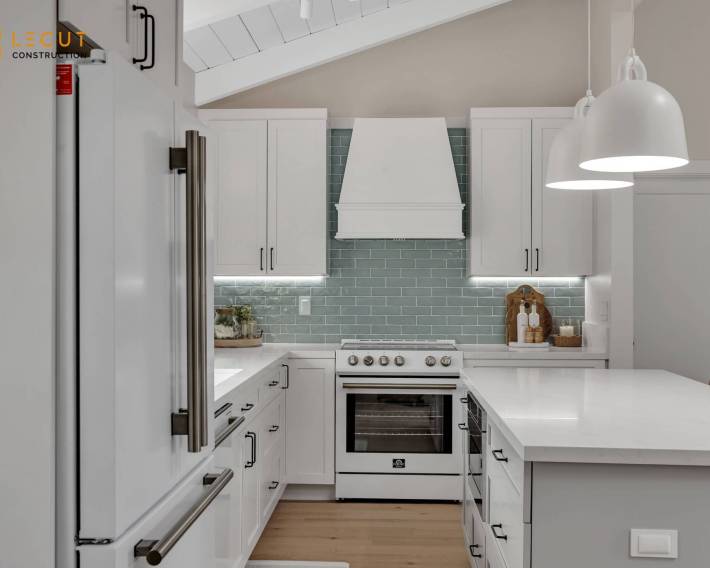
We needed a kitchen update and a complete bathroom renovation in a smaller home. They maximized the space without making it feel crowded. Cabinets, counters, and tile all look custom. Communication was clear from start to finish and there were no last-minute extras. The rooms feel new and well built.

Adams Green August 23
We remodeled the kitchen and two bathrooms as part of a larger first-floor refresh. The kitchen now works for a family and the bathrooms feel like they belong in a nicer house. Attention to trim, grout, and hardware stood out. They stayed on schedule and the final walkthrough was thorough. Extremely pleased with the results.

mikayla gary August 20
Our master bathroom and kitchen were last remodeled in the 90s, so we finally hired LeCut. The walk-in shower, dual vanity, and new kitchen layout completely changed how we use the house. Our project manager was on site almost every day and handled the permits without us lifting a finger. Workmanship is excellent and they finished a week early. Couldn’t be happier with LeCut!!!
E
Elizabeth .. August 14
We couldn't be happier with our experience working with LeCut Construction. Yari, Luis and the whole team were great to work with throughout the process. They responded quickly to every question, concern or comment we had every step of the way. They completely remodeled both our bathrooms and we love how they both turned out.

Tom Wylegala August 7
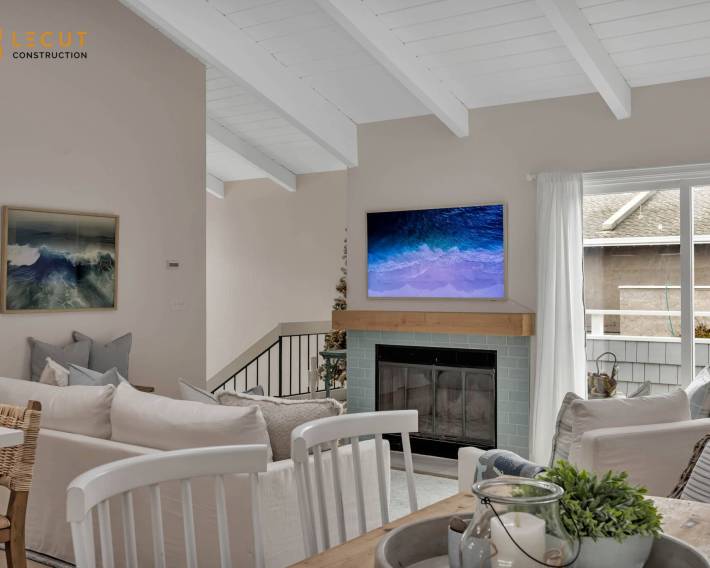
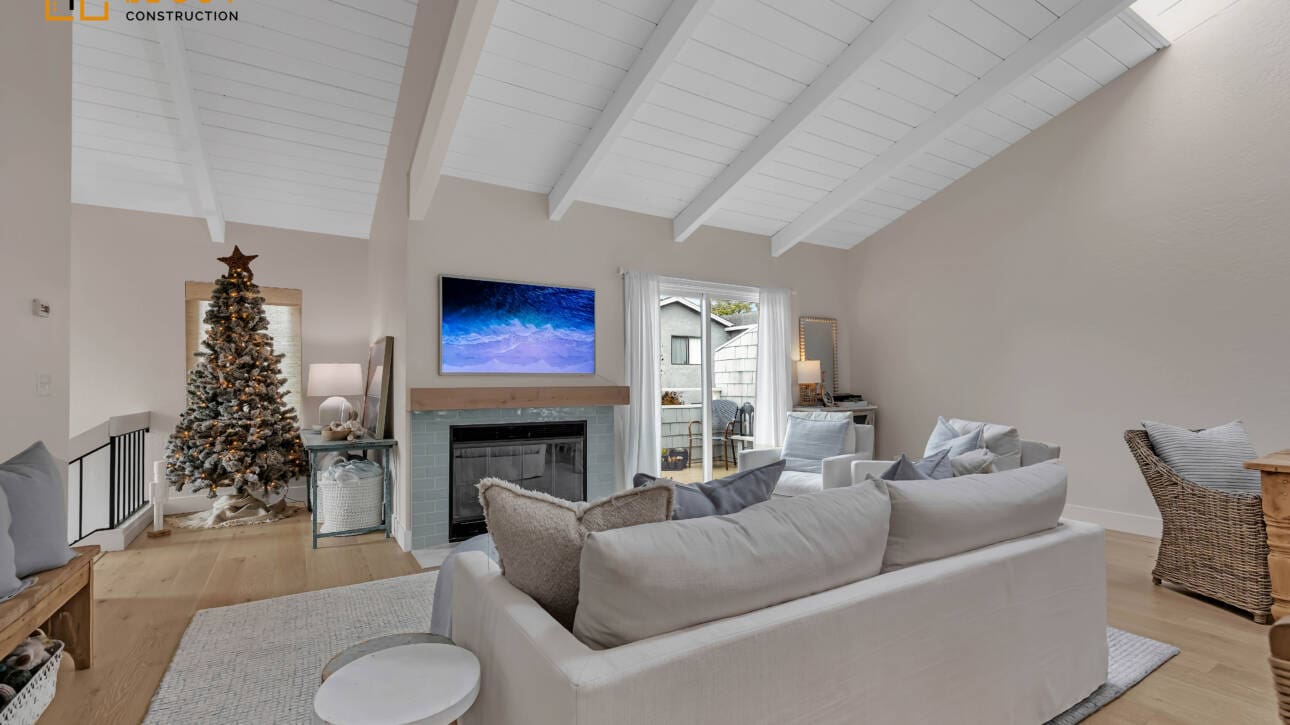
Lecut Construction completed a full remodel of our kitchen and master bathroom plus beautification of our garage. Yari Bardugo presided over the operation with skill, attentiveness, and good humor. All structural work was totally robust – we could see the quality being built in. Work on the finish elements was where Yari really shined. He checked for our desired positioning of lights and switches and the height of grab bars. When we were uncertain, he offered helpful suggestions. Yari also orchestrated various resources within Lecut (electricians and tilers) and outside (asbestos removal and HVAC). If anything wasn’t perfect the first time, Yari helped us improve it. He came to visit nearly every day, and we enjoyed our conversations very much.
People Also Ask
The cheapest option for an Accessory Dwelling Unit (ADU) is typically a prefabricated or modular unit, often referred to as a "garage conversion" or "junior ADU" (JADU). A JADU, which is limited to 500 square feet and can be converted from existing space like a garage or basement, avoids the high costs of new foundation and framing. For a detached unit, choosing a simple, single-story design with standard finishes and no custom features will minimize expenses. In San Jose, Santa Clara, and Sunnyvale, CA, working with Lecut Construction can help you navigate local zoning and permit fees to keep costs low. Remember, while the initial build is cheaper, you must still budget for utility connections, which can be a significant hidden cost.
Homeowners often underestimate the complexity of building an Accessory Dwelling Unit. The most frequent errors include failing to account for strict setback requirements and not securing proper permits before starting work. Many also overlook the need for separate utility connections or fire safety upgrades, which can halt a project. A critical mistake is ignoring local zoning laws regarding height and parking. For a detailed breakdown of these pitfalls, refer to our internal article titled The Most Common Code Violations In DIY San Jose Remodels. Lecut Construction advises that proper planning with a professional team can prevent these costly oversights and ensure your ADU meets all current building codes.
For a 400 sq ft Accessory Dwelling Unit, the typical timeline from permit approval to final inspection is 4 to 6 months. This estimate covers foundation work, framing, and interior finishes. However, the total project duration heavily depends on your local city's permit processing speed, which can add 2 to 4 months before construction begins. To streamline your project, we recommend reviewing our internal article titled Accessory Dwelling Unit Services in Fremont. This resource provides specific guidance for navigating local requirements. Lecut Construction advises that site-specific factors, such as utility connections and soil conditions, can also influence the schedule. Always plan for potential delays due to material availability or weather.