

Destiny Aburto Meza January 19
Experienced team creating clean finishes and delivering steady updates.


Naomi Brooks January 19
I recently found myself locked out of my house late at night, and it was a terrible experience. I called an emergency locksmith, and a technician came to my location in an incredibly short period of time, less than 20 minutes. He was very professional and polite. He quickly unlocked me into my house without causing any damage. The service was excellent, and the charges were reasonable for the emergency.


Paul Merson December 31
In San Jose getting a reliable and trustable home remodeler can be daunting task, but not when you have Lecut Construction.
They had a plan for the remodel and they implemented it in a professional manner.

People Also Ask
The average cost of a garage conversion in the United States typically ranges from $10,000 to $30,000, though this can vary significantly based on size, location, and project scope. A basic conversion for a single-car garage starts around $10,000-$15,000, covering essentials like insulation, drywall, flooring, and basic electrical work. For a more extensive two-car garage conversion with high-end finishes, plumbing for a bathroom or kitchenette, and complex HVAC modifications, costs can easily reach $30,000 to $50,000 or more. Key cost factors include the need for foundation work, upgrading to meet current building codes, and the quality of materials. It is crucial to obtain detailed quotes from licensed contractors and secure the necessary permits to ensure the project adds value and complies with local regulations.
The 10-year rule for garage conversions is a crucial planning principle in the UK. It refers to the legal provision that if a garage has been converted into a habitable space and has been used as such continuously for over ten years without enforcement action from the local planning authority, it may become lawful through a Certificate of Lawful Existing Use or Development (CLEUD). This does not mean the work was compliant with Building Regulations, which is a separate requirement for safety. It is always advisable to seek proper planning permission and building control approval from the outset to ensure the conversion is safe, legal, and adds maximum value to your property. For a detailed guide on the entire process, please refer to our internal article Garage Conversion.
Yes, you almost certainly need a permit to convert a garage into a living space in California. This is a major structural and functional change to your home. The permit process ensures the work complies with the California Building Code (CBC), which covers critical safety standards for electrical wiring, insulation, ventilation, fire separation, and emergency egress. Local city or county building departments enforce additional zoning rules regarding setbacks, parking requirements, and allowable uses. Skipping permits can lead to fines, forced reversal of work, and significant problems when selling your home. For a detailed guide on planning this project, including navigating permit requirements, see our internal article Transforming Your San Jose Garage Into A Livable Space.
The cheapest way to convert a garage involves careful planning and prioritizing essential, non-structural work. First, ensure the conversion is legally permitted by checking local building codes and obtaining necessary permits to avoid costly corrections. Focus on essential upgrades: insulating walls and the garage door, installing a cost-effective but code-compliant floor covering like laminate or polished concrete, and adding basic drywall. Use existing electrical wiring if possible, extending it minimally for new outlets and lighting. Avoid moving plumbing or load-bearing walls. DIY tasks like painting and demolition can save significant labor costs, but always hire licensed professionals for electrical, plumbing, and structural work to ensure safety and compliance, protecting your home's value.
When considering garage conversion services in Mountain View, it's crucial to research reviews thoroughly. Look for contractors with consistent positive feedback on platforms like Google, Yelp, and the Better Business Bureau. Key review points often highlight quality of workmanship, adherence to timelines and budgets, communication, and proper permitting—a critical step in Mountain View. A reputable service will have experience with local building codes and zoning laws for accessory dwelling units (ADUs). Reviews should mention detailed contracts, clear project scope, and professional cleanup. Be wary of reviews that seem generic; detailed, project-specific testimonials are more valuable. Always verify licenses and insurance, and consider requesting references to speak directly with past clients about their garage conversion experience.
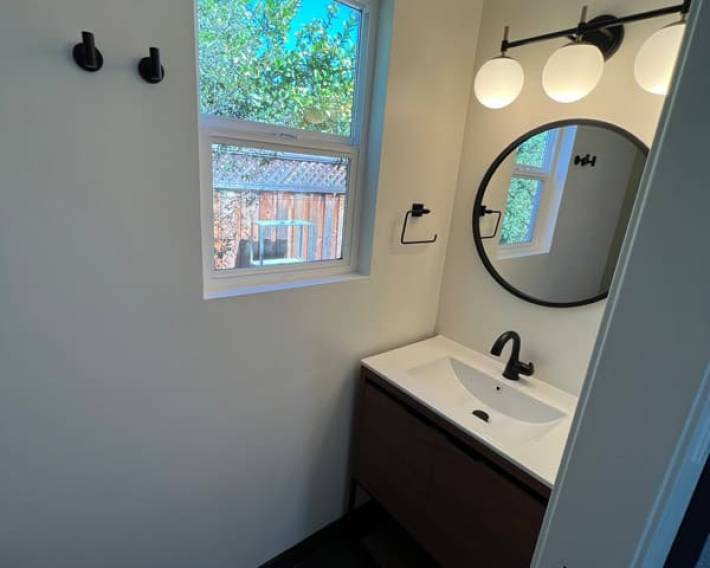
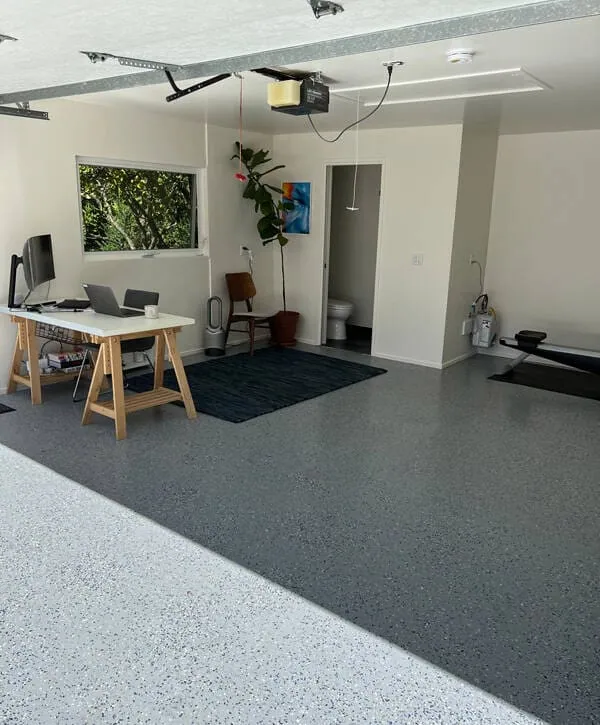
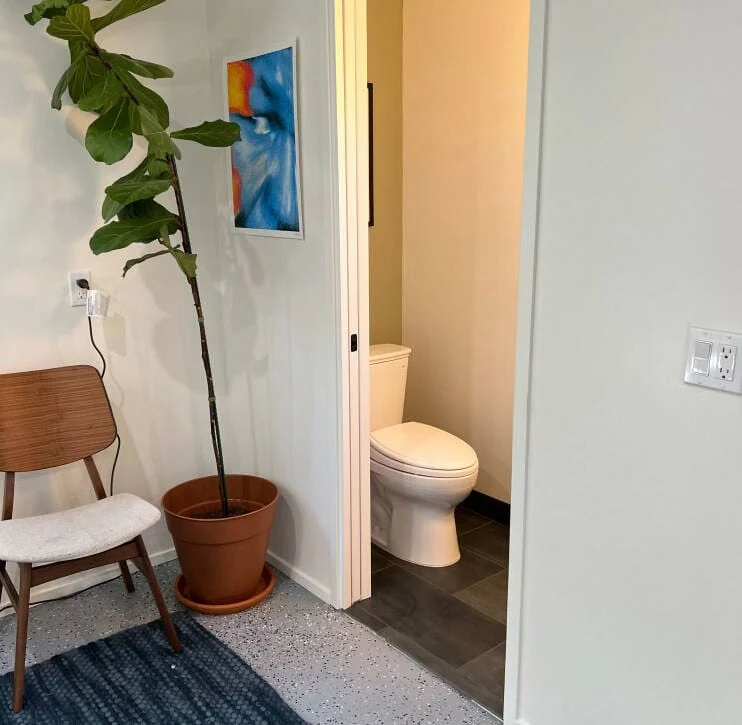
Lecut Construction offers expert garage conversion services in Mountain View, transforming underutilized spaces into functional living areas. This process typically involves securing permits, installing proper insulation, flooring, electrical systems, and climate control to meet local building codes. Converting a garage can significantly increase your home's value and livable square footage, creating anything from a home office to an accessory dwelling unit (ADU). It is crucial to work with a licensed contractor who understands local zoning laws in Mountain View to ensure the conversion is legal and adds maximum value. Proper planning for ventilation, lighting, and access is essential for a comfortable and code-compliant finished room.
Garage conversion costs in Mountain View typically range from $20,000 to $60,000 or more, depending on the project's scope and quality. Key cost factors include the need for foundation work, insulation, electrical and plumbing upgrades, and compliance with local building codes. Obtaining permits in Mountain View is a critical and potentially expensive step, as the city has strict regulations regarding conversions, including requirements for ceiling height, ventilation, and emergency egress. Hiring a licensed contractor familiar with Mountain View's specific zoning and ADU (Accessory Dwelling Unit) ordinances is essential. High-quality finishes and adding a bathroom or kitchenette will push costs toward the higher end. Always get multiple detailed quotes.