

Destiny Aburto Meza January 19
Experienced team creating clean finishes and delivering steady updates.


Naomi Brooks January 19
I recently found myself locked out of my house late at night, and it was a terrible experience. I called an emergency locksmith, and a technician came to my location in an incredibly short period of time, less than 20 minutes. He was very professional and polite. He quickly unlocked me into my house without causing any damage. The service was excellent, and the charges were reasonable for the emergency.


Paul Merson December 31
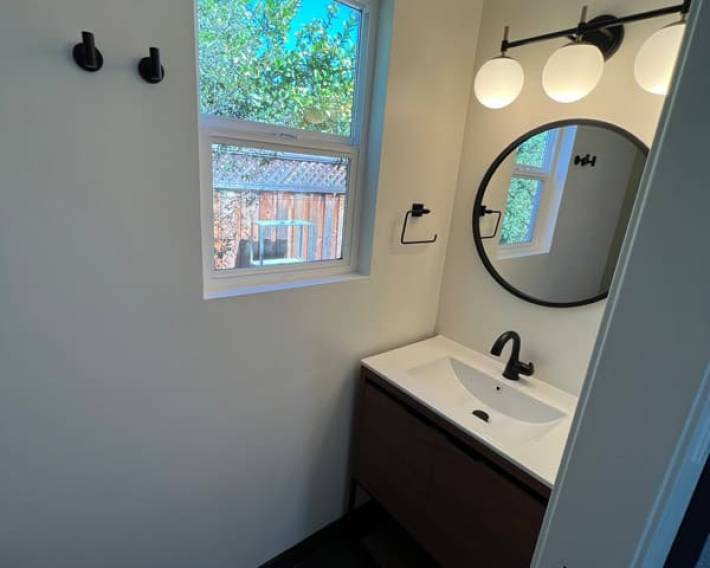
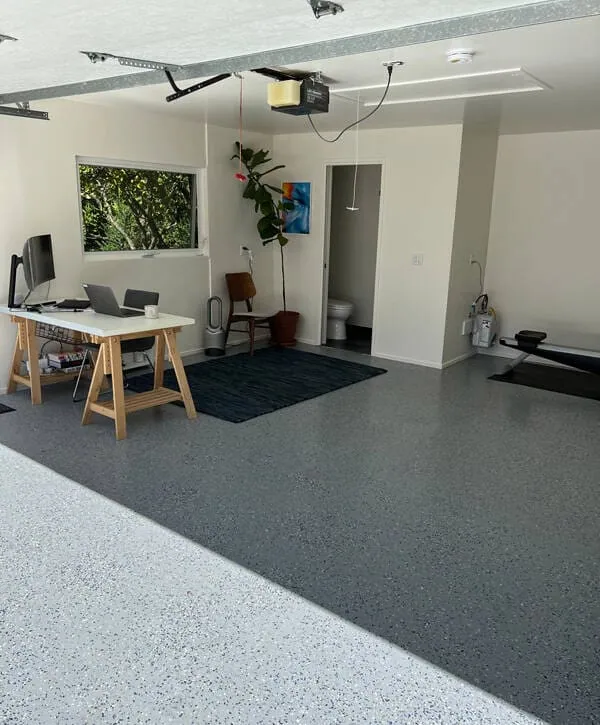
In San Jose getting a reliable and trustable home remodeler can be daunting task, but not when you have Lecut Construction.
They had a plan for the remodel and they implemented it in a professional manner.

People Also Ask
The average cost of a garage conversion in the United States typically ranges from $10,000 to $30,000, but this can vary widely based on size, location, and project scope. A basic conversion for a single-car garage starts around $10,000, while a more extensive two-car garage renovation with high-end finishes can exceed $30,000. Key cost factors include insulation, flooring, electrical and plumbing work, HVAC integration, and necessary permits. It is crucial to obtain detailed quotes from licensed contractors, as converting an attached garage often requires compliance with local building codes to ensure the new living space is safe, energy-efficient, and properly integrated with the home's existing structure.
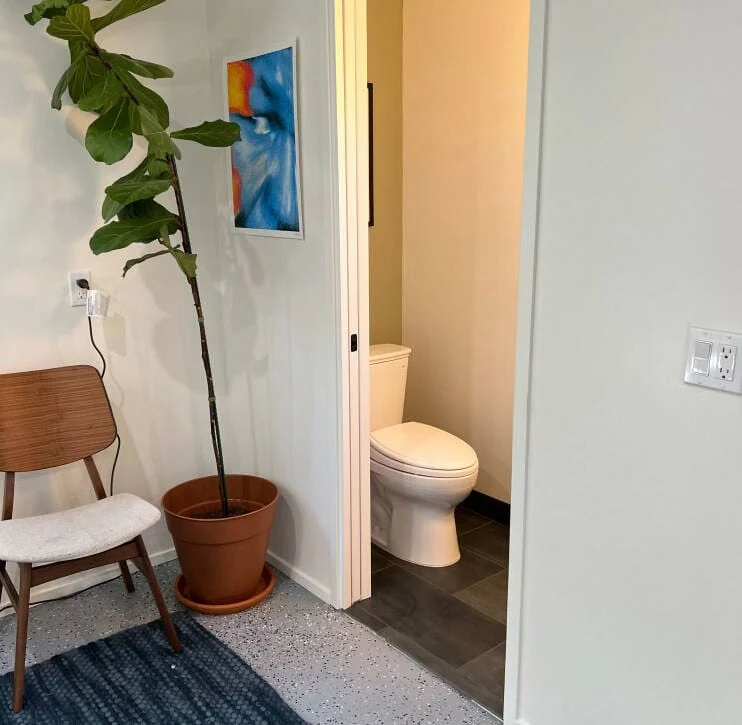
The cost to convert a garage into a room in California varies widely, typically ranging from $20,000 to $50,000 or more. This broad range is due to factors like the need for a building permit, which is mandatory and involves plan reviews and fees. Key expenses include upgrading the foundation, installing proper insulation and drywall, adding HVAC extensions, and ensuring full electrical and plumbing compliance. In earthquake-prone areas, structural reinforcement may be required. Labor costs in California are also higher than the national average. For a detailed guide on planning and budgeting for such a project in the Bay Area, including design considerations, we recommend reading our internal article Transforming Your San Jose Garage Into A Livable Space.
Yes, you will almost certainly need a permit to convert a garage into a living space in California. This is a major structural and functional change that must comply with state and local building codes, including the California Building Code (CBC), zoning ordinances, and energy efficiency standards (Title 24). The permit process ensures the work is safe, includes proper egress, electrical, insulation, ventilation, and often requires addressing parking replacement. You must apply with your local city or county building department. The requirements can be complex, so consulting with a professional is highly advised. For a detailed guide on this process specific to our area, please refer to our internal article Transforming Your San Jose Garage Into A Livable Space.
The cost to convert a garage into an Accessory Dwelling Unit (ADU) in California varies widely, typically ranging from $100,000 to $300,000 or more. Key cost factors include the size and existing condition of the garage, the level of finishes, and local permit fees. A basic conversion with minimal plumbing and electrical updates starts at the lower end, while a full conversion with a kitchen, bathroom, high-end materials, and necessary structural upgrades can reach the higher range. California's ADU laws have streamlined permitting, but costs must account for foundation work, insulation, utility connections, and compliance with state building codes. Obtaining multiple detailed quotes from licensed contractors familiar with local ADU ordinances is essential for accurate budgeting.
When considering garage conversion services in Milpitas, reviews are a crucial starting point for selecting a contractor. Look for consistent feedback on key areas like project management, adherence to local building codes and permits, quality of craftsmanship, and communication. A reputable company will have a portfolio of completed conversions and positive testimonials highlighting their reliability and attention to detail. It is essential to verify that they are licensed, insured, and have experience with the specific requirements of Milpitas, including potential zoning regulations. Reading reviews on multiple platforms can provide a well-rounded view of their reputation and help ensure your investment transforms your garage into a functional, permitted living space.
Garage conversion services in Milpitas typically cost between $20,000 and $60,000, with the final price heavily dependent on the project's scope and specifications. Basic conversions for a simple living space start at the lower end, while high-end projects with full bathrooms, kitchens, or sophisticated electrical and plumbing work reach the upper range. Key cost factors include necessary permits from the City of Milpitas, structural modifications, insulation, HVAC integration, and interior finishes. It is crucial to work with a licensed contractor who understands local building codes to ensure the conversion is legal, safe, and adds value to your property. Always obtain multiple detailed quotes for comparison.