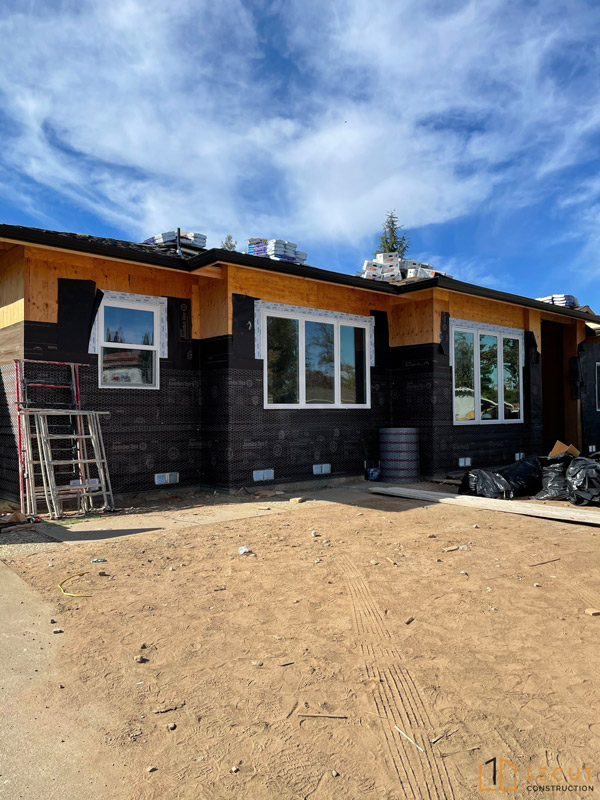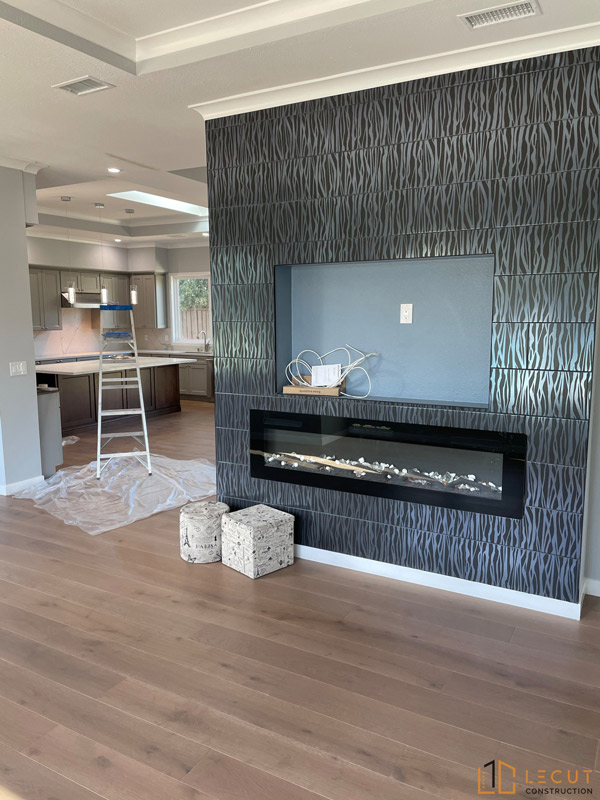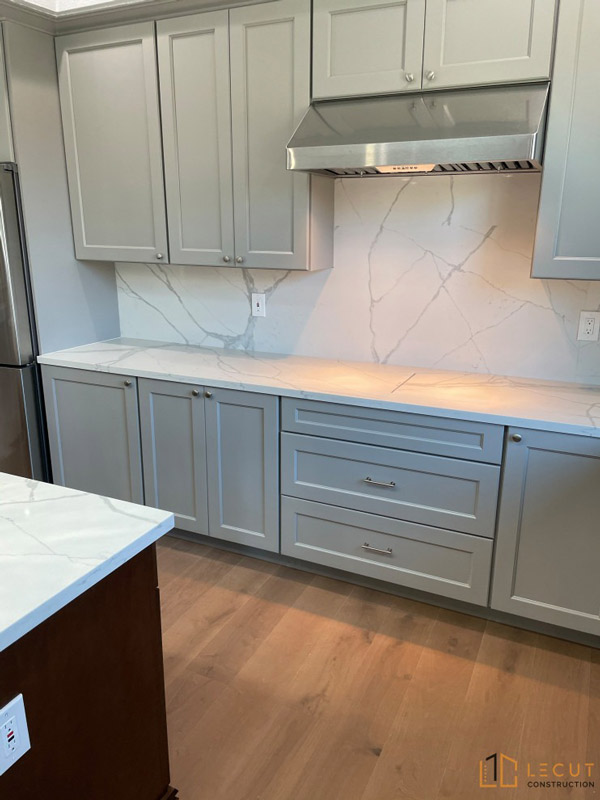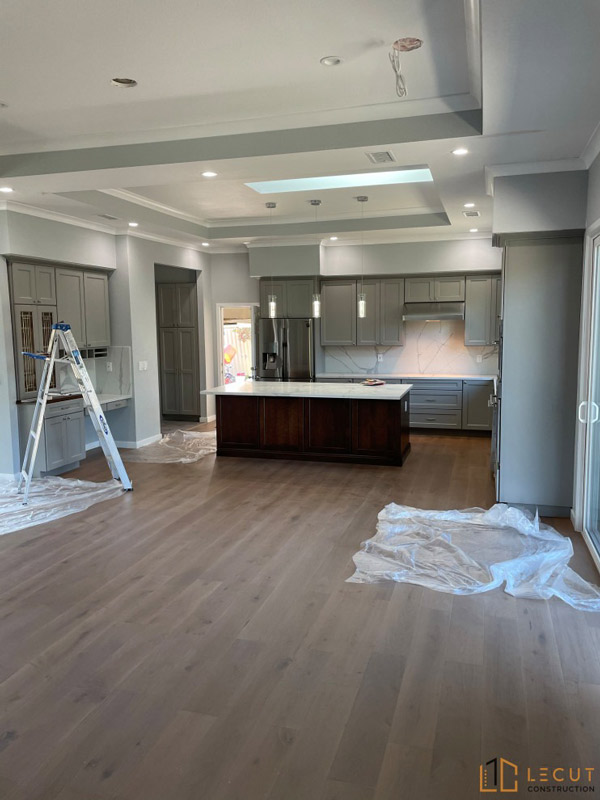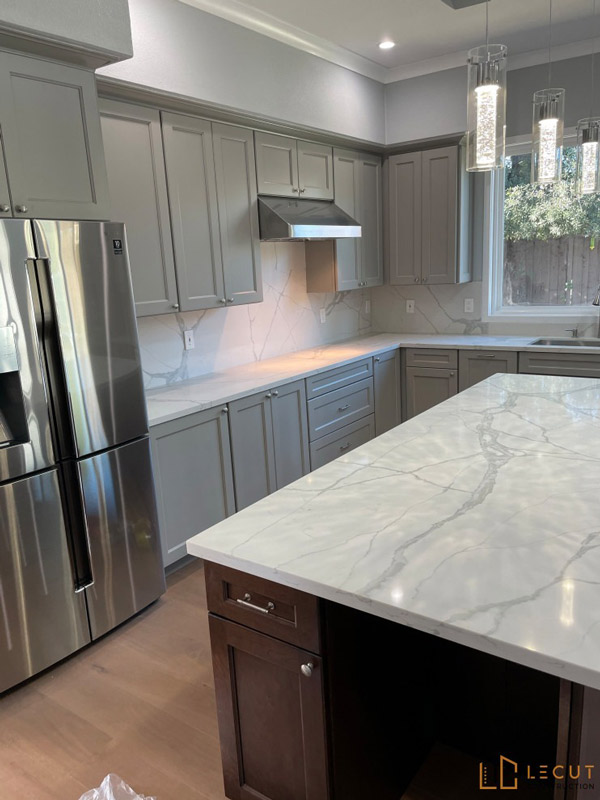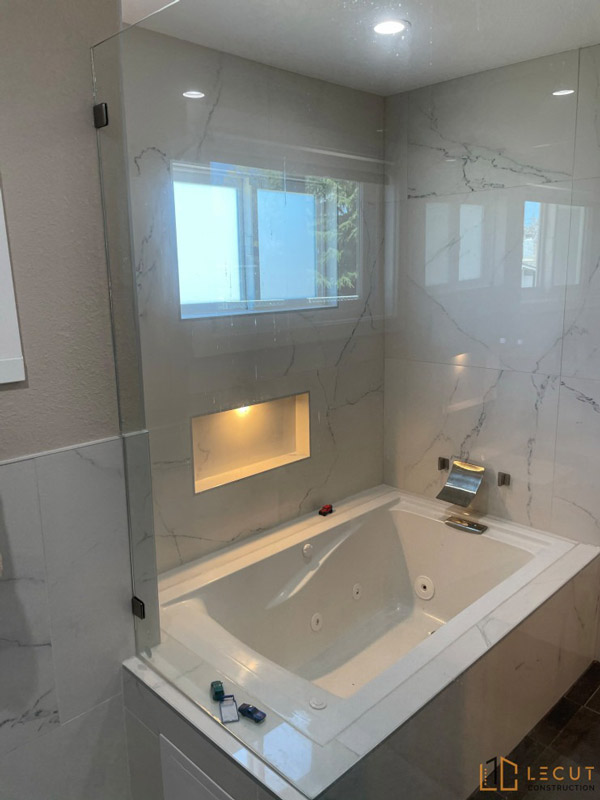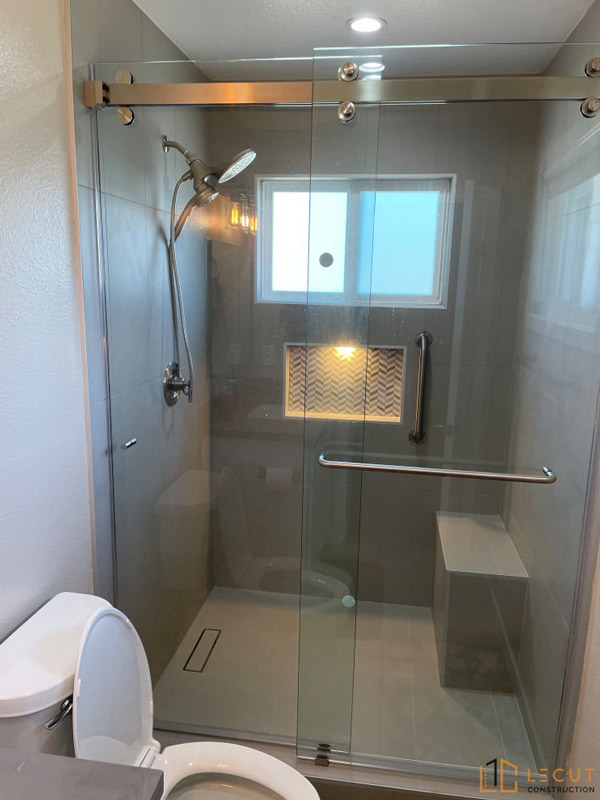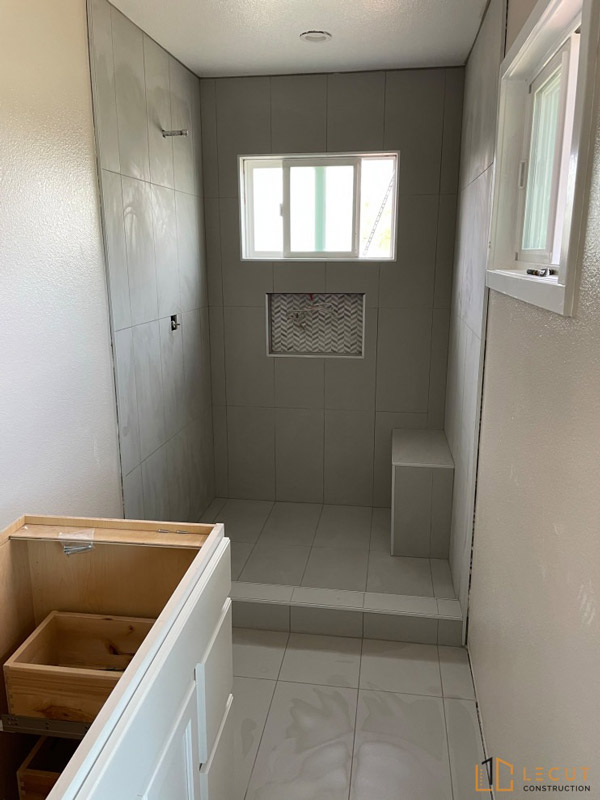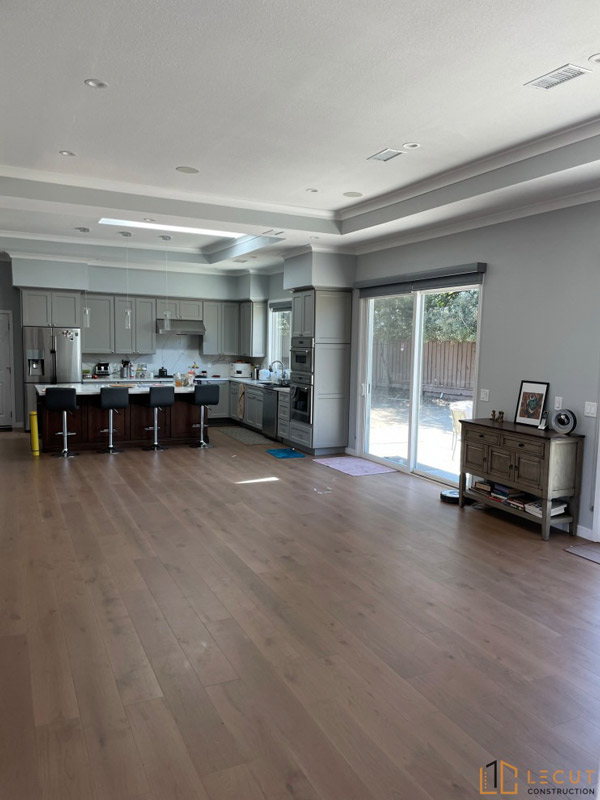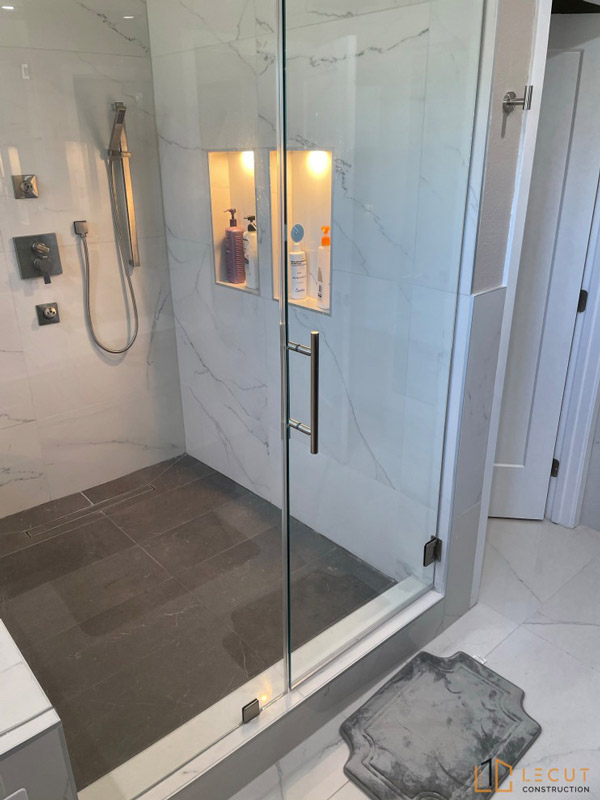
Every kitchen starts with how you cook, gather, and move through the room. We map workflow, storage, and lighting, then shape a layout that feels open and efficient. We specify durable and beautiful materials from cabinetry and worktops to tile and fixtures. We coordinate electrical, plumbing, ventilation, and appliance details for a precise fit. Permits, scheduling, and budget are handled transparently while we protect your home each day. Browse our gallery for ideas and recent projects before we plan yours.
Related Articles
San Jose Luxury Remodeling For Smart Home Integration And Home Automation
Creating A Cohesive Design Flow Throughout Your Entire Home
Secret Room And Hidden Storage Ideas For San Jose Residences
Hidden Storage Solutions For Small Spaces In San Jose
Designing For Natural Light In Your San Jose Remodel
Family Room and Kitchen
People Also Ask
The 30% rule for renovations is a general guideline suggesting that you should not spend more than 30% of your home's current market value on a major renovation project. This principle helps homeowners avoid over-improving their property for the neighborhood. For example, if your home is valued at $500,000, you would limit renovation costs to $150,000. Exceeding this threshold often makes it difficult to recoup the investment upon resale. Lecut Construction advises clients to consider this rule carefully when planning projects in San Jose, Santa Clara, and Sunnyvale. While it is a useful benchmark, local market conditions and specific project goals should also be evaluated to ensure a sound financial decision.
The most significant factor that devalues a house is poor maintenance and deferred upkeep. Issues like a damaged roof, outdated electrical systems, or foundation cracks signal to buyers that major expenses are imminent. Curb appeal also matters; an unkempt lawn or peeling paint can drop perceived value instantly. Additionally, a dated kitchen or bathroom can reduce a home's appeal, as these are high-cost renovations. Location problems, such as proximity to noisy highways or industrial areas, also hurt value. At Lecut Construction, we recommend focusing on structural integrity and cosmetic updates to protect your investment. Addressing these key areas helps maintain market value and avoids steep depreciation.
Whether $100,000 is enough to renovate a house depends entirely on the scope of work and the size of the home. For a standard single-family home in the San Jose, Santa Clara, or Sunnyvale area, this budget can cover a significant mid-range renovation. It is typically sufficient for remodeling a kitchen and one bathroom, replacing flooring, and updating lighting fixtures. However, it would likely not cover a full gut renovation, structural changes, or high-end finishes. For example, a complete kitchen remodel alone in this region often ranges from $40,000 to $70,000. To maximize your budget, focus on cosmetic updates and essential systems. Lecut Construction recommends obtaining detailed quotes to align your priorities with your financial plan.
A budget of $200,000 can be sufficient for a significant home remodel, but the scope depends heavily on your home's size and the project's goals. For a full kitchen and bathroom renovation in a standard suburban home, this amount is often adequate. However, for a complete whole-house transformation including structural changes, new flooring, and systems, $200,000 may be tight. To maximize value, it is critical to plan carefully and avoid costly mid-project changes. For a thorough breakdown of how to allocate funds effectively, we recommend reviewing our internal article titled 'Whole-House Remodel vs. Piecemeal Approach: The Only Guide You Need (2026)' at Whole-House Remodel vs. Piecemeal Approach: The Only Guide You Need (2026). Lecut Construction advises clients to always include a 15-20% contingency fund for unexpected issues.
For a cohesive home interior, start by establishing a consistent color palette that flows from room to room. Use varying shades of your chosen colors to create depth without breaking visual continuity. Texture also plays a vital role; mix materials like wood, metal, and soft fabrics to add warmth and interest. To avoid a disjointed look, repeat key design elements, such as a specific trim style or hardware finish, throughout adjacent spaces. For a deeper dive into unifying your home's aesthetic, we recommend our internal article titled Creating A Cohesive Design Flow Throughout Your Entire Home. Lecut Construction emphasizes that thoughtful planning is the foundation of any successful interior design project.
For budget-friendly home decorating, focus on high-impact, low-cost changes. Start with a fresh coat of paint in a neutral or light color to instantly brighten and unify a room. Rearranging your existing furniture can create a new layout and flow without spending a dime. Incorporate textiles like throw pillows, blankets, and area rugs to add color and texture. You can also update hardware on cabinets and drawers for a modern touch. Adding plants or fresh flowers brings life to any space. For larger projects, such as flooring or countertop updates, consider consulting a professional like Lecut Construction to ensure quality results that fit your budget.