

We needed a ground-floor room addition in Almaden Valley for my aging mother. Lecut gave us a clear, itemized quote upfront with no surprise fees. The project manager kept us informed every morning, and the new space passed city inspection on the very first try.


With kids growing up, we desperately needed a playroom, so we booked Lecut for a garage conversion in Willow Glen. They started three days after our initial call, kept to the exact quote without hidden costs, and wrapped up early.

Lecut replaced our worn hardwoods in Los Gatos in two days for the exact upfront price quoted.

Building a detached ADU in Cupertino was seamless with Lecut handling all permits and construction. Their strict schedule meant I had a tenant paying rent two weeks earlier than projected.

Booking our kitchen remodeling consultation online took under two minutes. The crew showed up at 8 AM sharp in Sunnyvale, stuck to the itemized estimate down to the penny, and finished the installation ahead of deadline.


Adding a second story addition to our Santa Clara home felt risky until we signed with Lecut. They locked in our contract price before breaking ground, eliminating cost overruns. Their crew worked efficiently, completing structural framing ahead of schedule while keeping the job site spotless.

Our rotting porch in Palo Alto was unsafe, but Lecut completed a new composite deck building job in four days flat.
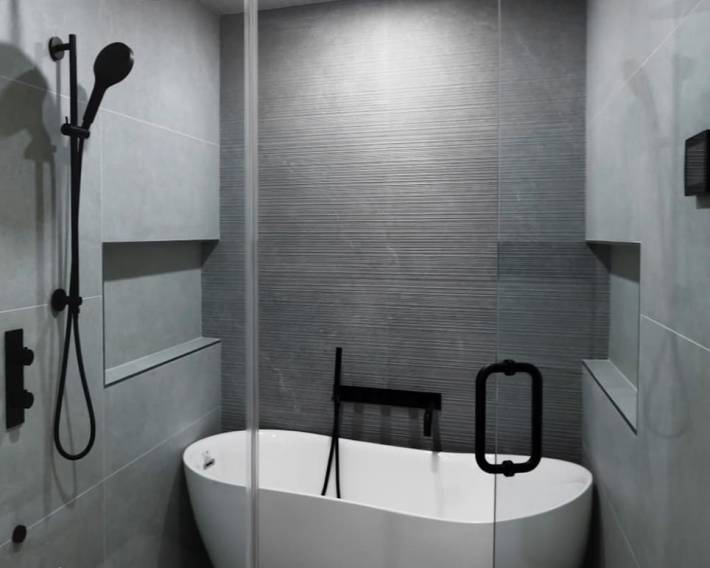
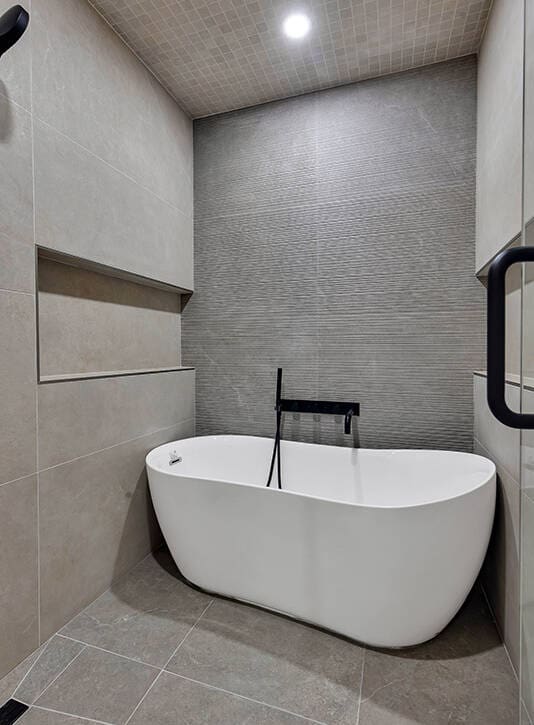
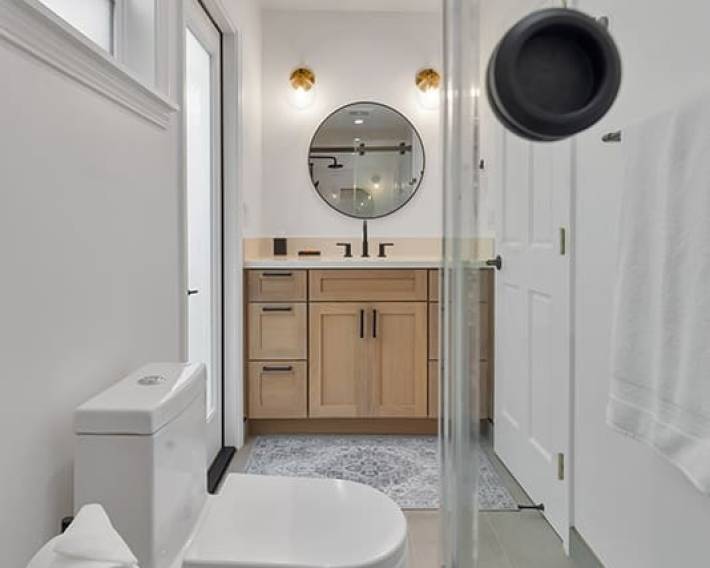
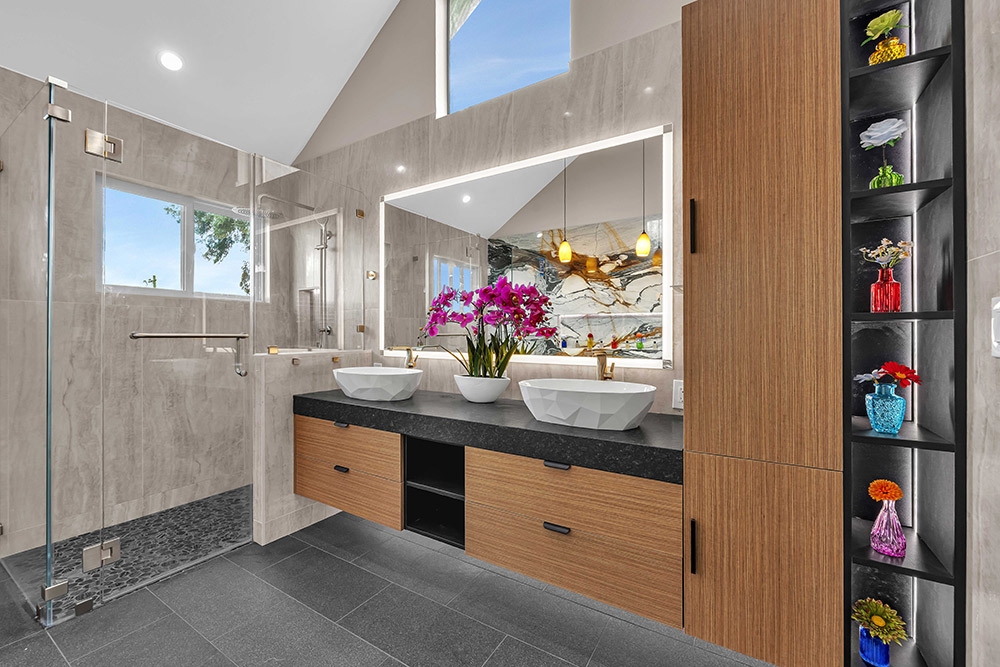
We had a great experience working with Lecut and Yari on our bathroom remodel. Yari was very responsive and easy to communicate with throughout the entire project, and Lecut did a great job with the installation and finishing work.
They were professional, reliable, and always willing to come back and take care of small details when needed. We're very happy with how everything turned out and really appreciate their hard work and attention to detail.

People Also Ask
A design build ADU company provides both architectural design and construction services under a single contract. This integrated approach streamlines the entire process of adding an accessory dwelling unit, from initial concept and permits to final construction. Instead of hiring separate architects and contractors, you work with one team that manages all aspects. This model reduces miscommunication and often speeds up project timelines. For homeowners in San Jose, this can be particularly valuable when navigating local zoning laws. For more details on how this approach applies to older properties, see our internal article titled Historic Home Remodeling In San Jose: Preserving Charm, Adding Comfort. Lecut Construction typically recommends this method for clients seeking a single point of responsibility.
The cost of a permit for an Accessory Dwelling Unit (ADU) in San Jose varies based on the unit's size and valuation, typically ranging from $5,000 to $15,000 or more for standard projects. This fee includes plan check, building, and impact fees. For a precise estimate, you must submit your plans to the city for a formal review. For a detailed breakdown of fees and the step-by-step process, we recommend reading our internal article titled 'San Jose Home Remodeling Permits: The Complete 2026 Guide for Homeowners', available at San Jose Home Remodeling Permits: The Complete 2026 Guide for Homeowners. Lecut Construction advises consulting with a local design professional to ensure your ADU plans meet all current San Jose code requirements before applying.
Yes, in California, it is generally possible to build an Accessory Dwelling Unit (ADU) before the main house, but specific local rules apply. In cities like San Jose, Santa Clara, and Sunnyvale, you may construct an ADU on a lot that already has a primary dwelling or is planned to have one. However, the ADU must be built in conjunction with a new primary residence, or the existing home must remain on the property. For detailed guidance on this process, including zoning and permitting, we recommend reviewing our internal article titled ADU Designing and Planning. Lecut Construction advises consulting with local planning departments to confirm requirements, as regulations can vary by jurisdiction within the service area.
In San Jose, the maximum size of an attached Accessory Dwelling Unit (ADU) depends on the lot size. For lots of less than one-half acre, the ADU cannot exceed 1,000 square feet. For lots of one-half acre or larger, the maximum size increases to 1,200 square feet. Additionally, the ADU must not exceed 50 percent of the existing primary dwelling's floor area. These regulations are designed to balance housing density with neighborhood character. For a complete breakdown of size limits and design requirements, please refer to our internal article titled Attached ADU Services in San Jose. Lecut Construction recommends consulting with local planning experts to ensure your project meets all current city standards.