
We needed a ground-floor room addition in Almaden Valley for my aging mother. Lecut gave us a clear, itemized quote upfront with no surprise fees. The project manager kept us informed every morning, and the new space passed city inspection on the very first try.


With kids growing up, we desperately needed a playroom, so we booked Lecut for a garage conversion in Willow Glen. They started three days after our initial call, kept to the exact quote without hidden costs, and wrapped up early.

Lecut replaced our worn hardwoods in Los Gatos in two days for the exact upfront price quoted.

Building a detached ADU in Cupertino was seamless with Lecut handling all permits and construction. Their strict schedule meant I had a tenant paying rent two weeks earlier than projected.

Booking our kitchen remodeling consultation online took under two minutes. The crew showed up at 8 AM sharp in Sunnyvale, stuck to the itemized estimate down to the penny, and finished the installation ahead of deadline.


Adding a second story addition to our Santa Clara home felt risky until we signed with Lecut. They locked in our contract price before breaking ground, eliminating cost overruns. Their crew worked efficiently, completing structural framing ahead of schedule while keeping the job site spotless.

Our rotting porch in Palo Alto was unsafe, but Lecut completed a new composite deck building job in four days flat.
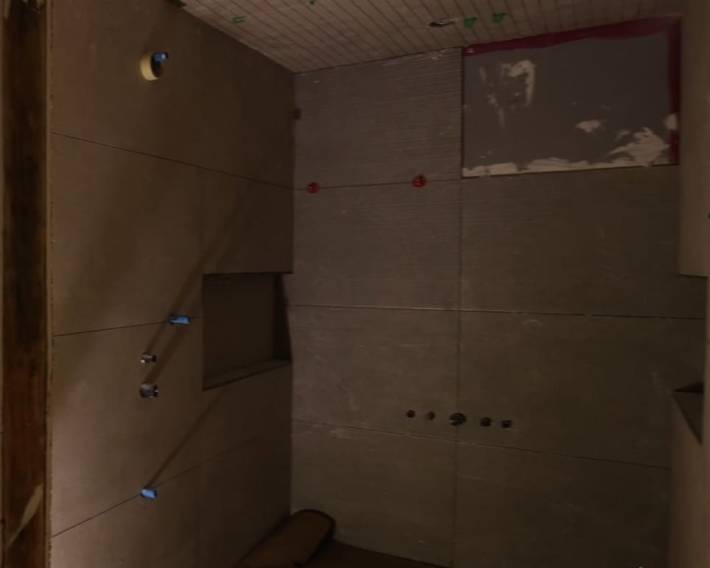
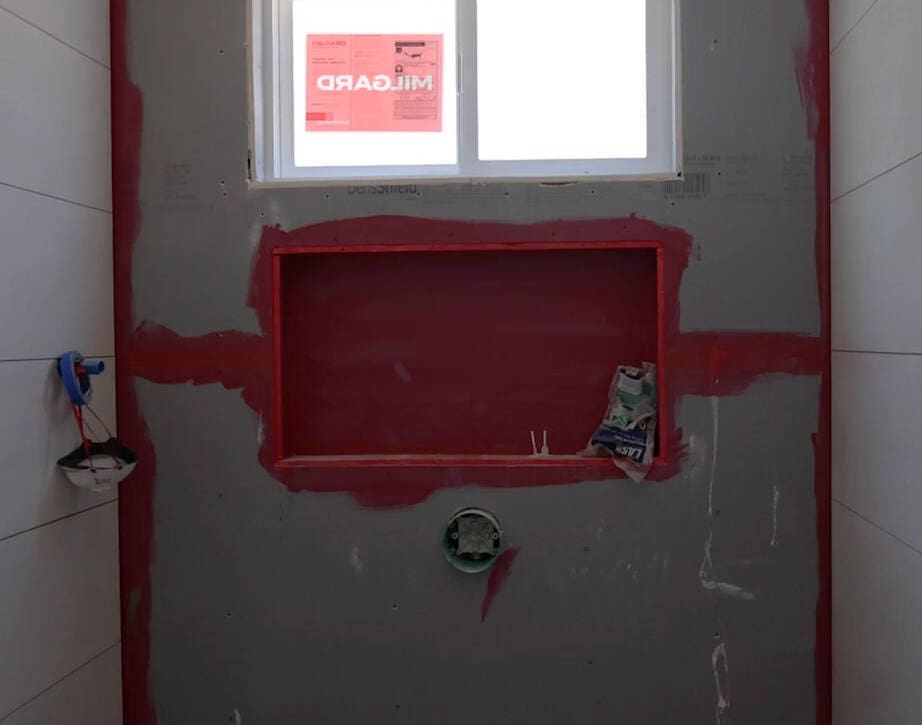
We had a great experience working with Lecut and Yari on our bathroom remodel. Yari was very responsive and easy to communicate with throughout the entire project, and Lecut did a great job with the installation and finishing work.
They were professional, reliable, and always willing to come back and take care of small details when needed. We're very happy with how everything turned out and really appreciate their hard work and attention to detail.

Related Articles
The Guide To Managing Construction Waste And Recycling For San Jose Remodels
Remodeling Contractor San Jose | LeCut Construction
Construction Services in San Jose
Cookie Policy
People Also Ask
The four primary types of construction are residential, commercial, industrial, and infrastructure (also called heavy civil). Residential construction focuses on single-family homes, apartments, and townhouses. Commercial construction includes offices, retail stores, and restaurants. Industrial construction covers factories, warehouses, and power plants. Infrastructure involves roads, bridges, and utilities. At Lecut Construction, we specialize in commercial and residential projects in the San Jose area, ensuring each type meets strict safety and quality standards. Understanding these categories helps clients plan their budgets and timelines effectively.
In the context of home improvement and professional contracting, construction refers to the process of building, assembling, or modifying structures. This includes everything from new home builds to renovations like adding a built-in bookcase. For homeowners in San Jose, understanding construction means knowing the phases of a project, from design and permitting to framing and finishing. A well-planned construction project requires careful coordination of materials, labor, and building codes. For specific guidance on integrating a custom feature into your home, our internal article Building A Built-in Bookcase Into A Wall In San Jose provides detailed steps for a successful installation. Lecut Construction emphasizes that quality construction relies on precise measurements and adherence to safety standards.
When communicating with your contractor, avoid saying "I can get materials cheaper myself" as it disrupts supply chain warranties and coordination. Do not say "My neighbor got a much lower quote" as it undermines trust without context of scope differences. Avoid "Can you start tomorrow?" as proper scheduling ensures quality. Never ask "Can you skip the permit?" as this creates legal liability. Also, avoid "I'll pay you in cash for a discount" as it bypasses proper documentation. For guidance on material choices, refer to our internal article How To Choose The Right Gutters And Downspouts. Lecut Construction emphasizes transparent communication to ensure project success.
Yes, it is possible to earn $200,000 a year in the construction industry, but it typically requires specialized skills, experience, and often a leadership role. For example, experienced project managers, superintendents, or owners of successful subcontracting businesses can reach this income level. In high-demand areas like San Jose, Santa Clara, and Sunnyvale, where labor costs are elevated, a skilled electrician or plumber with a strong reputation and consistent overtime can also approach this figure. However, this is not a standard entry-level wage. It usually demands years of expertise, certifications, and a track record of delivering quality work. At Lecut Construction, we emphasize that reaching such a high income often involves managing complex projects or owning a company, not just performing daily labor.
For managing waste on a construction site, efficient planning is essential to minimize environmental impact and control costs. Segregating materials like wood, metal, and concrete at the source improves recycling rates and reduces landfill fees. Implementing a dedicated waste management plan from the project's start ensures compliance with local regulations. For detailed strategies tailored to your remodel in our service area, please refer to our internal article The Guide To Managing Construction Waste And Recycling For San Jose Remodels. This resource provides specific guidance on sorting, disposal, and vendor coordination to keep your site organized and sustainable.