

Destiny Aburto Meza January 19
Experienced team creating clean finishes and delivering steady updates.


Naomi Brooks January 19
I recently found myself locked out of my house late at night, and it was a terrible experience. I called an emergency locksmith, and a technician came to my location in an incredibly short period of time, less than 20 minutes. He was very professional and polite. He quickly unlocked me into my house without causing any damage. The service was excellent, and the charges were reasonable for the emergency.


Paul Merson December 31
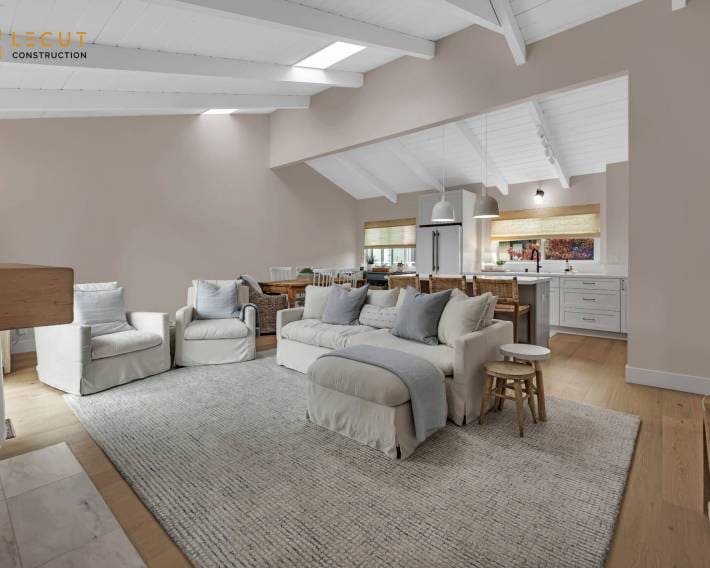
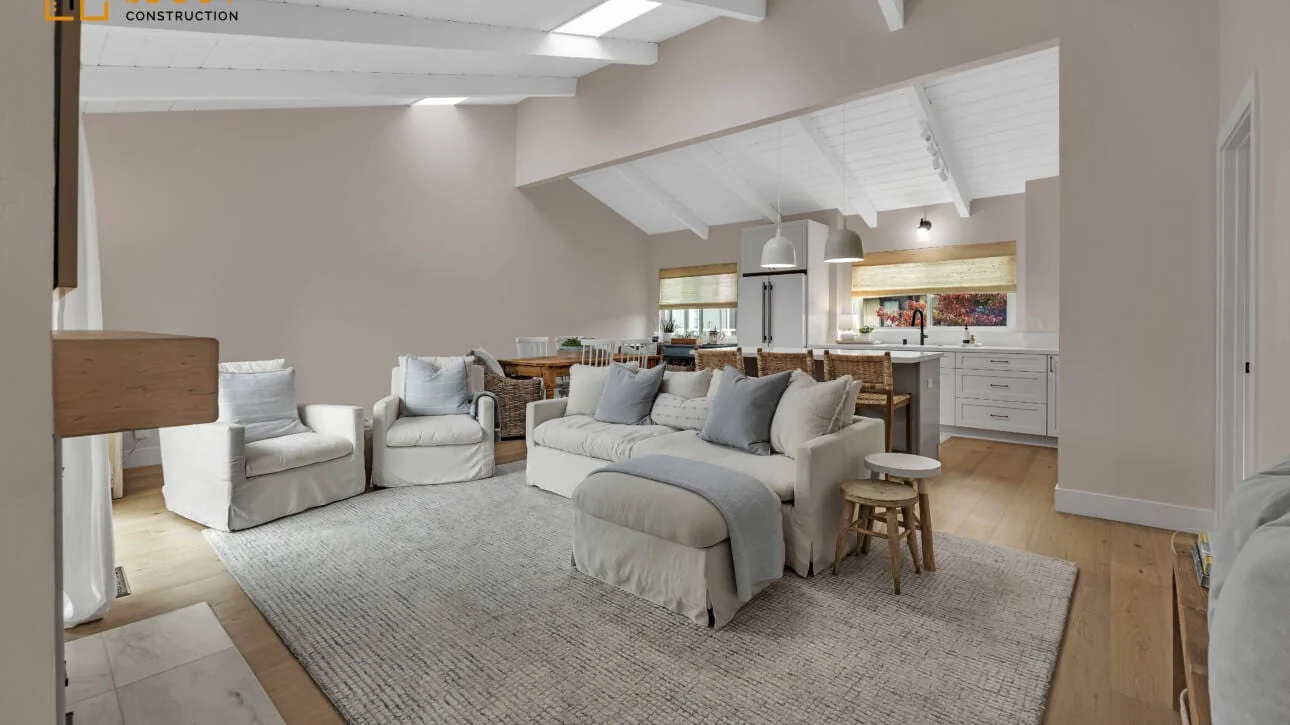
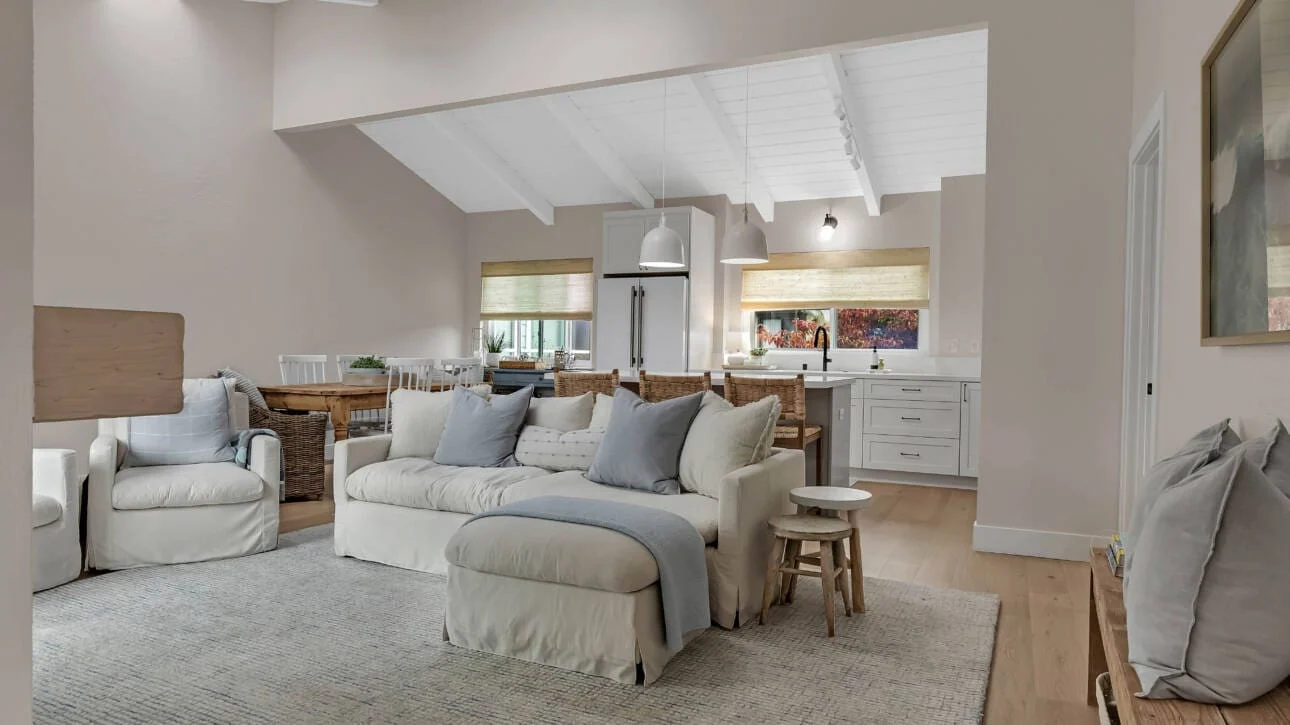
In San Jose getting a reliable and trustable home remodeler can be daunting task, but not when you have Lecut Construction.
They had a plan for the remodel and they implemented it in a professional manner.
Related Articles
People Also Ask
The cost of a 20x20 room addition in California varies widely based on location, materials, and complexity. On average, you can expect a range from $80,000 to $200,000 or more. Basic, single-story additions with standard finishes typically start around $80,000 to $120,000. Mid-range projects with higher-end materials, proper HVAC integration, and foundation work often fall between $120,000 and $160,000. High-end custom additions with premium finishes, structural upgrades, or second-story elements can easily exceed $200,000. Key cost factors include site preparation, permits, labor, material quality, and whether plumbing or electrical systems are extended. Always obtain multiple detailed quotes from licensed contractors and budget for a 10-15% contingency for unforeseen expenses.
The cost to add a 12x12 room varies widely based on location, materials, and complexity, but a national average typically ranges from $20,000 to $80,000. A basic, low-finish addition might start around $20,000-$30,000, while a mid-range project with standard finishes often falls between $40,000 and $60,000. High-end custom builds with premium materials, complex foundations, or extensive electrical/plumbing work can reach $80,000 or more. Key cost factors include site preparation, foundation type, roofing, siding, insulation, interior finishes, and permitting fees. It is crucial to obtain detailed quotes from licensed contractors, as labor constitutes a significant portion of the expense and local building codes will directly impact the final budget.
Yes, you almost certainly need a permit to add a room to your house in California. Building permits are mandatory for new construction, additions, and structural alterations to ensure the work complies with the California Building Standards Code, including safety, zoning, energy efficiency (Title 24), and seismic regulations. The process involves submitting detailed plans to your local city or county building department for review and approval. Skipping the permit can lead to fines, forced removal of the work, and significant problems when selling your home. Always consult your local planning department early, as requirements can vary by municipality and may also involve planning, environmental, or design review approvals.
Adding a room to a house at the lowest cost typically involves maximizing existing space and using cost-effective materials. The cheapest method is often to finish an unfinished area like a basement, attic, or attached garage, as the basic structure already exists. Converting a porch or large storage area is another budget-friendly option. Using standard, readily available materials and a simple rectangular design minimizes labor and waste. For a new addition, a prefabricated or modular room can be more economical than traditional stick-built construction. Crucially, acting as your own general contractor to manage subcontractors can save on overhead, but this requires significant time and project management knowledge. Always secure necessary permits to avoid costly fines.
When considering room addition services in Milpitas, reviews are a crucial starting point for selecting a contractor. Look for consistent feedback on key areas like professionalism, adherence to timelines and budgets, quality of craftsmanship, and communication. Positive reviews often highlight a company's ability to navigate local Milpitas building codes and permit processes smoothly. Pay close attention to how companies respond to any negative reviews, as this demonstrates their commitment to client satisfaction. It is advisable to consult multiple sources, including Google, Yelp, and the Better Business Bureau, to get a well-rounded picture. Always verify that any contractor you consider is fully licensed, insured, and has specific experience with room additions in the Bay Area climate and housing styles.