

Destiny Aburto Meza January 19
Experienced team creating clean finishes and delivering steady updates.


Naomi Brooks January 19
I recently found myself locked out of my house late at night, and it was a terrible experience. I called an emergency locksmith, and a technician came to my location in an incredibly short period of time, less than 20 minutes. He was very professional and polite. He quickly unlocked me into my house without causing any damage. The service was excellent, and the charges were reasonable for the emergency.


Paul Merson December 31
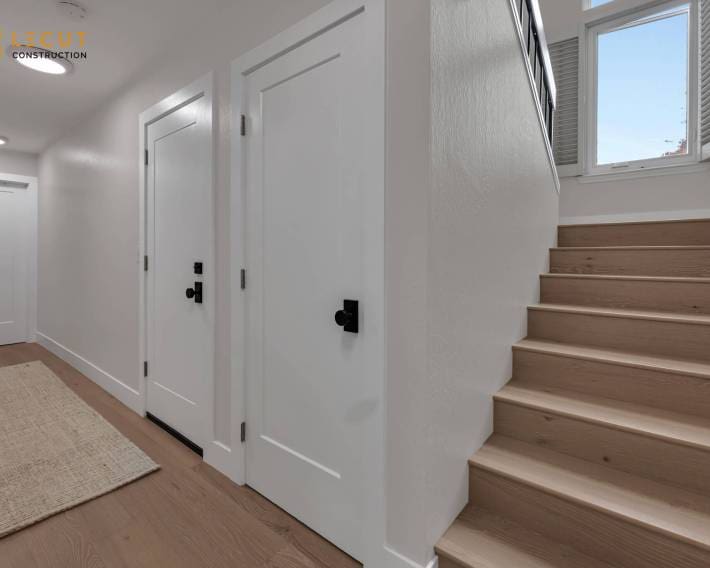
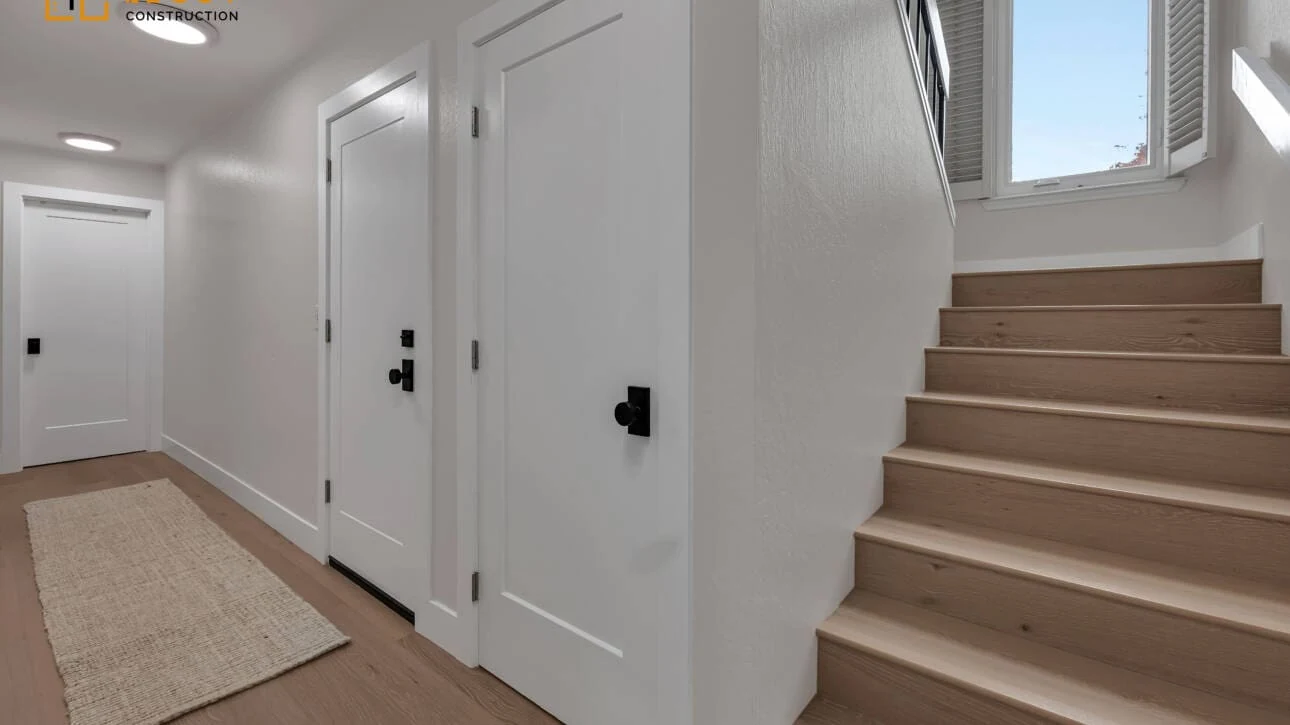
In San Jose getting a reliable and trustable home remodeler can be daunting task, but not when you have Lecut Construction.
They had a plan for the remodel and they implemented it in a professional manner.
Related Articles
People Also Ask
The 30% rule in remodeling is a general budgeting guideline suggesting that homeowners should not spend more than 30% of their home's current market value on a major renovation project. This rule helps prevent overcapitalization, where the cost of improvements exceeds the value they add to the property. For example, if a home is worth $300,000, the recommended remodeling budget cap would be around $90,000. This is a conservative benchmark to ensure a reasonable return on investment and maintain financial prudence. However, it's a flexible guideline; the appropriate budget can vary based on the local real estate market, the specific scope of work, and your long-term plans for the property. Always consult with a professional appraiser or contractor for a precise project assessment.
Home addition plans are typically drawn up by licensed professionals such as architects or residential designers. An architect provides comprehensive services, ensuring the design is structurally sound, aesthetically pleasing, and compliant with local building codes and zoning regulations. A residential designer or draftsperson may also create plans, often at a lower cost, especially for simpler projects. In many cases, a structural engineer is consulted to specify load-bearing elements. It is crucial to hire a qualified professional who can produce detailed construction documents; these plans are necessary for obtaining building permits and for contractors to provide accurate bids and execute the work properly.
The cost to design a home addition varies widely based on scope, location, and professional fees. On average, architectural design fees range from 5% to 15% of the total construction cost. For a typical mid-range addition, total construction might cost $50,000 to $200,000, putting design fees roughly between $2,500 and $30,000. Some architects charge a flat fee or an hourly rate of $100 to $250. This cost covers initial consultations, schematic designs, construction drawings, and navigating permit processes. Investing in professional design is crucial; it ensures structural integrity, code compliance, and maximizes your return on investment by creating a functional, aesthetically pleasing space that integrates seamlessly with your existing home.
The cost of a home addition in Dallas varies widely based on size, complexity, and finishes. A basic room addition typically starts around $80,000 to $120,000. For a more substantial second-story addition or a primary suite, costs often range from $150,000 to $300,000 or more. Key factors include architectural design, permitting with the City of Dallas, material choices, and current labor rates. High-end finishes and complex foundations or roofing will increase the budget. It is crucial to obtain detailed quotes from licensed contractors that account for all structural, mechanical, and electrical work. Proper planning and a clear contract are essential for managing costs and avoiding unexpected expenses.
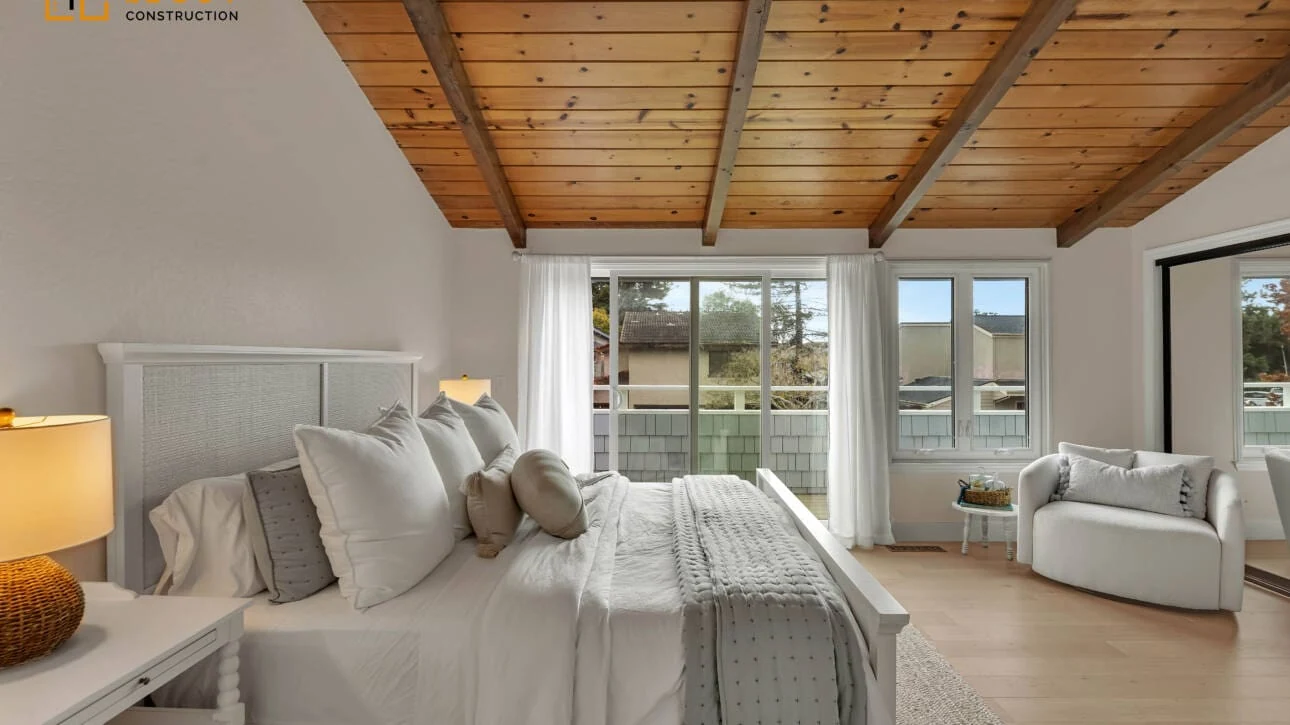
Lecut Construction is a premier builder serving the Coyote area, specializing in high-end custom homes and major renovations. Our approach combines meticulous planning, superior craftsmanship, and a collaborative process to bring your vision to life. We focus on sustainable practices and premium materials to ensure lasting quality and value. For a detailed look at our capabilities and a specific project example, we invite you to read our internal article on Luxury Home Renovation in Coyote. Our team is dedicated to transparent communication and exceeding expectations, ensuring your building experience is as exceptional as the finished home.