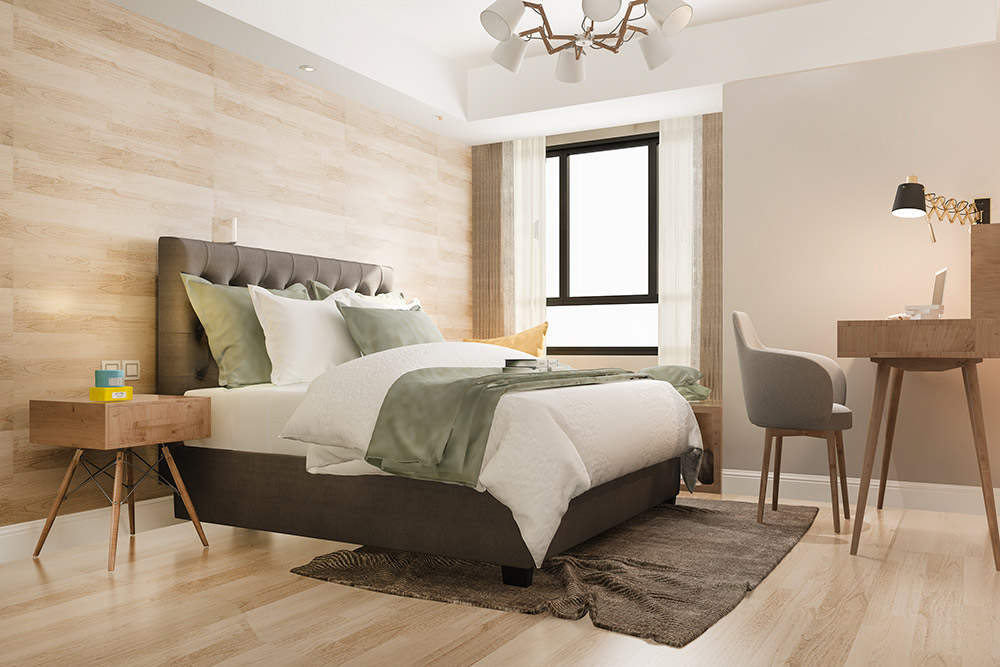
The fastest way to upgrade an old bedroom in 2026 is to focus on three high-impact, low-cost changes: repaint the walls in a warm neutral tone, replace worn bedding with layered natural-fiber textiles, and swap out a single overhead light for layered lighting (ambient, task, and accent). These three moves can transform a tired room in a single weekend for under 1,000 dollars. For a complete transformation that includes structural changes, custom storage, or a full layout redesign, a professional design-build firm such as LeCut Construction can handle everything from permits to final walkthrough, ensuring the result is both beautiful and built to last.

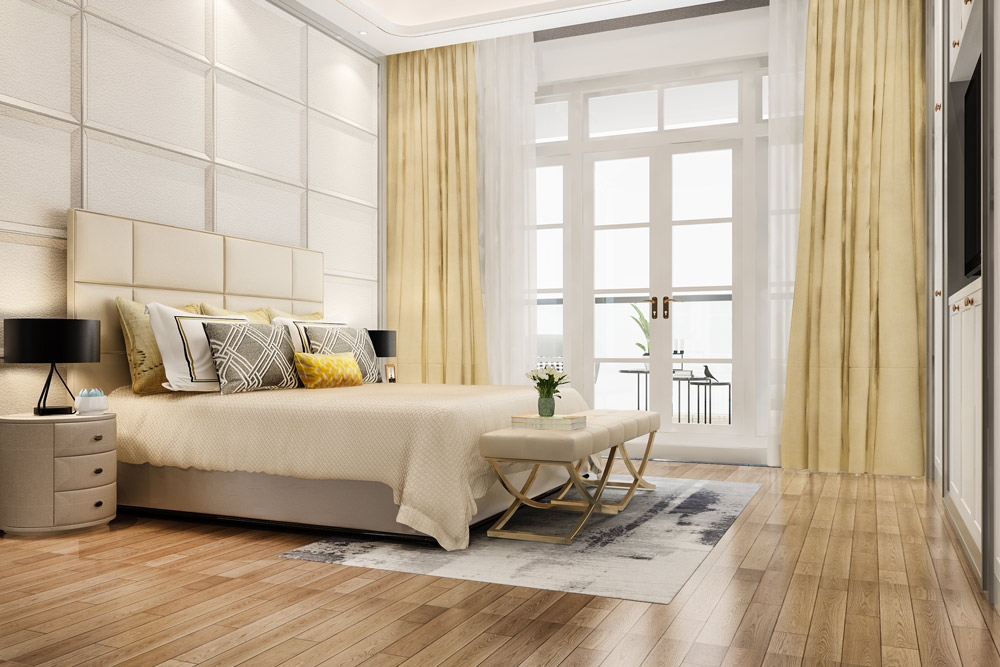
Table of Contents
Why Your Bedroom Deserves an Upgrade in 2026
A bedroom should be a retreat that supports restful sleep and reflects your current lifestyle. Yet many homeowners live with the same faded paint, sagging bedding, and inefficient layout for a decade or longer. An outdated bedroom does more than look tired; it can undermine sleep quality, increase stress, and lower your home’s perceived value.
In 2026, bedroom design is moving decisively toward warm minimalism, natural materials, and wellness-focused features. Designers report a shift toward what is being called the “cocoon bedroom”: padded, upholstered, and layered spaces that create a sense of calm and intimacy. At the same time, technology is being deliberately minimized in favor of hardwired, distraction-free environments.
Whether you plan a simple weekend refresh or a full-scale renovation, a systematic approach will help you prioritize spending, avoid costly mistakes, and achieve a result that looks current and feels deeply personal.
Step 1: Assess What Is and Is Not Working
Before buying anything, walk through the room with a critical eye. Note every element that feels dated or dysfunctional.
Questions to ask yourself:
-
Does the wall color make the room feel dark or closed in?
-
Is there enough storage, or are surfaces buried in clutter?
-
Does the lighting feel harsh or inadequate?
-
Is the furniture proportional to the room, or does it overwhelm the space?
-
Do the textiles feel worn, thin, or mismatched?
Measure the room and sketch a simple floor plan. This prevents buying furniture that is too large or too small. If structural changes such as removing a wall, adding a window, or reconfiguring a closet are on your wish list, this is the moment to consult a licensed contractor. LeCut Construction, a family-owned design-build firm serving the San Francisco Bay Area, offers free design consultations to help homeowners evaluate what is possible within their footprint and budget.
Step 2: Set a Realistic Budget
Bedroom upgrade costs span a wide range. Defining your budget early keeps the project focused and prevents scope creep.
Bedroom Upgrade Cost Ranges (2026 Estimates)
| Scope | Typical Cost (USD) | What It Includes |
|---|---|---|
| Cosmetic refresh | 500 – 2,500 | Paint, new bedding, curtains, a rug, and updated lamp shades. |
| Mid-range makeover | 3,000 – 10,000 | New flooring, light fixtures, window treatments, furniture updates, and closet organization. |
| Full renovation | 12,000 – 35,000+ | Structural changes, drywall, electrical rewiring, custom built-ins, new windows, and high-end finishes. |
Data sourced from multiple contractor estimates and remodeling cost guides. Always add a 10 to 20 percent contingency for unforeseen conditions such as outdated wiring or subfloor damage.
Step 3: Refresh Walls and Paint — The Single Biggest Impact Move
Paint is the most affordable way to reset a room’s entire personality. The 2026 palette favors warm, nature-derived neutrals that create a serene backdrop.
Trending 2026 Wall Colors
| Color Family | Specific Shades | Best Used For |
|---|---|---|
| Warm whites | Soft alabaster, ivory, warm linen | All four walls for an airy, light-filled feel. |
| Earthy greiges | Taupe, mushroom, warm putty | A sophisticated neutral that pairs with both cool and warm accents. |
| Muted greens | Sage, eucalyptus, olive | An accent wall or entire room for a biophilic, calming effect. |
| Deep blues | Midnight navy, slate blue | A dramatic accent behind the bed for depth. |
| Soft plasters | Clay, terracotta blush | Adds warmth and texture, popular in Mediterranean-inspired bedrooms. |
Designers recommend the 60-30-10 rule for balanced color schemes: 60 percent dominant color (walls and large furniture), 30 percent secondary color (upholstery and curtains), and 10 percent accent color (pillows, art, and accessories).
Pro tip: In 2026, bold accent walls are being replaced by color drenching — painting walls, ceiling, and trim in a single cohesive shade for a cocoon-like effect.
Step 4: Update Flooring for Comfort and Cohesion
Flooring anchors the entire room. Worn carpet or outdated vinyl instantly dates a bedroom.
Flooring Options Comparison
| Material | Cost per Square Foot (USD) | Durability | Best For |
|---|---|---|---|
| Luxury vinyl plank | 2 – 7 | High; waterproof | Budget-conscious upgrades, basements. |
| Engineered hardwood | 4 – 10 | High; can be refinished once | A timeless look that adds resale value. |
| Solid hardwood | 8 – 15 | Very high; refinishable multiple times | Premium, long-term investment. |
| Carpet (wool or wool-blend) | 3 – 8 | Medium; 8–15 year lifespan | Bedrooms where warmth and softness are priorities. |
| Large-format area rug | 100 – 1,500 total | Varies | Renters or instant refreshes over existing floors. |
If replacing flooring is not in the budget, a large 8 by 10 foot or 9 by 12 foot area rug in a natural fiber such as jute or wool can anchor the bed and instantly modernize the space.
Step 5: Modernize Lighting — Layer for Function and Atmosphere
A single overhead fixture is the hallmark of an outdated bedroom. Modern lighting design layers three types of light.
The Three Layers of Bedroom Lighting
-
Ambient lighting: The room’s overall illumination. Recessed LEDs on a dimmer or a semi-flush ceiling fixture provide even, adjustable light.
-
Task lighting: Focused light for specific activities. Swing-arm wall sconces next to the bed free up nightstand space. A floor lamp next to a reading chair serves the same purpose.
-
Accent lighting: Highlights architectural features or art. LED strip lights inside open shelving, a picture light above a statement artwork, or a small uplight behind a plant add depth.
In 2026, designers are specifying warm-color-temperature LEDs (2700K to 3000K) with dimmable controls. Smart bulbs that can be programmed to shift from cool daylight in the morning to warm amber in the evening support the body’s natural circadian rhythm.
Step 6: Upgrade Furniture and Optimize the Layout
Furniture that is too large, too dark, or excessively ornate makes a bedroom feel stuck in a previous decade. Today’s preferred aesthetic favors clean lines, light-to-medium wood tones, and mixed materials.
Signs Your Furniture Needs Attention
-
Drawers stick or squeak.
-
Visible scratches, water rings, and chipped veneer.
-
Heavy, dark wood finishes that absorb light.
-
Ornate carvings and brass hardware that clash with a modern palette.
What to do:
-
Refinish or repaint: Sanding and staining a wood dresser in a lighter tone, or painting it in a matte finish, can make a piece look brand new.
-
Swap the hardware: Replace dated brass knobs with brushed nickel, matte black, or leather pulls. This is a 50-dollar change that takes 30 minutes.
-
Rearrange first: Try placing the bed on a different wall. Even a new furniture arrangement can dramatically improve flow and make the room feel larger.
-
Choose multifunctional pieces: A bed frame with built-in drawers, a nightstand that doubles as a small desk, or an ottoman that opens for storage reduces visual clutter.
When the layout requires structural changes such as removing a non-load-bearing wall or widening a doorway, hire a licensed contractor. LeCut Construction specializes in design-build renovations that reconfigure spaces for modern living, handling everything from engineering to finish carpentry.
Step 7: Revamp Textiles and Bedding
Textiles are the fastest and most affordable way to inject color, texture, and a sense of luxury into a bedroom. Worn, pilled, or mismatched bedding instantly signals neglect.
Textile Upgrade Checklist
-
Sheets: Choose natural fibers (cotton percale or linen) in solid neutrals. High-quality sheets feel better against the skin and drape cleanly.
-
Duvet or comforter: A lightweight, breathable duvet in a muted tone. In 2026, textured fabrics like waffle-weave cotton and quilted matelassé are replacing smooth, shiny finishes.
-
Throw pillows: Mix sizes (22 by 22 inch, 20 by 20 inch, and a lumbar) and textures (linen, bouclé, velvet) for a curated, hotel-like look.
-
Curtains: Floor-length panels in a substantial fabric (linen, cotton velvet) hung from a rod placed 4 to 6 inches above the window frame create height. Blackout lining improves sleep quality.
-
Layered rugs: A flat-weave jute rug as a base with a smaller, softer wool rug on top adds warmth and defines zones.
Step 8: Maximize Storage and Organization
Visible clutter is one of the quickest ways to make a bedroom feel outdated and stressful. Smart storage solutions keep the room serene and functional.
Storage Strategies
-
Under-bed storage: Use rolling bins or a bed frame with built-in drawers for out-of-season clothing and extra linens.
-
Vertical shelving: Floating shelves above a desk or in an unused corner display books, plants, and decorative objects without consuming floor space.
-
Closet systems: Replace a single hanging rod with a double-hang section, drawers, and shoe shelves. This can double the closet’s capacity without expanding its footprint.
-
Behind-the-door storage: An over-the-door organizer or a wall-mounted hook rack holds bags, robes, or accessories.
-
Integrated WFH nook: In 2026, compact, built-in workspaces seamlessly integrated into bedroom joinery are a growing trend, allowing a bedroom to double as a productive home office without visual chaos.
Step 9: Add Personal Style and Decor
A bedroom should feel like yours. Personal touches turn a generic space into a sanctuary.
-
Gallery wall: A curated collection of framed art, photographs, and prints. Use consistent frame finishes for cohesion.
-
Statement headboard: An upholstered headboard in a bold fabric or a DIY wood slat wall creates a focal point behind the bed.
-
Greenery: A tall fiddle-leaf fig in a corner or a trailing pothos on a shelf brings life and improves air quality.
-
Mirrors: A large, leaning floor mirror or a mirror placed across from a window amplifies natural light and makes the room feel larger.
-
Scent: A reed diffuser or linen spray in lavender, eucalyptus, or cedar creates a sensory layer of calm.
Step 10: Integrate Smart Home and Wellness Features
The 2026 bedroom prioritizes health and simplicity.
-
Blackout shades: Motorized, app-controlled shades that lower automatically at bedtime.
-
Air quality: A HEPA air purifier reduces dust and allergens.
-
Sound management: A white-noise machine or a smart speaker playing pink noise masks disruptive sounds.
-
Temperature control: A smart thermostat or a bedside fan with a remote.
-
Circadian lighting: Smart bulbs that transition from energizing cool light to relaxing warm light on a schedule.
When to Call a Professional
While many upgrades are DIY-friendly, some projects require a licensed contractor:
-
Electrical work (new circuits, rewiring, recessed lighting installation).
-
Structural changes (wall removal, window or door relocation).
-
Custom built-ins (closet systems, integrated desks, window seats).
-
Plumbing (adding or relocating a bathroom adjacent to the bedroom).
LeCut Construction, a family-owned and operated design-build firm based in the San Francisco Bay Area, offers comprehensive bedroom and whole-home renovation services. Their team handles every phase — design, engineering, permits, construction, and final finishing — with a commitment to clear communication and meticulous workmanship. Fully licensed and insured, they serve homeowners in San Francisco, Oakland, San Jose, and throughout the Bay Area.
Schedule your free design consultation today.
Frequently Asked Questions
What is the cheapest way to make an old bedroom look new?
The most cost-effective refresh combines three actions: deep clean and declutter every surface, repaint the walls in a warm neutral color, and replace bedding with crisp, layered textiles. These changes can cost as little as 200 to 400 dollars and deliver a dramatic visual impact. Next, swap outdated hardware on existing furniture and rearrange the layout to improve flow.
How much does a bedroom upgrade typically cost in 2026?
A cosmetic refresh (paint, bedding, curtains, a rug, lamp shades) typically ranges from 500 to 2,500 dollars. A mid-range makeover that includes new flooring, light fixtures, window treatments, and furniture updates runs 3,000 to 10,000 dollars. A full renovation with structural changes, electrical work, and custom built-ins starts at about 12,000 dollars and can exceed 35,000 dollars for high-end materials.
What are the biggest bedroom design trends for 2026?
Key 2026 trends include warm minimalism with nature-derived neutrals, the “cocoon bedroom” concept (upholstered walls, layered textiles, and deep comfort), pattern drenching, statement headboards, integrated home-office nooks, circadian lighting systems, and a deliberate reduction of visible technology. Wellness-focused features such as air purifiers, blackout shades, and natural materials dominate.
Should I replace or refinish old bedroom furniture?
Refinishing is almost always the more sustainable and budget-friendly choice. Sanding and restaining wood pieces in a lighter tone, painting them in a matte finish, and swapping outdated hardware can make them look current for under 100 dollars per piece. Replace furniture if it is structurally unsound, heavily damaged, or grossly out of proportion with the room.
Is it worth hiring a professional for a bedroom upgrade?
For cosmetic updates such as painting, decorating, and rearranging furniture, most homeowners can DIY. For any work involving electrical, structural, or plumbing changes, a licensed contractor is essential for safety and code compliance. A design-build firm such as LeCut Construction is particularly valuable when the project involves reconfiguring the layout, adding custom storage, or coordinating multiple trades.
How long does a full bedroom renovation take?
A cosmetic refresh can be completed in a weekend. A mid-range makeover with new flooring and lighting typically takes 1 to 3 weeks. A full-scale renovation involving structural work, drywall, electrical, and custom cabinetry usually takes 4 to 8 weeks, depending on scope and permit timelines.
What is the 60-30-10 rule in bedroom design?
The 60-30-10 rule is a timeless interior design principle for creating balanced, harmonious color schemes. It dictates that 60 percent of the room features a dominant color (walls, large furniture, flooring), 30 percent a secondary color (upholstery, curtains, bedding), and 10 percent an accent color (throw pillows, artwork, vases). This ratio ensures visual interest without chaos.
Conclusion
Upgrading an old bedroom is one of the most rewarding home improvements you can make. It does not require a six-figure budget or months of construction. By working through a structured plan — assess, budget, paint, floor, light, furnish, textile, store, style, and smartify — you can transform a dated, tired space into a modern sanctuary that supports rest, productivity, and well-being.
For projects that go beyond paint and pillows, a trusted partner makes all the difference. LeCut Construction brings decades of Bay Area remodeling experience to every project, from a simple closet upgrade to a complete primary-suite transformation. Their design-build approach means one point of contact, one cohesive team, and a result that is as functional as it is beautiful. Visit our contact page to schedule your free design consultation and take the first step toward the bedroom you have always wanted.
Related Articles
Integrating Smart Lighting Into Your Remodel Plan
Small Meditation Room Ideas For San Jose Bedrooms
Managing A Multi-Phase Home Remodel While Living In Your San Jose House
People Also Ask
The 60-30-10 rule is a timeless interior design principle for creating balanced color schemes in a bedroom. The rule dictates that 60 percent of the room should feature a dominant color, typically used on walls, large furniture, and flooring. Then, 30 percent is a secondary color for upholstery, curtains, and smaller furniture pieces. The final 10 percent is an accent color applied through accessories like throw pillows, artwork, or decorative vases. At Lecut Construction, we often recommend this approach to clients in San Jose and Santa Clara because it ensures visual harmony without overwhelming the space. For example, a neutral beige for the 60 percent, a soft navy for the 30 percent, and a vibrant gold for the 10 percent can create a sophisticated yet inviting bedroom atmosphere.
To update an old bedroom, start by focusing on the walls. A fresh coat of neutral paint can transform the space. Replace outdated light fixtures with modern, energy-efficient options. Consider swapping heavy drapes for lighter curtains to let in more natural light. Updating the bed frame or adding a new headboard can serve as a focal point. For flooring, if replacing is not an option, a large area rug can refresh the look. Declutter and organize to create a sense of calm. If you need professional guidance, Lecut Construction can help with structural updates like closet renovations or lighting installation to ensure a seamless finish.
I understand you're asking about upgrading a bedroom without spending money. While a free total renovation is not feasible, you can achieve a refreshed look through reorganization and decluttering. Start by rearranging your existing furniture to create a new layout and improve flow. Swap accessories like pillows, throws, or art from other rooms. Deep clean every surface, including baseboards and windows, to make the space feel new. Use natural light strategically by removing heavy drapes. If you have paint leftover from another project, consider an accent wall. For structural changes like flooring or electrical work, professional help is needed. Lecut Construction can advise on cost-effective upgrades when you are ready to invest.
The cost to upgrade a bedroom varies widely based on the scope of work and materials selected. A basic refresh, including paint, new flooring, and light fixture replacement, typically ranges from $3,000 to $8,000. A more comprehensive renovation involving custom built-ins, upgraded electrical, or window replacement can easily run between $10,000 and $25,000. For high-end finishes, structural changes, or adding an en-suite bathroom, costs may exceed $40,000. To get accurate pricing for your specific project in San Jose, we recommend reviewing our internal article San Jose Home Improvement Guide: Navigate Permits, Preservation Rules, and Renovation Costs Like a Pro for detailed cost breakdowns and permit requirements. Lecut Construction always advises obtaining multiple itemized bids to compare labor and material costs.
Upgrading a bedroom for guys often means focusing on functionality, comfort, and a clean aesthetic. Start by investing in quality bedding, such as high-thread-count sheets and a supportive mattress, to improve sleep quality. Declutter the space by adding smart storage solutions like under-bed drawers or a streamlined dresser. Incorporate a neutral color palette with dark blues, grays, or blacks, and use Lecut Construction to install proper lighting, including dimmable fixtures for adjustable ambiance. A dedicated workspace or reading nook with a sturdy desk and ergonomic chair can enhance productivity. Finally, add personal touches like wall art, a sound system, or a small plant to make the room feel uniquely yours without overwhelming the space.
Renovating a bedroom with no money is challenging but possible through resourcefulness. Focus on deep cleaning, decluttering, and rearranging furniture to create a new layout. Swap decor items like pillows or throws from other rooms. Use free online tutorials to repaint walls with leftover paint or apply a fresh coat of primer. Repurpose materials; for example, turn old sheets into curtain panels or use cardboard boxes for storage. Lecut Construction advises that even small changes, like rearranging a bed or adding plants from your yard, can transform a space without spending. Prioritize safety and avoid structural changes without professional help.
For a girl's room makeover, start by choosing a cohesive color palette, such as soft pastels, vibrant jewel tones, or a neutral base with bold accent colors. Incorporate functional storage solutions like under-bed bins and wall-mounted shelves to keep the space organized. Add a cozy reading nook with a plush chair and good lighting. Personalize the room with a gallery wall of art and photos. Layering textures, like a fluffy rug and velvet throw pillows, creates warmth. If you are considering a professional renovation, Lecut Construction can provide expert advice on structural changes or custom built-ins to maximize the room's potential.