
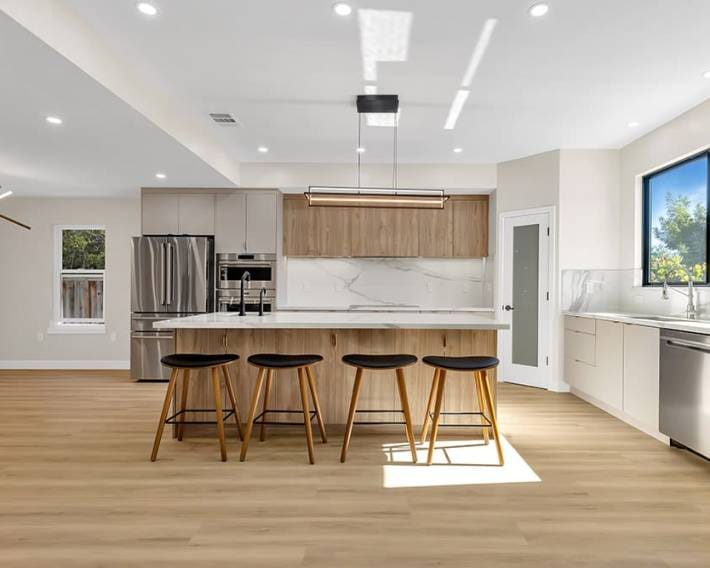
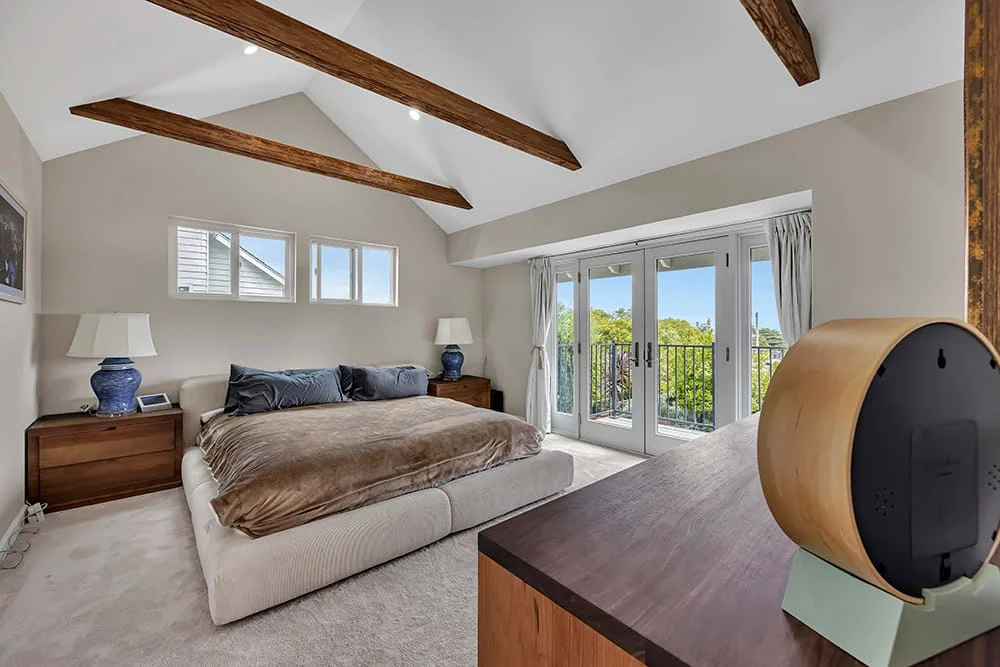

Experienced team creating clean finishes and delivering steady updates.


I recently found myself locked out of my house late at night, and it was a terrible experience. I called an emergency locksmith, and a technician came to my location in an incredibly short period of time, less than 20 minutes. He was very professional and polite. He quickly unlocked me into my house without causing any damage. The service was excellent, and the charges were reasonable for the emergency.


In San Jose getting a reliable and trustable home remodeler can be daunting task, but not when you have Lecut Construction.
They had a plan for the remodel and they implemented it in a professional manner.
Related Articles
People Also Ask
The cost of a garage conversion varies widely based on location, size, and finish, but a typical single-car garage conversion in the US ranges from $10,000 to $30,000. A basic conversion with insulation, drywall, flooring, and minimal electrical work falls on the lower end. A high-end project with plumbing for a bathroom or kitchenette, HVAC extension, high-quality finishes, and full compliance with building codes can reach $50,000 or more. Key cost factors include foundation work if the floor needs leveling, obtaining permits, and whether the space requires significant structural modifications. Always obtain multiple detailed quotes from licensed contractors and ensure your project budget includes a contingency of 10-20% for unforeseen issues.
Converting a garage is generally cheaper than building a new addition. A garage conversion utilizes an existing structure, foundation, and roof, significantly reducing material and labor costs. The primary expenses involve insulation, flooring, electrical, plumbing, and finishing work to make the space habitable. In contrast, a ground-up addition requires new foundations, framing, roofing, and extensive site work, which dramatically increases the budget. However, cost-effectiveness depends on your specific goals. A garage conversion sacrifices parking or storage, while an addition adds square footage without that trade-off. Always consult with a professional contractor to get detailed quotes and understand local building code requirements, as both projects require proper permits.
The 10 year rule for garage conversions refers to the legal principle of "lawful development by estoppel" in UK planning law. If a garage conversion has been completed and used continuously for over 10 years without planning permission and without enforcement action from the local authority, it may become immune from enforcement. This means the conversion could be considered lawful, even if it did not comply with initial permitted development rights or required permission. However, this is a complex area. The burden of proof lies with the property owner to demonstrate continuous use, often requiring statutory declarations or evidence like utility bills. It is always advisable to seek a Lawful Development Certificate from the council for formal confirmation, as this rule has specific conditions and does not override other regulations like building codes or restrictive covenants.
Yes, you typically need permission to convert a garage into a habitable room. This usually involves obtaining a building permit from your local authority to ensure the work complies with building codes, including structural integrity, insulation, ventilation, electrical systems, and fire safety. If your property is part of a homeowners association (HOA), you may also require their approval. Additionally, such a conversion can impact your property taxes and insurance, so it's crucial to inform your insurer. Always consult with your local planning department first, as regulations vary significantly by location, and unpermitted work can lead to fines and complications when selling the property.
For a garage conversion project, start by researching local zoning laws and building codes, as these vary by municipality and often require permits. Hiring a licensed contractor experienced in such conversions is crucial to ensure structural integrity, proper insulation, and compliance with regulations. Consider the conversion's purpose—whether for an extra living space, home office, or rental unit—as this dictates electrical, plumbing, and HVAC needs. Obtain multiple quotes from nearby professionals, check their references and portfolios, and ensure all agreements are detailed in a written contract. Proper planning for ventilation, lighting, and flooring will maximize functionality and add significant value to your property.
Garage conversion costs vary widely based on size, location, and project scope. A basic conversion for a single-car garage typically ranges from $10,000 to $20,000, while a more extensive project with high-end finishes, plumbing for a bathroom or kitchenette, and complex electrical work can cost $30,000 to $60,000 or more. Key cost factors include insulation, flooring, drywall, HVAC integration, and permitting fees. It is crucial to hire licensed contractors and obtain necessary building permits to ensure the conversion meets local building codes and adds legitimate, safe living space to your home. Proper planning and a detailed contract are essential for managing budget and timeline.
Garage conversion kits provide a streamlined approach to transforming an underutilized garage into a functional living space. These kits typically include essential components like insulated wall panels, flooring systems, and sometimes even pre-assembled elements for creating a new room. The primary advantage is a potentially faster and more cost-effective project compared to a traditional custom build from scratch. However, success depends heavily on proper site preparation, including addressing local building codes, obtaining necessary permits, and ensuring the existing garage structure—like the foundation, roof, and drainage—is sound. It is crucial to work with a reputable supplier and a qualified contractor to integrate the kit seamlessly, ensuring the final conversion is safe, energy-efficient, and adds real value to your home.