
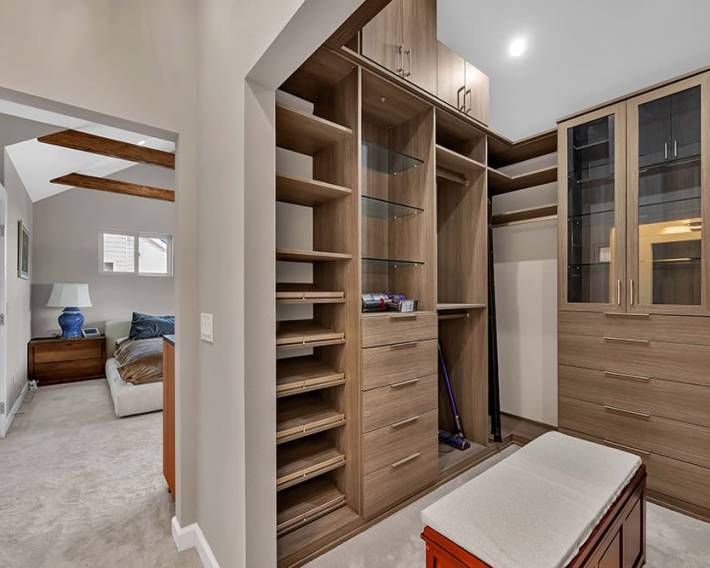
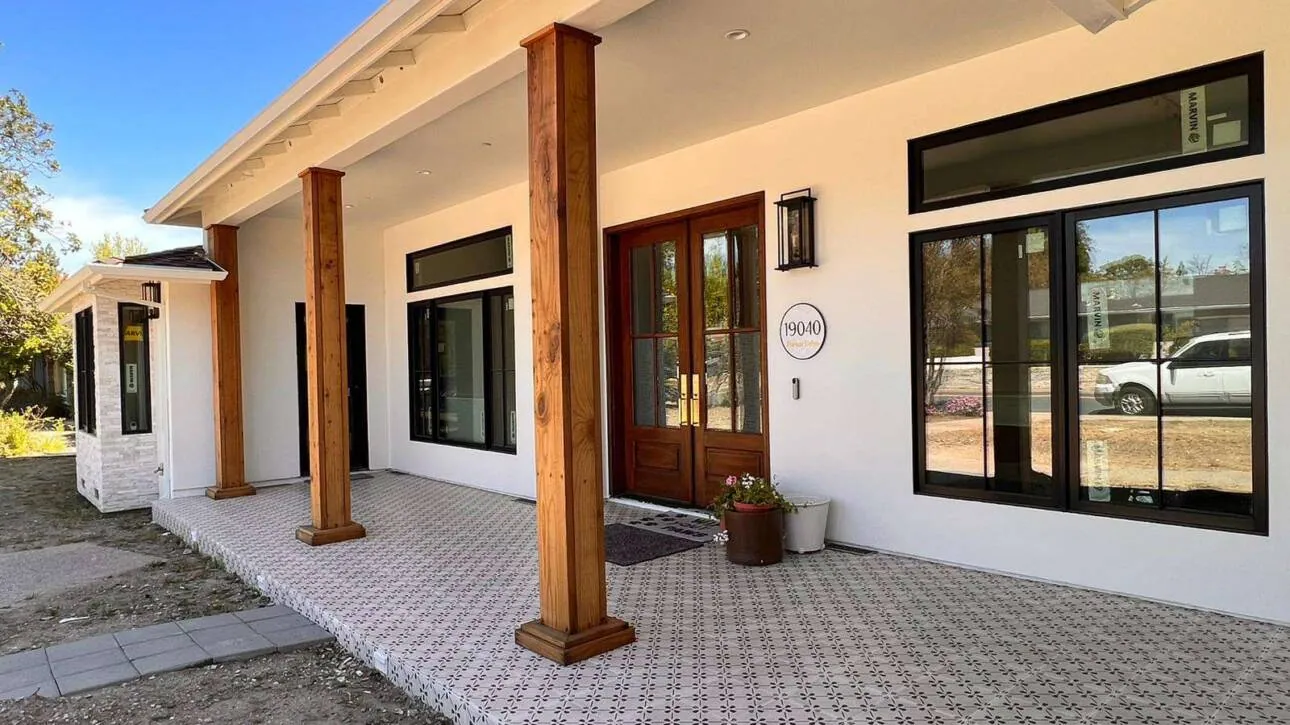

Experienced team creating clean finishes and delivering steady updates.


I recently found myself locked out of my house late at night, and it was a terrible experience. I called an emergency locksmith, and a technician came to my location in an incredibly short period of time, less than 20 minutes. He was very professional and polite. He quickly unlocked me into my house without causing any damage. The service was excellent, and the charges were reasonable for the emergency.


In San Jose getting a reliable and trustable home remodeler can be daunting task, but not when you have Lecut Construction.
They had a plan for the remodel and they implemented it in a professional manner.
Related Articles
Attached ADU Services in Palo Alto
Attached ADU Services in Coyote
ADU Designing and Planning Services in Coyote
People Also Ask
Yes, you can design your own Accessory Dwelling Unit (ADU), but it requires careful planning and a strong understanding of local building codes. While owner-design is possible, it is a complex process involving zoning laws, utility connections, and strict compliance with California's Title 24 energy standards. Most homeowners benefit significantly from professional architectural and engineering services to navigate permits, ensure structural integrity, and optimize the layout for functionality and value. A professional design helps avoid costly mistakes and delays. For a detailed look at the professional design and planning process, including how we manage these complexities for clients, see our resource Accessory Dwelling Unit Services in Fremont.
Building an Accessory Dwelling Unit (ADU) involves navigating complex regulations, and common mistakes can be costly. A major error is failing to secure proper permits from the local planning department, which can lead to fines or orders to demolish the structure. Homeowners often underestimate the total budget, neglecting costs for utility connections, impact fees, and site preparation. Choosing cheap, non-compliant materials to save money upfront compromises long-term durability and safety. Another frequent oversight is improper sizing and placement, violating zoning setbacks or height limits. Finally, not hiring experienced, licensed contractors familiar with ADU codes can result in substandard work that fails inspection, causing significant delays and additional expenses.
The cost comparison between building an ADU (Accessory Dwelling Unit) on-site and buying a prefabricated unit depends heavily on project specifics. Generally, a prefab ADU can be cheaper and faster due to controlled factory construction, which reduces labor time and weather delays. However, site-built ADUs offer greater customization to match an existing home's architecture and can sometimes be more cost-effective if a homeowner has existing resources or a simple design. Key factors influencing cost include foundation work, utility connections, permits, and finish levels. A prefab might have a lower base price, but total installed cost with site work can narrow the gap. Obtaining detailed quotes for both options is essential for an accurate local comparison.
Rhode Island's new ADU (Accessory Dwelling Unit) law, enacted in 2021, significantly eases restrictions to address the state's housing shortage. It allows property owners in most residential zones to create one ADU either within, attached to, or detached from their primary single-family home. Key provisions include prohibiting owner-occupancy requirements by municipalities, streamlining the permitting process, and setting reasonable standards for size, parking, and design. The law aims to increase affordable housing options, support multigenerational living, and make better use of existing housing stock. Local municipalities must now update their ordinances to comply with this state mandate, though specific implementation details can vary by town.
The $25,000 ADU grant typically refers to financial assistance programs, often state or local, designed to encourage the construction of Accessory Dwelling Units (ADUs). These grants aim to increase affordable housing stock and help homeowners offset pre-development costs like design, permitting, and impact fees. Eligibility usually requires the ADU to be rented at affordable rates for a set period. Securing such a grant involves navigating specific application processes, adhering to local zoning codes, and working with approved contractors. Homeowners should consult their city or county housing department for the most current program details, as funding availability and terms frequently change. This initiative represents a significant opportunity to create rental income while contributing to community housing solutions.