The Great Remodeling Adventure: Your Blueprint for Sanity (and a Beautiful Home)
Let’s be honest, friends. The idea of a home remodel is equal parts thrilling and terrifying. One minute we’re blissfully scrolling through Pinterest, dreaming of that sun-drenched kitchen extension. The next, we’re plunged into a vortex of contractor quotes, material choices, and the haunting question: “What on earth have we gotten ourselves into?” If you’re in Silicon Valley and feeling that mix of excitement and dread, you’ve found your people. We’re right there with you, and we’ve navigated this wild terrain more times than we can count.
Think of this as our collective guide, a chat between friends who’ve seen it all—from the sublime to the, well, abortable projects that make you want to pack up and move. We’re going to walk through how to turn your vision into reality without losing your mind, your budget, or your sense of humor. And yes, we’ll talk about why picking the right team, like us here at Lecut Construction in San Jose, is the single most important decision you’ll make.
Table of Contents
Phase One: The Dream vs. The Budget (The Great Reconciliation)
We all start here, don’t we? The vision board is perfect. Then reality, in the form of a spreadsheet, politely coughs and enters the room. The first step in any general remodeling project isn’t picking tiles; it’s aligning your dreams with your finances.
- Get Real About “Cost” and “Price”: When we talk cost, we’re talking about the total investment—materials, labor, permits, and that 15% contingency fund for the “oh, wow, look at that” moments behind your walls. The price a renovation contractor gives you should be a transparent breakdown of all that. A suspiciously low number isn’t a deal; it’s a red flag dressed as a bargain.
- Scope is Your Best Friend (or Worst Enemy): Is this a bathroom remodeler project or a full home remodel? Adding a second story in Campbell is a different beast than updating a kitchen in Los Gatos. Defining the scope with crystal clarity prevents “scope creep,” where small additions slowly inflate your budget into a balloon animal you can’t control.
- The “Near Me” Conundrum: Sure, you’ll search “best remodeling company near me.” But here in the Bay Area, expertise matters more than just proximity. A firm based in San Jose, like ours, has deep, proven experience with the specific permit processes and style of homes across Santa Clara, Saratoga, Cupertino, and the whole Silicon Valley region. That local knowledge saves you time, money, and headaches.
Choosing Your Crew: More Than Just a Hammer and a Smile
This is the big one. Your general contractor is your guide, translator, and defender. They’re the difference between a smooth journey and a trip you desperately want to be abortable. IMO, you should vet them like you’re hiring a new family member.
What to Look For in Your Remodeling Sherpa:
- Communication Style: Do they actually listen, or just wait for their turn to talk? You want a conversational partner, not a lecturer.
- Detailed, Fixed-Price Contracts: Ambiguity is the enemy. The contract should spell out everything, from the brand of grout to the daily cleanup routine.
- A Stellar Track Record: Don’t just look at their portfolio. Ask for references and actually call them. Ask about the crew’s punctuality, problem-solving, and how dusty their living room got.
- Proper Licensing & Insurance: This is non-negotiable. It protects you, your home, and their workers. Any hesitation here is your cue to walk away.
Why do we at Lecut Construction think this is so critical? Because we’ve been brought in to fix the projects where this step was rushed. It’s never pretty, and it’s always more expensive for the homeowner in the long run. Getting it right from the start is the only way to fly.
The Remodeling Menu: What’s On Your Plate?
Home remodeling services isn’t a one-size-fits-all term. It’s a spectrum. Let’s break down what you might be ordering, so you can have a better chat with your house remodeling contractor.
A Quick Guide to Your Options:
| Project Type | What It Typically Involves | Good to Know |
|---|---|---|
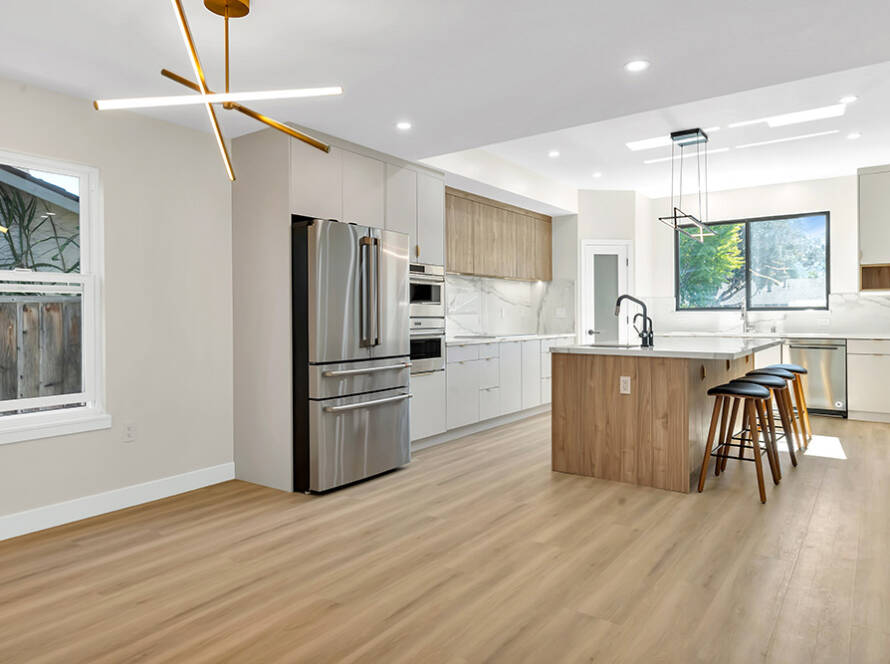
| Kitchen/Bath Remodel | Cabinetry, countertops, plumbing, lighting, flooring. The heart (and bathroom) of the home. | Highest ROI potential. Also, the most disruptive to daily life. A good bathroom remodeler plans for waterproofing first, pretty tiles second. |
| Home Additions | Adding square footage: a room, a second story, extending the kitchen. | Involves foundation work, roofing, and integrating new with old. Permitting in cities like Sunnyvale or Milpitas is a detailed process. |
| Exterior Remodeling | New siding, windows, roofing, landscaping, outdoor living spaces. | Your home’s first impression! Also crucial for weatherproofing and energy efficiency. |
| Full Home Remodel | A comprehensive overhaul of the entire interior, and sometimes exterior. | A marathon, not a sprint. Requires meticulous phased planning to manage living logistics. |
Navigating the Chaos: Survival Tips from the Trenches
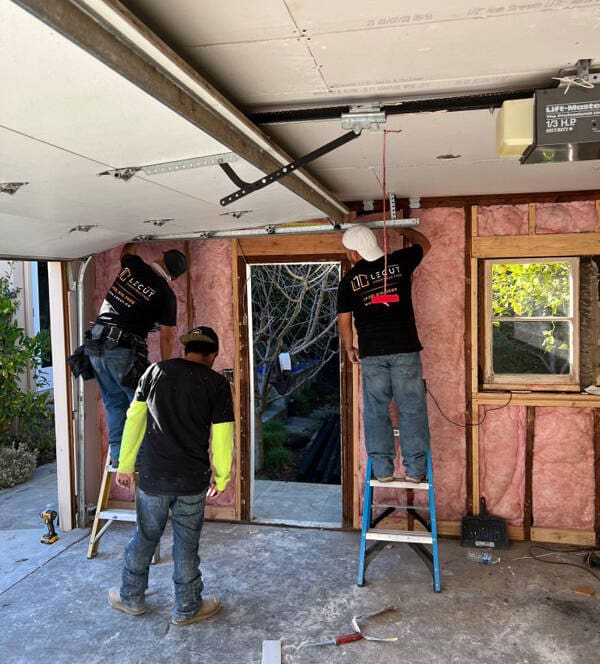
Okay, plans are set, the crew is hired. Now the fun begins. Here’s how to keep your cool when the sledgehammers start swinging.
- Embrace the Dust (It’s Inevitable): We’ll set up containment barriers. They help. But some dust will stage a great escape. It’s a fact of remodeling life. Pro tip: pack away anything you love more than life itself.
- Communication is Your Daily Vitamin: Have a quick daily or weekly sync with your project lead. A simple “How’s it going? Any surprises?” keeps small issues from becoming big ones. This is a pillar of our process at Lecut Construction—no news should never be the default.
- Decisions, Decisions, Decisions: You will be asked to make approximately seven million choices. Create a shared digital folder for all selections (paint chips, fixture specs, tile samples) to avoid frantic texts like, “Was it Brushed Nickel or Champagne Bronze?!”
- The Timeline is a Guide, Not a Gospel: Weather happens. Supply chain hiccups occur. A custom cabinet gets built wrong. A good general contractor builds buffer time for this and communicates delays immediately. Patience, padawan.
The Big Questions: What You’re Really Wondering
Let’s tackle some of the most common queries we get from folks in Fremont to Morgan Hill.
1. How long will my remodel actually take?
A bathroom might take 4-6 weeks. A full home remodel could be 4-6 months. Additions fall somewhere in between. The key factors are scope, permit speed in your city (hey there, Los Gatos and Cupertino), and material availability. We provide a detailed timeline, but we also preach flexibility.
2. Should we move out during the project?
For a single bathroom or kitchen remodel, you can often tough it out. For a full home remodel or major home additions, moving out is an investment in your sanity. Living in a construction zone is a test of marital and familial strength we don’t recommend.
3. How do we handle unexpected problems?
They will appear. Old wiring, rotten subfloor, you name it. This is where your contingency fund and your trust in your renovation contractor come in. A reputable firm will present the problem, the options, and the cost implications immediately, so you can make an informed decision together.
4. How do we ensure we’ll love the final result?
Visualization is key. We use 3D renderings so you can “walk through” your space before we build it. It eliminates the “I thought it would look different” moment. Also, trust your team’s expertise on flow and function, but hold firm on your personal style. It’s your home, after all 🙂
Wrapping Up This Renovation Rendezvous
So, where does this leave us? A remodel is a significant chapter in your home’s story. It’s messy, emotional, and demanding, but the finale—living in a space crafted exactly for your life—is utterly worth it.
The magic formula isn’t a secret: it’s planning + the right partner + clear communication. You bring the vision and the dreams. A true partner brings the expertise, transparency, and calm guidance to get you there.
If your adventure is leading you toward a remodel in San Jose or any of our wonderful surrounding communities, we’d love to be considered as your guide. At Lecut Construction, we believe in building not just beautiful spaces, but a great experience along the way. Let’s have a conversation and start turning those Pinterest boards into a place you actually get to live in. Your future, less-dusty, absolutely stunning home is waiting.
Related Articles
Creating A Gallery Wall In Your San Jose Hallway
Gallery Wall Design Tips For Newly Painted San Jose Hallways
People Also Ask
Designing a gallery wall for a newly painted hallway starts with selecting a cohesive theme, such as black-and-white photography or family portraits. Arrange your frames on the floor first to map out the layout, ensuring balanced spacing of 2 to 3 inches between each piece. For a polished look, use matching frames or a unified color palette. Hang the heaviest piece at eye level, typically 57 to 60 inches from the floor, and work outward. For more detailed guidance, refer to our internal article titled Gallery Wall Design Tips For Newly Painted San Jose Hallways. Lecut Construction recommends using a level and painter's tape to avoid wall damage, ensuring your hallway remains pristine.
For a gallery wall in a hallway, the key is to create a cohesive visual flow that complements the narrow space. Start by selecting a unifying element, such as matching frames or a consistent color palette, to avoid a cluttered look. A horizontal layout works best, keeping the center of the arrangement at eye level for comfortable viewing. For newly painted hallways, ensure the paint has fully cured before hanging to prevent damage. For more tailored advice on arranging your collection, please refer to our internal article titled Gallery Wall Design Tips For Newly Painted San Jose Hallways. Lecut Construction recommends using a template on the wall to plan your layout before hammering any nails.
For narrow hallway photo walls, the key is to create a cohesive gallery that draws the eye forward without overwhelming the space. Use a consistent frame color and style to unify the display, and keep spacing tight—between 2 to 3 inches apart—to maintain a clean, professional look. A horizontal layout works best, as it visually widens the corridor. For a more dynamic approach, consider a single, long shelf to lean frames against, allowing for easy updates. For detailed guidance on arranging your collection, our internal article titled Gallery Wall Design Tips For Newly Painted San Jose Hallways offers excellent strategies for maximizing impact in tight spaces. Lecut Construction recommends using matting to add breathing room around each image, which helps smaller photos feel more substantial.
For a living room gallery wall, start by selecting a cohesive theme, such as black and white photography or botanical prints, to create visual harmony. Lay out your arrangement on the floor first, using a mix of frame sizes and styles for dynamic interest. A common approach is the salon-style hang, which clusters pieces closely together for a curated look. Alternatively, a symmetrical grid works well above a sofa for a clean, balanced feel. Use paper templates on the wall to test spacing before hammering nails. For expert advice on layout and installation, Lecut Construction can help ensure your gallery wall is both secure and perfectly aligned.
For a long hallway, a gallery wall can transform a narrow space into a curated journey. The key is to create a cohesive flow rather than a scattered display. Start by selecting a consistent theme, such as black-and-white photography or uniform frames, to unify the wall. Lay out your arrangement on the floor first, using a template of paper on the wall to visualize spacing. A common professional tip is to keep 2 to 3 inches between frames for a balanced look. For a dynamic effect, mix landscape and portrait orientations while maintaining a central eye-level anchor. If you have a freshly painted hallway, our internal article titled 'Gallery Wall Design Tips For Newly Painted San Jose Hallways' at Gallery Wall Design Tips For Newly Painted San Jose Hallways offers specific advice on protecting your new finish. Lecut Construction recommends using a level and painter's tape to avoid unnecessary wall damage during installation.