
So, You’re Thinking About a Home Remodel in Silicon Valley? Buckle Up.
Let’s be real for a second. Living here in the heart of innovation, we’re surrounded by stunning tech and beautiful weather. But sometimes, our homes… well, they don’t always keep up with our lives, do they? Maybe that kitchen last saw an update when dial-up was cool, or your bathroom has more icky grout than tile. You start typing “bathroom remodeler near me” or “home remodeling services cost” into that search bar, and suddenly you’re down a rabbit hole of Pinterest dreams and budget nightmares.
We get it. We’ve been there, not just as homeowners, but as the folks who help navigate this chaos every single day. That’s the perspective we bring from running Lecut Construction, right here in San Jose. We’re not just a faceless renovation contractor; we’re your neighbors, tackling the same crazy Silicon Valley real estate landscape. So, grab a coffee, and let’s have a real talk about transforming your house without losing your mind.
Beyond the “Near Me” Search: What You’re Actually Hiring
It’s tempting, isn’t it? You need a general contractor, so you search “best remodeling company near me.” But here’s the thing: that search tells you who’s close, not who’s good. What you’re really hiring isn’t just a service; you’re hiring a process, a team, and a whole lot of problem-solving skills you hope they have before you discover your walls aren’t square.
A true partner in this process does more than swing a hammer. They’re your guide through the wilds of permits in Santa Clara or Campbell, your translator for engineer-speak, and your buffer against the inevitable surprises. Because trust us, there will be surprises. We’ve seen everything from “hidden” plumbing in Milpitas remodels to antique wiring in Saratoga homes that belonged in a museum.
The Lecut Construction Philosophy: Planning is Everything (Yes, Really)
Okay, we know planning sounds about as fun as watching drywall mud cure. But hear us out. This is the single biggest factor that determines whether your project is a joy or a job you’ll wish was abortable. IMO, a detailed plan is what separates a smooth full home remodel from a months-long headache.
For us, this means we treat the planning phase with the same seriousness as the construction. We’re talking about:
- Realistic Budget Frameworks: We talk cost and price openly and early. A good house remodeling contractor won’t just give you a number; they’ll help you understand where it goes and how to prioritize.
- Scope Clarity: Is this a bathroom remodeler project, or are we talking home additions and exterior remodeling? Defining the line prevents “scope creep,” which is just a fancy term for “your budget quietly weeping.”
- Contingency Everything: Time, money, sanity. We bake in buffers because old houses in Sunnyvale or Los Gatos love to share their secrets only after we open up a wall.
Your Project, Decoded: A Quick-Reference Table
Not sure what kind of help you need? It’s confusing! Here’s a breakdown of common services and what they really entail.
| Service Type | What It Typically Includes | Good For… | Silicon Valley Consideration |
|---|---|---|---|
| Bathroom Remodeler | Full gut & replace, or cosmetic updates. Tile, plumbing, lighting, vanities. | High-impact ROI, fixing functional issues, creating a spa-like retreat. | Small space optimization is key. Permitting for plumbing moves can vary by city (Cupertino vs. San Jose). |
| Kitchen Remodel | Cabinetry, countertops, appliances, flooring, lighting, layout changes. | The heart-of-the-home project. Improves daily life and resale value dramatically. | High-end finishes are common here. Ventilation and electrical upgrades are often needed for older homes. |
| Home Additions | Adding square footage: second stories, room extensions, ADUs. | Growing families, needing a home office, adding an income suite. | Setback and zoning laws are no joke. This is where an experienced general contractor earns their keep. |
| Exterior Remodeling | Siding, roofing, windows, doors, outdoor living spaces. | Curb appeal, weatherproofing, extending living space outdoors. | Great for maximizing our amazing climate. Materials need to withstand sun and dry heat. |
| Full Home Remodel | A comprehensive overhaul of most or all of the home’s interior and potentially systems. | Major lifestyle upgrades, whole-home modernization, fixing a “flip” gone wrong. | Phasing is critical to avoid moving out. Requires master planning for electrical, HVAC, and plumbing. |
Why “General Remodeling” is a Team Sport
Here’s a little secret: the term “general remodeling” makes it sound singular. It’s not. It’s a symphony. You’ve got carpenters, electricians, plumbers, tilers, painters—and the general contractor is the conductor. Their job is to make sure the electrician doesn’t frame the plumber in, and the painter arrives after the drywall guy, not during.
This is where a local company like ours shines. Over years in San Jose and across Silicon Valley—from Fremont to Morgan Hill—we’ve built a trusted network of the best tradespeople. We’re not calling some random number from a list; we’re calling Arturo the tile maestro or Lena the electrical wizard. That relationship means they show up on time, do incredible work, and communicate. It makes all the difference.
Let’s Address the Elephant in the Room: The Investment
We’re going to say the quiet part out loud: quality remodeling isn’t cheap. But let’s reframe that. It’s a strategic investment in your largest asset and your daily quality of life. The goal isn’t to find the cheapest price; it’s to find the best value. The cheapest bid often ends up being the most expensive, because you’re paying to fix shortcuts later.
Think about it. You wouldn’t hire the cheapest brain surgeon, right? You’d want the skilled, experienced pro. Your home deserves the same respect. A professional renovation contractor brings expertise that saves you money on the back end by avoiding costly errors and ensuring everything is built to last and to code.
Your Silicon Valley Remodel Questions, Answered
Q1: How long will my remodel actually take?
A: The classic answer: it depends. But a professional should give you a detailed timeline with key milestones. A bathroom might be 4-6 weeks, a kitchen 8-12, and a major addition 4-6 months. The key is communication—if there’s a delay (and there might be), your contractor should tell you why and what’s next immediately.
Q2: Should I stay in my home during the remodel?
A: For small, contained projects like a powder room, maybe. For a kitchen or full home remodel, we strongly recommend finding alternate arrangements. Living in a construction zone is stressful, slows the work down, and can be unsafe. We help clients plan for this upfront.
Q3: How do we handle decisions and changes?
A: Have a single point of contact in your household for the contractor. Make as many material selections (tile, fixtures, etc.) as possible BEFORE work starts. For changes mid-stream (called Change Orders), understand they will likely affect the timeline and cost. A good process makes this clear and documented, no surprises.
Q4: What sets Lecut Construction apart from other companies?
A: Beyond our deep local knowledge of San Jose and the surrounding valleys? We treat your home like it’s our own. We’re transparent, we communicate relentlessly (even when the news isn’t great), and we’re obsessed with craftsmanship. We’re not just building projects; we’re building relationships and homes that families love for decades. FYI, that’s why so many of our clients in Campbell, Cupertino, and beyond come from referrals.
Ready to Turn That “What If” Into “What’s Next”?
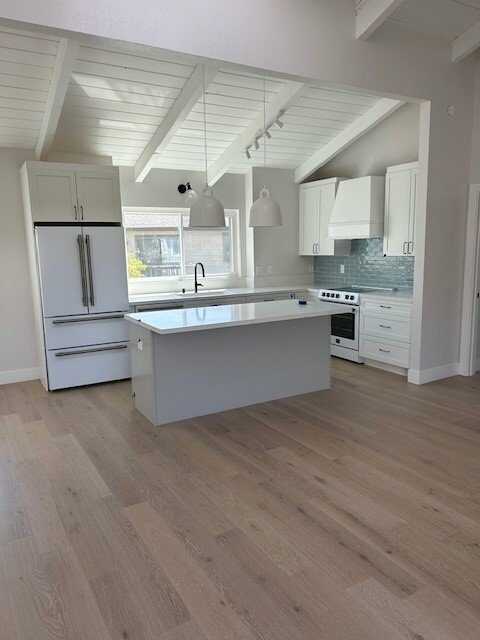
Look, remodeling your home is a big deal. It’s messy, it’s noisy, and it tests your patience. But when you’re sitting in your new kitchen, hosting friends in your expanded living area, or just enjoying a beautifully functional bathroom, every bit of the journey feels worth it.
The most important decision you’ll make isn’t the paint color or the faucet finish—it’s the team you choose to guide you. You need someone who gets the unique vibe and challenges of our area, from the hills of Los Gatos to the bustling streets of San Jose.
If you’re looking for a partner who brings clarity to the chaos, values your trust, and has the local expertise to execute your vision flawlessly, then let’s chat. The team at Lecut Construction is here to help you build not just a better house, but a better life at home. What’s the first project you’re dreaming about?
People Also Ask
A central vacuum system requires a significant upfront investment for installation, which is a major disadvantage compared to portable units. The system also demands professional installation, often involving complex piping that can be difficult to retrofit into an existing home. Additionally, the central power unit is typically located in a garage or basement, which can be noisy for those areas. While the hose is long, it can be cumbersome to carry from room to room, and the system lacks the portability of a standard vacuum. For homeowners in San Jose, Santa Clara, or Sunnyvale, these factors are important to weigh. At Lecut Construction, we recommend evaluating your home's layout and your cleaning habits before committing to such a system.
Central vacuum systems have become less common in new home construction due to several practical factors. Modern homes are now built with powerful, portable vacuum units that offer comparable suction without the high installation cost. Retrofitting a central vacuum into an existing home is expensive and disruptive, requiring extensive wall chases and piping. Additionally, many homeowners prefer the convenience of cordless stick vacuums for quick cleanups. While central vacuums provide excellent filtration and quiet operation, the upfront investment and limited flexibility for multi-story homes often outweigh these benefits. For homeowners considering a central vacuum, Lecut Construction can evaluate your specific layout to determine if the system's long-term advantages justify the installation expense in your San Jose area home.
The main advantages of central vacuum systems are improved indoor air quality, powerful suction, and reduced noise. Unlike portable vacuums, a central system vents dust and allergens outside the living area, which is a significant benefit for allergy sufferers. The motor and canister are typically installed in a garage or utility room, making the cleaning process quieter inside the home. For a home in San Jose, CA, a central vacuum system can be a valuable upgrade. At Lecut Construction, we often recommend these systems for their long-term durability and convenience, as they eliminate the need to carry a heavy unit from room to room.
For many homeowners, a central vacuum system is a worthwhile investment, particularly for larger homes. The primary benefit is superior cleaning power and improved indoor air quality. Unlike portable vacuums that recirculate dust, a central unit exhausts all debris and allergens outside the living area, which is a significant advantage for those with allergies. The system is also quieter since the motor is located in the garage or basement. However, the installation cost is high and retrofitting an existing home can be disruptive. If you are building a new home or planning a major renovation, a central vacuum is an excellent upgrade. For smaller homes or tighter budgets, a high-quality portable vacuum remains a practical choice.
Central vacuum systems remain a practical choice for many homeowners, particularly those focused on reducing indoor allergens and noise. While not as common as portable vacuums, they are still popular in custom-built homes or renovations where ductwork can be installed. The main advantage is that the motor and exhaust are located away from living spaces, which improves air quality by venting dust outside. However, their popularity has declined with the rise of powerful cordless stick vacuums and robotic cleaners. For a home in the San Jose area, a central vacuum can be a worthwhile investment if you prioritize low maintenance and long-term durability. Lecut Construction often advises clients to weigh the upfront installation cost against the convenience of a centralized cleaning system.
A central vacuum system is a built-in cleaning appliance that uses a network of tubing installed inside walls to connect a central power unit, usually located in a garage or utility room, to wall inlet valves throughout a home. Instead of lugging a heavy portable vacuum, you simply plug a lightweight hose into an inlet to activate suction. Debris is carried through the pipes to a large collection canister, which requires emptying only a few times a year. This system is more powerful than portable vacuums and exhausts air outside the living space, improving indoor air quality. For homeowners in San Jose considering a remodel, Lecut Construction can advise on integrating this system during new builds or renovations.
A central vacuum system operates through a network of tubing built into the walls of a home. The main power unit, typically located in a garage or basement, creates suction. When you connect a hose to a wall inlet, the system activates. Dirt and debris are pulled through the tubing directly into a large collection canister in the power unit, rather than being recirculated into the room. This design exhausts fine particles outside, improving indoor air quality. For homes in San Jose, Santa Clara, or Sunnyvale, integrating such a system can be a valuable upgrade. Lecut Construction often advises that the key benefit is the powerful, quiet operation and the convenience of not carrying a heavy vacuum from room to room.
The cost of a central vacuum system typically ranges from $1,000 to $2,500 for a standard home installation, including the power unit, tubing, and basic accessories. For larger homes or those requiring premium features, prices can exceed $3,500. Factors influencing cost include the number of inlets, the type of power unit (cyclonic vs. bagged), and installation complexity. Retrofitting an existing home is generally more expensive than installing during new construction due to added labor for running tubing through walls. For professional advice tailored to your San Jose, Santa Clara, or Sunnyvale home, Lecut Construction can provide accurate estimates and ensure proper installation.
For the best central vacuum system, consider a unit with a sealed suction rating of at least 600 air watts to ensure strong cleaning power. Cyclonic filtration models are highly effective as they prevent clogs and maintain consistent airflow. Look for systems with a 30-gallon or larger collection canister to reduce emptying frequency. Power brush attachments are essential for deep cleaning carpets. When selecting a system, prioritize those with a five-year warranty on the motor and a lifetime warranty on the tubing. Lecut Construction recommends choosing a system from a reputable manufacturer that offers local service support in San Jose, Santa Clara, or Sunnyvale. Proper installation by a professional is crucial to maximize performance and longevity of the system.
For upgrading a central vacuum system, the key steps include evaluating the current power unit, piping, and inlet valves. A more powerful motor, such as a 700+ air watts model, improves suction for larger homes. Check for leaks in the PVC tubing and replace outdated inlets with low-voltage models for better connectivity. If you need professional installation or system redesign, Lecut Construction can assess your home’s layout to ensure optimal performance. Additionally, consider adding a cyclone separator to reduce filter maintenance. Always verify that the new system matches your existing pipe diameter to avoid airflow restrictions.
When considering a central vacuum system, Consumer Reports often highlights brands like Beam and Electrolux for their reliability and suction power. Key factors include motor wattage (typically 600-800 air watts for adequate performance), filtration (HEPA recommended for allergy sufferers), and noise levels (lower decibels are preferable). Installation requires careful planning of tubing and inlets, ideally during home construction. For retrofit projects, consider a system with a longer hose to cover the home's layout. Lecut Construction recommends consulting a professional installer to ensure proper sizing and placement, as this maximizes efficiency and longevity. Always verify warranty coverage and local service availability before purchasing.