



Gatu Mitchell September 8
Adding a second story addition to our Santa Clara home felt risky until we signed with Lecut. They locked in our contract price before breaking ground, eliminating cost overruns. Their crew worked efficiently, completing structural framing ahead of schedule while keeping the job site spotless.

Florence White September 8
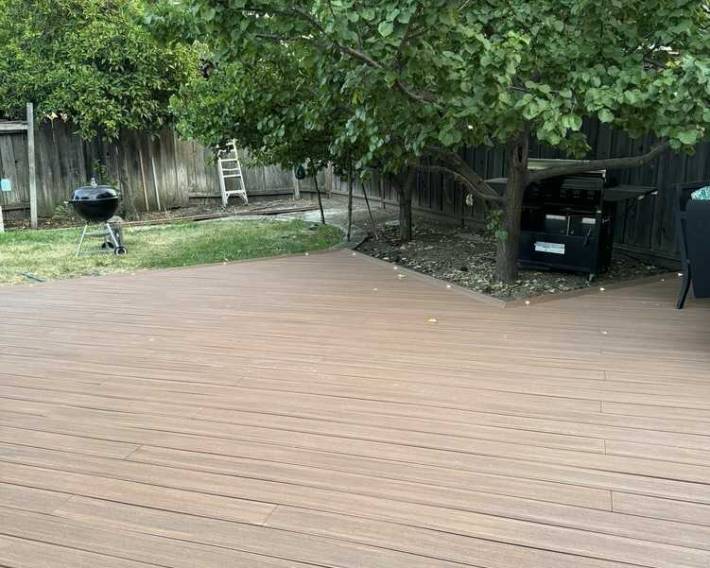
Our rotting porch in Palo Alto was unsafe, but Lecut completed a new composite deck building job in four days flat.
We had a great experience working with Lecut and Yari on our bathroom remodel. Yari was very responsive and easy to communicate with throughout the entire project, and Lecut did a great job with the installation and finishing work.
They were professional, reliable, and always willing to come back and take care of small details when needed. We're very happy with how everything turned out and really appreciate their hard work and attention to detail.

I had a consultation with Yari to discuss a potential home remodel. He spent a great deal of time understanding my goals, brainstorming different layout options, and explaining the pros and cons of each approach. I appreciated that he was thoughtful, patient, and transparent throughout the discussion. He followed up with a detailed summary of our meeting and a realistic preliminary estimate, which helped me make an informed decision. Although I ultimately decided not to move forward with a major remodel, I had a very positive experience working with him and would gladly recommend him to anyone looking for a knowledgeable and professional contractor.
LeCut will ensure you love your renewed home.
After beating out two other remodel bids, because of the team, vision, and value, Yari, Luis, and team transformed our outdated bathroom into a clean, usable, and comfortable space. Working with Yari was a great experience, since he personally ensured we were 100% satisfied with the results of the project. Communicating with the team was smooth and the team was clean and respectful with with the rest of our house. Prior to completing the project, Yari did a thorough inspection with us to identify issues with tile alignment and grout finish. Yari and Luis brought the team back to rework the fit and finish items quickly, leaving us completely happy with the space.

Daniel Martinez August 24
We needed a kitchen update and a complete bathroom renovation in a smaller home. They maximized the space without making it feel crowded. Cabinets, counters, and tile all look custom. Communication was clear from start to finish and there were no last-minute extras. The rooms feel new and well built.

Adams Green August 23
We remodeled the kitchen and two bathrooms as part of a larger first-floor refresh. The kitchen now works for a family and the bathrooms feel like they belong in a nicer house. Attention to trim, grout, and hardware stood out. They stayed on schedule and the final walkthrough was thorough. Extremely pleased with the results.

mikayla gary August 20
Our master bathroom and kitchen were last remodeled in the 90s, so we finally hired LeCut. The walk-in shower, dual vanity, and new kitchen layout completely changed how we use the house. Our project manager was on site almost every day and handled the permits without us lifting a finger. Workmanship is excellent and they finished a week early. Couldn’t be happier with LeCut!!!