

We needed a ground-floor room addition in Almaden Valley for my aging mother. Lecut gave us a clear, itemized quote upfront with no surprise fees. The project manager kept us informed every morning, and the new space passed city inspection on the very first try.


With kids growing up, we desperately needed a playroom, so we booked Lecut for a garage conversion in Willow Glen. They started three days after our initial call, kept to the exact quote without hidden costs, and wrapped up early.

Lecut replaced our worn hardwoods in Los Gatos in two days for the exact upfront price quoted.

Building a detached ADU in Cupertino was seamless with Lecut handling all permits and construction. Their strict schedule meant I had a tenant paying rent two weeks earlier than projected.

Booking our kitchen remodeling consultation online took under two minutes. The crew showed up at 8 AM sharp in Sunnyvale, stuck to the itemized estimate down to the penny, and finished the installation ahead of deadline.


Adding a second story addition to our Santa Clara home felt risky until we signed with Lecut. They locked in our contract price before breaking ground, eliminating cost overruns. Their crew worked efficiently, completing structural framing ahead of schedule while keeping the job site spotless.

Our rotting porch in Palo Alto was unsafe, but Lecut completed a new composite deck building job in four days flat.
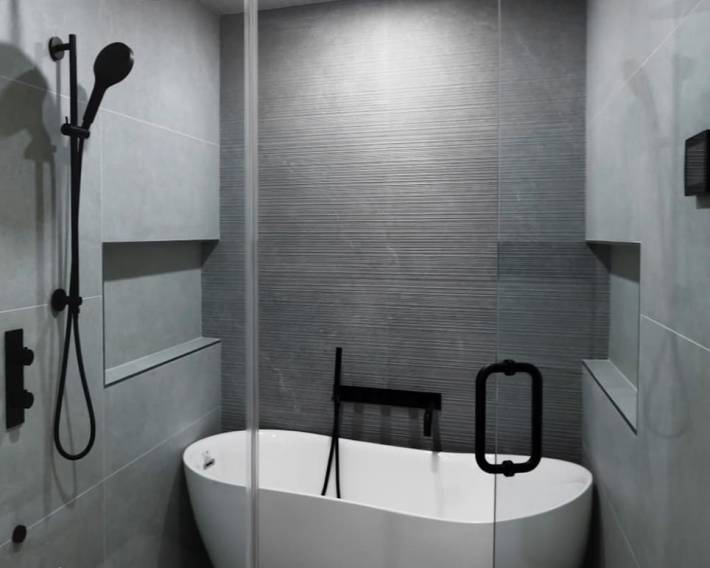
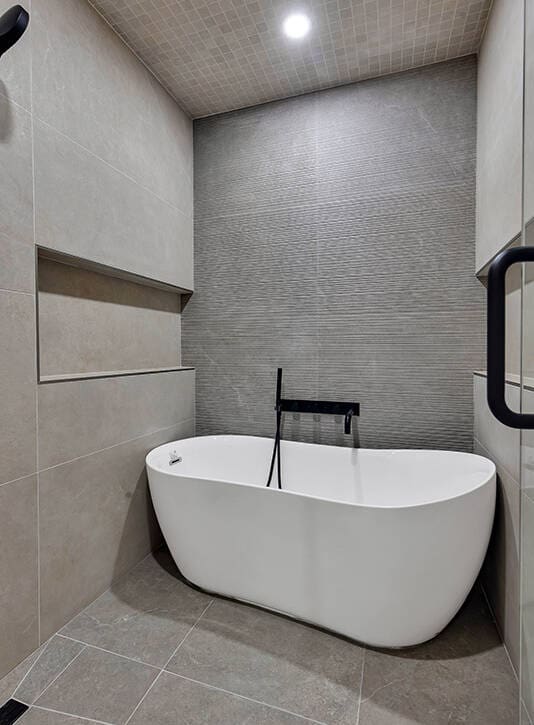
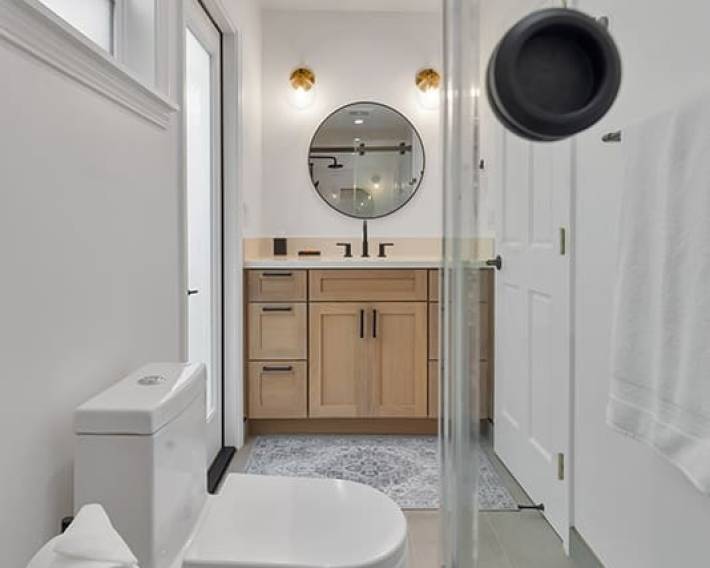
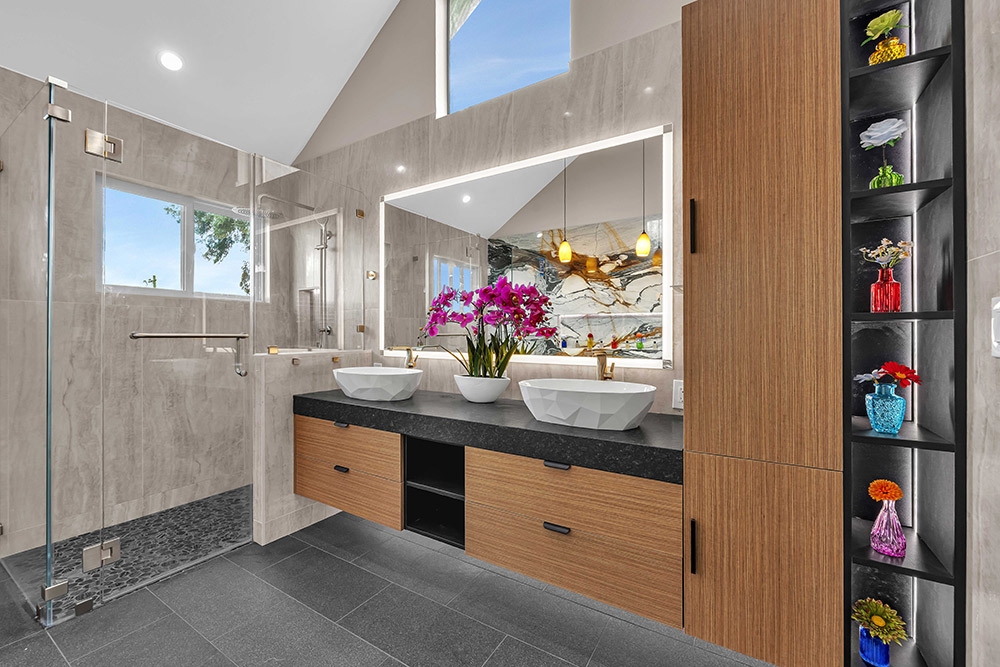
We had a great experience working with Lecut and Yari on our bathroom remodel. Yari was very responsive and easy to communicate with throughout the entire project, and Lecut did a great job with the installation and finishing work.
They were professional, reliable, and always willing to come back and take care of small details when needed. We're very happy with how everything turned out and really appreciate their hard work and attention to detail.

People Also Ask
The cheapest option for an Accessory Dwelling Unit is typically a prefabricated or modular unit. These are built off-site in a controlled factory, which reduces labor costs and construction time. A simple studio or one-bedroom ADU with a basic layout and standard finishes will be the most budget-friendly. You can also save by choosing a detached garage conversion, as the existing structure reduces foundation and framing expenses. For the lowest cost, focus on a compact design with minimal plumbing and electrical work. It is always wise to get multiple quotes from licensed contractors. At Lecut Construction, we can help evaluate your specific property in San Jose to find the most cost-effective ADU solution that meets local codes.
In San Jose, Santa Clara, and Sunnyvale, the maximum size of an Accessory Dwelling Unit (ADU) depends on the lot size and zoning. For a single-family lot, a detached ADU is typically capped at 1,200 square feet, while attached units can be up to 50% of the primary dwelling's square footage, not exceeding 1,200 square feet. For multi-family properties, the limit is often 800 square feet per unit. These rules are subject to local setbacks and height restrictions. For a thorough breakdown of these regulations and how they apply to your specific property, we recommend reviewing our internal article titled ADU Designing and Planning. Lecut Construction can help you navigate these limits to design a compliant and functional ADU that maximizes your available space.
When building an Accessory Dwelling Unit, one common mistake is underestimating the total cost, including permits, utility connections, and landscaping. Another frequent error is failing to account for local zoning laws and setback requirements, which can delay the project. Homeowners often overlook the need for proper insulation and soundproofing, leading to uncomfortable living spaces. Additionally, poor planning for plumbing and electrical systems can cause costly rework. To avoid these pitfalls, working with an experienced team like Lecut Construction ensures that your ADU is designed and built to meet all local codes in San Jose, Santa Clara, and Sunnyvale. Always conduct a thorough site analysis and budget review before starting construction.