

ivory711 July 19
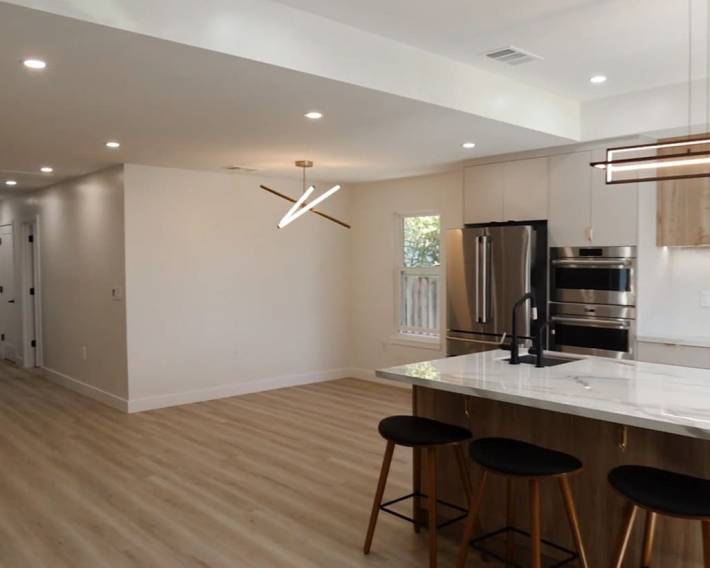
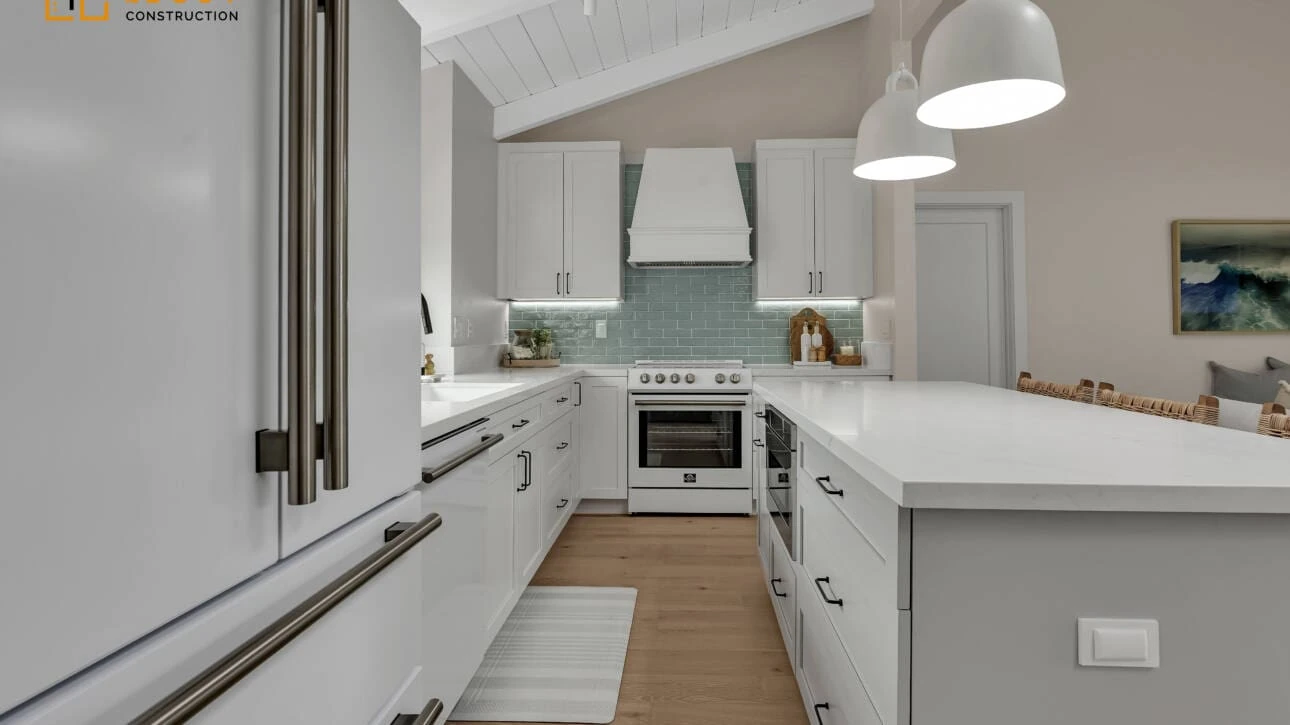
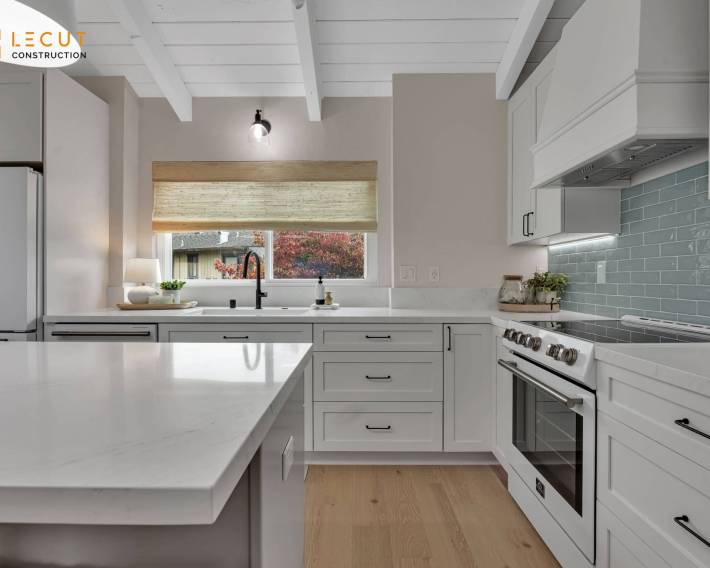
My Husband and i absolutely thrilled with my newly remodeled kitchen by LECUT CoNSTRCTION / Yari, I had a very specific vision for a clean, minimalist, all-white kitchen centered around a beautiful island, and they brought it to life perfectly. The team was professional, communicative, and truly respected, specially Yari and Louis, my home throughout the entire process. The quality of the finishings and the attention to detail exceeded my expectations. If you are looking for a team that can execute a flawless design, I highly recommend them!"

"I am absolutely thrilled with my newly remodeled kitchen by LECUT CoNSTRCTION / Yari, I had a very specific vision for a clean, minimalist, all-white kitchen centered around a beautiful island, and they brought it to life perfectly. The team was professional, communicative, and truly respected, specially Yari and Louis, my home throughout the entire process. The quality of the finishings and the attention to detail exceeded my expectations. If you are looking for a team that can execute a flawless design, I highly recommend them!"


Kelvin Munic July 13
These guys handled my bathroom in a very special way. They did an overall renovation on my bathroom and it looks great now. I would highly recommend them again and again.
W
William G. July 2
The best ability is availability. I originally chose LeCut after interviewing with a few local Referred construction people. My decision was based on, simply looking at the yelp and Google reviews first. Then, Yari, who became our consultant, showed up and spent some time discussing the project with me. We set realistic goals for a timeline. He shared some ideas that the other construction team members did not share. I didn't feel like I was surprised during any point in the process. One of the things that Yari did really well is maintain communication and pretty much a daily basis. There was times when he was proactive, but there was times when he was responsive to my calls. Doing a big construction project has a lot of small intricacies. I felt like the communication was pretty fluid throughout. This was even when Yari was on a family vacation up in Yellowstone. He was proactively communicating with me. Edgar was our foreman and he did an excellent job of showing up every day and working on rhythm. I don't think he took a day off. Overall, I would say very professional between my two point people. The owner of the company, Michael showed up and did a friendly check in when Yari was on vacation. Overall, we are happy with our new kitchen and living room floors. Thank you guys! Keep up the great work...

Mike Gwoods June 19
⭐⭐⭐⭐⭐<br><br>LeCut Construction did an amazing job remodeling my bathroom! From the initial consultation to the final walkthrough, the entire team was professional, courteous, and attentive to every detail. They transformed my outdated bathroom into a beautiful, modern space that exceeded my expectations.<br><br>The workmanship was outstanding, the project stayed on schedule, and they kept everything clean throughout the process. Communication was excellent, and they made sure I was completely satisfied with every aspect of the remodel. I couldn't be happier with the results and have already received so many compliments from family and friends.<br><br>I highly recommend LeCut Construction to anyone looking for quality craftsmanship and exceptional customer service. Thank you for making my dream bathroom a reality!
Mike Gwoods June 19
⭐⭐⭐⭐⭐
LeCut Construction did an amazing job remodeling my bathroom! From the initial consultation to the final walkthrough, the entire team was professional, courteous, and attentive to every detail. They transformed my outdated bathroom into a beautiful, modern space that exceeded my expectations.
The workmanship was outstanding, the project stayed on schedule, and they kept everything clean throughout the process. Communication was excellent, and they made sure I was completely satisfied with every aspect of the remodel. I couldn't be happier with the results and have already received so many compliments from family and friends.
I highly recommend LeCut Construction to anyone looking for quality craftsmanship and exceptional customer service. Thank you for making my dream bathroom a reality!
S
SaraGrace And Jason V. June 15
Great job from the team. They took their time to get the job done right. We love our remodel. We remodeled the kitchen, living room, dining room and one bathroom.
Thank you Yari and Luis!

Singh Khaira June 12
LeCut Construction updated multiple rooms in our home and delivered consistent quality throughout. Every detail was handled carefully and professionally. The communication stayed strong from beginning to end. The finished work exceeded our expectations.

Kelly Waren June 10
The crew was respectful and worked efficiently. They paid attention to every finishing detail. The kitchen looks modern

Hans Ferrer June 9
We completed a home addition with LeCut and the experience was smooth from start to finish. The new space blends perfectly with the original structure. The crew worked efficiently and maintained a clean site. Communication was consistent and clear throughout. The workmanship is solid and detailed. The addition looks like it was always part of the home. We are very satisfied.
Related Articles
Multi-Generational Home Design: How We Create Homes That Keep Families Together Without Sacrificing Privacy, Comfort, or Value
How To Design A Cohesive Home With LeCut Construction In San Jose
People Also Ask
The 30% rule is a common financial guideline suggesting that homeowners should not spend more than 30% of their home's current market value on a single renovation project. This principle helps ensure that the cost of improvements does not exceed the potential increase in property value, which is critical for maintaining a smart investment. For example, if your home is valued at $500,000, you would cap a major kitchen remodel at $150,000. Lecut Construction advises clients to use this rule as a starting point, but local market conditions and specific project goals can adjust the figure. For detailed local regulations and cost insights, consult our internal article titled San Jose Home Improvement Guide: Navigate Permits, Preservation Rules, and Renovation Costs Like a Pro.
The cost of a full house renovation in the Bay Area varies significantly based on square footage, scope, and material quality. For a typical single-family home, homeowners should budget between $100 and $200 per square foot for a basic to mid-range remodel, while high-end finishes and structural changes can exceed $300 per square foot. In cities like San Jose, Santa Clara, and Sunnyvale, labor and permit costs are higher due to local regulations and demand. A comprehensive approach often provides better value than tackling projects separately. For a detailed comparison, read our internal article titled The Advantages Of A Whole-House Remodel Vs. A Piecemeal Approach, which explains the financial and logistical benefits of a unified renovation plan. Lecut Construction recommends obtaining multiple detailed bids and planning for a 10-20% contingency fund to cover unexpected issues.
A budget of $200,000 can be sufficient for a substantial remodel, but the outcome depends entirely on the scope of work and the size of your home. In the San Jose, Santa Clara, and Sunnyvale area, this amount typically covers a full kitchen and two bathroom renovations, new flooring, and interior painting for a standard 1,500 to 2,000 square foot home. However, if you are considering a whole-house overhaul including structural changes, new windows, or a roof replacement, costs can escalate quickly. The key is to prioritize your needs and get detailed bids. For a comprehensive strategy on how to allocate this budget effectively, we recommend reading our internal article titled 'Whole-House Remodel vs. Piecemeal Approach: The Only Guide You Need (2026)' at Whole-House Remodel vs. Piecemeal Approach: The Only Guide You Need (2026). Lecut Construction advises setting aside a 15-20 percent contingency for unexpected issues.
When communicating with your contractor, avoid saying you will pay in cash to avoid taxes, as this puts both parties at risk legally. Do not reveal your maximum budget upfront, as this can limit negotiation. Avoid making changes verbally without a written change order; always document alterations to prevent disputes. Never say another contractor gave a lower price without specifics, as this can damage trust. For gutter and downspout decisions, refer to our internal article titled How To Choose The Right Gutters And Downspouts for professional guidance. At Lecut Construction, we recommend clear, honest communication to ensure project success and avoid misunderstandings.