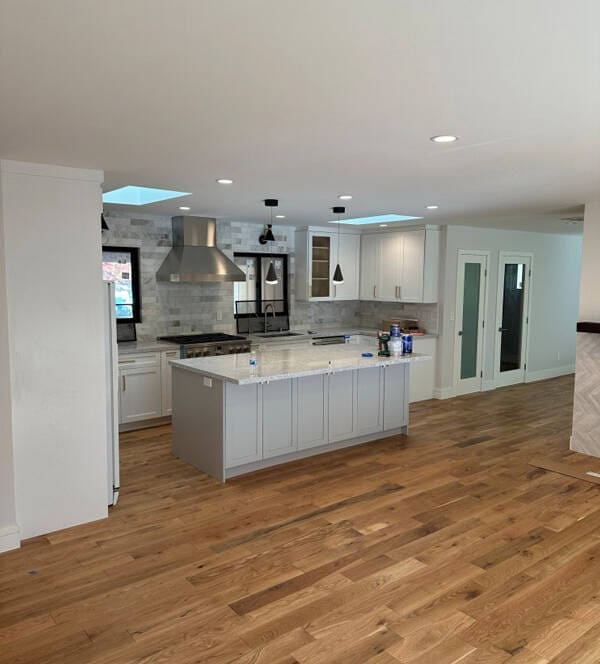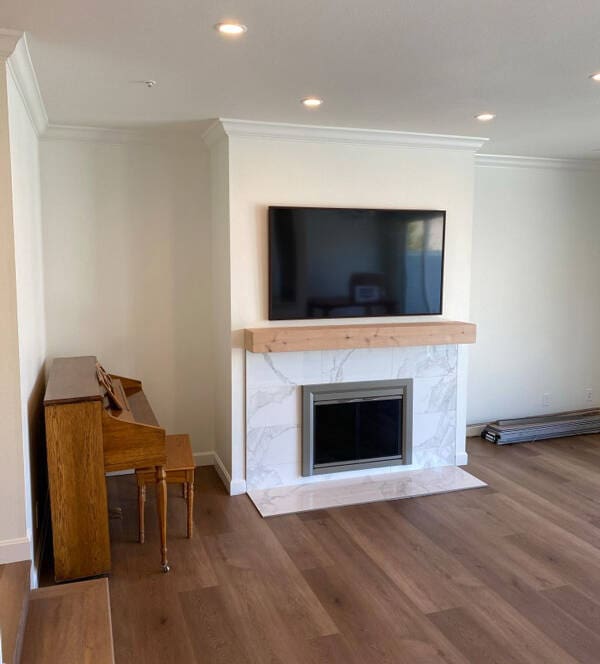
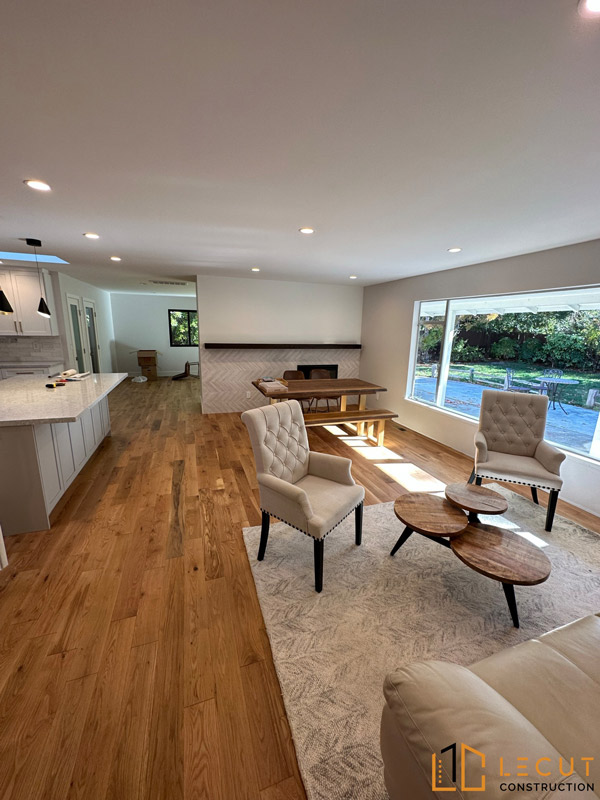
We understand the deep pull of a Craftsman bungalow with its original built‑ins, the quiet dignity of a Spanish Revival stucco, or the intricate fretwork of a Queen Anne Victorian. You want to modernize your historic San Jose home—upgrade the kitchen, add a primary suite, make it energy‑efficient—yet the fear of erasing its soul is real. The good news: you absolutely can achieve both timeless charm and contemporary comfort. It requires a specialized design‑build partner who treats preservation not as a limitation, but as the design driver. At LeCut Construction, we have done exactly that for dozens of historic properties across the Bay Area, seamlessly blending period‑appropriate restoration with open‑concept living, smart home integration, and net‑zero energy performance. This article shares the exact strategies, regulatory know‑how, and proven processes we use—insights gathered from decades of family‑owned operation where every project succeeds on referrals alone.
Table of Contents
What Makes a San Jose Home “Historic” and Why It Matters for Your Remodel
In San Jose, a home may be historic because it is listed on the National Register of Historic Places, the California Register of Historical Resources, or the San Jose Historic Resources Inventory. Even a property not formally designated can sit within a Historic Conservation District, like Hensley or Naglee Park, triggering design review. Understanding your home’s status is step one, because it dictates which alterations require a Certificate of Appropriateness or a Historic Preservation Permit. Our team begins every project with a thorough historical assessment and a review of the San Jose Historic Design Guidelines, so nothing derails your timeline later.
Common architectural styles we work with include:
-
Craftsman (1905‑1930): low‑pitched rooflines, exposed rafter tails, hand‑crafted joinery
-
Spanish Eclectic / Mission Revival (1915‑1940): stucco walls, red tile roofs, arched doorways
-
Queen Anne Victorian (1880‑1910): asymmetrical façades, decorative shingles, wraparound porches
-
Mid‑Century Modern (1945‑1970): post‑and‑beam construction, large glass expanses, minimal ornament
Each style carries distinct structural DNA. Remodeling without that knowledge leads to visual disconnect and, often, costly structural errors. Our design‑build team includes a historic preservation consultant who ensures every change meets the Secretary of the Interior’s Standards for Rehabilitation.
The Design‑Build Difference: Why It’s Non‑Negotiable for Historic Remodels
Traditional design‑bid‑build splits responsibility. An architect draws, a contractor builds, and historic integrity often falls through the cracks. In a design‑build model, the same team that dreams up the design also prices it and builds it. This integration is critical for older homes because uncovering unexpected conditions—rotted sill plates, obsolete wiring, insufficient foundations—is the rule, not the exception. Because we operate under one roof, we can make real‑time design adjustments without change‑order chaos, preserving both your budget and the original character.
Our family‑owned structure reinforces this. As a referral‑driven firm, our reputation literally depends on how meticulously we handle the quirks of your 1920s home. We do not walk away at the first surprise; we problem‑solve with the same care we would give our own historic property. From initial design to final walkthrough, every decision is filtered through our core values: quality, integrity, accountability, and respect for the home’s legacy.
5 Critical Challenges of Historic Home Remodeling (and How We Solve Them)
Every wall opened in a century‑old house tells a story. These are the five most frequent plot twists, and the solutions that protect your investment without compromising your home’s soul.
| Challenge | What We Typically Find | Our Proven Solution |
|---|---|---|
| Non‑conforming foundation & seismic safety | Unreinforced brick or rubble stone footings, lack of bolting to the foundation. | We install full perimeter epoxy‑set anchor bolts, add plywood shear panels hidden behind original siding, and where needed, pour a concealed interior concrete grade beam. All work meets California Existing Building Code Appendix A-3 guidelines. |
| Knob‑and‑tube wiring & insufficient capacity | Active knob‑and‑tube circuits buried in insulation, 60‑amp service panels. | We replace all unsafe wiring with modern Romex while saving original push‑button switches by retrofitting them with UL‑listed dimmable modules. Panel upgrades to 200 amps are tucked into basement or closet spaces. |
| Hazardous materials | Asbestos in old pipe lagging, vinyl floor tiles, and vermiculite attic insulation; lead paint on trim. | A certified industrial hygienist tests every suspect surface before we disturb it. We manage abatement using containment protocols that keep your family safe and the project moving. |
| Out‑dated floor plans | Segmented rooms, isolated kitchens, a single bathroom serving four bedrooms. | We selectively remove non‑bearing walls and widen original cased openings to create an open feel, while keeping formal dining rooms, parlors, and original trim profiles intact. This “open within historic bones” approach is what we excel at. |
| Energy performance gaps | Single‑pane sash windows, zero wall insulation, atmospheric venting appliances. | We draft‑proof and weatherstrip original windows, then install discreet interior storm panels where appropriate. Blown‑in dense‑pack cellulose insulation fills walls without stripping original lath and plaster. High‑efficiency heat pump HVAC and on‑demand water heaters hide in attic or crawl spaces. |
Navigating San Jose Historic Permits and State Code Flexibility
The California Historical Building Code (CHBC) is your ally. It provides reasonable alternatives to standard code requirements when strict compliance would threaten historic materials or design. For example, CHBC Section 8‑304 allows existing stairways to remain with minor safety improvements rather than forcing complete replacement. We use these provisions daily to save you tens of thousands of dollars while earning city approval.
Key regulatory steps we manage for you:
-
Pre‑application meeting with the San Jose Historic Preservation Officer to align on scope
-
Preparation of a Historic Preservation Permit application with “existing” and “proposed” drawings showing all elevations
-
Photographic documentation of every detail that will be touched
-
Compliance with the San Jose Green Building Policy, which often allows equivalent performance paths via Title 24 Part 6 energy modeling
-
On‑site meetings with building inspectors who specialize in historic reviews
Our team has successfully shepherded projects through the Historic Landmarks Commission, including a gut‑renovated 1894 Italianate in the Hensley Historic District that received unanimous approval. We know what documentation the City needs before you sign a contract.
Our Proven Process: From “Can We Do This?” to “We Love Living Here”
We have honed a five‑phase approach that removes the anxiety from historic renovations. Here is how we work:
Discovery & Feasibility. We tour your home with a structural engineer and preservationist, talk about your wish list, and identify the non‑negotiables—both yours and the home’s. You receive a Feasibility Report and a fixed‑price design agreement.
Design & Historic Documentation. Using 3D scans and as‑built measurements, we produce floor plans, exterior elevations, and interior details that honor the original architecture. This package becomes your Historic Preservation Permit application.
Pre‑construction & Permitting. While the City reviews your application, we prepare a detailed construction schedule, itemize material selections (from salvaged period‑appropriate hardware to energy‑efficient windows that match historic profiles), and lock subcontractor commitments.
Construction with Character‑First Fidelity. Every day our site supervisor documents progress against the preservation plan. We protect original floors with breathable coverings, restore trim in‑place, and build temporary dust walls that isolate the work zone so you can often remain in the home.
Final Walkthrough & Legacy Handover. We provide a home manual that includes a history of the work done, maintenance instructions for new systems, and a record of all materials used. Because you become a client for life, we are a phone call away for any future need.
Unique Insights from Decades of Bay Area Historic Work
Insight 1: You can go net‑zero while keeping your original windows.
Many owners fear energy upgrades mean vinyl replacements. We have achieved 50% air leakage reduction in single‑pane sash windows just by routing in weatherstrip and installing replicable compression seals. Combine that with attic R‑49 cellulose, and you slash utility bills without touching the home’s face.
Insight 2: Build today’s floor plan around original built‑ins.
Instead of ripping out a massive Craftsman dining buffet to open up the kitchen, we design the kitchen island to float within sight of it, using the same quarter‑sawn oak and period pulls. The built‑in stays, and you gain an eat‑in island that feels like it was always there.
Insight 3: Found a sealed‑up fireplace? Bring it back as a ventilation chase.
Many old chimneys were closed off. We frequently repurpose them to run ductwork for a high‑velocity mini‑duct HVAC system, eliminating the need for soffits that would ruin ceiling medallions or crown moulding.
Insight 4: Use the basement and attic for all modern systems.
Even a home built in 1910 often has an unfinished cellar or attic. We consolidate the heat pump air handler, ERV ventilation unit, and structured wiring hub into these spaces, leaving living areas completely free of visible equipment.
Estimated Investment for a Historic Home Remodel in San Jose (2026 Costs)
Costs vary enormously based on scope, home size, and condition. The table below reflects typical design‑build ranges we see across mid‑ to high‑end whole‑home renovations in Santa Clara County, assuming a 2,000‑square‑foot historic property. These numbers include all permits, design, engineering, and craftsmanship‑level finishes.
| Scope of Work | Typical Cost Range (USD) | Key Variables |
|---|---|---|
| Historic kitchen remodel (preserve original floors, open to dining) | 120,000 – 180,000 dollars | Structural opening, appliance level, salvage material sourcing |
| Primary suite addition (sensitive to original massing) | 200,000 – 320,000 dollars | Foundation on challenging soils, matching roofing and stucco |
| Whole‑home seismic retrofit and foundation replacement | 80,000 – 150,000 dollars | Access for equipment, extent of brick foundation |
| Full gut‑renovation while preserving façade & main stairs | 450,000 – 750,000 dollars | Lead/asbestos abatement, full MEP replacement, custom millwork |
| Deep energy retrofit (insulation, HVAC, windows, solar‑ready) | 90,000 – 140,000 dollars | Exterior storm windows vs. interior panels, heat pump selection |
Every project begins with a free design consultation where we give you a realistic budget range tailored to your specific home and vision. Call us at (408) 816-3688 to schedule yours.
Why San Jose Homeowners Trust LeCut Construction with Their Historic Legacy
We are not a franchise. LeCut Construction is a family‑owned and operated design‑build contracting firm rooted in the San Francisco Bay Area. Our specialization spans kitchen and bathroom remodeling, whole‑home renovations, and custom home additions—all executed with meticulous workmanship and outstanding customer service. Because the majority of our business comes from client referrals, our reputation for reliability and satisfaction is proven on every job. We are fully licensed and insured, serving homeowners in San Francisco, Oakland, San Jose, and beyond.
When you entrust us with your historic home, you gain a partner who listens first, designs with reverence, and builds as if your home were our own. Our phones ring because neighbors admire the finished project and ask, “Who did your work?” That is the highest compliment we can earn, and we intend to keep earning it.
Schedule your free design consultation today. Call LeCut Construction at (408) 816-3688.
Frequently Asked Questions About Historic Home Remodeling in San Jose
How do I know if my home is considered historic in San Jose?
Check the San Jose Historic Resources Inventory online map or contact the City’s Historic Preservation staff. Properties built before 1945 often have potential for designation, and many neighborhoods are Historic Conservation Districts where any exterior work visible from the street requires review, regardless of formal listing.
Can I add a second story to a historic single‑story home?
Yes, but it must be set back from the primary façade so the addition is minimally visible from the street. We use the California Historical Building Code to step the new massing back, often behind a parapet or dormer, maintaining the original roofline prominence.
Will I be required to restore my home to its original appearance?
Not necessarily. San Jose encourages rehabilitation over strict restoration. That means you can modernize kitchens, bathrooms, and mechanical systems while preserving character‑defining features. The key is documenting what is historically significant and negotiating with City staff on what can change.
How long does a historic home remodel take from design to completion?
A typical whole‑home renovation on a designated historic property in San Jose takes between 10 and 16 months. Design and permitting alone can span 4 to 6 months, depending on Landmarks Commission hearing schedules. We front‑load the paperwork to keep construction moving once permits are issued.
Does working on a historic home cost more than a standard remodel?
It often costs 10% to 20% more due to the careful deconstruction, specialty materials sourcing, and additional regulatory steps. However, the investment is offset by long‑term value appreciation; well‑maintained historic homes in San Jose consistently command higher resale prices per square foot than non‑historic comparables.
Can I install solar panels on a historic roof?
Yes, if they are not visible from the public right‑of‑way. We often design arrays on rear‑facing roof planes or flat roof sections behind parapets. The CHBC explicitly permits such installations when they do not damage historic roofing materials and are reversible.
What if my home has never been retrofitted for earthquakes?
All historic homes we remodel receive a comprehensive seismic upgrade. This includes bolting the sill plate to the foundation, adding plywood sheathing to selected interior walls, and reinforcing cripple walls in the crawl space. Our engineers design each retrofit to meet or exceed current California Existing Building Code standards without altering the home’s outward appearance.
Do you salvage and reuse original materials during the remodel?
Absolutely. We carefully remove and label original doors, trim, hardware, light fixtures, and even old‑growth lumber. These are refinished and reinstalled wherever code allows. Where we cannot reuse, we donate to local salvage organizations like The ReUse People. This practice reduces waste and ensures your home’s authentic texture lives on.
Sources: City of San José Historic Preservation (sanjoseca.gov/historicpreservation), California Historical Building Code Title 24 Part 8 (dgs.ca.gov), National Park Service Preservation Briefs (nps.gov/orgs/1739/index.htm), U.S. Department of Energy Guide to Home Weatherization (energy.gov/energysaver/weatherize), Secretary of the Interior’s Standards for Rehabilitation (nps.gov/subjects/taxincentives/rehabilitation-standards.htm)
Related Articles
People Also Ask
When remodeling a historic home in San Jose, preserving its original charm requires a careful balance of modern function and period-appropriate details. Costs can vary widely, but homeowners should typically budget between $150 and $400 per square foot for a full renovation. This higher cost is driven by the need for specialized tradespeople, custom millwork, and sourcing authentic materials like vintage tiles or reclaimed wood. Structural updates, such as foundation work or roof repairs, add significant expense. For a comprehensive guide on managing these complexities, please see our internal article titled San Jose Whole Home Remodeling Contractor | Local Renovation Experts. A professional contractor like Lecut Construction can help you navigate local preservation guidelines while ensuring your investment protects the home's unique character.