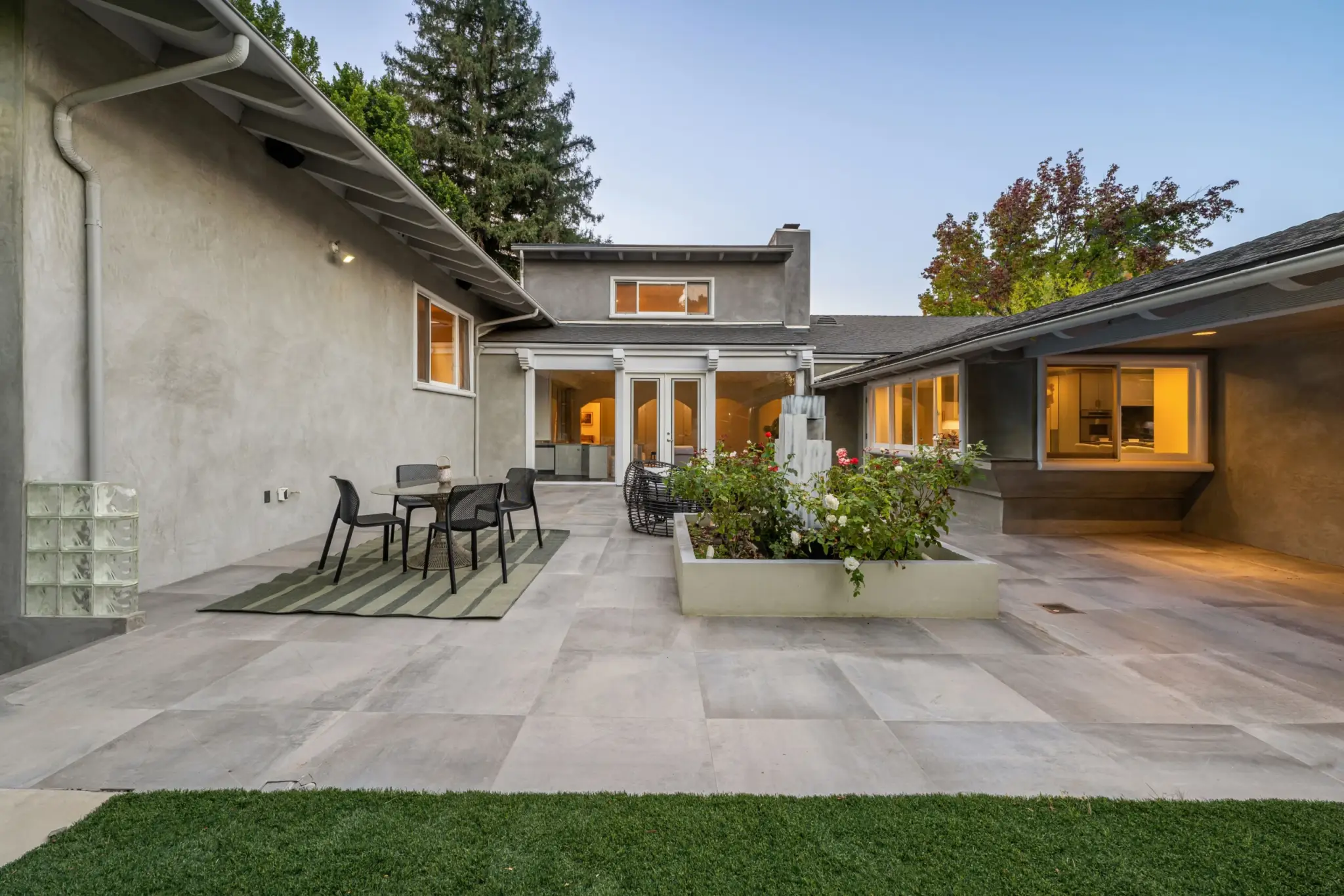
The most successful drought-tolerant landscapes in San Jose combine California native and climate-adapted Mediterranean plants, high-efficiency drip irrigation, and thoughtful hardscape integration. The top-performing plants for 2026 include ‘Howard McMinn’ Manzanita, Cleveland Sage, Island Alum Root, and Blue Grama grass meadows. You cut outdoor water use by 50 to 70 percent while meeting Valley Water’s landscape conversion standards. For a flawless result that protects your home’s value, partner with a licensed design-build contractor like LeCut Construction, who handles everything from soil prep and plant selection to irrigation and masonry — all under one warranty.
Table of Contents
Why San Jose Demands a New Drought-Tolerant Blueprint in 2026
San Jose’s average rainfall hovers around 15 inches per year, and prolonged drought cycles are now the norm. Valley Water’s Landscape Rebate Program continues to tighten eligibility, making a purely ornamental lawn nearly impossible to justify. The shift is no longer about just surviving dry spells — it is about creating landscapes that actively reduce maintenance cost, support pollinators, and comply with updated California Model Water Efficient Landscape Ordinance (MWELO) revisions expected through 2026.
A properly designed drought-tolerant yard offers:
-
30 to 50 percent reduction in outdoor water bills
-
Eligible rebates of up to 2 dollars per square foot for lawn conversions
-
Lower insurance risk when fire-smart plant placement is used
-
Year-round structure and color without weekly mowing or chemical fertilizers
How to Use This Guide
The following plant tables are organized by landscape function—trees, shrubs, perennials, succulents, and grasses. Each entry includes water needs, mature size, and standout features. Always group plants with similar water requirements and amend soil for drainage before planting.
Understanding San Jose’s Growing Conditions
Climate and Microclimates
San Jose experiences warm, dry summers averaging 85°F and mild, wet winters. However, neighborhoods near the bay (e.g., Alviso) stay cooler and more humid, while inland areas (e.g., Evergreen) can see higher daytime temperatures. Select plants that match your specific microclimate.
Soil Types
Most San Jose soils are clay-heavy or sandy loam. Clay retains moisture but drains poorly; sandy loam drains quickly but dries out fast. Drought-tolerant plants demand well-drained soil. Amend clay with decomposed granite or coarse sand; amend sandy soil with organic compost to improve water retention.
USDA Zone and Frost Dates
Zone 9b means the average lowest winter temperature is 25–30°F. Light frosts are possible from late November through early February. Choose plants that can handle occasional light frosts.
The Best Drought-Resistant Trees for San Jose Landscapes
Trees provide shade, reduce cooling costs, and anchor a water-wise design. Once established (usually after 2–3 years), these trees need little to no supplemental irrigation.
Table 1: Drought-Resistant Trees
| Tree | Mature Height | Mature Width | Water Needs (Once Established) | Key Features |
|---|---|---|---|---|
| Coast Live Oak (Quercus agrifolia) | 40–70 ft | 50–80 ft | Extremely low; deep watering every 4–6 weeks in summer | Evergreen, iconic shade tree, acorns for wildlife |
| Valley Oak (Quercus lobata) | 60–100 ft | 70–100 ft | Very low; deep watering every 6–8 weeks | Deciduous, massive canopy, stunning fall color |
| California Buckeye (Aesculus californica) | 15–25 ft | 15–20 ft | None; goes dormant in summer | Deciduous, fragrant spring flowers, unique silhouette |
| Western Redbud (Cercis occidentalis) | 10–20 ft | 10–15 ft | Low; occasional deep summer water | Spectacular magenta spring flowers, heart-shaped leaves |
| California Juniper (Juniperus californica) | 15–30 ft | 10–20 ft | Extremely low; no summer water | Evergreen, aromatic berries, thrives in poor soil |
How to Plant Trees for Drought Success
-
Dig a hole twice as wide as the root ball but no deeper.
-
Backfill with native soil—do not add compost to the planting hole.
-
Water deeply once a week during the first year, then gradually reduce frequency.
-
Apply a 3-foot ring of mulch around the tree, keeping mulch 6 inches away from the trunk.
The Best Drought-Resistant Shrubs for San Jose Landscapes
Shrubs form the backbone of a water-wise landscape, providing structure, color, and wildlife habitat.
Table 2: Drought-Resistant Shrubs
| Shrub | Mature Height | Mature Width | Flower Color | Water Needs (Once Established) | Special Benefits |
|---|---|---|---|---|---|
| California Lilac (Ceanothus spp.) | 3–12 ft | 4–15 ft | Blue, white, or pink | Extremely low; no summer water | Nitrogen-fixing, bee & butterfly magnet |
| Manzanita (Arctostaphylos spp.) | 3–15 ft | 4–12 ft | Pink or white | Very low; minimal irrigation | Sculptural bark, hummingbird favorite |
| Cleveland Sage (Salvia clevelandii) | 3–5 ft | 3–5 ft | Purple-blue | Low; occasional deep summer water | Intensely fragrant foliage, pollinator habitat |
| Coffeeberry (Frangula californica) | 6–12 ft | 6–10 ft | Inconspicuous greenish | Low; drought-tolerant once established | Red-black berries for birds, deer-resistant |
| Toyon (Heteromeles arbutifolia) | 6–15 ft | 6–10 ft | White | Very low; no summer water once established | Red winter berries, fire-resistant |
| California Buckwheat (Eriogonum fasciculatum) | 2–4 ft | 3–6 ft | White or pink | Extremely low; no summer water | Erosion control, blooms for months |
Shrub Care Tips
-
Prune Ceanothus lightly after flowering to maintain shape.
-
Leave Manzanita unpruned; it naturally develops a beautiful, twisting form.
-
Cut back Cleveland Sage by one-third in late fall to encourage bushiness.
-
All these shrubs benefit from a 2–3 inch layer of gravel or wood-chip mulch.
The Best Drought-Resistant Perennials and Groundcovers
Perennials and groundcovers add color, suppress weeds, and reduce evaporation.
Table 3: Drought-Resistant Perennials & Groundcovers
| Plant | Height | Spread | Bloom Period | Water Needs (Once Established) | Highlights |
|---|---|---|---|---|---|
| California Poppy (Eschscholzia californica) | 12–18 in | 6–12 in | Spring–early summer | Extremely low; self-seeds | State flower, bright orange blooms |
| Penstemon hybrids (Penstemon spp.) | 1–4 ft | 1–2 ft | Spring–fall | Low; occasional summer water | Tubular flowers, hummingbird magnet |
| California Fuchsia (Epilobium canum) | 1–2 ft | 2–3 ft | Summer–fall | Very low; monthly summer water | Vibrant red-orange flowers, attracts hummingbirds |
| Hummingbird Sage (Salvia spathacea) | 1–2 ft | 2–4 ft | Spring–summer | Low; deep shade reduces water need | Fragrant leaves, thrives under oaks |
| Matilija Poppy (Romneya coulteri) | 4–8 ft | 6–10 ft | Late spring–summer | Very low; no summer water | Gigantic white flowers with yellow centers |
| Dymondia (Dymondia margaretae) | 2–3 in | 12–18 in | Summer (small yellow) | Moderate; weekly summer water | Walkable groundcover, silver-green foliage |
Design Tip
Interplant perennials with ornamental grasses for a naturalistic, meadow-like effect that requires almost no maintenance beyond an annual cutback.
The Best Drought-Resistant Succulents and Architectural Plants
Succulents store water in their leaves and stems, making them ideal for the driest spots in your yard.
Table 4: Drought-Resistant Succulents
| Succulent | Height | Spread | Water Needs (Once Established) | Special Notes |
|---|---|---|---|---|
| Agave parryi (Parry’s Agave) | 2–3 ft | 3–4 ft | Extremely low; no summer water | Rosette form, flower spike up to 15 ft |
| Aloe striata (Coral Aloe) | 1–2 ft | 2–3 ft | Very low; monthly summer water | Coral flowers in winter, smooth leaf edges |
| Echeveria hybrids | 6–18 in | 8–24 in | Very low; minimal irrigation | Rosettes in pastel colors, great in containers |
| Prickly Pear Cactus (Opuntia spp.) | 2–6 ft | 3–8 ft | Extremely low; no summer water | Edible fruit, dramatic silhouette |
| Blue Chalksticks (Senecio serpens) | 12–18 in | 2–3 ft | Low; occasional summer water | Powdery blue foliage, excellent groundcover |
Succulent Care
-
Plant in well-drained soil; add pumice or coarse sand to heavy clay.
-
Protect Agave and Aloe from severe frost (temperatures below 25°F) by covering with frost cloth.
The Best Drought-Resistant Ornamental Grasses
Grasses provide movement, texture, and habitat for beneficial insects.
Table 5: Drought-Resistant Ornamental Grasses
| Grass | Height | Spread | Water Needs (Once Established) | Features |
|---|---|---|---|---|
| Deer Grass (Muhlenbergia rigens) | 3–5 ft | 3–4 ft | Very low; monthly summer water | Feathery seed heads, evergreen |
| Purple Needlegrass (Stipa pulchra) | 2–4 ft | 2–3 ft | Extremely low; no summer water | California’s state grass, purple awns |
| Blue Fescue (Festuca glauca ‘Elijah Blue’) | 1–2 ft | 1–2 ft | Low; occasional summer water | Powdery blue foliage, compact habit |
| California Fescue (Festuca californica) | 1–3 ft | 2–3 ft | Low; minimal summer water | Native bunchgrass, blue-green leaves |
Grass Care
-
Cut back deciduous grasses in late winter before new growth emerges.
-
Divide clumps every 3–4 years to maintain vigor.
Design Principles for a Water-Wise San Jose Landscape
1. Hydrozoning: Group Plants by Water Needs
Divide the landscape into three zones:
-
Oasis Zone (10–30% of yard): Close to the house, for vegetables, herbs, and high-water annuals.
-
Transition Zone (30–50%): Moderately drought-tolerant plants that need supplemental water twice a month.
-
Xeric Zone (30–60%): Natives and succulents that thrive on rainfall alone once established.
2. Mulch, Mulch, Mulch
Apply a 3-inch layer of organic mulch (e.g., wood chips) or inorganic mulch (e.g., gravel) around all plantings. Mulch reduces evaporation by 40–70%, suppresses weeds, and moderates soil temperature.
3. Efficient Irrigation
-
Install a drip irrigation system with a smart controller that adjusts for weather and soil moisture.
-
Water early in the morning (before 9 a.m.) to minimize evaporation.
-
Check for leaks and clogs monthly during the growing season.
4. Permeable Hardscaping
Use decomposed granite, gravel, or permeable pavers for patios and walkways. These materials allow rainwater to infiltrate the soil, reducing runoff and replenishing groundwater.
5. Fire-Smart Landscaping (2026 Update)
With wildfire seasons extending into spring and fall, incorporate fire-resistant plants and create defensible space:
-
Keep shrubs and trees spaced apart.
-
Remove dead leaves and debris regularly.
-
Choose plants with high moisture content, such as succulents and Toyon.
Installation and Maintenance Calendar
Spring (March–May)
-
Plant new drought-tolerant specimens before summer heat.
-
Refresh mulch to a 3-inch depth.
-
Check irrigation systems and replace clogged emitters.
-
Prune frost-damaged branches.
Summer (June–August)
-
Water deeply but infrequently; do not water during the hottest part of the day.
-
Deadhead flowering perennials to encourage rebloom.
-
Watch for signs of heat stress (wilting, leaf scorch) and provide temporary shade if needed.
Fall (September–November)
-
This is the second-best planting season; warm soil encourages root growth.
-
Cut back ornamental grasses and spent perennials.
-
Collect seeds from California Poppies and Penstemons for next year.
Winter (December–February)
-
Prune deciduous trees and shrubs while dormant.
-
Protect young succulents from frost with lightweight fabric.
-
Plan design changes and order seeds for spring planting.
Local Resources and Rebates (2026)
-
Santa Clara Valley Water District Landscape Rebate Program: Up to $2,000 for replacing turf with drought-tolerant plants and permeable hardscape. Visit valleywater.org for the latest application.
-
San José Lawn Busters Program: Occasionally offers discounted landscape conversions; check with the City of San José Environmental Services Department.
-
South Bay Green Gardens: Free classes and workshops on native plant gardening and water-wise landscaping. Visit southbaygreengardens.org.
Frequently Asked Questions
Q: How long do drought-resistant plants need to get established?
A: Most native and drought-tolerant plants require 1–2 years of regular, deep watering to develop a strong root system. After that, you can gradually reduce irrigation to recommended levels.
Q: Can I mix drought-resistant plants with a small lawn?
A: Yes, but keep the lawn in the oasis zone and use a warm-season grass like UC Verde Buffalograss, which uses about 75% less water than traditional fescue.
Q: What are the best plants for a slope or erosion control?
A: California Buckwheat, Manzanita, Deer Grass, and Dymondia all have fibrous root systems that stabilize slopes. Plant them in a staggered pattern for maximum coverage.
Q: Are there any drought-resistant plants that bloom year-round?
A: While no single plant blooms all year, you can achieve continuous color by combining: California Lilac (spring), Cleveland Sage (early summer), California Fuchsia (summer–fall), and Aloe striata (winter).
Key Takeaways
-
Start with native plants that evolved to survive California’s boom-and-bust rainfall cycles.
-
Group plants by water need to avoid overwatering drought-tolerant species.
-
Mulch heavily and install a smart drip-irrigation system to cut water use by half or more.
-
Take advantage of local rebates that can offset the cost of converting a lawn to a water-wise landscape.
-
Design for fire safety by spacing plants and removing dry debris, especially in hillside neighborhoods.
By following this guide, you will create a resilient, low-maintenance San Jose landscape that stays beautiful through the driest years—while saving water, money, and time.
People Also Ask
For landscaping in San Jose, California, drought-resistant plants are an excellent choice due to the region's Mediterranean climate. Succulents, lavender, and California native species like the California poppy or manzanita thrive in the warm, dry summers and mild, wet winters. These plants require minimal water once established, making them sustainable and low-maintenance. For a comprehensive guide, please refer to our internal article titled Drought-resistant Plants For San Jose Landscaping. At Lecut Construction, we recommend selecting plants that align with local water conservation goals to ensure a vibrant and resilient landscape year-round.
For homeowners in San Jose, Santa Clara, and Sunnyvale, selecting drought-resistant plants is essential for a sustainable landscape. Top choices include California native species like lavender, sage, and yarrow, which thrive in our local climate with minimal water. Succulents such as agave and sedum also perform well, requiring little irrigation once established. For ground cover, consider creeping thyme or California fuchsia. These plants not only conserve water but also support local pollinators. For a comprehensive guide tailored to our specific region, we recommend reading our internal article titled Drought-resistant Plants For San Jose Landscaping. Lecut Construction can assist with professional installation to ensure your landscape is both beautiful and water-efficient.