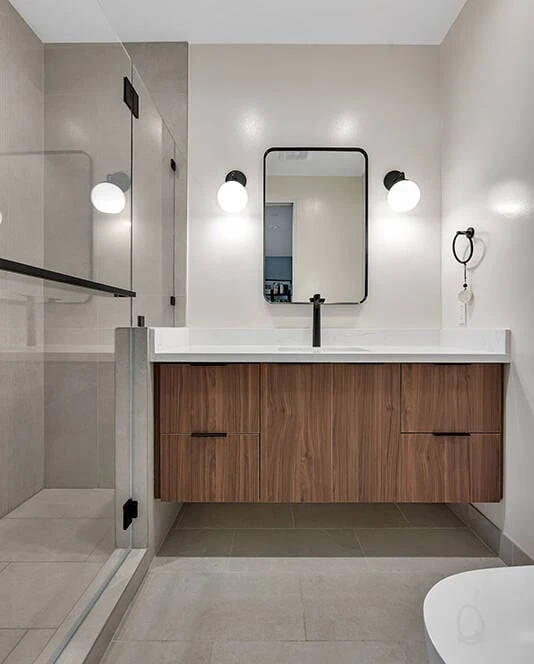

Ever stared at a cracked tile in your bathroom and thought, “I can’t even remember when this wasn’t ugly”? Or maybe you’ve dreamed of a kitchen that doesn’t look like it’s stuck in a 1980s time capsule. We get it. We’ve been there, both as homeowners and now as the folks running Lecut Construction in San Jose. The world of home improvement can feel like a maze of decisions, cost anxieties, and a desperate search for a renovation contractor who won’t make you want to pull your hair out. So, let’s have a real chat about navigating a full home remodel or even just that crucial bathroom remodeler search, without the industry jargon and sales pitches.
Why “Near Me” Searches Are Just the Beginning
We’ve all done it. You type “best remodeling company near me” into your phone with a mix of hope and dread. You get a million results, from the giant corporate outfits to the guy with a truck and a dream. It’s overwhelming. IMO, that search is a great first step, but it’s like judging a book by its cover—or more accurately, by its Google My Business photo gallery.
The truth is, general remodeling in Silicon Valley isn’t a one-size-fits-all game. What works for a home additions project in sprawling Morgan Hill is different from a exterior remodeling update on a classic Saratoga bungalow. The price and approach vary wildly. So, while finding someone local in Santa Clara, Campbell, or Cupertino is smart for logistics, the real magic happens when you look past the geography and into their portfolio and process.
The Lecut Construction Blueprint: More Than Just Hammers and Nails
When we started Lecut Construction, we wanted to cut through the noise. We saw too many friends and neighbors in Sunnyvale, Los Gatos, and Milpitas get burned by projects that spiraled out of control. So, we built our philosophy on a few non-negotiable principles. Think of it as our unofficial manifesto.
First, clarity is king. Before we ever swing a hammer, we need to be on the same page. That means detailed plans, transparent cost breakdowns, and a timeline that actually has a shot at being realistic. No mystery numbers, no “it’ll be done when it’s done” vibes.
Second, we treat your home like it’s ours. Sounds cheesy, right? But it’s true. We’re not just general contractor visitors; we’re temporary caretakers of your biggest investment. That means clean worksites, respect for your space, and communication that doesn’t vanish once the deposit clears.
Finally, we believe in the abortable phase. Wait, what? Let us explain. In the early planning and design stages, ideas should be fluid. You should be able to pivot, change your mind, or even put the brakes on without feeling financially trapped. A good house remodeling contractor builds in these decision points so you’re always in the driver’s seat. Locking into everything too early is a recipe for regret (and our friendly, neighborhood sarcasm comes out when we see it happen elsewhere).
Breaking Down Your Project: What Actually Goes Into It?
Let’s get practical. Whether you’re eyeing home remodeling services for a single room or a top-to-bottom transformation, understanding the components helps you talk the talk. Here’s a quick, no-BS table we often wish we could hand to clients on day one.
| Project Phase | What It Really Involves | The Lecut Approach |
|---|---|---|
| Discovery & Design | Dreaming, planning, measuring, and deciding on the “what.” | We ask a million questions. We push you to think about flow, light, and how you live. This is the abortable, creative sweet spot. |
| Budget & Scope | Translating dreams into spreadsheets. The “how much” and “for what.” | We provide line-item clarity. We identify priorities and potential trade-offs upfront. No sugar-coating. |
| Pre-Construction | Permits, material ordering, final schedules. The boring but critical stuff. | We handle the bureaucratic heavy lifting. Our network in San Jose and Fremont city halls is, frankly, a superpower. |
| Construction | The demolition, dust, and daily progress. The “showtime” phase. | Daily site management, dedicated crews, and a single point of contact. You’re never wondering who’s in charge. |
| Final Walkthrough | The punch list, the final touches, the moment of truth. | We do this with you. We point out what we see, you point out what you see. It’s a collaboration, not a handoff. |
See? It’s a process, not a mystery. And each phase requires a different kind of expertise from your renovation contractor.
When to Go Big and When to Go Home (Remodeler)
Here’s a bit of straight talk. A full home remodel is a marathon. It’s transformative, but it’s a lifestyle disruption. Sometimes, targeted projects deliver 80% of the joy for 50% of the headache and cost.
For instance, are you constantly battling for bathroom time? Maybe a primary bath remodel is your hero project. Dreaming of dinner parties? The kitchen is your battlefield. Need space but love your neighborhood? Home additions in places like Campbell or Saratoga can be a genius move versus moving.
And don’t sleep on exterior remodeling. Curb appeal isn’t just for selling; it’s for coming home to a house that makes you smile. A new facade, updated landscaping, or a durable, beautiful deck can completely reset your relationship with your property. FYI, it’s often one of the best returns on investment you can make.
Your Top Remodeling Questions, Answered (Without the Fluff)
We hear the same smart questions all the time. Let’s tackle a few head-on.
1. “How do I really compare bids from different contractors?”
Look beyond the bottom-line price. Scrutinize the scope. Does one bid include higher-end fixtures? Is another skipping critical prep work? The cheapest bid is often the most expensive fix later. A detailed, apples-to-apples scope from a general contractor is worth its weight in gold.
2. “How long will my kitchen/bathroom remodel actually take?”
Honestly? Longer than the HGTV show implies. A smooth, well-managed bathroom can be 4-6 weeks. A complex kitchen? 8-12 weeks is realistic. The variable isn’t just the work—it’s the supply chain for that perfect tile and the permit timeline in Santa Clara County. A good team plans for this.
3. “What’s the biggest mistake you see homeowners make?”
Choosing a bathroom remodeler or house remodeling contractor on price alone. The second biggest? Not trusting their gut during the interview. If communication feels off in the beginning, it only gets worse when the dust flies.
4. “Can we live in the house during a major remodel?”
You can, but should you? For a full home remodel, we often recommend finding temporary digs. For a single-room project, it’s manageable with clear dust barriers and a solid schedule. We’ll give you the honest pros and cons for your specific situation.
Wrapping This Up: Your Home, Your Story
At the end of the day, this is about you. It’s about creating a space that tells your story, functions for your chaos, and brings you a little bit of joy at the end of a long Silicon Valley day. It shouldn’t be a terrifying process.
That’s the whole reason we’re here at Lecut Construction. We wanted to be the remodeling contractor we’d want to hire ourselves—one that combines clear process with a human touch, whether you’re in Los Gatos, Cupertino, or right here in San Jose. We love turning “What if…” into “Why didn’t we do this sooner?”
So, if you’re done staring at that cracked tile and ready to talk real plans, you know where to find us. Let’s build something amazing, together. And we promise, no time capsules will be created in the process :).
People Also Ask
When communicating with a general contractor, avoid statements that undermine professionalism or create conflict. Never say, "I can get the materials cheaper myself," as this questions their supply chain and discounts, potentially voiding warranties. Avoid demanding, "Just get it done fast," without understanding that quality work requires proper time. Do not make assumptions like, "This should be a simple fix," as it minimizes the complexity they see. Most importantly, refrain from withholding information about your budget or desired changes mid-project. Clear, respectful communication is key to a successful remodel. For a comprehensive guide on starting this relationship right, review our essential resource: Top Questions To Ask Before Hiring A San Jose Remodeling Contractor.
When hiring a contractor, several red flags demand immediate caution. A significant warning is a refusal to provide a detailed, written contract outlining scope, timeline, payment schedule, and materials. Be wary of contractors who demand large cash deposits upfront or pressure you for quick decisions. Lack of proper licensing, insurance, and bonding is a major legal and financial risk. Poor communication, such as unreturned calls or vague answers, often predicts project management issues. An unwillingness to supply references from past clients or a history of complaints with the Better Business Bureau are strong indicators of potential problems. Always verify credentials and trust your instincts if something feels off.
The 30% rule in remodeling is a general budgeting guideline suggesting that homeowners should not spend more than 30% of their home's current market value on a major renovation project. This rule helps prevent over-improvement, where the cost of the remodel significantly exceeds the value it adds to the property, making it difficult to recoup the investment upon sale. For example, on a $500,000 home, the recommended budget cap would be around $150,000. It is a crucial rule of thumb for maintaining financial prudence and ensuring the renovation aligns with neighborhood standards. However, it's a starting point; specific projects, local market conditions, and personal long-term plans should always inform the final budget. Consulting with a professional appraiser or contractor is advised for precise planning.
When selecting a contractor for a construction project, prioritize verifying their license, insurance, and bonding to ensure legal compliance and financial protection. Examine their portfolio of completed projects and request references to assess quality and reliability. A detailed, written contract outlining scope, timeline, payment schedule, and materials is non-negotiable. Evaluate their communication style and responsiveness, as this indicates how they will manage the project. Ensure they obtain necessary permits and adhere to local building codes. Finally, trust your instincts; a reputable contractor will be transparent, answer questions thoroughly, and provide a clear, professional proposal without high-pressure tactics.