
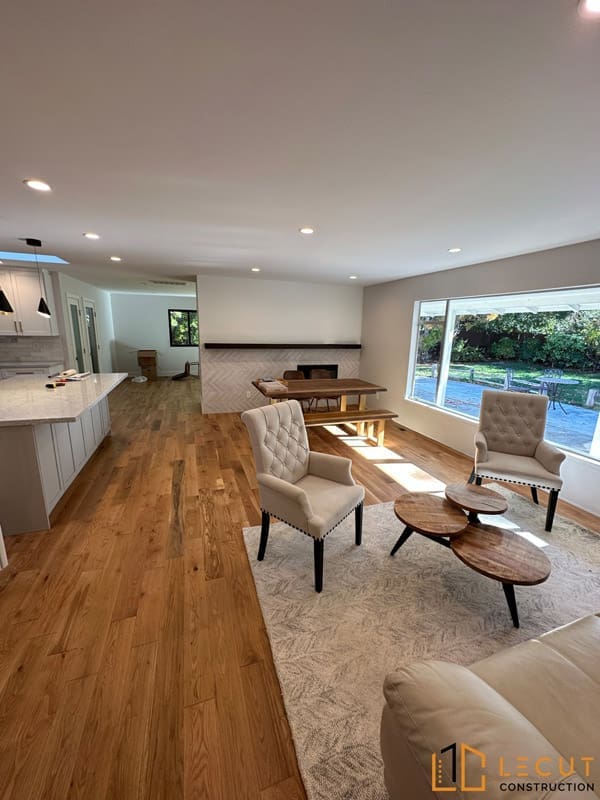
Ever stared at a wall in your home and thought, “I could totally knock that down,” only to be hit by a wave of questions about permits, dust, and whether your dream is even possible? Yeah, we’ve been there too, but from the other side of the sledgehammer. Let’s talk about turning that “what if” into “check this out,” and why the journey from concept to keys-back-in-your-hand is one of the most rewarding adventures you can undertake right here in Silicon Valley.
The Great Remodeling Mindset Shift
First things first, we need to shift our thinking. A remodel isn’t just a project; it’s a temporary lifestyle adjustment with a spectacular payoff. The biggest mistake we see folks make? Jumping straight to picking out tile before understanding the game board.
Think of it like building an app (hey, we’re in San Jose, we can use that analogy). You wouldn’t start coding without a spec sheet, right? A remodel needs that same strategic foundation. What’s the core problem? Is it a lack of space, outdated systems, or simply a vibe that’s stuck in 1995? Defining the “why” makes every subsequent decision, from budget to timeline, infinitely clearer.
The Budget Talk: Getting Real About the “Cost”
Alright, let’s address the elephant in the room: the price. It’s the single biggest factor that makes projects feel abortable. We get it. You’ll hear wild numbers from neighbors and even wilder ones from horror stories online. But here’s our take, forged from years as a renovation contractor in Santa Clara and Campbell: transparency is everything.
A realistic budget isn’t just about materials and labor. It’s your financial comfort zone plus a strategic buffer—we like to call it the “Oh Wow, Look at That” fund. Because once walls open up, you might find opportunities for even better electrical work or insulation that you’ll want to seize. A reputable general contractor won’t just give you a number; they’ll give you a breakdown. At Lecut Construction, we build detailed budgets so you know where every dollar is planned to go, which makes the entire process far less mysterious and stressful. FYI, searching “home remodeling services cost near me” will give you a huge range; the value is in the details behind that quote.
Architect vs. Designer vs. General Contractor: Who Does What?
This trio can be confusing. Let’s break it down:
- Architect: Your go-to for structural changes, home additions, and major reconfigurations. They create the technical drawings that get stamped and approved by the city.
- Designer (Interior or Kitchen/Bath): The masters of flow, finish, and function. They help you choose everything from cabinet pulls to lighting layouts, ensuring beauty meets practicality.
- General Contractor (That’s us!): We’re the quarterbacks. We take the plans, hire and manage the specialized crews (like your bathroom remodeler or framing carpenters), pull permits, schedule inspections, and build the thing. We translate paper dreams into your new reality.
For a full home remodel, you’ll likely need the dream team. For a focused exterior remodeling project or a kitchen update, a skilled general remodeling company with strong design partnerships can often cover all the bases.
The Silicon Valley Special: Navigating Our Unique Landscape
Remodeling in Cupertino, Saratoga, or Los Gatos isn’t like remodeling anywhere else. We’re dealing with:
- Stringent Local Codes: Cities like Sunnyvale and Milpitas have their own specific rules about everything from water usage to energy efficiency.
- The “Near Me” Factor: Proximity matters. A contractor based in Fremont might not be as dialed into Morgan Hill permit timelines, and vice versa. Working with a local house remodeling contractor means they know the inspectors, the permit clerks, and the specific neighborhood vibes.
- High Home Values: This actually works in your favor. A smart remodel here isn’t just about personal enjoyment; it’s a strategic investment in one of the country’s strongest real estate markets.
That’s a core part of our philosophy at Lecut Construction. Being based right here in San Jose, we’ve built relationships from Silicon Valley to South Bay cities, which helps streamline the often-tricky administrative side of things. We navigate the red tape so you don’t have to.
A Reality Check on Timeline & Daily Life
“How long will this take?” is question number two. Here’s a realistic snapshot of a major project phase timeline:
| Phase | What Happens | Your Main Job |
|---|---|---|
| Planning & Design | Concepting, drawings, engineering, permit submission. | Make decisions, choose finishes, secure financing. |
| Demolition & Rough Work | Tearing out old, framing new, running electrical/plumbing lines. | Embrace the dust, maintain a safe distance from the work zone. |
| Installations & Finishes | Drywall, flooring, cabinets, fixtures, paint. | The fun part! Watch the vision come to life. |
| Final Punch List & Touch-Ups | Addressing minor items, final cleaning, inspections. | Do a detailed walkthrough, note any tiny issues. |
Living through a remodel requires a sense of humor. You’ll become overly excited about functional plumbing. You’ll have deep conversations about outlet placement. It’s a marathon, not a sprint, but a great team will make the process feel collaborative, not chaotic.
Why Your Choice of Contractor is Everything
You can have perfect plans and a generous budget, but with the wrong team, the experience can be, well, a nightmare. So what makes the best remodeling company? IMO, it boils down to three things:
- Communication: They respond. They explain. They don’t leave you in the dark.
- Process: They have a system for everything, from daily cleanup to change orders.
- Integrity: They stand by their work and treat your home with respect.
We built Lecut Construction on these pillars. For us, it’s about partnership. We want you to feel excited and informed, not anxious. That’s why we encourage you to reach out early, even if you’re just in the “thinking about it” phase. A quick conversation can map out a path forward and answer those initial “is this even possible?” questions.
Your Top Remodeling Questions, Answered
Let’s tackle some of the most common queries we get.
1. How do we get started if we’re not sure of our exact scope?
That’s the perfect time to call! We often begin with a consultation to explore ideas, discuss budget ranges, and outline a feasibility study. Think of it as a low-commitment discovery phase to turn your vague ideas into a tangible action plan.
2. Should we move out during the remodel?
For a single bathroom remodeler project, maybe not. For a full home remodel? Almost certainly yes. It’s safer, less stressful for your family, and often allows the crew to work more efficiently, which can actually help control the overall cost.
3. How do you handle unexpected problems?
We plan for them. Our contracts include contingency plans for the hidden issues (old wiring, rot, etc.) that are common in Silicon Valley homes. We communicate the find, discuss solutions and impacts immediately, and keep you in the driver’s seat for any decisions.
4. What sets a local contractor apart from a big national company?
Accountability and agility. When you call Lecut Construction, you talk to the people who are on your project and in your community. We’re not a dispatch center; we’re your neighbors in San Jose. Our reputation lives and dies by the work we do right here in Campbell, Sunnyvale, and Los Gatos.
At the end of the day, a successful remodel leaves you with more than just a beautiful space. It leaves you with a sense of accomplishment and a home that truly works for your life. It’s a journey we’re passionate about guiding you through, with clear communication, expert craftsmanship, and maybe just a few laughs along the way to keep things light. So, when you’re ready to stop staring at that wall and start reimagining it, you know who to talk to 🙂 Let’s build something amazing together.
People Also Ask
The 30% rule in remodeling is a budgeting guideline suggesting that homeowners should not spend more than 30% of their home's current market value on a major renovation project. This rule helps prevent over-improvement, where the cost of the remodel significantly exceeds the value it adds to the property, making it difficult to recoup the investment upon sale. For example, on a $500,000 home, the recommended maximum remodel budget would be around $150,000. This is a general benchmark; critical factors like the project's scope, local real estate trends, and your long-term plans for the home should also guide your final budget. Consulting with a professional contractor and appraiser is always advised for a precise financial plan.
Renovating a historic home involves significant costs, often ranging from $100 to $400 per square foot or more, depending on the project's scope and location. Key cost factors include the need for specialized materials, skilled artisans, and compliance with strict preservation standards. Essential expenses often involve structural repairs, updating electrical and plumbing systems to modern codes while preserving character, and restoring original features like windows, moldings, and flooring. Unforeseen issues, such as lead paint or asbestos abatement, are common and add to the budget. Securing proper permits and potentially historic tax credits is crucial. A detailed assessment by a contractor experienced in historic preservation is vital for an accurate estimate.
The oldest house in San Jose, California, is the Peralta Adobe, located in the San Pedro Square Market area. Built around 1797, it is the last remaining structure from El Pueblo de San José de Guadalupe, the city's original Spanish settlement. The adobe was the home of Luis María Peralta, a retired Spanish soldier who received a vast land grant. The adjacent Fallon House, a Victorian-era home from the 1850s, is also part of the historic site. These structures are preserved by History San José and offer a tangible link to the city's Spanish and Mexican colonial past, showcasing early construction techniques and pioneer life in the Santa Clara Valley.
The sufficiency of $100,000 for a house renovation depends heavily on the project's scope, location, and the home's condition. For a targeted, single-area remodel like a high-end kitchen or primary suite, this budget can be ample, allowing for quality finishes. However, for a whole-house renovation involving structural changes, updated electrical/plumbing systems, or significant square footage additions, $100,000 may be insufficient, especially in high-cost regions. Key factors include material choices, labor costs, and unforeseen issues like mold or outdated wiring. It is crucial to obtain multiple detailed quotes, prioritize needs over wants, and maintain a contingency fund of at least 10-20% of the total budget to cover unexpected expenses.