Let’s Get Real About Remodeling in Silicon Valley: A No-BS Guide
Okay, let’s have a chat. You’re thinking about a remodel. Maybe your kitchen is stuck in a 1985 time warp, your bathroom has seen better days, or you’re just bursting at the seams and need more space. The excitement is real—we get it! Visions of open-concept living and spa-like bathrooms are dancing in your head. But then… the anxiety hits. The horror stories. The budget nightmares. The sheer overwhelm of finding someone you can trust in the maze that is the Silicon Valley home improvement scene. Sound familiar?
We’ve been there, both as homeowners and now as the team at Lecut Construction here in San Jose, CA. We’ve seen the good, the bad, and the downright ugly of home remodeling services. So, grab a coffee, and let’s talk this through like friends. We’ll skip the corporate jargon and get into what you actually need to know.
Why Remodeling Here Is a Whole Different Ball Game
Let’s not sugarcoat it: remodeling in Silicon Valley is not like remodeling anywhere else. IMO, it’s a unique beast. We’re talking about a mix of older, charming homes in places like Campbell, Saratoga, and San Jose that need serious love, and newer builds in spots like Milpitas or Sunnyvale where people want to customize and upgrade.
The pressure is high because your home is likely your biggest investment. You want quality, you want value, and you definitely don’t want a project that drags on for a geological epoch. The search for the best remodeling company can feel like a second job. You’re not just looking for a contractor; you’re looking for a partner who gets the local vibe, the permit labyrinths of different cities from Santa Clara to Los Gatos, and the specific challenges of our area.
The “Holy Grail”: Finding a Contractor You Don’t Want to Strangle
This is the big one, right? Ever wondered why it feels harder to pick a renovation contractor than it was to choose your spouse? (Kidding… mostly). The truth is, anyone with a truck and a tool belt can call themselves a general contractor. The magic happens when you find one who is communicative, transparent, and organized.
Here’s our unfiltered take on what to look for:
- Local, Local, Local: A general contractor who knows the permit processes in Cupertino is not the same as one familiar with Fremont or Morgan Hill. This local knowledge is priceless and saves you weeks of headaches.
- Transparency on Cost (Not Just Price): There’s a huge difference between a low initial price and the final cost. The cost encompasses time, quality, stress, and longevity. A trustworthy house remodeling contractor will give you detailed, understandable bids and talk you through the value, not just throw a scary big number or a suspiciously low one at you.
- The “Abortable” Plan: Wait, what? Let us explain. A good plan has clear milestones and checkpoints. This means if something goes sideways (unforeseen structural issue, budget change, zombie apocalypse), the project is abortable at logical points without leaving your house in a half-demolished state of despair. A pro plans for off-ramps, not just the highway.
For what it’s worth, this philosophy is why we run Lecut Construction the way we do. We’re a San Jose-based general remodeling team, and we build these principles into every project, from a simple bathroom update to a full home remodel. It just makes life easier for everyone involved.
Breaking Down the Remodel Types: What’s Actually Involved?
Not all remodels are created equal. The scope, timeline, and yes, the cost, vary wildly. Let’s demystify the common projects we get asked about every day.
The Kitchen & Bath Gauntlet
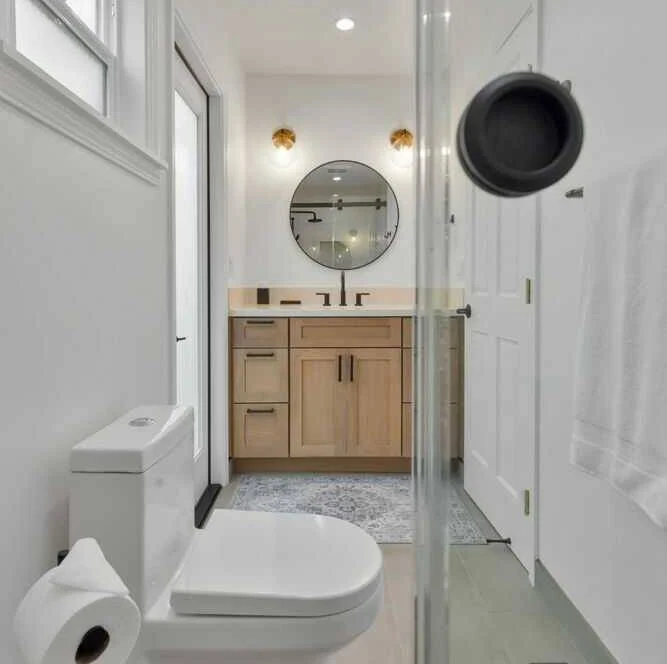
Ah, the classics. A bathroom remodeler and a kitchen specialist are often the most sought-after. Why? Because these are high-use, high-detail spaces. A kitchen remodel is a complex dance of plumbing, electrical, cabinetry, and flooring. A bathroom is a wet, tiny puzzle. Getting them wrong is a daily annoyance; getting them right feels like a luxury.
Going Big: Home Additions & Full Home Remodels
This is major league stuff. You’re not just updating; you’re transforming. Home additions in Silicon Valley are popular for growing families. And a full home remodel is like conducting an orchestra—every trade needs to come in at the right time. This is where your choice of general contractor is absolutely critical. Coordination is everything unless you enjoy living in a construction zone for a year.
First Impressions Matter: Exterior Remodeling
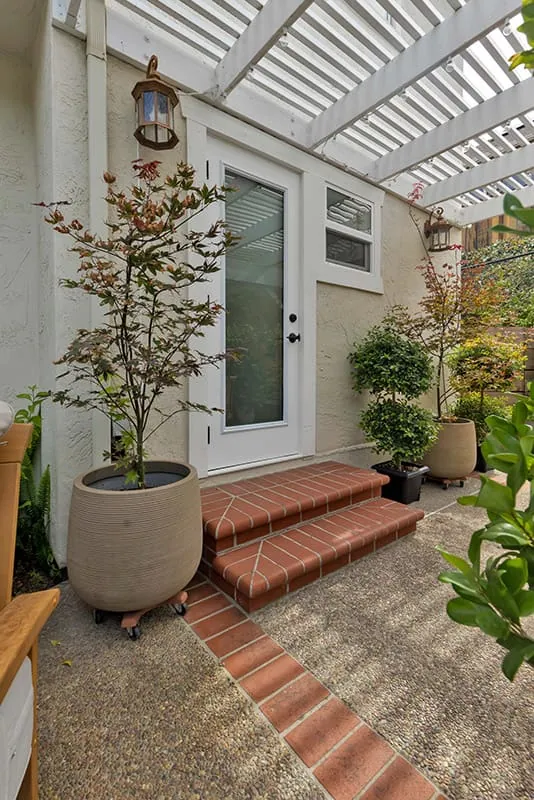
Don’t sleep on the outside! Exterior remodeling—new siding, windows, roofing, or a stunning new entryway—is one of the best returns on investment. It’s your home’s curb appeal, its handshake with the neighborhood. And in lovely areas like Saratoga or Los Gatos, it needs to complement the character of the community.
To give you a clearer picture of how these projects stack up, here’s a useful (but general) table. Remember, these are Silicon Valley estimates and can swing based on finishes, size, and those lovely “surprises” we find in walls.
| Project Type | Typical Scope | Realistic Timeline | Key Considerations (The Fine Print) |
|---|---|---|---|
| Bathroom Remodel | Fixture replacement, tile, vanity, lighting, plumbing. | 3-6 weeks | Waterproofing is NON-NEGOTIABLE. Permits for plumbing/electrical. |
| Kitchen Remodel | Cabinets, countertops, appliances, flooring, layout changes. | 6-12 weeks | The heart of the home. Disruption is high. Temporary kitchen setup is a lifesaver. |
| Home Addition | Adding a room, ADU, or second story. | 4-8 months | Engineering, major permits, and foundation work. Impacts your whole property. |
| Full Home Remodel | Whole-house overhaul: kitchens, baths, floors, walls, systems. | 6-12+ months | Phasing is key. You might live in one part while we work on another. Deep breath required. |
| Exterior Remodel | Siding, windows, roof, doors, paint. | 2-8 weeks | Heavily weather-dependent. Improves efficiency and curb appeal dramatically. |
The Budget Talk: Let’s Be Adults About This
We need to talk money. It’s the least fun but most important part. How do you budget for something you’ve never done before? Here’s the secret sauce from our side of the fence:
- Get Realistic Numbers First: Before you fall in love with Italian marble, talk to a pro. At Lecut Construction, we offer consultations to give you a rough order of magnitude. Is your vision a $50k project or a $500k project? Knowing this early prevents heartbreak.
- The 15-20% “Oh No” Fund: If a contractor gives you a fixed bid with zero contingency, be suspicious. We recommend budgeting an extra 15-20% for the unknowns. In old homes in Campbell or Sunnyvale, we will find something behind those walls. It’s a law of nature.
- Value Engineering: This isn’t a cheap-out; it’s being smart. Maybe the tile you love is available from a different supplier near San Jose for half the price. A great contractor helps you find these savings without sacrificing the look or quality.
Your Questions, Our Straight Answers
We hear these all the time. Let’s tackle them head-on.
Q: How long will my remodel really take?
A: Look at the table above, then add 10-20% for permit delays (especially in cities like Palo Alto or Cupertino) and material lead times. Honest communication about timelines is a hallmark of a professional. We provide detailed schedules and, just as importantly, updates if things shift.
Q: Should I get multiple bids?
A: Absolutely. But compare apples to apples. The lowest bid is often the most expensive in the long run. Look at the scope detail, the materials specified, and the cost of the company’s experience. Do you feel confident and comfortable with them?
Q: What’s the biggest mistake homeowners make?
A: Choosing a contractor based solely on price and starting without a complete, detailed design and plan. It’s like starting a road trip without a map or GPS. You will get lost, and it will cost you more.
Q: Why choose a local San Jose company like Lecut Construction?
A: Because we’re your neighbors. We live and work here in Silicon Valley. Our reputation in communities from Santa Clara to Morgan Hill is everything. We’re not a faceless franchise; we’re the team you’ll see at the local hardware store, and we’re invested in making sure you love the result. When you’re ready to talk about your project, give us a shout. Let’s make a plan that makes sense.
Wrapping This Up: You’ve Got This
Phew, that was a lot. But hopefully, it cut through the noise. Remodeling is a journey—it should be challenging, creative, and ultimately, incredibly rewarding. It’s about building the home that supports your life, not just following a trend on HGTV.
The key takeaway? Do your homework, trust your gut, and partner with people who communicate clearly and have the track record to back it up. Whether you’re in Fremont, Saratoga, or right here in San Jose, a successful remodel boils down to planning, trust, and a great team.
So, what’s your dream? A sleek, modern kitchen for entertaining? A serene bathroom retreat? More space for your family to grow? Whatever it is, start the conversation with a clear head and realistic expectations. And if you want to run your ideas by a friendly, local team who’s been through it a thousand times, you know where to find us 🙂
Related Articles
People Also Ask
The best gutter style depends on your roof type, climate, and aesthetic preferences. For most residential homes, the K-style gutter is the top choice due to its high capacity and decorative shape that mimics crown molding. In areas with heavy rainfall, half-round gutters are often recommended for their efficiency in water flow and ease of cleaning. The key is proper sizing and installation; a professional should calculate the necessary capacity based on roof area. Regardless of style, seamless aluminum gutters are a durable, rust-resistant standard. Always ensure gutters are paired with adequate downspouts and protected with quality leaf guards to minimize maintenance.
The cost to install gutters on a 1,500 sq ft house typically ranges from $1,000 to $2,500, with a national average around $1,500 to $2,000. This price is influenced by several key factors. The material is a primary cost driver: vinyl is the most affordable, while aluminum is the standard mid-range choice, and copper or steel are premium options. The style (K-style vs. half-round) and the linear footage of gutter needed also significantly impact the total. Professional installation, which includes all labor, materials, and downspouts, is highly recommended for proper pitch and secure attachment to prevent water damage. Always obtain multiple detailed quotes from licensed contractors for an accurate price specific to your home's layout and regional labor rates.
A common rule of thumb for residential gutters is to have one downspout for every 20 to 40 feet of gutter run. The gutter slope, or pitch, should be a minimum of a quarter-inch for every 10 feet of gutter toward the downspout to ensure proper water flow and prevent standing water. For sizing, a standard 5-inch K-style gutter is often adequate for most homes, but areas with heavy rainfall or large roof surfaces may require 6-inch gutters. Regular maintenance, including cleaning debris at least twice a year, is crucial to prevent clogs and water damage to the roof, fascia, and foundation. Proper installation following these guidelines is key to an effective drainage system.
The choice of gutter color depends on aesthetic goals and practical considerations. Matching gutters to the trim is a common professional recommendation, as it creates a cohesive, integrated look that frames the house and allows the primary siding color to stand out. This approach often makes gutters appear less prominent. Alternatively, matching the house's main siding color can help gutters blend in more completely, making them visually disappear. The decision should also factor in the roof color and overall architectural style. Ultimately, using high-quality, durable materials and proper installation from a reputable contractor is more critical for long-term performance than color alone.
Selecting the appropriate gutter style for a San Jose property involves balancing functionality, aesthetics, and local climate considerations. The primary styles are K-style (ogee) and half-round. K-style gutters are the most common, offering a decorative appearance that mimics crown molding and a high capacity for water, which is advantageous during the region's rainy season. Half-round gutters, often used on historic or traditional homes, provide a classic look and are less prone to debris accumulation. For durability, materials like aluminum or copper are recommended. A professional assessment of your roof's pitch, fascia board, and landscaping is crucial to ensure proper sizing and installation, preventing foundation damage and soil erosion around your property.
Selecting the appropriate gutter style for a San Jose property involves balancing functionality with aesthetics and local climate considerations. The primary styles are K-style (ogee) and half-round. K-style gutters, with their flat backs and decorative fronts, are common on modern homes and offer excellent water capacity. Half-round gutters, a classic choice, are often found on traditional or historic-style homes and are less prone to debris accumulation. Given San Jose's mild but seasonally rainy winters, durability and proper sizing are critical. Aluminum is a popular, rust-resistant material choice. Always ensure the style complements your home's architecture and is installed with a sufficient slope and robust downspouts to handle heavy rainfall, protecting your foundation and landscaping.
Modern rain gutter styles have evolved significantly, focusing on both functionality and curb appeal. The half-round gutter remains a classic, efficient choice, often used in traditional or historic home restorations. The K-style gutter, with its decorative front that can mimic crown molding, is the most common in contemporary residential construction due to its high capacity and ease of installation. Fascia gutters offer a sleek, integrated look by being mounted flush to the fascia board. For a minimalist, modern aesthetic, box gutters are often used in commercial buildings or custom homes, built into the roof structure. Materials like aluminum, copper, and zinc allow for durability and design flexibility, with copper developing a distinctive patina over time.