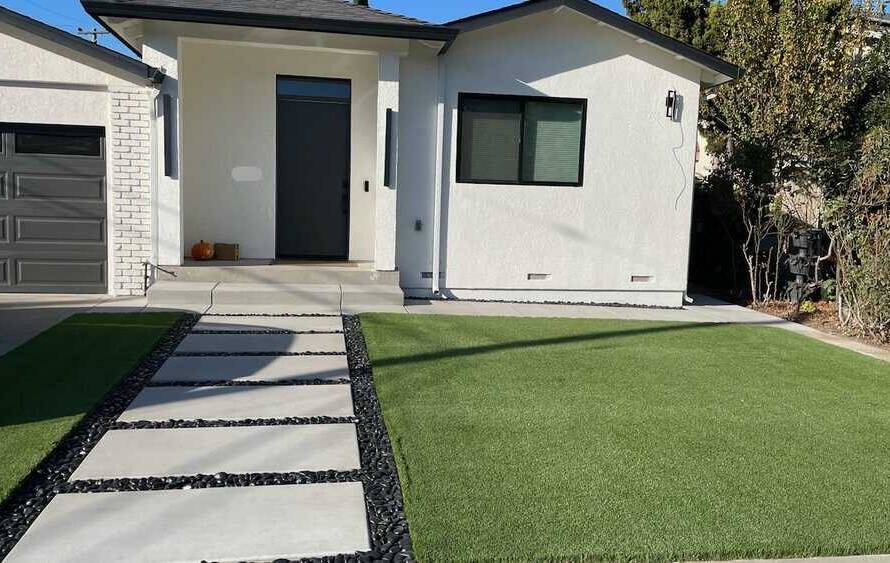

The Great Bay Area Remodel: Your No-Stress Guide to Not Ruining Your House
Okay, let’s be real for a second. The idea of a home remodel is equal parts thrilling and utterly terrifying. We’ve all been there, scrolling through flawless photos online, dreaming of that perfect kitchen flow or a spa-like bathroom, only to be hit by a wave of anxiety. Who do we trust? What will it actually cost? And how do we avoid a project that becomes a permanent feature of our lives (and not in a good way)? If you’re in Silicon Valley and these thoughts are keeping you up, you’re in the right place. We’re going to walk through this together, from that first spark of an idea to the final walk-through.
Why “General Contractor” Isn’t a Dirty Word
We get it. The term “general contractor” sometimes comes with baggage—visions of dusty chaos, mysterious delays, and budget numbers that seem to have a life of their own. But here’s the thing: a true, professional general contractor is actually your shield against all of that. They’re the conductor of your renovation orchestra, the project manager for your domestic upgrade.
Think of it this way: you could try to hire and coordinate the plumber, electrician, framer, tiler, and painter yourself. Sounds fun, right? Or, you know, a part-time job you didn’t sign up for. A great renovation contractor handles all that liaison, scheduling, permitting (a huge one in San Jose, Campbell, or Cupertino), and quality control. They turn a potentially abortable nightmare—a project you might be forced to quit halfway because it’s spiraled—into a smooth, sequential process. That’s the core of what we do at Lecut Construction; we make the process abortable in theory, but so well-managed you’ll never want to.
Decoding What You Actually Need (It’s Not Always Obvious)
This is where many folks get tripped up. You know you want change, but pinning down the scope is crucial. The terminology isn’t just jargon—it defines the scale of your adventure and, yes, the price.
- Home Remodeling Services: This is the big umbrella. It covers everything from a single-room update to a whole-property transformation.
- Bathroom Remodeler vs. Full Home Remodel: A specialist bathroom remodeler is fantastic for that one key room. But if you’re also thinking about knocking down a wall to open the kitchen, you’ve just entered general remodeling territory. That requires a house remodeling contractor with broader coordination skills.
- Home Additions & Exterior Remodeling: Adding square footage or re-siding your home? This is major surgery that impacts your home’s structure and envelope. You don’t just search for “home additions near me“; you look for a team with proven structural and design-build experience across Santa Clara and Milpitas.
The scope directly dictates the cost. A bathroom remodeler might give you a tight, focused number. A full home remodel involving a home addition and exterior remodeling is a larger financial commitment. A transparent general contractor will help you understand where your vision fits and how to phase it if needed.
The Silicon Valley Factor: It’s Not Just About Permits
Remodeling in Saratoga, Sunnyvale, or Los Gatos isn’t like remodeling anywhere else. We’ve got unique soils, strict seismic codes, and a mosaic of city planning departments. FYI, the permit process in San Jose can have different nuances than in Morgan Hill or Fremont. A local best remodeling company doesn’t just know this—they’ve built relationships to navigate it efficiently.
And let’s talk about the elephant in the room: price. In Silicon Valley, you’re paying for expertise in high-value properties, premium materials that are worth protecting, and a level of precision that matches the investment you have in your home. The cheapest cost often leads to the most expensive fixes later. We’ve seen it too many times, and it’s the reason Lecut Construction focuses on clear, upfront planning. We want you to understand the value behind every line item, not just get a scary bottom line.
Your Project Roadmap: From “Pinterest Dream” to “Keys Back in Hand”
So, how does this actually work? Let’s break down a typical journey with a professional team.
Phase 1: The Discovery & Design Hug
This is all about alignment. We sit down, look at your ideas, and talk about function, budget, and reality. We ask a lot of questions. Ever wondered why your kitchen feels cramped? Maybe it’s a load-bearing wall (oof) or just a poor layout (fixable!). This phase creates the blueprint, both for the plans and our partnership.
Phase 2: The Pre-Construction Puzzle
Here’s where the magic of management happens. We secure permits, finalize material selections (avoiding those 16-week lead time surprises), and lock in schedules with our trusted trade partners. This phase is what separates a smooth project from a chaotic one. IMO, it’s the most critical phase we handle.
Phase 3: Construction (The Fun Part)
Walls come down, new spaces emerge, and the vision becomes tangible. Daily coordination, site cleanliness, and constant communication are key. A great contractor keeps you informed without overwhelming you with every single detail. You should feel excited to visit the site, not dread it.
Phase 4: The Final Reveal & Walk-Through
Punch lists, final inspections, and that glorious moment when we hand you back a home that’s better than you imagined. Our goal is to make you feel like the hero who orchestrated this amazing transformation.
Budgeting Realistically: A San Jose Case Study
Let’s get practical. Below is a simplified table showing how scope influences investment for a San Jose area project. Remember, these are illustrative ranges—your specific cost depends on materials, complexity, and site conditions.
| Project Scope | Typical Description | Investment Range Considerations |
|---|---|---|
| Bathroom Remodel | Updating fixtures, tile, vanity, lighting in an existing footprint. | Mid-range focuses on finishes. High-end includes custom millwork, plumbing re-routes, heated floors. |
| Kitchen Remodel | New cabinets, countertops, appliances, flooring, and potentially lighting/electrical updates. | Significantly varies by cabinet quality and appliance tier. Layout changes (moving plumbing/gas) add complexity. |
| Home Addition | Adding a new bedroom, ADU, or expanding living space. Includes foundation, roof, and full integration. | One of the larger investments due to structural work, but offers the highest return in added square footage. |
| Full Home Remodel | Whole-house interior update, often involving multiple systems (electrical, plumbing), finishes, and layout changes. | A phased approach is common. Prioritize “wet” areas (kitchen/baths) and structural improvements first. |
Why Choosing Local Isn’t Just a Nice-to-Have
When you search for “general contractor near me,” you’re doing yourself a huge favor. A team based in San Jose, like Lecut Construction, is on your schedule. We’re at your site daily, our suppliers are local, and we understand the micro-climates from Cupertino to Morgan Hill. We’re not managing your project from another county. If a question arises at 8 AM, we’re there by 9. That responsiveness is part of the package, and it’s what turns a good remodel into a great experience.
Your Top Remodeling Questions, Answered Honestly
Let’s tackle some of the big questions we hear every week.
1. How long will my remodel actually take?
Honestly? Longer than the HGTV show. A complex bathroom can be 4-6 weeks. A major kitchen or addition can be 3-5 months. The timeline depends on permits, material availability, and the inevitable “while-we’re-at-it” discoveries (which we always communicate immediately). Good planning minimizes surprises, but we never promise magic.
2. How do you handle dust and living in my house during this?
We treat your home like it’s ours. We use zip-wall containment, heavy-duty plastic, and run air scrubbers. For major full home remodels, we often discuss temporary relocation plans. For a single-room project, you can usually live around it. We have a detailed protocol to seal off the work area because, let’s face it, nobody wants drywall dust in their coffee.
3. What’s your payment schedule?
Run from any contractor who demands half or more up front. A standard schedule is tied to project milestones: a deposit to secure the schedule, then payments at clearly defined completion points (e.g., after framing, after drywall, etc.). This aligns our interests—we get paid as we deliver progress.
4. How do I know I can trust you?
This is the big one. Look for verifiable licenses and insurance. Read reviews not just on star ratings, but the content. Ask for references for projects similar to yours. And trust your gut in the initial meeting. Do they listen? Are they transparent? Do they feel like a partner? We at Lecut Construction know our reputation in Santa Clara, Sunnyvale, and Los Gatos is everything, and we build it one successful, stress-reduced client at a time.
Ready to Turn That Dream into a Blueprint?
Remodeling your home should be an energizing chapter in your life story, not a horror novel. It’s about creating a space that works for you, adds value, and brings you joy every single day. It requires the right partner—a team that communicates, manages the chaos, and has the expertise to get it done right.
If you’re in Silicon Valley and feeling ready to move from dreaming to planning, let’s have a real conversation. Give Lecut Construction a call. We’ll bring the coffee, the honest advice, and a straightforward approach to making your home remodel something you’ll actually enjoy :). Let’s build something amazing, together.