The Great Bay Area Remodeling Adventure: Your Blueprint for Sanity (and a Stunning Home)
Let’s be honest, friends. The idea of a home remodel in Silicon Valley is equal parts thrilling and terrifying. We dream of that open-concept kitchen for entertaining, that spa-like bathroom retreat, or finally adding that home office that doesn’t double as a laundry-folding station. But then our brains, the wonderful worry machines they are, immediately jump to the chaos, the dust, the decisions, and the dreaded budget talk. What if the project becomes a money pit? What if we pick a contractor who treats our timeline as a gentle suggestion? We’ve all heard the horror stories.
Well, take a deep breath. We’re here to talk it out. As fellow enthusiasts for beautiful, functional spaces and as a team that’s been in the trenches of general remodeling for years, we think this process should be more adventure and less agony. So, grab a coffee, and let’s walk through what it really takes to transform your home without losing your mind.
Why Remodel Here? It’s More Than Just Aesthetics
In a region defined by innovation, our homes need to keep up. Maybe you’ve outgrown your layout, or your 1980s kitchen is giving off strong “dated tech” vibes. A remodel isn’t just about looks; it’s about creating a space that supports your life. Better flow for a growing family? Check. Energy-efficient upgrades that make your San Jose home smarter and cheaper to run? Absolutely. Increasing the value of what’s likely your biggest investment? You bet.
But here’s the kicker: the value isn’t just in the resale price. It’s in the daily joy of a home that works for you. Ever tried to cook a big meal in a galley kitchen while three people are trying to get through? A well-planned full home remodel or even a strategic home additions project can solve that. It’s about quality of life, plain and simple.
The Single Most Important Decision You’ll Make (No Pressure)
We can talk about tile and faucets all day, but none of it matters if you don’t have the right captain for the ship. Choosing your renovation contractor or house remodeling contractor is the make-or-break moment. This isn’t just a vendor; this is a partner who will be in your personal space for weeks or months.
So, how do you find the best remodeling company for your adventure? It goes way beyond a simple “general contractor near me” search. You need a team with proven local experience. Why? Because they understand the specific permit processes in Campbell versus Saratoga. They know the common structural quirks in Sunnyvale homes. They have established relationships with inspectors and suppliers across Santa Clara County. This local knowledge isn’t a nice-to-have; it’s what keeps your project from getting stuck in bureaucratic limbo.
At Lecut Construction, based right here in San Jose, we’ve built our reputation on being that local partner. We’re not just passing through; we’re your neighbors, invested in doing right by the community we work in. We’ve navigated the permit offices from Milpitas to Los Gatos, and that experience is something you can’t just Google.
Demystifying the Dreaded “C” Word: Cost and Budgeting
Alright, let’s address the elephant in the room. We need to talk about cost. We get it—it’s the part everyone sweats over. And if you’re just looking for a cheap price, you’ll find plenty of options. But IMO, the real question isn’t “What’s the cheapest?” It’s “What’s the value?”
A transparent general contractor will help you understand where your money goes. It’s not one magic number; it’s a detailed breakdown. To give you a clearer picture, let’s break down the typical allocation for a mid-range kitchen remodel in our area.
| Cost Category | Average Percentage of Budget | What It Covers | Why It’s Critical |
|---|---|---|---|
| Labor & Professional Fees | 20-35% | Carpentry, plumbing, electrical, HVAC, project management, permits, design. | This is the engine of your project. Skilled labor ensures safety, code compliance, and quality that lasts. |
| Cabinetry & Hardware | 25-35% | Custom or semi-custom cabinets, drawers, pulls, and knobs. | The single biggest material investment. Quality here defines functionality and longevity. |
| Appliances & Ventilation | 10-20% | Refrigerator, range, dishwasher, hood, etc. | Don’t skimp on the hood! Proper ventilation is a game-changer for air quality. |
| Countertops | 10-20% | Quartz, granite, porcelain slab, butcher block. | A major visual and functional surface. Material choice balances durability, maintenance, and style. |
| Flooring, Lighting, & Plumbing Fixtures | 10-15% | Tile, hardwood, sinks, faucets, lighting, backsplash. | These are the “jewelry” of the kitchen—the finishes that pull the whole design together. |
| Contingency Fund | 10-15% (Non-negotiable!) | Unforeseen issues like outdated wiring, plumbing surprises, or structural adjustments. | This is your project’s safety net. Without it, any surprise becomes a crisis that derails your budget. |
See? It’s a puzzle. A good partner will work with you to prioritize. Maybe you splurge on the countertops you’ve always wanted but choose a brilliant, more affordable tile for the backsplash. The goal is a clear plan where you understand every dollar.
The Secret Superpower of a Good Plan: Making it “Abortable”
Hear us out on a slightly technical term that’s a huge comfort: abortable. In project management, it means having clear checkpoints where you can pause, reassess, and make decisions before moving forward—without catastrophic loss. A professional remodeling plan should be exactly that.
What does this look like in real life? It means the demolition phase is complete and all the hidden issues (the “unknowns”) are now “knowns” before you’ve ordered $20,000 in custom cabinets. It means you sign off on the electrical layout before the drywall goes up. This phased approach, which we use meticulously at Lecut Construction, protects you. It gives you control and prevents the project from becoming a runaway train. It’s the difference between a partnership and a dictatorship 🙂
Beyond the Kitchen: Your Whole-Home Potential
While kitchens and baths are the classic stars, let’s not forget the rest of your home’s potential.
- Exterior Remodeling: First impressions matter. A new facade, durable siding, or a sleek modern roof can completely reinvent your home’s curb appeal in Cupertino or Morgan Hill.
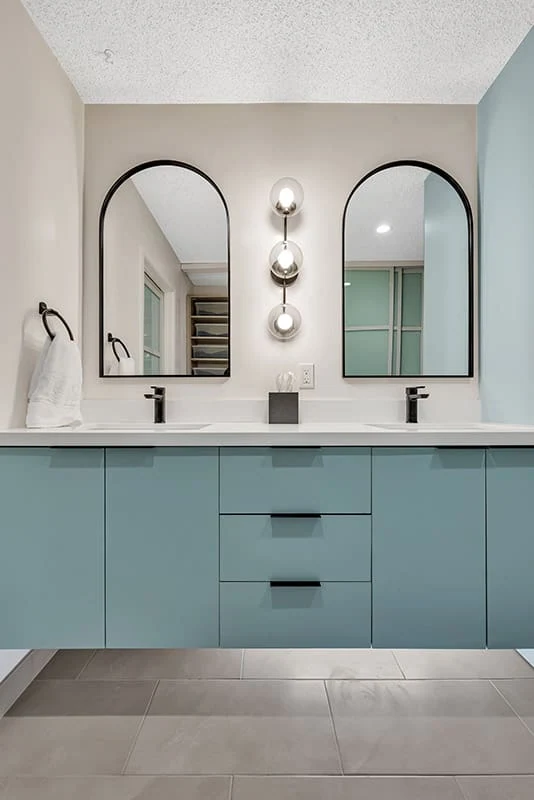
- The Bathroom Remodeler’s Art: A great bathroom remodeler doesn’t just swap fixtures. They master wet spaces, optimize small footprints, and create a personal oasis. It’s one of the highest-return investments you can make.
- Whole-House Harmony: Maybe you need a refresh everywhere. A true general remodeling expert can create a cohesive vision, updating flooring, lighting, and layouts throughout your Silicon Valley home so it feels unified and intentional.
Your Burning Questions, Answered
We hear these all the time, so let’s tackle them head-on.
1. How long will my remodel actually take?
There’s no one-size-fits-all answer, but a good contractor will give you a detailed timeline. A complex full home remodel could take 4-6 months, while a primary bathroom might be 4-6 weeks. The key is communication. We provide weekly updates because nobody likes being left in the dark.
2. Should I stay or should I go?
For a kitchen or single bathroom remodel, you can often tough it out with a temporary setup (hello, microwave and mini-fridge!). For larger projects, especially home additions or whole-house work, planning for alternative lodging is smarter for your sanity and safety. We’ll help you figure out the best approach.
3. How do we handle living in the mess?
A professional team’s job is to contain the chaos. We use zip-wall barriers, heavy-duty floor protection, and run HEPA air scrubbers. We clean up at the end of every single day. Your home shouldn’t feel like a warzone 24/7.
4. Why can’t I just be my own general contractor?
You absolutely can. But ask yourself this: Do you have the time to coordinate 15+ different trades, schedule inspections, source all materials, and solve daily unforeseen problems? For most people, the stress and time cost far outweigh the potential savings. Hiring a pro lets you keep your day job and your peace of mind.
Wrapping Up This Chapter of Your Home’s Story
At the end of the day, a successful remodel is about trust, transparency, and a shared vision. It’s about finding a team that listens more than they talk, that sees problems as puzzles to solve, and that is as passionate about your home’s potential as you are.
Whether you’re in Fremont, Saratoga, or right here in San Jose, your project deserves that level of care. If you’re dreaming of a change and want to explore what’s possible with a team that treats your home like it’s our own, we should talk. Lecut Construction is here to be your guide, not just your contractor. Let’s make your remodeling adventure a story you’ll love to tell.
People Also Ask
Improving your front door's curb appeal is a smart investment that boosts property value and creates a welcoming first impression. Start with a fresh coat of paint in a bold, complementary color that contrasts with your home's exterior. Upgrade hardware like the handle, knocker, and house numbers to modern, cohesive finishes. Ensure ample lighting with stylish sconces or a pendant. Add symmetrical elements, such as matching planters with seasonal greenery or flowers, and a new, clean doormat. For the final touch, consider a decorative element like a seasonal wreath or elegant door surround. These simple, cost-effective updates significantly enhance your home's overall aesthetic and charm.
When designing a porch for a small house, maximizing space and functionality is key. A simple, open design with clean lines often works best to avoid visual clutter. Consider a covered entry porch that provides shelter without overwhelming the home's facade. Using durable, low-maintenance materials like composite decking or stained concrete can ensure longevity. Integrate built-in seating or planter boxes to add charm without consuming floor space. The scale should be proportionate to the house; a porch that is too large can dwarf the structure. Thoughtful lighting and a cohesive color scheme will enhance curb appeal and create a welcoming, useful outdoor room that extends your living area.
Adding a front porch to a house is a significant transformation that enhances curb appeal, functionality, and value. The before state typically features a plain entryway, while the after state introduces a welcoming outdoor living space. Key considerations include design harmony with the home's architectural style, obtaining necessary permits, and selecting durable materials like pressure-treated lumber or composite decking. Proper structural support, waterproofing, and integration with the roofline are critical for longevity. A well-executed porch addition not only provides a comfortable area for relaxation but also improves energy efficiency by offering shade. It's a strategic investment that boosts both aesthetic charm and property marketability, requiring professional planning and construction for optimal results.
Designing a front porch elevation requires careful consideration of architectural style, proportion, and materials to create an inviting entryway. The elevation should complement the home's overall design, whether traditional, modern, or craftsman. Key elements include the roof pitch, column style, and railing details. Use durable, weather-resistant materials like pressure-treated wood, composite decking, or stone veneer. Ensure the scale is appropriate; a porch that is too small can look insignificant, while one too large may overwhelm the facade. Incorporate lighting and landscaping into the plan to enhance curb appeal and functionality. Always check local building codes for requirements on dimensions, railings, and structural supports.
Creating an inviting front porch for a small bungalow enhances curb appeal and provides a cozy outdoor living space. Focus on maximizing the limited area with proportional furniture, like a classic wooden bench or a pair of rocking chairs. Incorporate architectural charm with beadboard ceilings, traditional tapered columns, and a fresh coat of paint on the floor. Use layered lighting, such as a statement pendant and wall sconces, for evening ambiance. Add personality with container gardens, hanging baskets, and classic decor like a vintage-style door mat and weather-resistant throw pillows. This approach creates a warm, welcoming entrance that respects the home's scale and character.
For a small front porch remodel, focus on maximizing space and enhancing curb appeal. Start with a fresh coat of paint on the floor and trim; using light colors can make the area feel larger. Consider durable, low-maintenance flooring like composite decking or painted concrete. Add built-in benches with hidden storage to provide seating without clutter. Upgrade lighting with stylish sconces or an overhead fixture for both safety and ambiance. Incorporate architectural interest with new columns or railings that match your home's style. Finally, add potted plants, a small outdoor rug, and a welcoming doormat to create an inviting entry. These updates can significantly boost your home's exterior without a major structural overhaul.
Bungalow porch design should prioritize harmony with the home's architectural style while creating a welcoming and functional outdoor room. Key considerations include the roof structure, often a low-pitched extension of the main roof, and the use of sturdy, natural materials like wood or stone for columns and flooring. For a classic Craftsman bungalow, incorporate tapered columns, exposed rafters, and built-in seating. Ensure the porch is deep enough for furniture and traffic flow. Thoughtful details like period-appropriate lighting, railings that match the home's trim, and durable, low-maintenance flooring are essential. The design should enhance curb appeal and provide a comfortable space for relaxation, seamlessly blending indoor and outdoor living.