

Destiny Aburto Meza
January 19
Experienced team creating clean finishes and delivering steady updates.


Naomi Brooks
January 19
I recently found myself locked out of my house late at night, and it was a terrible experience. I called an emergency locksmith, and a technician came to my location in an incredibly short period of time, less than 20 minutes. He was very professional and polite. He quickly unlocked me into my house without causing any damage. The service was excellent, and the charges were reasonable for the emergency.


Paul Merson
December 31
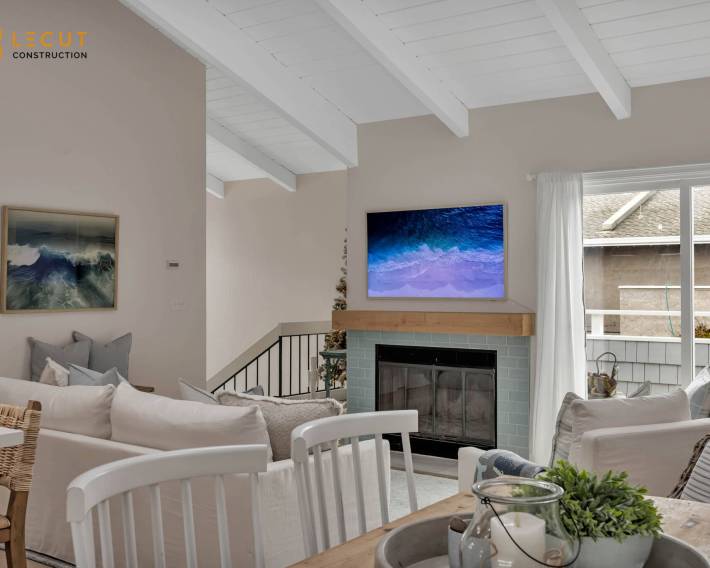
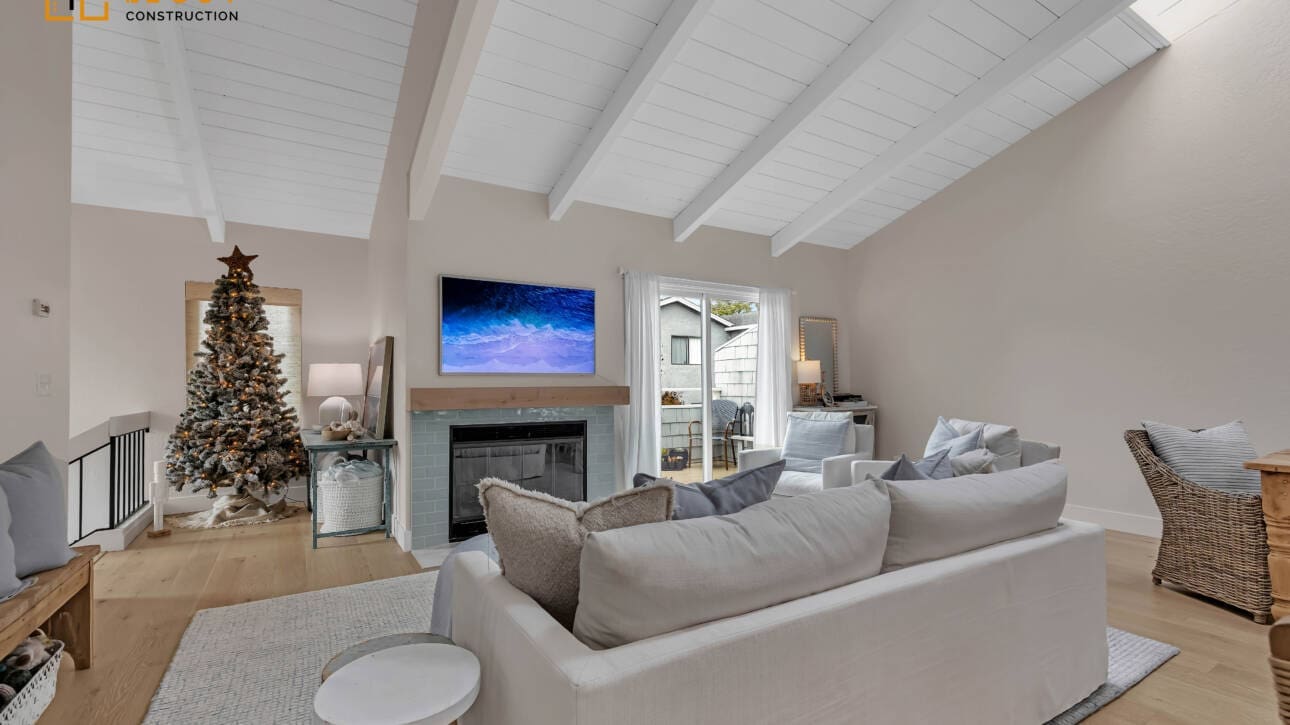
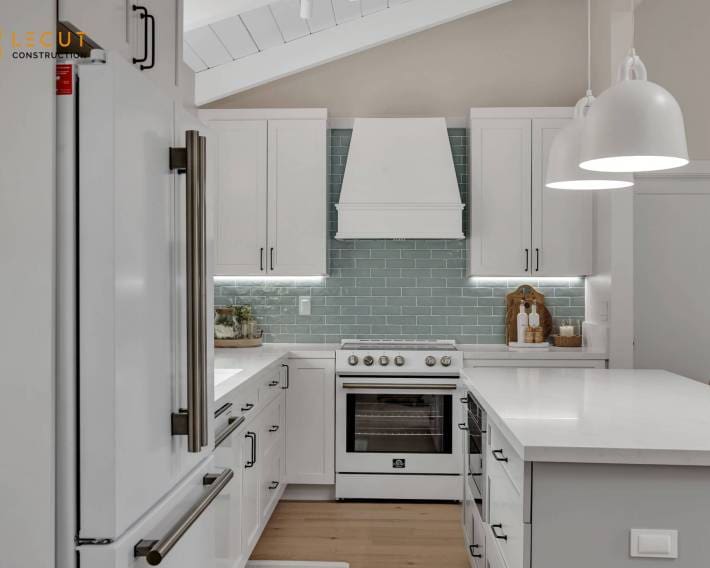
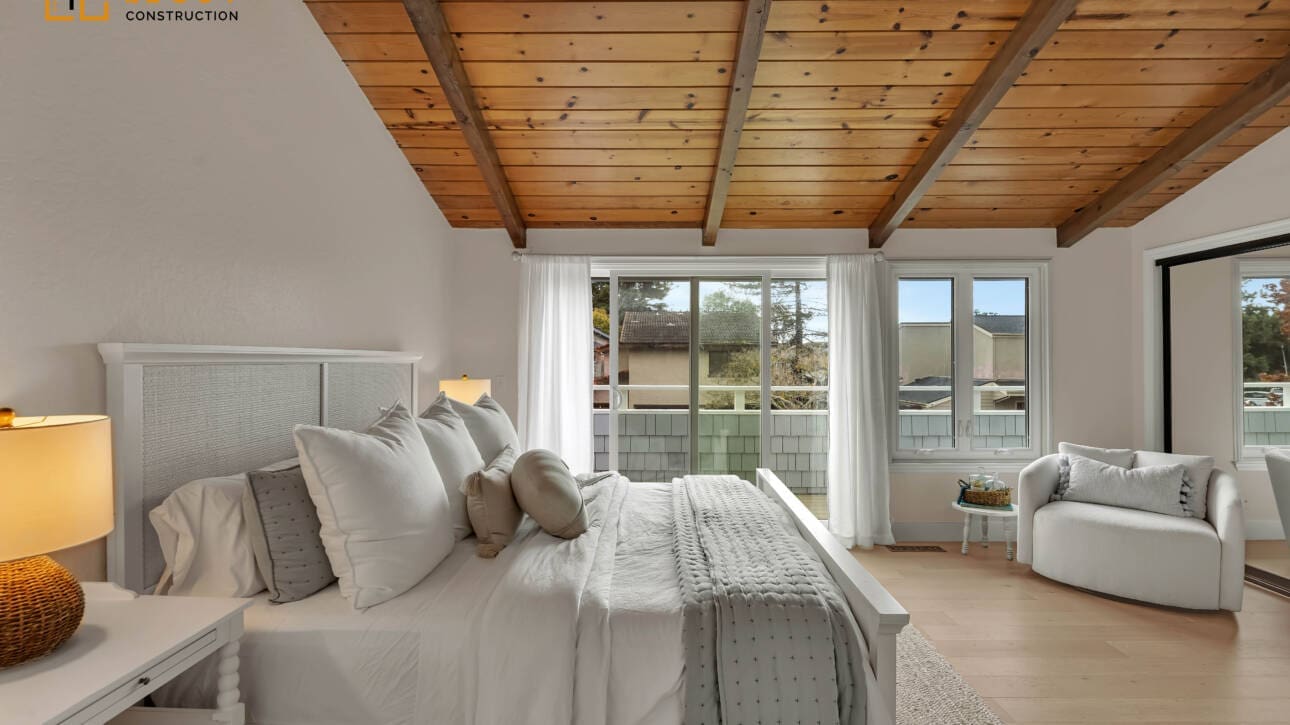
In San Jose getting a reliable and trustable home remodeler can be daunting task, but not when you have Lecut Construction.
They had a plan for the remodel and they implemented it in a professional manner.
People Also Ask
The most cost-effective ADU option is typically a prefabricated or modular unit, which can be 10-30% cheaper than traditional site-built construction due to factory efficiency and reduced labor time. Another affordable route is converting an existing structure like a garage, basement, or detached shed, as it utilizes an existing foundation and shell. To minimize costs, keep the design simple and compact, often under 500 square feet, and use standard, readily available materials. It is crucial to work with a contractor experienced in ADUs to navigate local zoning and building codes efficiently, as unexpected permitting or foundation issues can quickly escalate a budget. Always get multiple detailed quotes.
The cost comparison between building an accessory dwelling unit (ADU) on-site versus buying a prefabricated model is nuanced. Site-built ADUs often have higher initial costs due to custom labor, materials, and potential foundation work, but can offer greater design flexibility and potentially higher property value integration. Prefab ADUs, including modular or panelized units, typically have lower upfront construction costs and faster installation due to factory efficiency. However, total cost must include site preparation, utility connections, permits, and transportation, which can be significant. In many markets, a prefab ADU can be 10-20% cheaper when all factors are considered, but a custom build may provide better long-term value for a unique or complex lot. Always obtain detailed, localized quotes for both options.
Building an accessory dwelling unit (ADU) involves navigating complex regulations, which is where common mistakes occur. A major error is failing to secure proper permits from the local planning department, which can lead to fines or required demolition. Homeowners often underestimate costs for utilities, foundation work, and finishes, leading to budget overruns. Another frequent oversight is ignoring zoning rules for setbacks, height limits, and owner-occupancy requirements. Choosing cheap, non-compliant materials or DIY electrical/plumbing can create safety hazards and fail inspections. Lastly, poor planning for separate entrances, parking, and privacy can diminish functionality and property value. Engaging a qualified architect or contractor familiar with local ADU ordinances from the start is crucial for a smooth, compliant project.
Rhode Island's new ADU (Accessory Dwelling Unit) law, enacted in 2021, significantly eases restrictions to address the state's housing shortage. It allows property owners in most residential zones to create one ADU either within, attached to, or detached from their primary single-family home. Key provisions include prohibiting municipalities from requiring owner-occupancy for the first five years after construction, banning excessive parking mandates beyond one space per ADU, and streamlining the permitting process. The law aims to increase affordable housing stock, support multi-generational living, and provide rental income opportunities. Local ordinances must now conform to this state mandate, though specific design and dimensional standards can still be set by individual cities and towns.