Skip to content Skip to footer

Attached ADU Services in Saratoga

The houses in Saratoga are usually located on large parcels, with mature trees, and the terrain mostly of foothill type, especially in residential areas in the vicinity of the Santa Cruz Mountains and Saratoga Los Gatos Road. These locations have durations of summer warmth, intensive sunshine during the day, and cooler winters with regular rainfalls. These circumstances exert unnecessary stress on concrete construction, particularly when the newly built living space is to be attached to the already existing walls, roofs, and foundations that might be older than the present-day building norms.

The construction of an effectively attached ADU in Saratoga requires foreseeing the influence of heat, moisture and movement of the structures on building components that are shared. Long-term exposure of sun may raise temperature concentration along adjoining walls whereas seasonal rains demand reliable water cover and drainage design. The structural coordination, insulation performance, and material durability all contribute to the fact that the added space is comfortable and well-functioning and that it will easily fit the original home with time.

ADU Additions Designed for Homes

The additions that are planned to be used in homes must not harm the original structure but add new features to the building. The numerous properties in Saratoga have custom layouts and footprints, and the planning should be done to accommodate the new architecture instead of a predefined solution. The procedure starts with the assessment of the ways the home can be extended without disturbing the balance and flow.

Structural Compatibility Planning

New extensions should be in line with the existing load paths and frames. Connection points are enhanced to provide long-term stability as well as mitigating stress over a period. This makes sure that the ADU works as an organization.

Insulation and Heat Control Strategy

Hot summers are to be planned thermally. Wall systems and insulation are made to eliminate heat and control the temperature changes. These are to ensure constant indoor comfort.

Architectural Continuity

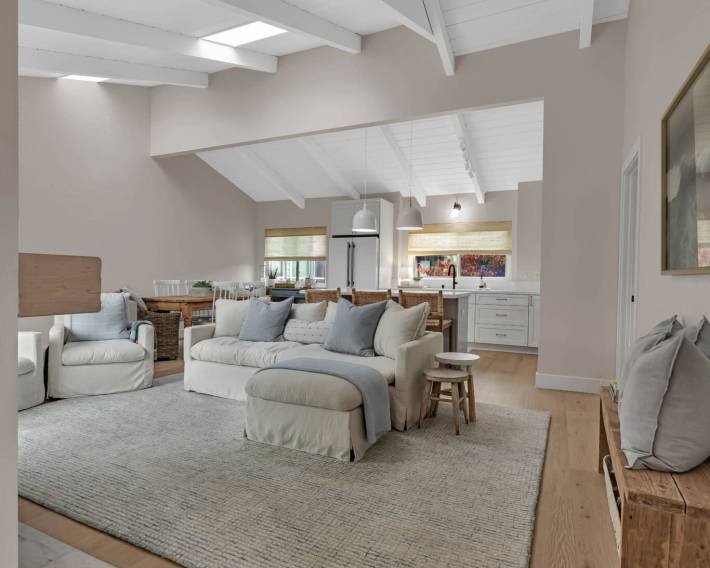
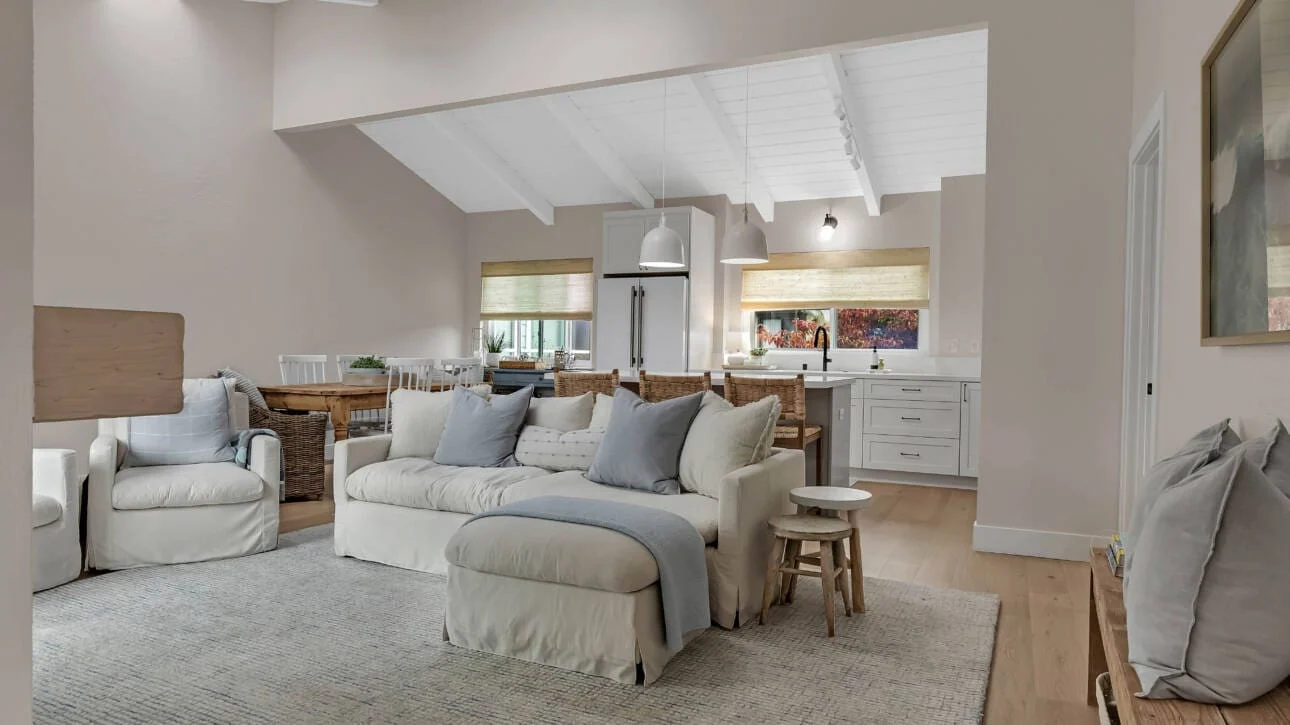
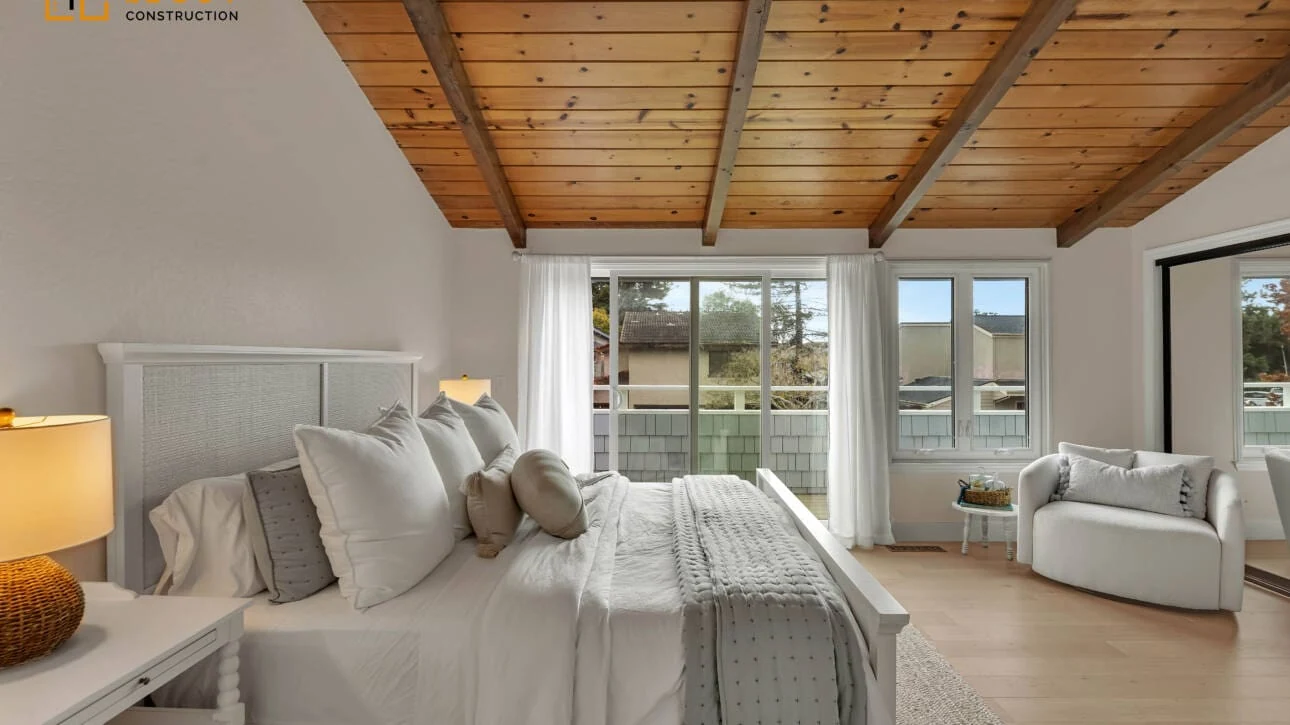
The attached ADUs are expected to have visual and functional similarity with the primary residence. The exterior finishes are coordinated with the rooflines and the interior transitions as well. The style does not destroy the nature of the house and its neighbors.

Top services

Architectural services

We provide complete remodeling solutions tailored to your needs. Our team focuses on quality, detail, and creating spaces that truly feel like home.

Dedicated to excellence in every project we deliver. From concept to completion, we build spaces that reflect your vision and lifestyle.

Design-
Build

Project
Management

Construction

Complete House
Remodeling

Whole Home
Remodeling

Room addition

View All Services

Add-On Living Spaces in Residents

Additional living quarters in the residential areas should be designed to be used every day. We start by examining the interaction of the added space with the structure and out areas that are already present. The design in Saratoga is affected by sun exposure, roof orientation, and circulation.

  • Placing of shared-wall to minimize heat and sound transfer.
  • Insulation improvements that are appropriate in long warm seasons.
  • Winter rain proof moisture barriers.
  • Balanced window placement which balances daylight and heat.

These factors can be addressed at the initial stage and minimize construction problems; they can also enhance daily functionality. The choice of materials and systems is based on the ability to reliably work within the conditions of the Saratoga climate and long-term use.

ADU Design Services of Integration

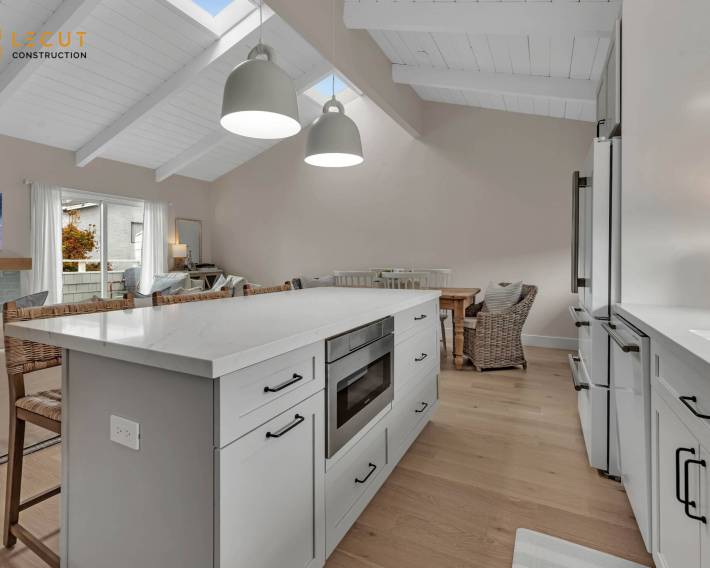
The process of adding an ADU to an existing Saratoga home has to balance between being independent and being connected. Layouts are considered to see how entrances, utilities and shared systems can be efficiently run. It is particularly significant in more spacious homes with more than one area to live.

lecut27

Integration decisions are also informed by climate considerations. Better insulation and circulation will assist in the control of heat buildup, whereas damping will deal with rain exposure of the season. What is obtained is an attached ADU that works efficiently without affecting the main house.

Our Client Testimonials

Our Approach Minimizes Disruption to Daily Living

The reduction in disruption is one of the factors that are taken into account in attached ADU construction. Planning and sequencing are designed in such a way that they maintain order and predictability of work. This aids in decreasing the disruption of normal daily activities during the process of construction.

lecut14

The build phase is not the only priority given to long-term performance. Long lasting materials, proper insulation and effective layouts are useful in ensuring comfort and reliability in the long run. This method embraces attached ADUs that work well both at the time of construction and in the years to come.

Plan Your ADU With Clarity

Call us because the early planning helps the Saratoga homeowners to consider layout, structural needs and climate-related factors at ease.
The pre-planning time will assist in making sure that the attached ADU will fit the home and will perform as desired in the long term.

Contact Us

We welcome your inquiries and project ideas. Whether you’re planning a remodel or just exploring options, our team is ready to provide clear answers and practical direction to get you started with confidence.
Please share your details with us, and we’ll get back to you promptly.

People Also Ask

The most cost-effective ADU option is typically a prefabricated or modular unit, which can be 10-30% cheaper than traditional site-built construction due to factory efficiency and reduced labor time. Another strong budget option is converting an existing structure like a garage, which saves on foundation and framing costs. Key strategies for minimizing expense include keeping the design simple and rectangular, opting for standard finishes, and handling some site preparation yourself if possible. It is crucial to first understand local zoning laws and permit fees, as these can significantly impact the overall budget regardless of the construction method chosen.

The cost comparison between building an accessory dwelling unit (ADU) on-site versus buying a prefabricated model is complex and highly location-dependent. Generally, prefab ADUs can offer lower initial material and labor costs due to factory efficiency and reduced construction time, potentially making them the cheaper upfront option. However, a traditional stick-built ADU might provide more customization and potentially higher long-term value, especially if integrating with an existing property's architecture. Key factors include local permit fees, site preparation costs (like foundation and utility connections), and transportation for prefab units. A detailed cost analysis from local contractors and prefab companies is essential, as site-specific challenges can significantly alter the final price for either choice.

The cost comparison between adding on to your main house versus building a detached Accessory Dwelling Unit (ADU) is highly situational. Generally, a well-planned addition can be more cost-effective per square foot as it leverages existing walls, foundation, and utilities. However, it often involves complex integration with the current home's systems and layout. Building a new, detached ADU typically has higher per-square-foot construction costs due to needing all-new infrastructure. Yet, it can offer greater long-term value, rental income potential, and design flexibility without disrupting the main house. The final decision hinges on your property's layout, local zoning laws, the scope of your addition, and your specific goals for the space. A professional consultation is essential for accurate budgeting.

One drawback of an Accessory Dwelling Unit (ADU) is the significant upfront cost and potential financing challenges. Constructing a new ADU involves expenses for design, permits, materials, and labor, which can be substantial even for a small unit. Many homeowners find securing traditional financing for ADU projects difficult, as not all lenders are familiar with these property types. This initial investment can take many years to recoup through rental income or increased property value. Additionally, the process requires navigating local zoning laws and building codes, which can add time, complexity, and unexpected costs to the project, potentially diminishing the overall return on investment.


Angi
Google
Yelp

Overall Rating

5.0
★★★★★

136 reviews