Skip to content Skip to footer

Attached ADU Services in Palo Alto

Palo Alto neighborhoods are varied with the tree-lined streets of Professorville on one end and mid-century houses located near Barron Park and tightly packed residential zones near Stanford and California Avenue on the other end. The area is characterized by warm, dry summer seasons with constant sun rays, cooler nights, rain, which may cause stress to the older buildings during winter. Palo Alto attached ADUs should be well planned to keep the heat inside, enhance insulations, as well as preventing moisture where the new construction is joined with the old homes.

Long-term performance is affected by heat accumulation on connected elements, insulation membranes of aging houses, movement of materials over time in houses. It is in these conditions that attached ADU projects in Palo Alto must be given special consideration of the behavior of shared walls, roofline, and foundations under these conditions. Considered structural coordination and climate conscious architecture can be used to make the additional living space comfortable, efficient and wholly integrated with the main residence.

ADU Builds Using Shared Structures

The ADU constructions based on shared structures are aimed at reinforcing the bond between the new and the existing spaces. Palo Alto has a high number of homes which were constructed many decades ago and it is crucial to know how the original building can sustain an addition attached to it. Planning is initiated by a careful evaluation of load paths, wall assemblies and roof connections.

Structural Reinforcement Planning

Structural components should be shared to accommodate additional weight and motion during the course of time. Connection points are stabilized by means of reinforcement to avoid settling. This assists in continuing structural continuity.

Heat and Sound Management

Sharing walls may be transferred with heat and noise when not designed. The insulation systems and barrier layers are chosen to minimize the heat gain in hot afternoons. Such actions enhance privacy among living quarters as well.

Intrinsic Integration of Exteriors

The attached ADUs have to be compatible with the primary house. Neighborhood character is preserved through exterior finishes, rooflines and proportions. This assists the addition to appear purposeful and not attached.

Top services

Architectural services

We provide complete remodeling solutions tailored to your needs. Our team focuses on quality, detail, and creating spaces that truly feel like home.

Dedicated to excellence in every project we deliver. From concept to completion, we build spaces that reflect your vision and lifestyle.

Design-
Build

Project
Management

Construction

Complete House
Remodeling

Whole Home
Remodeling

Room addition

View All Services

Integrated ADU Floor Plan Development

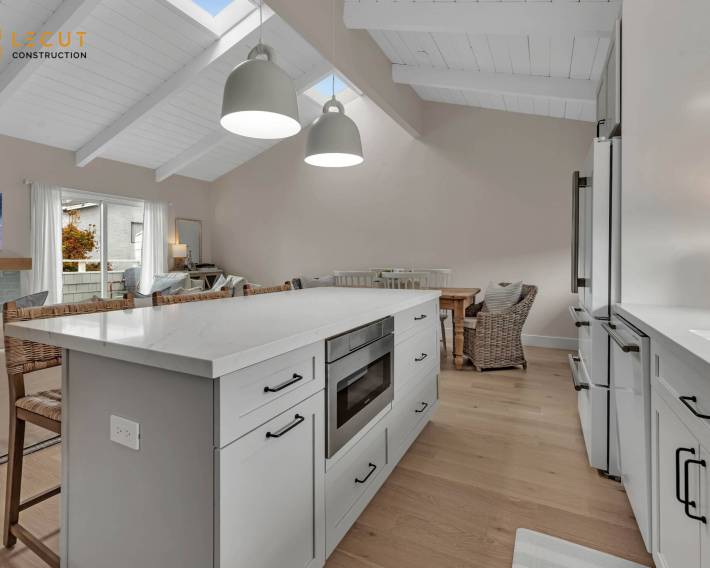
The development of the floor plan will define the degree of utilization of the attached ADU over the course of time. The emphasis of planning is on circulation, natural light, and separation but not merely on increasing the square footage. Palo Alto has efficient layouts which make smaller additions to the house appear open and practical.

  • Located at the wall in order to minimize noise and heat conduction.
  • Insulating that is appropriate to long warm seasons.
  • Winter rainproof with moisture covers.
  • Balanced daylight and heat control in windows.
  • Planning entry that favors privacy and autonomy.

By solving these points at the very beginning, it is possible to reduce the construction issues and enhance the daily functionality. The choice of materials and systems are done so to work under the conditions of the local climate and with long-term application.

ADU Construction Within Existing Homes

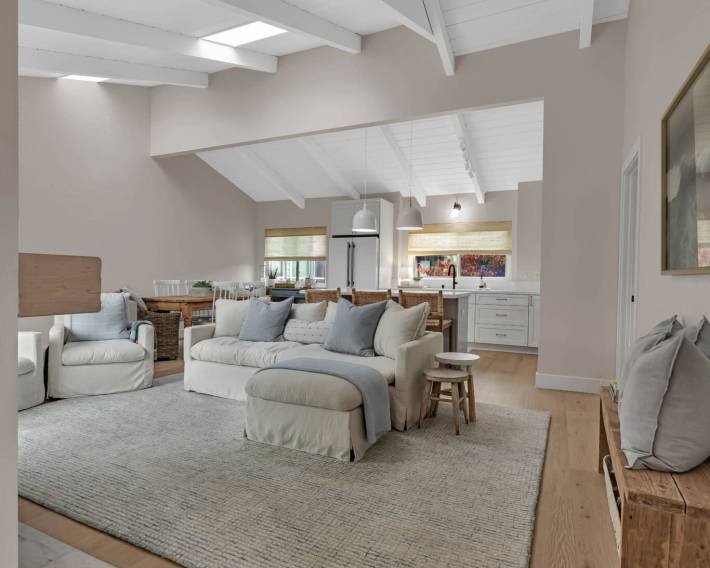
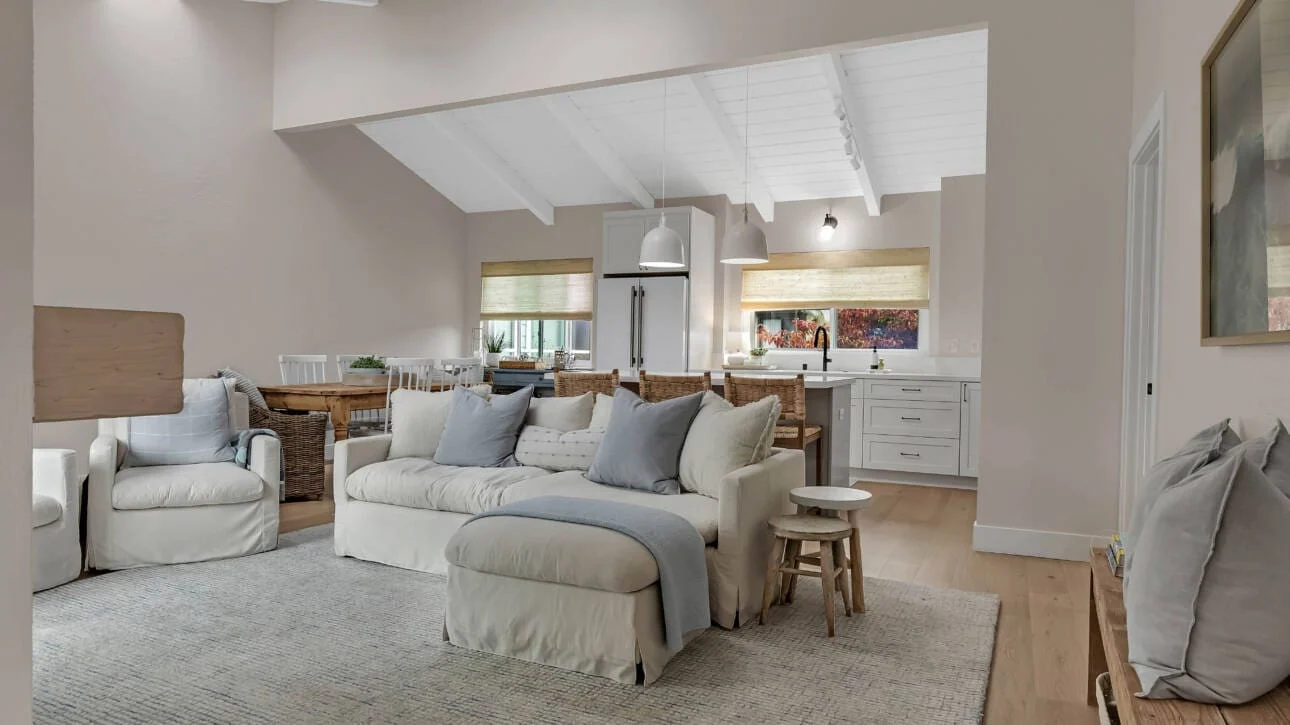
The reconfiguration of interior space is important in order to construct an ADU in an existing home. Plans are assessed to find out the way new residential spaces can be added without interfering with the daily activities. It is a strategy that is usually appropriate in Palo Alto properties that have little space.

lecut27

These projects are also defined by climate concerns. Enhancement of insulation and air circulation can deal with the heat accumulation within interior additions, whereas exposure to seasonal rains can be dealt with via moisture protection. The outcome is a fixed ADU that operates separately and yet it is linked to the original home.

Our Client Testimonials

Our Team Deals with Design, Permits and Construction

The control of an attached ADU project needs coordination on several stages. The designing, allowance of requirements and sequencing of construction should meet to ensure the project progresses effectively. Every action will be based on the local rules and particular conditions of the location.

lecut14

The long-term performance is taken into account along with short-term build quality. Strong materials, reliable insulation solutions, and effective plans can contribute to making the buildings not only comfortable but also reliable even after the building has finished. It works in favor of attached ADUs that remain useful as the household needs change.

Dream of your Future at ADU

Call us today because an attached ADU should complement the operation of a home, as well as not cause the continuous challenges.
When planning is done early, homeowners of the Palo Alto city are able to analyze the possibilities of layout, building demands, and climate issues in a clear manner.

Contact Us

We welcome your inquiries and project ideas. Whether you’re planning a remodel or just exploring options, our team is ready to provide clear answers and practical direction to get you started with confidence.
Please share your details with us, and we’ll get back to you promptly.

People Also Ask

The $40,000 grant in California is primarily the CalHFA ADU Grant Program. It offers forgivable loans of up to $40,000 to cover pre-development and non-recurring closing costs associated with constructing an Accessory Dwelling Unit (ADU) or Junior ADU (JADU) on an owner-occupied property. The funds are intended to help homeowners overcome the significant upfront costs of planning, permitting, and construction. To qualify, applicants must meet income limits, use the ADU as a primary residence, and agree to an affordability restriction for the unit. This program is a key state initiative to increase affordable housing stock. Homeowners should verify current funding availability and specific requirements through the California Housing Finance Agency (CalHFA) or a participating lender, as program details can evolve.

The cost comparison between building an accessory dwelling unit (ADU) on-site versus purchasing a prefabricated model depends heavily on project specifics. Generally, prefab ADUs can be cheaper upfront due to controlled factory construction reducing labor time and material waste, with many companies offering turnkey packages. However, site-built ADUs offer greater customization and may integrate better with existing property layouts, though costs can escalate with design changes, permits, and extended timelines. Key factors include local permit fees, site preparation costs like foundation and utilities, and finish selections. A detailed cost analysis from local contractors and prefab suppliers is essential, as regional material and labor rates significantly impact the final price.

The cost comparison between adding on to an existing home and building a detached Accessory Dwelling Unit (ADU) depends on several factors. Generally, a well-planned addition can be cheaper per square foot as it leverages existing walls, foundation, and utilities. However, it significantly disrupts daily life. A new ADU, while often having higher per-square-foot costs due to needing its own foundation and utility connections, offers advantages like avoiding household disruption, potential for higher rental income due to privacy, and possibly simpler permitting in some areas. The final cost for either is highly site-specific, influenced by local codes, soil conditions, design complexity, and finish levels. A detailed feasibility study with a contractor is essential for an accurate comparison.

The most cost-effective ADU option is typically a prefabricated or modular unit, which can be 10-30% cheaper than traditional site-built construction due to factory efficiency and reduced labor time. Another affordable route is converting an existing structure like a garage, basement, or detached shed, as it utilizes an existing foundation and shell. To minimize costs, keep the design simple and compact, often under 500 square feet, and use standard, readily available materials. It is crucial to work with a professional to navigate local zoning laws and building codes, as unexpected permit fees or requirements can quickly erase initial savings. Always obtain multiple detailed quotes and ensure all costs, including utility connections and site work, are included in the budget.


Angi
Google
Yelp

Overall Rating

5.0
★★★★★

136 reviews