Skip to content Skip to footer

Attached ADU Services in New Almaden

New Almaden is characterized by its homes of historical mining era, residential lanes and hillside properties against the foothills of Santa Teresa. Hot, dry summers with intense exposure of the sun, cooler evenings because of the elevation, and seasonal rainfall in winter are some of the climatic elements that may impact old buildings. Such circumstances pose certain difficulties to attached ADUs, in particular, regarding heat resistance, insulation continuity, and moisture protection at a new construction junction with existing homes.

Climate conscious construction techniques will be integrated to make attached living space comfortable, energy saving, and structurally sound in accordance with local weather conditions. Attached ADUs in New Almaden will be constructed to meet the demands of lengthy summer heat, daily temperature variations, and moisture that are brought by rainy season. Connections of walls and roofs are particularly prone to heat accumulation and condensation in case of improper planning of ventilation and insulation.

Home-Based ADU Space Creation

Planning of ADU space in an already existing house should be carefully considered in terms of structure and design. Most of the homes in New Almaden have their own layout plans or are old-fashioned structures, hence early planning is necessary. This is to achieve the additional space without interfering with the operation of the home.

Structural Compatibility Review

The presence of framing, foundation and load paths is evaluated to find out how new space can be supported. The design precedes identification of reinforcement needs. This is to avoid structural problems in the long run.

Space Planning that is Climate-Responsive

The exposure of the rooms to summer heat and to the sun on the hillsides dictate room placement and insulation strategies. The designs are designed to minimize the heat accumulation along shared walls and enclosed spaces. This enhances the level of comfort indoors in extended hot seasons.

Furniture Usage on Interior Space

The layouts will be designed around the daily need of living and not the unutilized square space. Circulation, storage and separation are taken into consideration. What is created is a space which is deliberate and utilitarian.

Top services

Architectural services

We provide complete remodeling solutions tailored to your needs. Our team focuses on quality, detail, and creating spaces that truly feel like home.

Dedicated to excellence in every project we deliver. From concept to completion, we build spaces that reflect your vision and lifestyle.

Design-
Build

Project
Management

Construction

Complete House
Remodeling

Whole Home
Remodeling

Room addition

View All Services

Structural ADU Planning Services

The attention of structural planning is on the integration of the attached ADU into the whole structure of the home. The foundations, wall connections and roofline must be straight as to prevent stress or movement in the long run.

  • Shared-Wall Structural Assessment: The assemblies of walls are checked in order to sustain the added loads and also to minimize the heat and sound movement.
  • Insulation Systems with Heat Resistance: Insulation is chosen to work effectively in long-term summer heat and temperature variations.
  • Wetness and Humidity Protection: Barriers and ventilation can prevent condensation of seasonal rain.
  • Roofline and Framing Coordination: Structural connections will be used to control expansion and load distribution.
  • Privacy-Oriented Planning of the layout: Room arrangement and door entries are arranged to help to separate and relax.

The consideration of such factors at the initial stage of the plan helps to make the process of construction easier and the long-term results more reliable. Durability of assemblies and materials is chosen based on temperature variations, exposure to moisture, and continuous use.

ADU Additions Aligned with Home Layouts

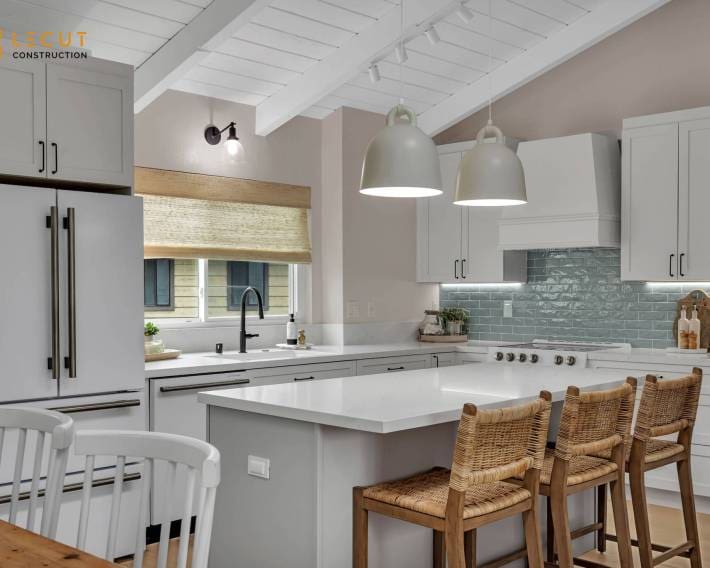
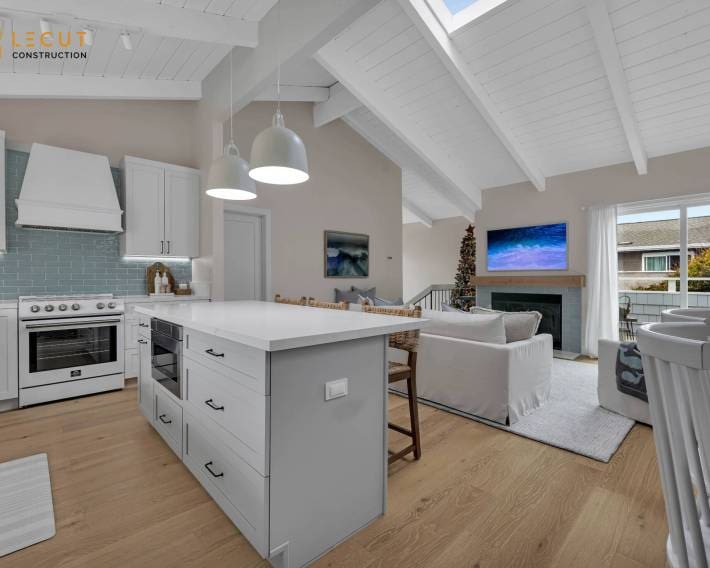
Having an ADU addition compatible with the current home design is one way of preserving the flow and utility of the home. Entry points, systems shared as well as circulation paths are measured so as to make sure that the spaces operate separately and yet are related to each other. This is particularly needed in New Almaden houses where there is limited option of expansion.

lecut25

There is also climate consideration in the decisions of alignment. Insulation does improve as well as airflow to control heat conduct between old and new areas and moisture protection can achieve the performance during winter rain. The outcome is the attached ADU that blends with the main residence.

Our Client Testimonials

We Build Attached ADUs Designed for Comfort and Privacy

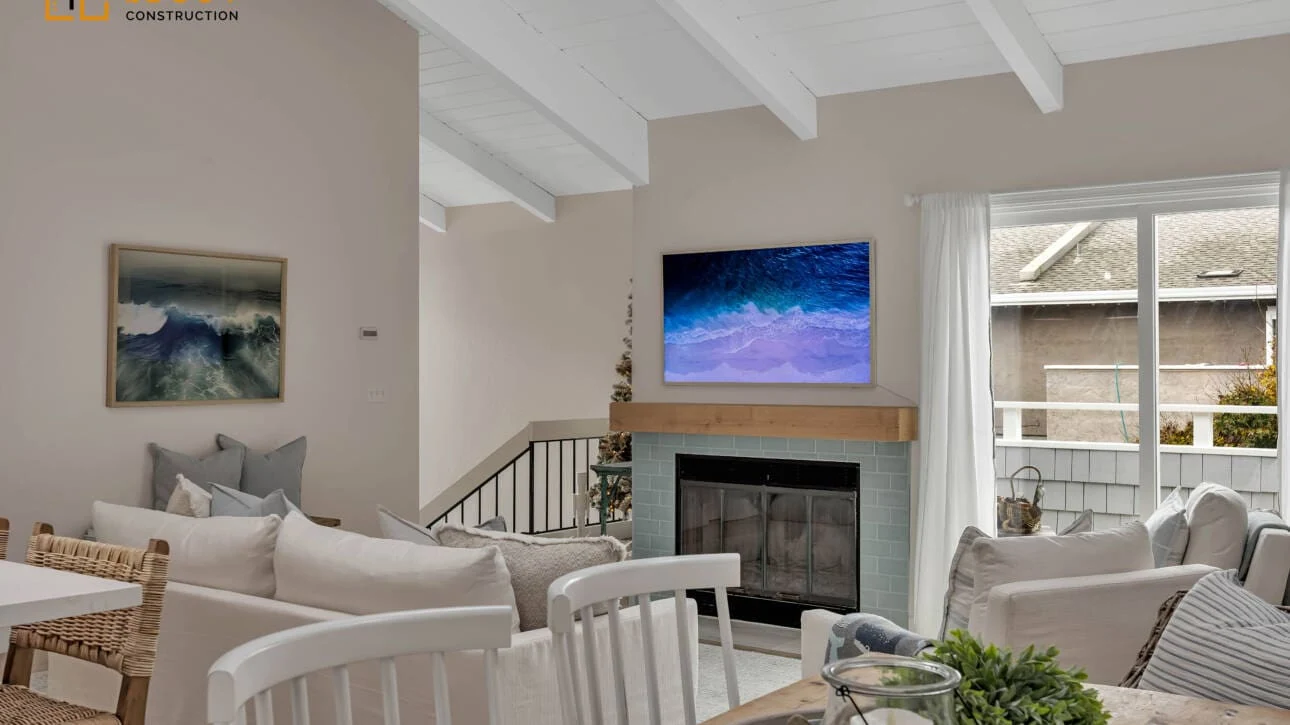
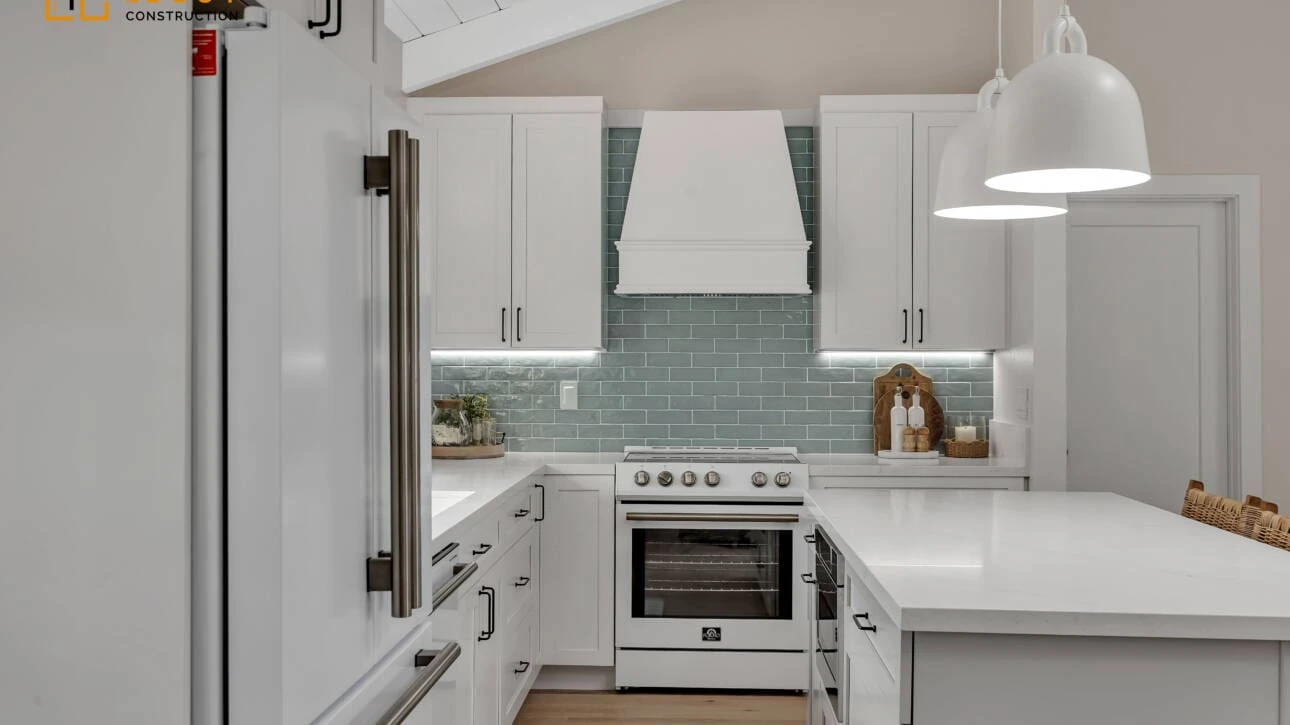
Successful attached ADU design is based on comfort and privacy. Planning choices are related to good control of sound, separation of the view and temperature stability to ensure that the space is convenient to use in everyday life. This is particularly relevant in mountainous and old quarters such as New Almaden.

lecut29

Priorities are also laid to long-term performance. The use of durable materials, reliable insulation and sensible designs contribute to the longevity of the ADU as a comfortable and structurally sound building. Each project is viewed as a long lasting solution of living.

Start Planning Your ADU

A planted ADU is most effective when a plan is laid down with a clear vision of what you require in your home in terms of layout, structure and privacy.
Contact to discuss your New Almaden house and see how a detached ADU can be planned to be comfortable, isolated and used over a long period.

Contact Us

We welcome your inquiries and project ideas. Whether you’re planning a remodel or just exploring options, our team is ready to provide clear answers and practical direction to get you started with confidence.
Please share your details with us, and we’ll get back to you promptly.

People Also Ask

California's 2025 ADU laws build upon recent reforms to further streamline accessory dwelling unit construction. Key provisions typically include reduced permit processing times, increased flexibility in design standards, and limitations on local fees. The laws continue to prohibit excessive requirements from cities and counties, such as owner-occupancy mandates for certain units. They also expand opportunities for converting existing structures like garages and storage spaces into ADUs. The overarching goal is to address the state's housing shortage by making it easier and more cost-effective for homeowners to add these units. Property owners should always consult their local planning department for specific zoning interpretations and the most current state statutes, as details can evolve.

One drawback of an Accessory Dwelling Unit (ADU) is the significant upfront cost and potential financing challenges. Constructing a new ADU involves expenses for design, permits, materials, and labor, which can be prohibitive for many homeowners. Securing a construction loan or leveraging home equity can be complex. Additionally, while an ADU can increase property value, the return on investment is not always immediate, and the rental income may take years to offset the initial outlay. Homeowners must also consider ongoing costs for maintenance, utilities, and potential property tax reassessment, which can impact long-term financial planning.

The cost comparison between adding on to your main house versus constructing a standalone Accessory Dwelling Unit (ADU) is complex and highly site-specific. Generally, building an ADU can be more cost-effective per square foot than a major home addition, as it often involves simpler systems and avoids extensive integration with existing home infrastructure. However, an addition may share walls, foundations, and utilities, potentially reducing some costs. Key factors include local permit fees, utility connection costs, site accessibility, and the condition of your existing home. A professional assessment is crucial, as zoning laws and soil conditions can dramatically sway the budget in either direction.

Building an accessory dwelling unit (ADU) involves navigating complex regulations, which is where common mistakes occur. A major error is failing to secure proper permits or ignoring local zoning codes for setbacks, height, and size, which can lead to costly fines or demolition orders. Underestimating the budget is another frequent pitfall; homeowners often overlook expenses for utility connections, site work, and finishing materials. Choosing cheap, non-compliant materials or a design that doesn't complement the main house can hurt long-term value. Finally, not hiring experienced professionals—like architects and contractors familiar with ADU specifics—often results in construction delays, code violations, and subpar workmanship that compromise the unit's safety and functionality.


Angi
Google
Yelp

Overall Rating

5.0
★★★★★

136 reviews