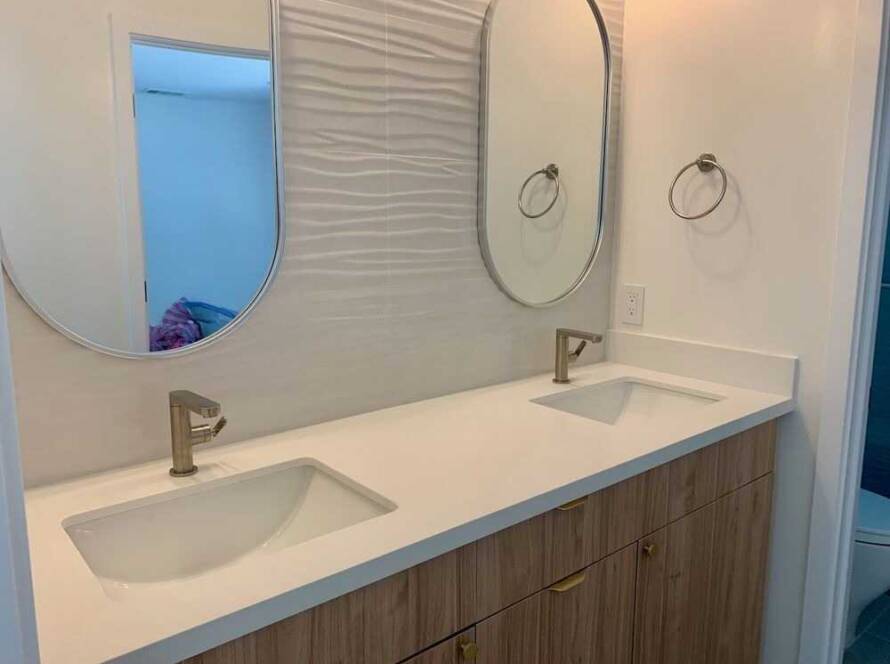

Every family deserves a home that feels both welcoming and practical. Comfort does not have to come with an overwhelming price tag, and affordability does not mean giving up quality. The secret lies in smart design, thoughtful planning, and making choices that serve both style and daily needs.
The Role of Comfort in Family Life
Comfort is more than soft furniture or warm lighting. It is about how your home supports the way your family lives each day. From a cozy living room where everyone gathers to a functional kitchen that makes cooking enjoyable, true comfort is built into the rhythm of daily life.
Affordable Design Choices
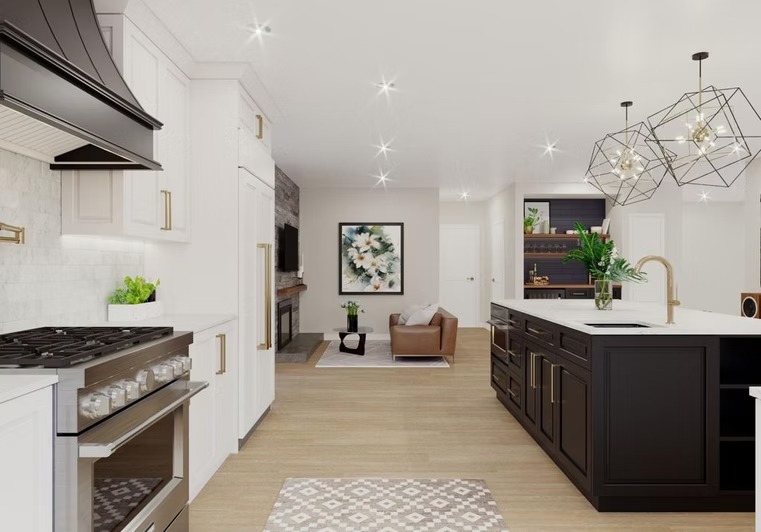
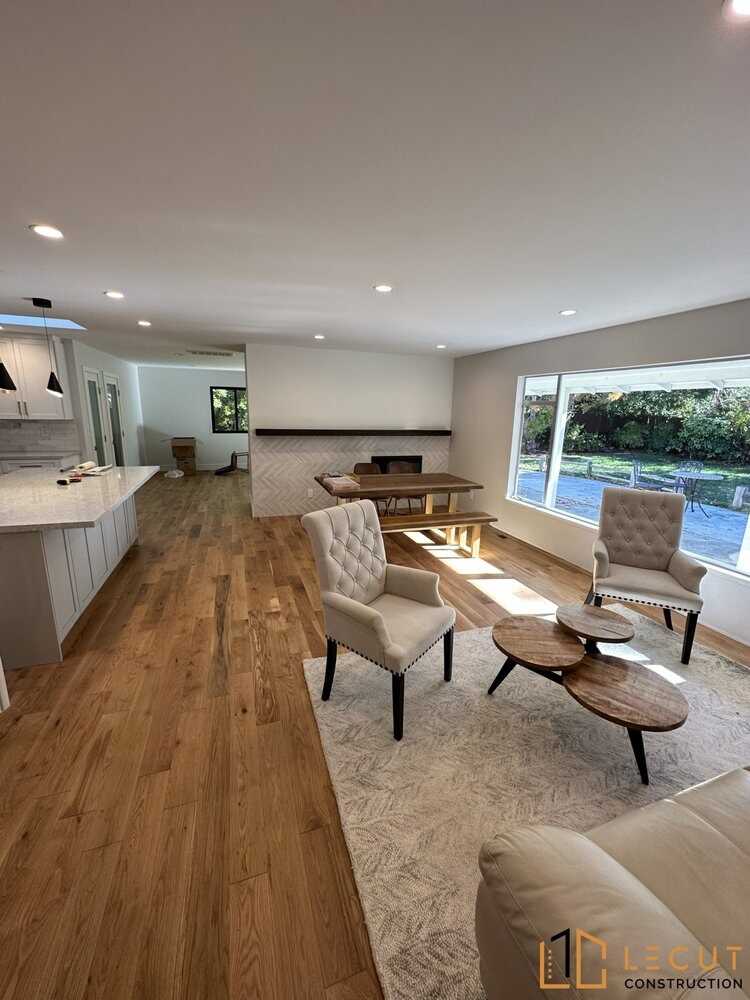
Affordability begins with choosing the right priorities. Durable materials that are easy to maintain, energy efficient systems that save money in the long run, and flexible furniture that grows with your family are all examples of smart investments. By balancing cost and value, you can create a space that looks beautiful and lasts.
Balancing Style and Budget
A comfortable home should reflect your taste without straining your finances. Neutral colors, layered textures, and well placed lighting can create a sophisticated atmosphere without the need for luxury finishes. Small touches—such as plants, family photos, or handmade décor—bring character and warmth at little cost.
Curabitur varius eros et lacus rutrum consequat. Mauris sollicitudin enim condimentum, luctus justo non, molestie nisl.
Making It Family Friendly
A house that serves a family well should adapt to every stage of life. Storage solutions that keep clutter hidden, open spaces where children can play, and quiet corners for rest or study all contribute to affordable comfort. The key is flexibility—designing spaces that change as your family does.
Conclusion
Affordable comfort is not about spending less but about spending wisely. By focusing on what truly matters—comfort, usability, and personal expression—you can create a family home that feels safe, welcoming, and beautiful without overspending.
Related Articles
People Also Ask
The $5,000 rule for HVAC is a guideline used by contractors to determine when a system replacement is more cost-effective than a repair. Generally, if the cost to repair an HVAC unit exceeds 50% of the value of a new system, and the repair is over $5,000, it is often recommended to replace the unit entirely. This rule helps homeowners avoid repeated, high-cost repairs on aging equipment. At Lecut Construction, we advise clients in San Jose and Santa Clara to consider this threshold carefully, as investing in a new, energy-efficient system can provide better long-term savings and reliability compared to ongoing patchwork fixes.
The 3 minute rule for air conditioners is a safety guideline to prevent compressor damage. After your AC unit shuts off, you must wait at least three minutes before turning it back on. This delay allows the refrigerant pressures inside the compressor to equalize. If you restart too quickly, the compressor may try to start against high pressure, which can cause mechanical failure or trip the circuit breaker. Modern thermostats often have built-in timers to enforce this rule automatically. For older systems, manual adherence is critical. At Lecut Construction, we always emphasize this rule during maintenance checks to extend equipment lifespan and avoid costly repairs.
If you cannot afford a new HVAC system, the first step is to schedule a professional inspection to determine if a repair is a viable short-term solution. Often, a simple fix like cleaning coils or replacing a capacitor can extend your system's life. You can also explore financing options offered by many contractors, which allow you to pay in installments. Additionally, check for local rebates or tax credits for energy-efficient upgrades. For residents in San Jose, Santa Clara, or Sunnyvale, CA, Lecut Construction recommends looking into utility company programs that may offer discounts or low-interest loans. Finally, consider a partial replacement, such as only changing the outdoor unit, though this must be done carefully to ensure system compatibility.
For homeowners seeking the lowest cost option for residential air conditioning, a window unit or portable AC is typically the most affordable upfront choice. However, these units often have higher operating costs and shorter lifespans. A central air system or ductless mini-split, while more expensive initially, provides better efficiency and lower monthly bills over time. At Lecut Construction, we recommend evaluating total cost of ownership rather than just the purchase price. A well-installed mini-split can offer a strong balance of low installation cost and energy savings, especially for cooling a single room or small home. Always consider your home's existing ductwork and insulation to find the most cost-effective solution for your specific needs.