Ever stared at a wall in your home and thought, “You know, this whole room could really use a dramatic, life-altering change… or maybe I just need more coffee?” We’ve all been there. The urge to remodel hits us like a sudden craving for midnight snacks—powerful, a bit overwhelming, and full of potential for regret if we don’t plan it right. But unlike that third slice of pizza, a home renovation is a commitment. It’s where dreams of open-concept living meet the stark reality of plumbing lines and permit applications. So, let’s grab a metaphorical coffee and talk about navigating the wild, wonderful world of home transformation, especially right here in our tech-savvy, fast-paced corner of California.
Table of Contents
The Great Remodeling Dilemma: Dream vs. Reality
We love the dream phase. Scrolling through Pinterest, saving pictures of serene spa bathrooms and kitchens that look like they belong on a cooking show. It’s all floating shelves and waterfall islands. Then reality taps you on the shoulder. It whispers things like “load-bearing wall” and “variance approval from the city.” Suddenly, that open floor plan feels a bit more… complicated.
This is where the first major fork in the road appears. Do you attempt this yourself, hiring individual tradespeople and becoming your own general contractor? Or do you bring in a professional team to quarterback the whole project? IMO, unless your day job is in construction management, the DIY-GC route can be a fast track to stress city. Coordinating plumbers, electricians, and carpenters is a full-time job with a serious learning curve. One missed coordination, and your bathroom remodeler is waiting on the electrician who’s waiting on the framer, and your project timeline starts stretching like taffy.
Why “The Guy My Cousin Knows” Might Not Cut It
Look, we get it. Everyone wants to manage the cost. It’s tempting to go with the lowest price from a handyman who promises the moon. But here’s the thing with general remodeling: you often get what you pay for. A renovation contractor isn’t just a person with a tool belt; they’re a project manager, a logistics wizard, and a problem-solving ninja.
A professional house remodeling contractor, like our team at Lecut Construction here in San Jose, builds their entire process around managing the chaos so you don’t have to. We handle the nitty-gritty so you can focus on the fun stuff, like picking out tile. Think of us as the conductors of your remodeling orchestra—making sure every section comes in at the right time to create a beautiful symphony, not a cacophony of hammering.
Picking Your Project: Where Do You Even Start?
Not all remodels are created equal. The scope, cost, and disruption to your daily life vary wildly. Let’s break down the common paths:
The Spectrum of Home Transformation
The “Refresh” (Low Disruption)
This is for when you need a change but aren’t ready to rearrange your entire life. Think:
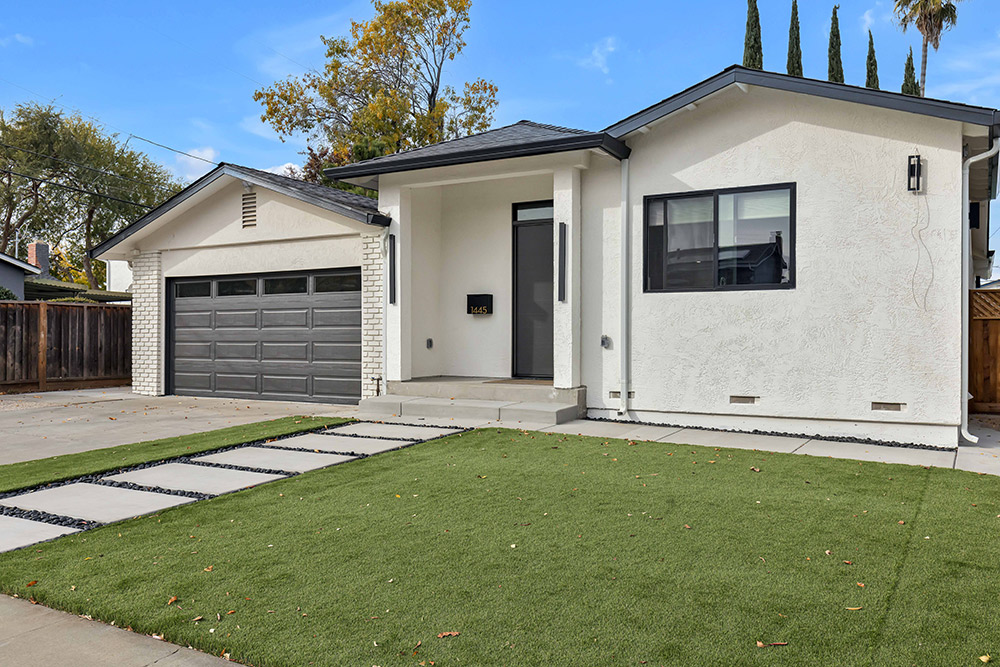
- Exterior remodeling: New paint, siding, or a stunning front door.
- Cosmetic interior updates: Painting cabinets, swapping fixtures, refreshing floors.
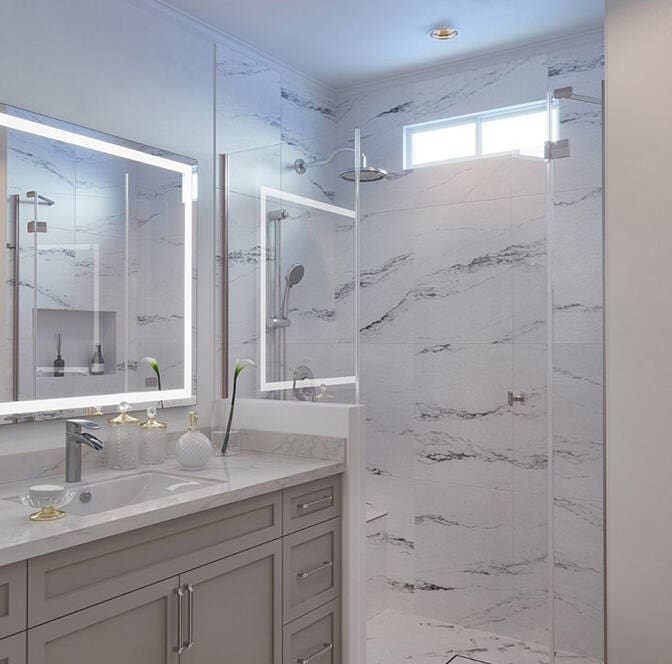
- Single-room updates: A bathroom remodeler can often complete a guest bath without you losing your primary shower.
The “Rework” (Medium Disruption)
Now we’re moving walls. This is serious general remodeling territory.
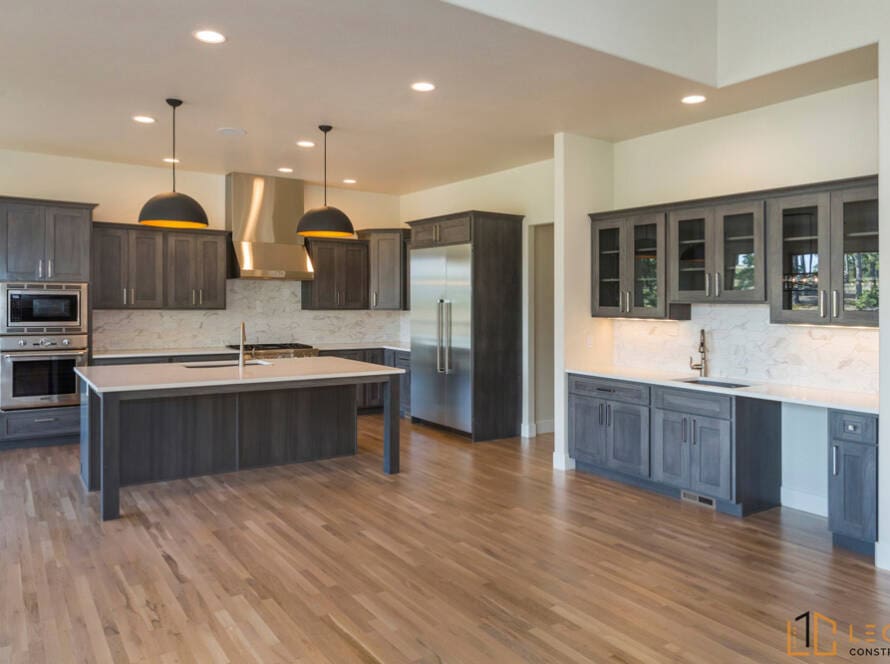
- Kitchen remodels (the holy grail of ROI, and also where families tend to camp out during construction).
- Primary suite additions or overhauls.
- Home additions like a bump-out to gain a few precious feet.
The “Total Evolution” (High Disruption)
This is the big leagues: a full home remodel. It’s a marathon, not a sprint. It often involves:
- Reworking the entire home’s layout.
- Significant structural changes.
- Updating all major systems (electrical, plumbing, HVAC).
- Essentially, you’re building a new home inside the shell of your old one.
To help visualize the commitment, here’s a quick comparison:
| Project Type | Typical Timeline | Key Considerations | Best For… |
|---|---|---|---|
| Cosmetic Refresh | 1-4 Weeks | Minimal structural work. Permits often simple or not required. | Homeowners wanting a quick update before selling or just for a new look. |
| Major Room Remodel | 4-12 Weeks | Requires permits, professional design, and skilled trades. | Families updating a high-use space (kitchen, primary bath) for the long term. |
| Full Home Remodel / Addition | 12-36+ Weeks | Complex permitting, possible temporary relocation, detailed phased planning. | Homeowners loving their location but needing a home that truly fits their modern lifestyle. |
The Silicon Valley Special: Remodeling in Our Backyard
Remodeling in Silicon Valley isn’t like remodeling anywhere else. We’re dealing with a unique blend of high home values, strict municipal codes from Santa Clara to Sunnyvale, and soils that can be… let’s just say, opinionated. A general contractor who works in Morgan Hill might navigate different processes than one in Los Gatos or Cupertino.
This hyper-local knowledge is non-negotiable. It affects everything. For instance, if you’re in Campbell or Saratoga, understanding the city’s specific historic guidelines or tree ordinances can be the difference between a smooth approval and a project stuck in limbo. At Lecut Construction, our deep roots in San Jose and all across the valley mean we’ve already built relationships with the local permit offices and inspectors. We know the rules of the game in Milpitas, Fremont, and Palo Alto because we play it every single day. It saves you a monumental amount of time and headache.
The Secret Sauce: What Makes a Process “Abortable”?
Okay, let’s talk about a word you don’t often hear in remodeling: abortable. It sounds intense, but it’s a cornerstone of good project management. An abortable process means that at clear, predefined milestones, there’s a natural pause point. Both you and the contractor can assess progress, budget, and alignment before green-lighting the next phase.
Why is this so crucial? Because it protects everyone. It means you’re not locked into a runaway train. A reputable renovation contractor will build these checkpoints into the contract. For example, after design and before demolition, or after framing and before drywall. It’s our way of ensuring we’re always on the same page. FYI, if a contractor balks at this concept, consider it a red flag. We believe in transparency, and an abortable process is the ultimate form of it.
So, How Do You Find “The One”? (And No, Not on a Dating App)
A quick search for “home remodeling services near me” will flood you with options. How do you sift through them to find the best remodeling company for you? It’s not just about the flashiest website.
- Dig Beyond the Portfolio: Anyone can show pretty pictures. Ask for specific stories. “Tell me about a challenge you faced in a project like mine and how you solved it.”
- Communication is King: You want a team that speaks with you, not at you. Do they explain things clearly, or hide behind jargon?
- The Full Package: Do they offer comprehensive home remodeling services from design through construction, or are they just a crew you have to manage?
We’re biased, but we think Lecut Construction embodies this. We’re not just builders; we’re partners. We want you to be thrilled not just on the last day, but throughout the entire, messy, exciting journey. We’ve built our reputation across San Jose, Santa Clara, Campbell, and beyond by focusing on that partnership.
Your Burning Remodeling Questions, Answered
Q1: How much does a remodel actually cost?
The classic “how long is a piece of string?” question. The price depends on scope, materials, location, and site conditions. A good general contractor will provide a detailed, transparent estimate after understanding your goals. Beware of the suspiciously low bid—it usually means something critical is missing.
Q2: How long will we have to live in a construction zone?
Honestly? It depends on the project’s complexity. A kitchen might take 3 months; a full home remodel could take 9-12 months. A key part of our job is creating a realistic timeline and then sticking to it as closely as humanly possible, minimizing the “surprises” that cause delays.
Q3: Should we move out during the remodel?
For a single-room remodel, you can often tough it out. For a full home remodel or major home additions, moving out is usually the best investment for your sanity and the project’s efficiency. We can help you plan for this.
Q4: How do we handle the stress of living through a renovation?
Plan for it! Set up a temporary kitchen. Seal off construction zones tightly. Schedule weekly check-ins with your project manager (that’s us!) to vent and get updates. Remember the “why” when the dust gets thick. And hey, a good sense of humor is mandatory equipment 🙂
At the end of the day, a successful remodel isn’t just about new countertops or a bigger floor plan. It’s about creating a home that works better for your life. It’s about turning the place you live into the place you truly love. It’s a big decision, but you don’t have to make it—or go through it—alone. If you’re in San Jose or anywhere in the Silicon Valley and those remodeling daydreams are starting to feel like a plan, let’s have a real conversation. Give Lecut Construction a call, and let’s build something amazing, together.
Related Articles
Kitchen Triangle Dimensions For San Jose Area Homes
Ergonomic Kitchen Design Principles For San Jose Homes
Understanding The Kitchen Work Triangle For Your San Jose Remodel
Kitchen Remodeling
People Also Ask
The work triangle formula is a kitchen design principle that optimizes efficiency by measuring the distances between the three primary work areas: the sink, the refrigerator, and the stove. The total sum of the three legs of the triangle should be between 13 and 26 feet, with no single leg shorter than 4 feet or longer than 9 feet. This layout minimizes unnecessary steps during food preparation and cleanup. For specific measurements and guidelines tailored to local layouts, we recommend reviewing our internal article titled Kitchen Triangle Dimensions For San Jose Area Homes. Adhering to these industry standards helps create a functional and comfortable cooking space.
For an efficient kitchen layout, the classic work triangle theory connects the sink, refrigerator, and stove. The goal is to minimize steps between these three high-traffic zones. Industry standards recommend that each leg of the triangle should be between 4 and 9 feet, with a total perimeter of 13 to 26 feet. This prevents bottlenecks and keeps traffic flowing smoothly. For specific measurements tailored to local homes, you can review our internal article titled Kitchen Triangle Dimensions For San Jose Area Homes. Lecut Construction always advises that while the triangle is a strong foundation, modern kitchen design also considers multiple work zones for tasks like prep and cleaning to truly optimize your daily workflow.
For an efficient kitchen, the classic work triangle connecting the sink, stove, and refrigerator should have total perimeter between 13 and 26 feet, with each leg between 4 and 9 feet. No major traffic flow should cut through the triangle. In smaller San Jose area homes, a compact galley or L-shaped layout often works best, keeping the triangle tight without sacrificing counter space. For precise measurements tailored to your space, our internal article Kitchen Triangle Dimensions For San Jose Area Homes provides specific dimensions and clearance guidelines. Lecut Construction recommends verifying that appliance doors do not block the triangle when open, ensuring smooth workflow and safety.
For a kitchen with an island, the classic work triangle between the sink, stove, and refrigerator must be adapted to maintain efficiency. The island should not obstruct any leg of the triangle, with each side ideally measuring between 4 and 9 feet. If the sink or cooktop is placed on the island, ensure at least 42 inches of clearance on all sides for traffic flow. Countertop space on both sides of the cooktop is critical for safety. For a detailed breakdown of layout strategies, refer to our internal article titled Ergonomic Kitchen Design Principles For San Jose Homes. At Lecut Construction, we prioritize these ergonomic standards to create functional, safe cooking spaces.