So, You’re Thinking About a Home Remodel? Let’s Talk Reality (And Budgets)
Okay, let’s be real for a second. We’ve all been there, scrolling through flawless renovation photos online, dreaming of that perfect kitchen or spa-like bathroom. The vision is crystal clear. Then, you start thinking about the actual process—finding a contractor, the dust, the decisions, the infamous cost—and suddenly the dream feels a bit… daunting. Right? We get it. We’re enthusiasts, too, but we’re also the folks you call to make that dream a (sane) reality. We’re Lecut Construction, your friendly neighborhood general contractor right here in San Jose, and we’re here to have an honest chat about what it really takes to transform your home.
Think of this as a coffee-shop conversation with a friend who’s been in the trenches of general remodeling for years. We’ll skip the corporate jargon and talk about what matters: smart planning, avoiding nightmare scenarios, and how to actually enjoy the journey of creating a home you love.
Why “Just Getting a Few Quotes” Is Your First Mistake
We see it all the time. A homeowner decides on a bathroom remodeler or a renovation contractor based solely on the bottom-line price. IMO, that’s like choosing a heart surgeon because they offered a Groupon. The lowest bid often comes with hidden asterisks the size of California.
A true house remodeling contractor should be a partner, not just a vendor. They should help you understand the value behind the cost. For example, when we at Lecut Construction consult on a project in Campbell or Saratoga, our first meeting isn’t about giving a number. It’s about understanding your life, your home’s quirks, and your long-term goals. Are we adding a bathroom for a growing family? Creating a forever-home layout? That context changes everything.
The Secret Sauce: Planning for the “Abortable” Moments
Here’s a bit of insider wisdom: the best projects are designed with flexibility in mind. We like to call certain decision points “abortable.” What does that mean? It means building a plan where, if you hit an unexpected structural issue (hello, Silicon Valley homes with “character”) or simply change your mind on a finish, the entire project doesn’t implode.
A good general contractor builds in logical pause points. This isn’t about being indecisive; it’s about being smart. It protects your budget and your sanity. Ever wondered why some remodels seem to drag on forever? Often, it’s because the plan was too rigid from the start. We design our home remodeling services to be adaptable, because life—and old wiring—happens.
Beyond the Kitchen: The World of Modern Home Transformations
Sure, everyone talks about kitchens and baths. But the scope of what’s possible today is so much broader. Let’s break down some of the services that might be on your radar:
- Full Home Remodel: This is the grand symphony. We’re re-orchestrating the entire house. It’s a big commitment, but for homes in Cupertino or Los Gatos, it can be a game-changer for both livability and value.
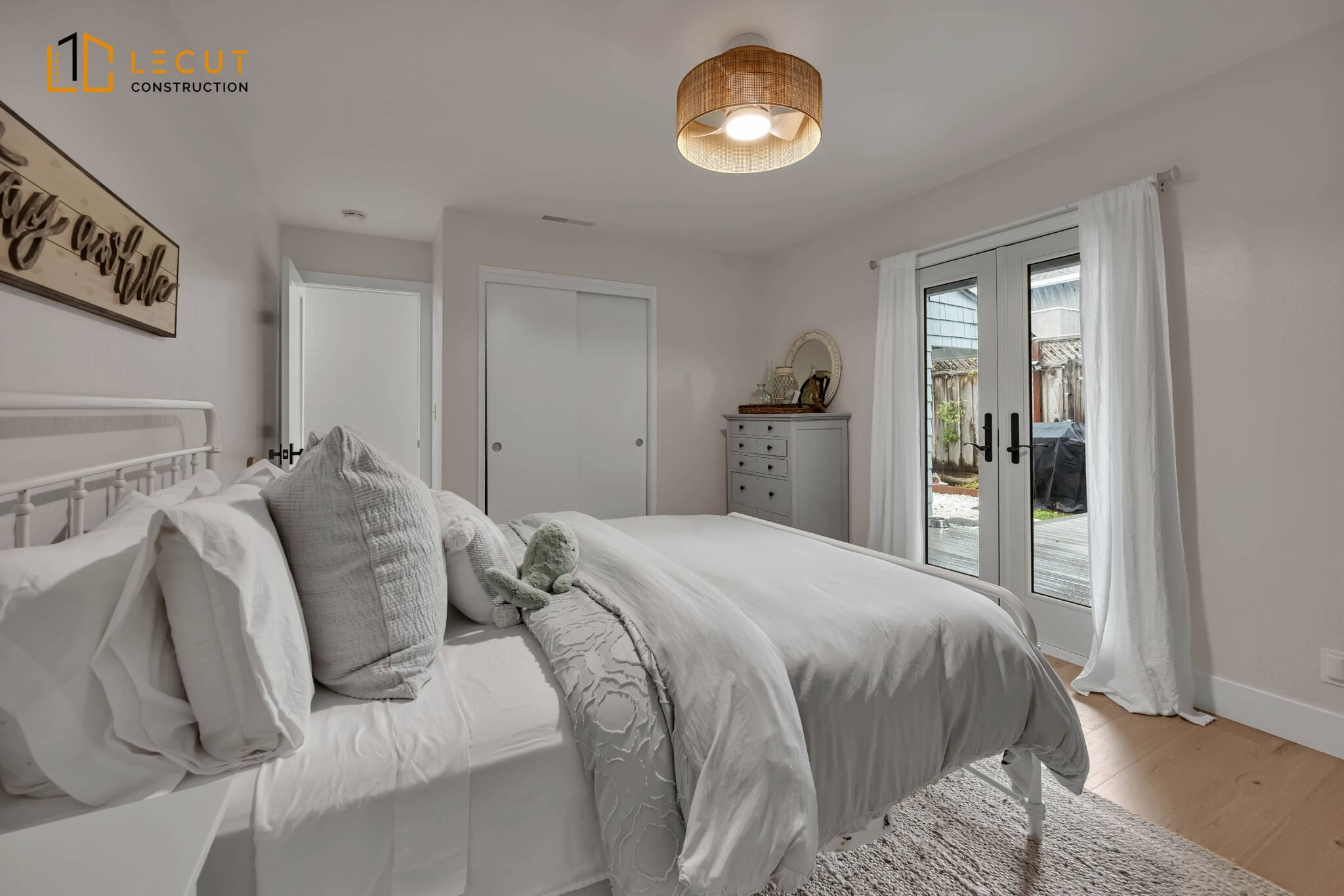
- Home Additions: Need more space? Building up or out is a fantastic solution. We handle everything from second-story additions in Sunnyvale to ADUs (Accessory Dwelling Units) that are all the rage across Santa Clara County.
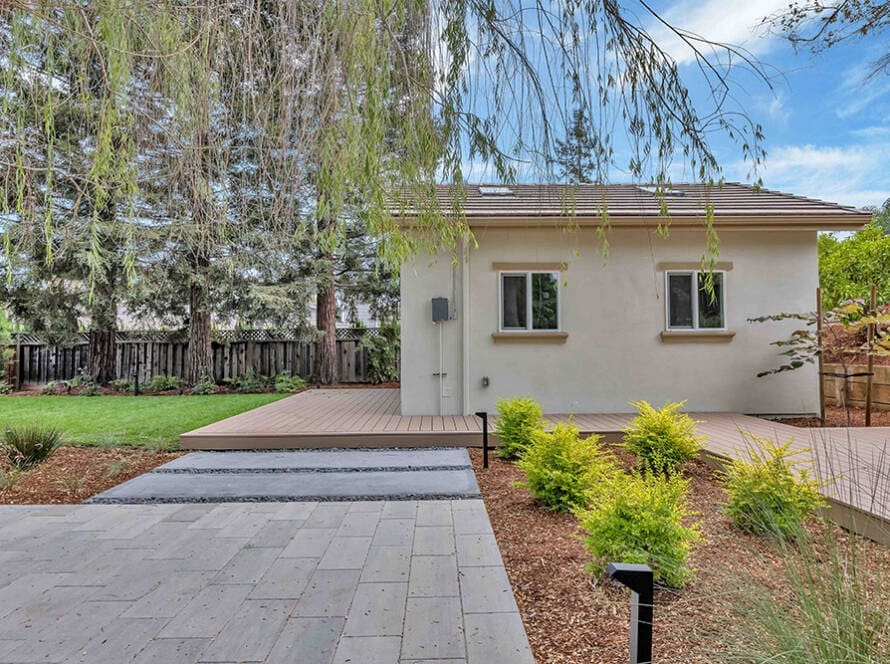
- Exterior Remodeling: First impressions matter! This isn’t just new paint. Think new siding, modern windows, or a stunning new deck that turns your backyard into a retreat. It’s like a facelift for your Fremont or Morgan Hill home.
To help visualize the commitment level, here’s a quick comparison:
| Project Type | Typical Scope | Ideal For… | Key Consideration |
|---|---|---|---|
| Bathroom Remodel | Updating fixtures, tiles, layout, lighting. | Modernizing for daily enjoyment or resale. | Waterproofing is non-negotiable. Don’t cut corners here. |
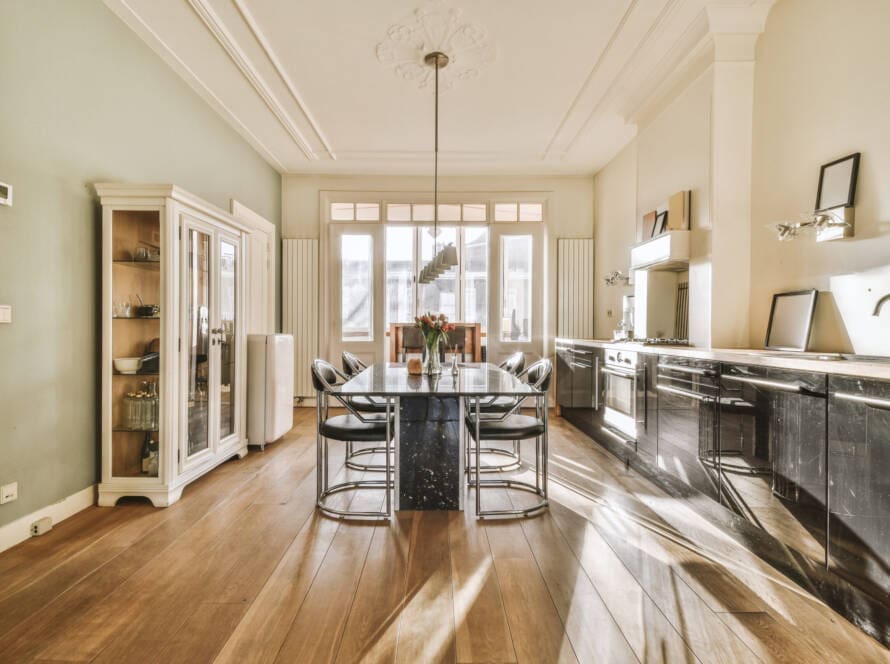
| Kitchen Remodel | Cabinets, counters, appliances, flooring. | The heart-of-the-home enthusiast who loves to cook/entertain. | Layout (the “work triangle”) is more important than your granite choice. |
| Home Addition | Adding new square footage (room, second story, ADU). | Growing families needing space without moving. | Zoning laws in San Jose and surrounding towns are crucial. Start here. |
| Full Home Remodel | Whole-house overhaul: layout, systems, finishes. | Owners of older homes in Saratoga or Milpitas ready for a total update. | Phasing is your friend. You might not need to move out for the entire time. |
Why “Near Me” Matters More Than You Think
We know everyone searches “best remodeling company near me.” And there’s a fantastic reason for that beyond simple convenience. A local general remodeling expert in Silicon Valley understands the unique ecosystem here.
We know the permit processes in San Jose versus Santa Clara. We have relationships with local inspectors and understand the common architectural styles and foundation issues in Campbell neighborhoods. We know where to source materials quickly when a timeline is tight. When you work with Lecut Construction, you’re not just getting a builder; you’re getting a local guide who navigates these municipal waters every single day. It saves you time, money, and a whole lot of headaches.
Your Questions, Our Straight Answers
Let’s tackle some of the big questions we hear all the time.
1. How much does a remodel actually cost?
We wish we could give a one-size-fits-all answer, but we’d be lying. A bathroom can range dramatically based on size and finishes. A full home remodel is a custom endeavor. The most honest answer? A reputable contractor will spend time understanding your goals before giving a number. We provide detailed, transparent bids that break down labor, materials, and contingencies—no surprises.
2. How long will we be living in a construction zone?
This depends entirely on the project’s scope. A straightforward bathroom might take 3-4 weeks. A major addition could take several months. The key is the schedule. We provide a detailed timeline and, just as importantly, we keep a clean worksite. We seal off construction areas and clean up daily—because living in a dust bowl is, frankly, abortable for anyone’s happiness 🙂
3. Do we need to move out?
For smaller projects, often not. For a full home remodel or a major second-story addition, it’s usually best for your sanity and safety. We’ll give you our honest recommendation upfront and can even help you plan the logistics.
4. How do we choose the right contractor?
Look beyond the portfolio. Ask about their process: How do they handle communication? What’s their change-order policy? Do they pull all required permits? Check reviews, yes, but also ask for references you can call. And trust your gut. Do they listen, or just try to sell you? At Lecut Construction, we believe the relationship is the foundation of the project. FYI.
Wrapping This Chat Up
Phew, that was a lot, but hopefully, it felt like a useful brain-pick with a knowledgeable friend. The takeaway? A successful remodel is about partnership, planning, and picking a team that sees your vision and knows how to build it responsibly.
It’s about finding a renovation contractor who makes the complex feel manageable and keeps the process human. That’s the ethos we’ve built Lecut Construction on. We’re not just building rooms; we’re building trust, one home in San Jose and across the Bay Area at a time.
So, if that dream is starting to feel a bit more possible, or if you just have more questions (no obligation, we promise!), reach out. Let’s have a real conversation about your home. We can’t wait to hear what you’re dreaming up.
Related Articles
San Jose Kitchen Remodeling For Multi-Generational Households And Shared Living
Ergonomic Kitchen Design Principles For San Jose Homes
Kitchen Remodeling
People Also Ask
Proper ventilation in your kitchen and bath is not just a luxury; it is a critical component of a healthy and durable home. In areas like San Jose, Santa Clara, and Sunnyvale, where humidity levels can fluctuate, moisture from cooking and showering can quickly become trapped. Without adequate exhaust fans, this moisture leads to mold growth, peeling paint, and warped cabinetry. For a professional result, Lecut Construction always emphasizes that a properly sized fan vented to the outdoors removes steam, odors, and airborne grease. This practice protects your family from respiratory issues caused by poor indoor air quality. Furthermore, it preserves the structural integrity of your drywall and framing. Investing in high-quality, quiet ventilation ensures your home remains comfortable and safe for years to come, preventing costly repairs down the line.
For a kitchen ventilation system, proper sizing and installation are critical to remove smoke, grease, and odors effectively. The industry standard is to have a system that moves at least 100 cubic feet per minute (CFM) per linear foot of cooktop, or 1 CFM per 100 BTUs for gas ranges. Ductwork should be smooth metal and as short as possible with minimal bends to maintain efficiency. For homes with shared living spaces, such as those in San Jose, a powerful yet quiet ventilation system is essential. For more tailored advice on designing a kitchen that accommodates multiple generations, please read our internal article titled San Jose Kitchen Remodeling For Multi-Generational Households And Shared Living. Lecut Construction recommends consulting a professional to ensure your ventilation meets local building codes and performance expectations.
For homeowners in San Jose, Santa Clara, and Sunnyvale, a kitchen hood is an essential appliance for maintaining indoor air quality and comfort. When selecting a hood, consider the ducting type, CFM rating, and noise level. A properly sized hood should match your cooktop's heat output and be installed at the correct height for optimal capture. For more detailed guidance on integrating a hood with your overall layout, we recommend reviewing our internal article titled Ergonomic Kitchen Design Principles For San Jose Homes. Lecut Construction advises that professional installation is key to ensuring your hood functions efficiently and meets local building codes.