

ivory711 July 19
My Husband and i absolutely thrilled with my newly remodeled kitchen by LECUT CoNSTRCTION / Yari, I had a very specific vision for a clean, minimalist, all-white kitchen centered around a beautiful island, and they brought it to life perfectly. The team was professional, communicative, and truly respected, specially Yari and Louis, my home throughout the entire process. The quality of the finishings and the attention to detail exceeded my expectations. If you are looking for a team that can execute a flawless design, I highly recommend them!"

"I am absolutely thrilled with my newly remodeled kitchen by LECUT CoNSTRCTION / Yari, I had a very specific vision for a clean, minimalist, all-white kitchen centered around a beautiful island, and they brought it to life perfectly. The team was professional, communicative, and truly respected, specially Yari and Louis, my home throughout the entire process. The quality of the finishings and the attention to detail exceeded my expectations. If you are looking for a team that can execute a flawless design, I highly recommend them!"


Kelvin Munic July 13
These guys handled my bathroom in a very special way. They did an overall renovation on my bathroom and it looks great now. I would highly recommend them again and again.
W
William G. July 2
The best ability is availability. I originally chose LeCut after interviewing with a few local Referred construction people. My decision was based on, simply looking at the yelp and Google reviews first. Then, Yari, who became our consultant, showed up and spent some time discussing the project with me. We set realistic goals for a timeline. He shared some ideas that the other construction team members did not share. I didn't feel like I was surprised during any point in the process. One of the things that Yari did really well is maintain communication and pretty much a daily basis. There was times when he was proactive, but there was times when he was responsive to my calls. Doing a big construction project has a lot of small intricacies. I felt like the communication was pretty fluid throughout. This was even when Yari was on a family vacation up in Yellowstone. He was proactively communicating with me. Edgar was our foreman and he did an excellent job of showing up every day and working on rhythm. I don't think he took a day off. Overall, I would say very professional between my two point people. The owner of the company, Michael showed up and did a friendly check in when Yari was on vacation. Overall, we are happy with our new kitchen and living room floors. Thank you guys! Keep up the great work...

Mike Gwoods June 19
⭐⭐⭐⭐⭐<br><br>LeCut Construction did an amazing job remodeling my bathroom! From the initial consultation to the final walkthrough, the entire team was professional, courteous, and attentive to every detail. They transformed my outdated bathroom into a beautiful, modern space that exceeded my expectations.<br><br>The workmanship was outstanding, the project stayed on schedule, and they kept everything clean throughout the process. Communication was excellent, and they made sure I was completely satisfied with every aspect of the remodel. I couldn't be happier with the results and have already received so many compliments from family and friends.<br><br>I highly recommend LeCut Construction to anyone looking for quality craftsmanship and exceptional customer service. Thank you for making my dream bathroom a reality!
Mike Gwoods June 19
⭐⭐⭐⭐⭐
LeCut Construction did an amazing job remodeling my bathroom! From the initial consultation to the final walkthrough, the entire team was professional, courteous, and attentive to every detail. They transformed my outdated bathroom into a beautiful, modern space that exceeded my expectations.
The workmanship was outstanding, the project stayed on schedule, and they kept everything clean throughout the process. Communication was excellent, and they made sure I was completely satisfied with every aspect of the remodel. I couldn't be happier with the results and have already received so many compliments from family and friends.
I highly recommend LeCut Construction to anyone looking for quality craftsmanship and exceptional customer service. Thank you for making my dream bathroom a reality!
S
SaraGrace And Jason V. June 15
Great job from the team. They took their time to get the job done right. We love our remodel. We remodeled the kitchen, living room, dining room and one bathroom.
Thank you Yari and Luis!

Singh Khaira June 12
LeCut Construction updated multiple rooms in our home and delivered consistent quality throughout. Every detail was handled carefully and professionally. The communication stayed strong from beginning to end. The finished work exceeded our expectations.

Kelly Waren June 10
The crew was respectful and worked efficiently. They paid attention to every finishing detail. The kitchen looks modern

Hans Ferrer June 9
We completed a home addition with LeCut and the experience was smooth from start to finish. The new space blends perfectly with the original structure. The crew worked efficiently and maintained a clean site. Communication was consistent and clear throughout. The workmanship is solid and detailed. The addition looks like it was always part of the home. We are very satisfied.

People Also Ask
The cost of a second story addition varies widely based on your home's structure, foundation, and local building codes. In the San Jose, Santa Clara, and Sunnyvale area, homeowners typically see prices ranging from $200 to $400 per square foot. This estimate includes structural reinforcement, engineering, permits, and finishes. For a comprehensive breakdown of expenses and planning steps, we recommend reading our internal article titled Second Story Additions. Lecut Construction advises getting a professional structural assessment first, as older foundations may require significant upgrades. Always budget for unexpected issues like plumbing rerouting or seismic retrofitting, which are common in our region.
The 30% rule is a financial guideline suggesting that homeowners should not spend more than 30% of their home's current market value on a single renovation project. This principle helps ensure that your investment does not exceed the potential return, which is especially important in markets like San Jose, Santa Clara, or Sunnyvale. For a comprehensive approach to planning your project, we recommend reading our internal article titled 'The Ultimate Pre-Remodeling Checklist For San Jose Homeowners' at The Ultimate Pre-Remodeling Checklist For San Jose Homeowners. Lecut Construction advises clients to consider this rule carefully, as it helps maintain property value and prevents over-improvement for the neighborhood.
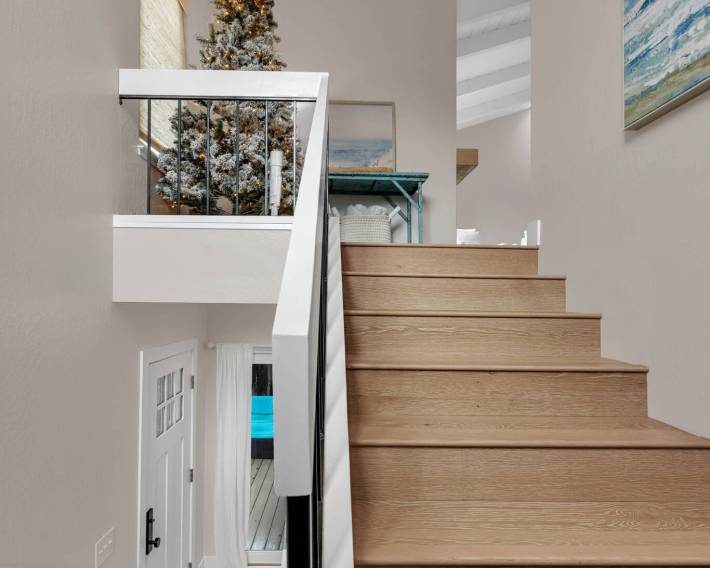
For homeowners in San Jose, Santa Clara, or Sunnyvale, adding a second floor is typically more expensive than a single-story build-out. A vertical addition requires significant structural reinforcement, new foundation work, and complex framing, often costing 20-30% more per square foot than expanding outward. However, a build-out may be limited by your lot size and setback requirements. If you have ample yard space, a ground-floor addition is usually the budget-friendly choice. For a more creative approach to maximizing space, we recommend reviewing our internal article titled Statement Staircase Remodel Ideas, which explores efficient layout strategies. Lecut Construction always advises clients to compare permit costs and structural engineering fees for both options before deciding.
Adding a second story to an existing house is a complex structural project that requires careful engineering and planning. The difficulty depends heavily on your home's foundation, existing framing, and local building codes. You must ensure the foundation can support the extra load, which often requires reinforcement. This is not a simple renovation; it involves major demolition, new structural supports, and full integration of new systems. For a detailed guide on this process, please refer to our internal article Second Story Additions. At Lecut Construction, we emphasize that professional assessment is critical to avoid compromising your home's integrity and safety.