

We needed a ground-floor room addition in Almaden Valley for my aging mother. Lecut gave us a clear, itemized quote upfront with no surprise fees. The project manager kept us informed every morning, and the new space passed city inspection on the very first try.


With kids growing up, we desperately needed a playroom, so we booked Lecut for a garage conversion in Willow Glen. They started three days after our initial call, kept to the exact quote without hidden costs, and wrapped up early.

Lecut replaced our worn hardwoods in Los Gatos in two days for the exact upfront price quoted.

Building a detached ADU in Cupertino was seamless with Lecut handling all permits and construction. Their strict schedule meant I had a tenant paying rent two weeks earlier than projected.

Booking our kitchen remodeling consultation online took under two minutes. The crew showed up at 8 AM sharp in Sunnyvale, stuck to the itemized estimate down to the penny, and finished the installation ahead of deadline.


Adding a second story addition to our Santa Clara home felt risky until we signed with Lecut. They locked in our contract price before breaking ground, eliminating cost overruns. Their crew worked efficiently, completing structural framing ahead of schedule while keeping the job site spotless.

Our rotting porch in Palo Alto was unsafe, but Lecut completed a new composite deck building job in four days flat.
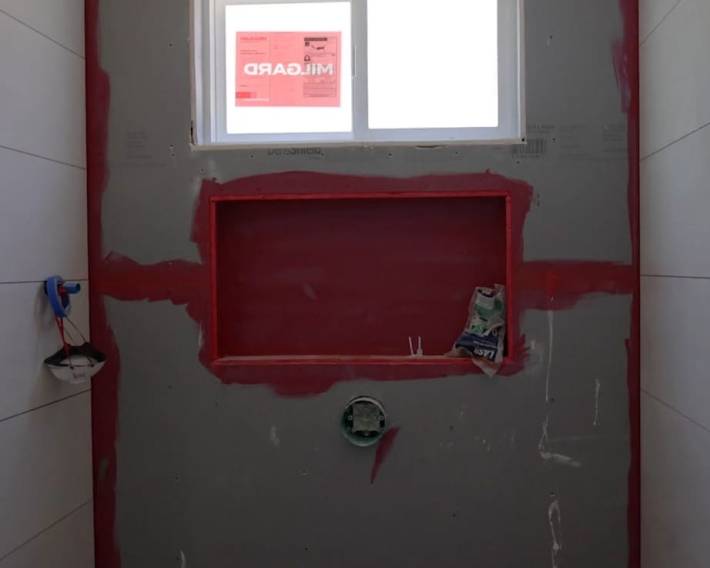
We had a great experience working with Lecut and Yari on our bathroom remodel. Yari was very responsive and easy to communicate with throughout the entire project, and Lecut did a great job with the installation and finishing work.
They were professional, reliable, and always willing to come back and take care of small details when needed. We're very happy with how everything turned out and really appreciate their hard work and attention to detail.

People Also Ask
For a whole house rewiring, electricians typically charge between $2,000 and $15,000, with the average cost landing around $8,000 to $10,000 for a standard 2,000-square-foot home. The wide range depends on factors like the number of rooms, the complexity of the electrical panel upgrade, and local labor rates. Many professionals charge by the hour, often between $50 and $100 per hour, but a full house project is usually quoted as a flat fee. For homeowners in San Jose, Santa Clara, and Sunnyvale, understanding these costs is crucial. For a detailed breakdown of local regulations and budgeting tips, we recommend reviewing our internal article titled 'San Jose Home Improvement Guide: Navigate Permits, Preservation Rules, and Renovation Costs Like a Pro' at San Jose Home Improvement Guide: Navigate Permits, Preservation Rules, and Renovation Costs Like a Pro. Always get multiple quotes and verify that your electrician pulls the necessary permits.
Most electricians charge between $50 and $100 per hour for standard residential work, though rates can vary based on location, job complexity, and the electrician's experience level. For example, in the San Jose, Santa Clara, and Sunnyvale area, you might see rates on the higher end of this range due to local cost of living. A licensed master electrician typically commands a premium over an apprentice. For smaller tasks like outlet repairs, a minimum service call fee often applies, which covers the first hour. When planning a project, it is wise to request a detailed estimate that includes both labor and materials. If you are coordinating electrical work alongside a larger renovation, a general contractor like Lecut Construction can help you manage these costs and schedules effectively.
The four main types of electricians are residential, commercial, industrial, and low voltage. Residential electricians focus on wiring, installation, and repair in homes. Commercial electricians work on larger systems in offices, retail spaces, and schools. Industrial electricians handle high-voltage equipment in factories and plants. Low voltage electricians specialize in systems like security alarms, data cables, and lighting controls. For any complex commercial or industrial electrical project, working with a qualified team like Lecut Construction ensures proper safety and code compliance. Each type requires specific training and licensing to handle distinct electrical demands.
Yes, electricians do perform cabling as part of their core scope of work. In the construction and renovation industry, cabling refers to the installation of low-voltage wiring for data, voice, and video systems, as well as structured cabling for networks. However, it is important to note that standard electricians are primarily licensed for power wiring, such as 120V or 240V circuits. For specialized low-voltage cabling, such as Cat6 or fiber optics, a low-voltage technician or a data cabling specialist is often required. At Lecut Construction, we coordinate between our licensed electricians and certified cabling experts to ensure all power and data infrastructure meets code and performance standards. This integrated approach guarantees safety and reliability for both electrical and network systems.