

We needed a ground-floor room addition in Almaden Valley for my aging mother. Lecut gave us a clear, itemized quote upfront with no surprise fees. The project manager kept us informed every morning, and the new space passed city inspection on the very first try.


With kids growing up, we desperately needed a playroom, so we booked Lecut for a garage conversion in Willow Glen. They started three days after our initial call, kept to the exact quote without hidden costs, and wrapped up early.

Lecut replaced our worn hardwoods in Los Gatos in two days for the exact upfront price quoted.

Building a detached ADU in Cupertino was seamless with Lecut handling all permits and construction. Their strict schedule meant I had a tenant paying rent two weeks earlier than projected.

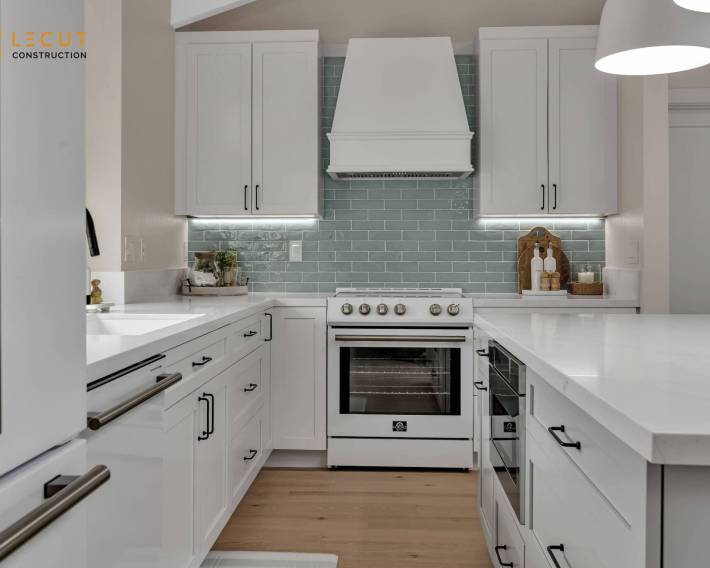
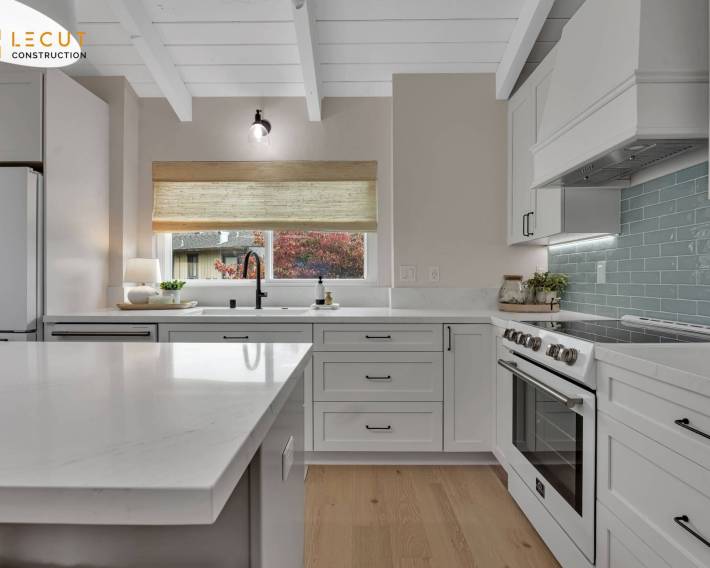
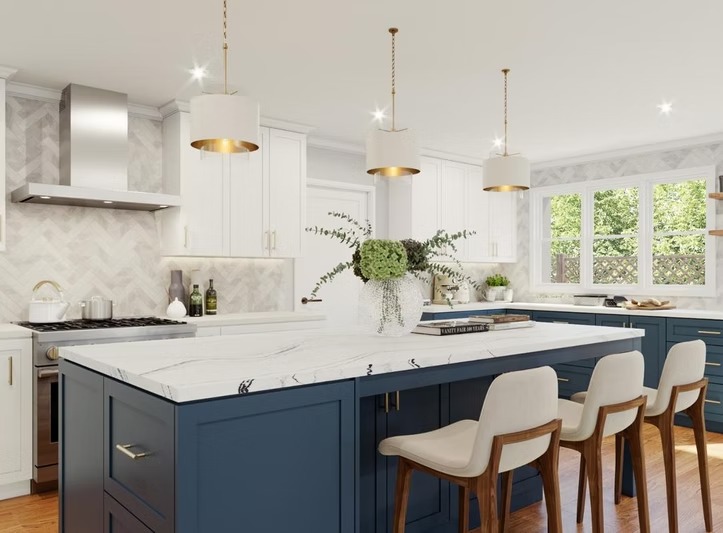
Booking our kitchen remodeling consultation online took under two minutes. The crew showed up at 8 AM sharp in Sunnyvale, stuck to the itemized estimate down to the penny, and finished the installation ahead of deadline.


Adding a second story addition to our Santa Clara home felt risky until we signed with Lecut. They locked in our contract price before breaking ground, eliminating cost overruns. Their crew worked efficiently, completing structural framing ahead of schedule while keeping the job site spotless.

Our rotting porch in Palo Alto was unsafe, but Lecut completed a new composite deck building job in four days flat.
We had a great experience working with Lecut and Yari on our bathroom remodel. Yari was very responsive and easy to communicate with throughout the entire project, and Lecut did a great job with the installation and finishing work.
They were professional, reliable, and always willing to come back and take care of small details when needed. We're very happy with how everything turned out and really appreciate their hard work and attention to detail.

People Also Ask
The 30% rule in remodeling is a general guideline suggesting that the cost of a renovation should not exceed 30% of the home's current market value. This principle helps homeowners avoid over-improving a property for the neighborhood. For example, if a home is valued at $500,000, the remodeling budget should ideally stay under $150,000. Exceeding this threshold can make it difficult to recoup the investment upon resale. Professional contractors, such as those at Lecut Construction, often advise clients to consider this rule when planning major projects like kitchen or bathroom remodels. However, it is not a strict financial regulation; personal enjoyment and long-term use of the space are also important factors. Always consult with a local real estate expert to assess your specific market conditions, especially in areas like San Jose or Santa Clara.
When communicating with your contractor, avoid saying things that can undermine trust or create misunderstandings. Never say "I can get this material cheaper myself," as it disrupts supply chain responsibilities and can void warranties. Avoid "Just do it quickly," as rushing compromises quality and safety. Do not say "My friend says it should cost less," as it dismisses the contractor's expertise and market pricing. Also, avoid "I'll pay you in cash to save taxes," as it suggests illegal activity. Instead, maintain clear, respectful dialogue. For guidance on project specifics, refer to our internal article How To Choose The Right Gutters And Downspouts, which provides professional insights. Lecut Construction emphasizes transparent communication to ensure successful outcomes.
A $200,000 budget is generally sufficient for a substantial whole-house remodel, but the final outcome depends heavily on the scope of work and the square footage of your home. For a typical 1,500 to 2,000 square foot house in San Jose, Santa Clara, or Sunnyvale, this amount can cover a full kitchen renovation, one or two bathroom remodels, new flooring, interior painting, and updated lighting fixtures. However, if your project involves structural changes, moving load-bearing walls, or high-end custom cabinetry, costs can escalate quickly. It is crucial to allocate a 15-20% contingency fund for unexpected issues like outdated wiring or plumbing. For a comprehensive breakdown of strategies and cost management, we recommend reading our internal article titled 'Whole-House Remodel vs. Piecemeal Approach: The Only Guide You Need (2026)' at Whole-House Remodel vs. Piecemeal Approach: The Only Guide You Need (2026).
The most expensive part of a house to renovate is typically the kitchen, followed closely by the bathroom. These spaces involve high costs due to the need for plumbing, electrical work, cabinetry, countertops, and high-end fixtures. Structural changes, such as moving walls or adding windows, also significantly increase expenses. For a comprehensive overview of costs and planning, you can refer to our internal article titled Complete House Remodeling. At Lecut Construction, we advise homeowners to prioritize these areas carefully, as they offer the highest return on investment when done correctly.